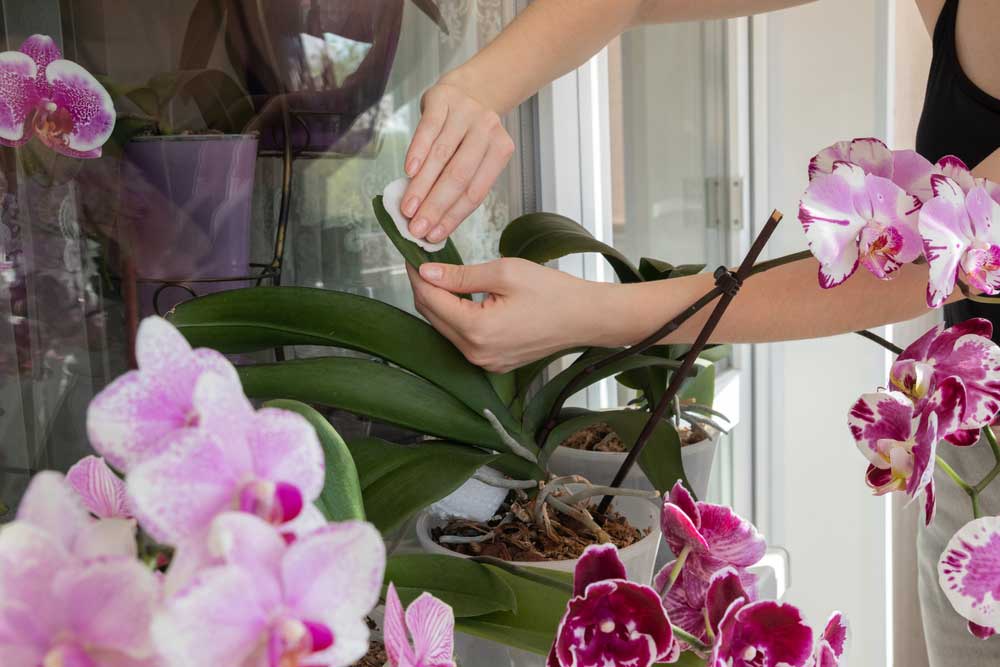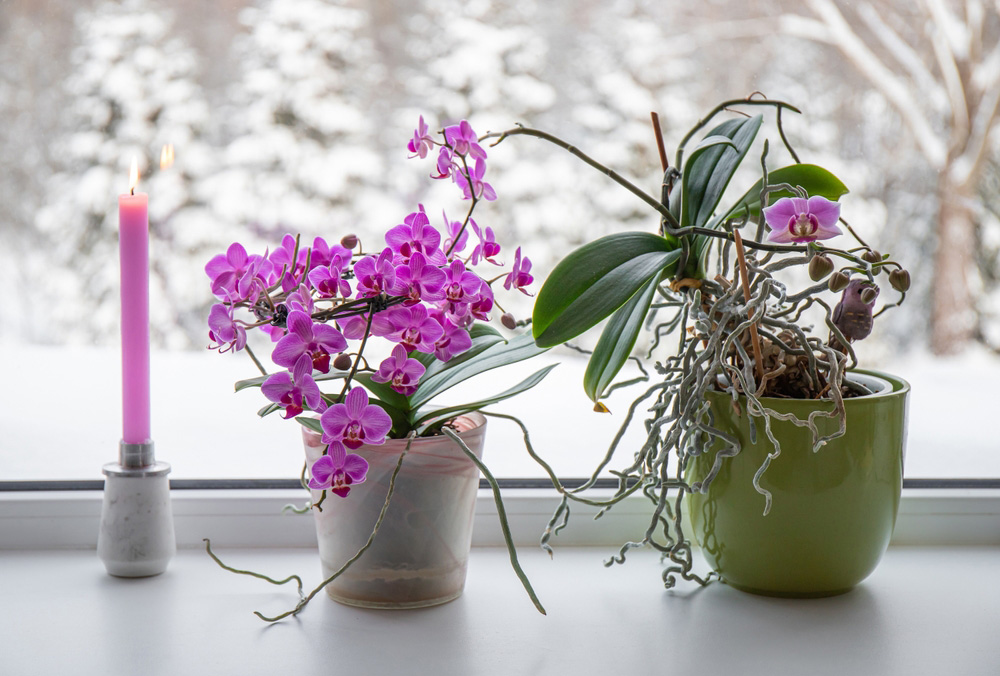
If you’ve ever bought an orchid that looked absolutely perfect at the store, thick green leaves, tall flower spikes, blooms everywhere, only to struggle a few months later, I want you to know this: you’re not doing everything wrong.
Here’s the thing. Orchids aren’t difficult plants, but they are different.
Most problems happen when we care for them like regular houseplants. I want to encourage you not to give up on them.
With a few simple shifts, orchids are surprisingly easy to grow and incredibly rewarding.
Let’s walk through the most common orchid mistakes I see (and yes, I’ve made plenty of these myself), along with what actually works.
1. Never Water Your Orchid on a Strict Schedule
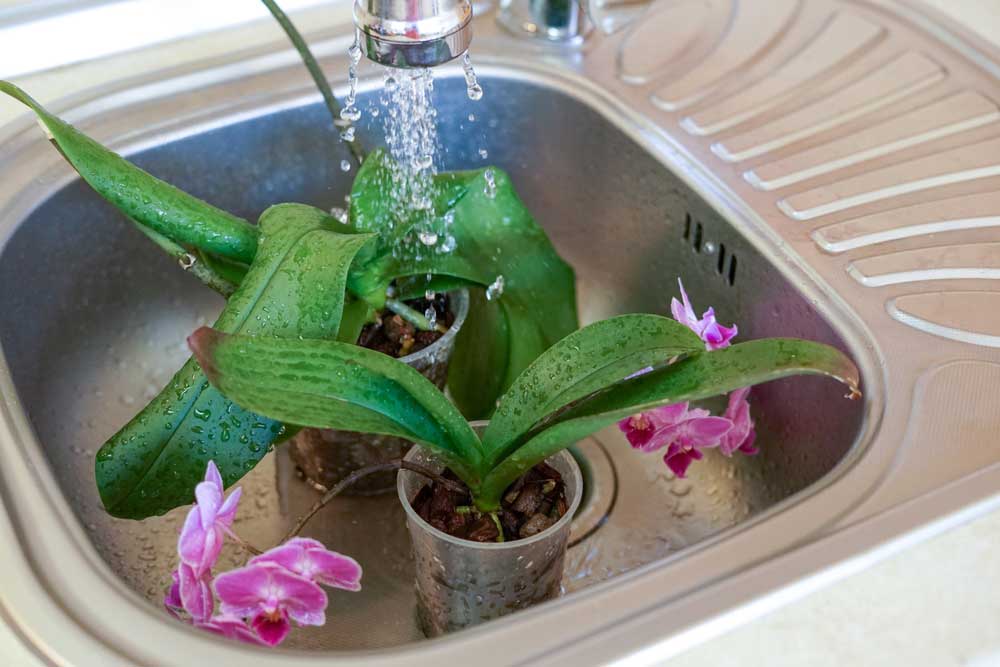
This is probably the biggest mistake of all. Orchids don’t want “every Sunday” watering. Their roots need time to dry out between waterings, otherwise they begin to rot. I always check the potting mix with my finger or look at the roots through the pot before watering.
What to do instead: Water based on dryness, not the calendar. If the potting mix still feels damp, wait a few more days.
2. Never Let Your Orchid Sit in Standing Water
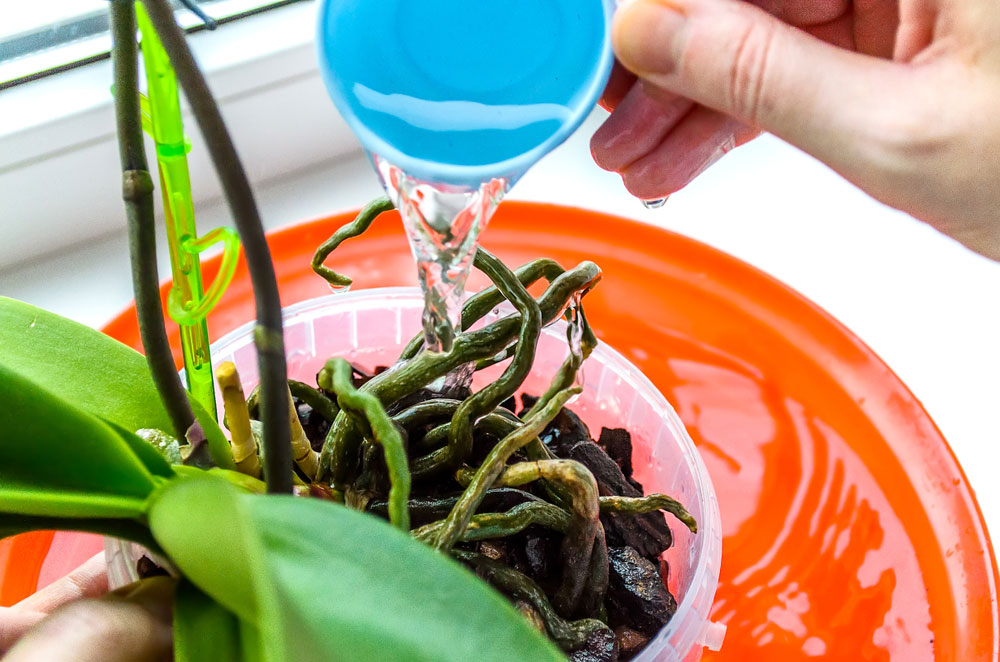
Orchids hate soggy feet. Leaving water in the saucer may not seem like a big deal, but roots sitting in water slowly suffocate. Over time, this leads to root rot and declining plants.
What to do instead: Always dump excess water from the saucer right after watering.
3. Never Plant Orchids in Regular Potting Soil
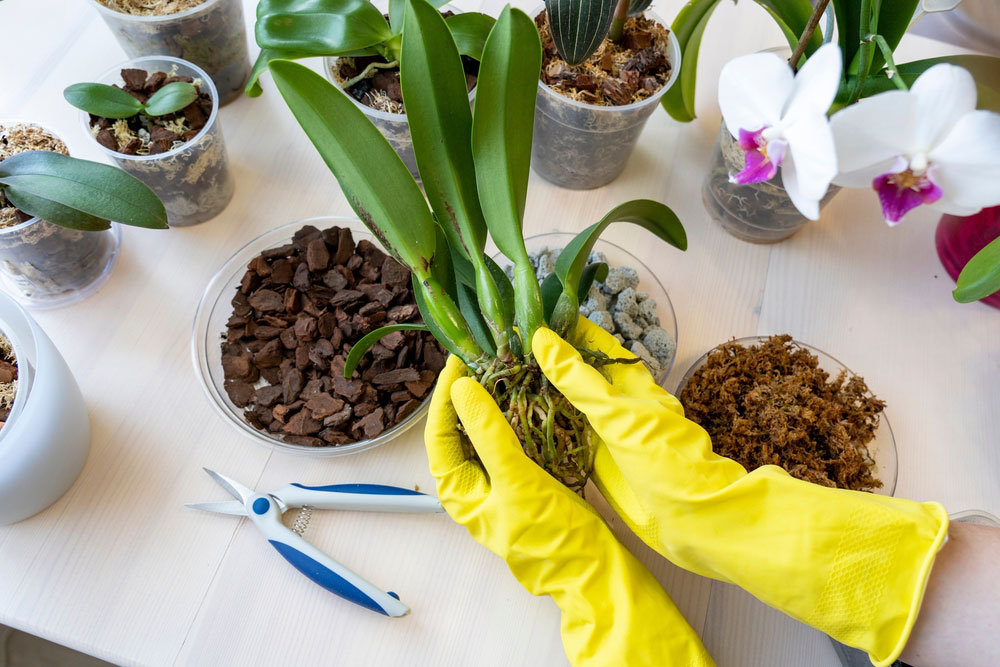
Orchid roots need airflow. Regular potting soil holds too much moisture and blocks oxygen, which leads to rot. This is one reason orchids struggle soon after purchase.
What to do instead: Use a chunky orchid bark mix that allows air to circulate freely around the roots.
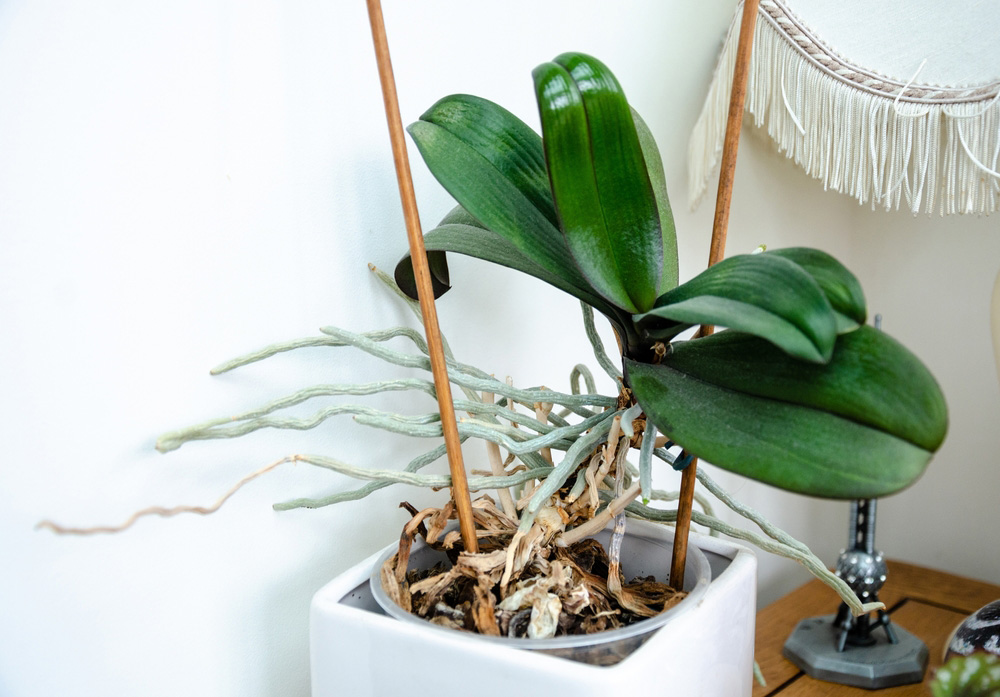
4. Never Cut Off Healthy Aerial Roots
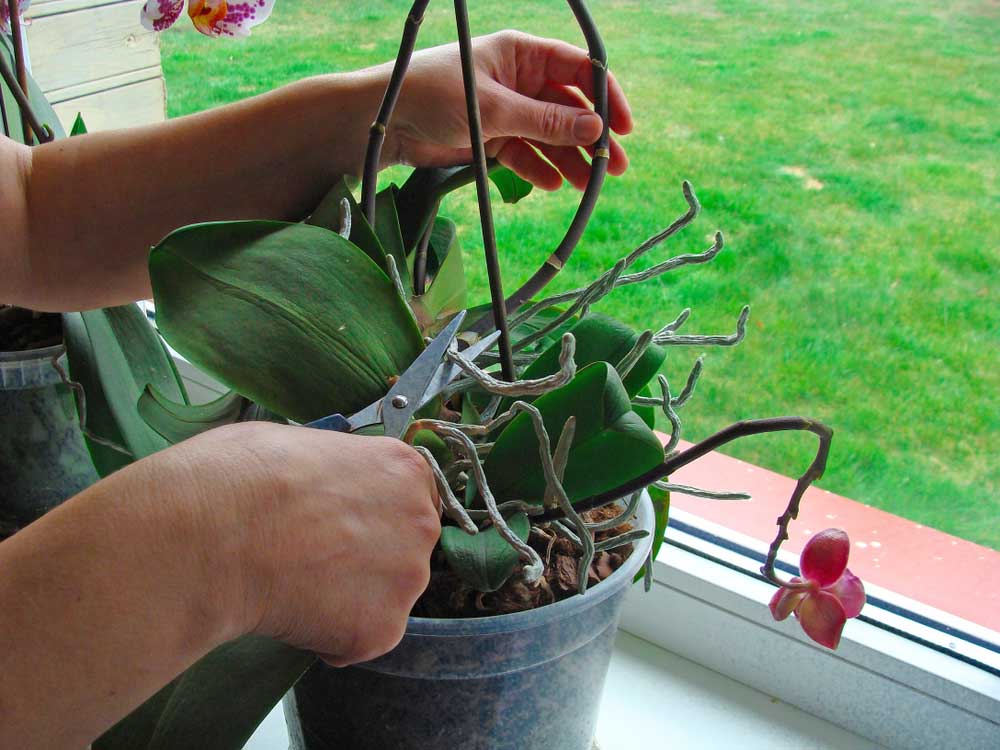
Aerial roots often make people nervous, but they are completely normal. These roots help orchids absorb moisture and nutrients from the air.
What to do instead: Leave aerial roots alone as long as they are firm and green or silvery.
5. Never Put Orchids in Harsh, Direct Sunlight
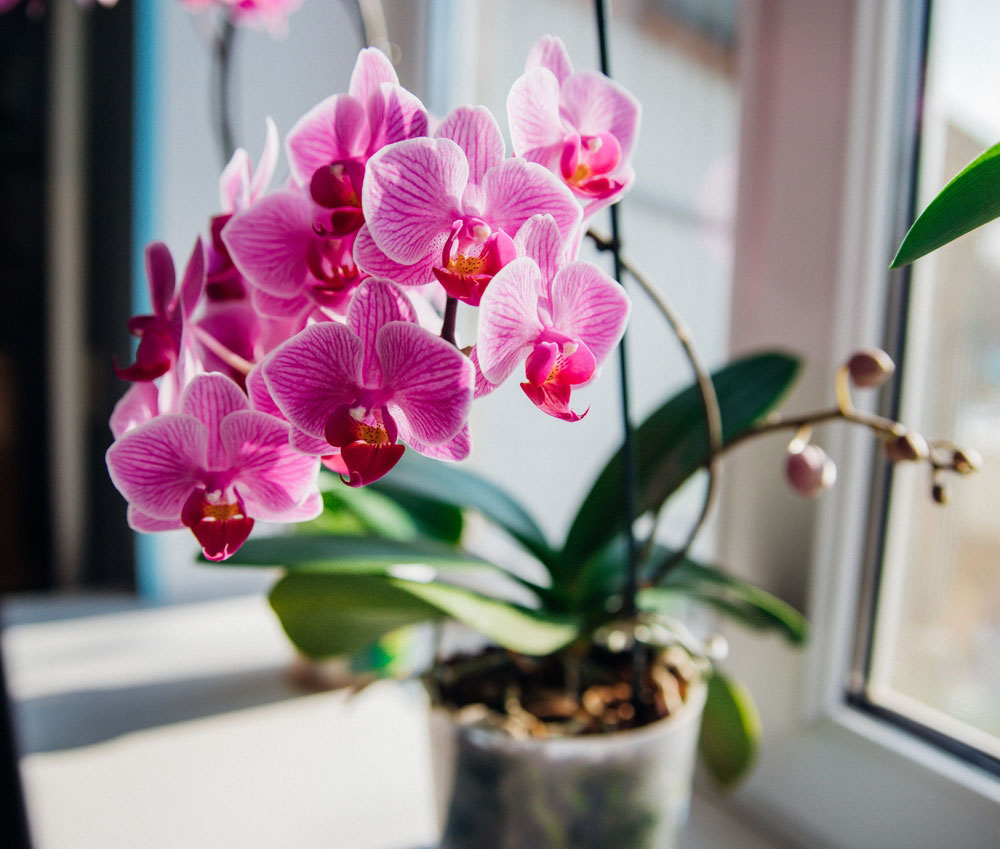
Orchids love light, but too much direct sun can scorch leaves quickly. Sunburn often shows up as pale or brown patches on the foliage.
What to do instead: Provide bright, indirect light. An east-facing window works especially well.
6. Never Assume Yellow Leaves Always Mean Trouble
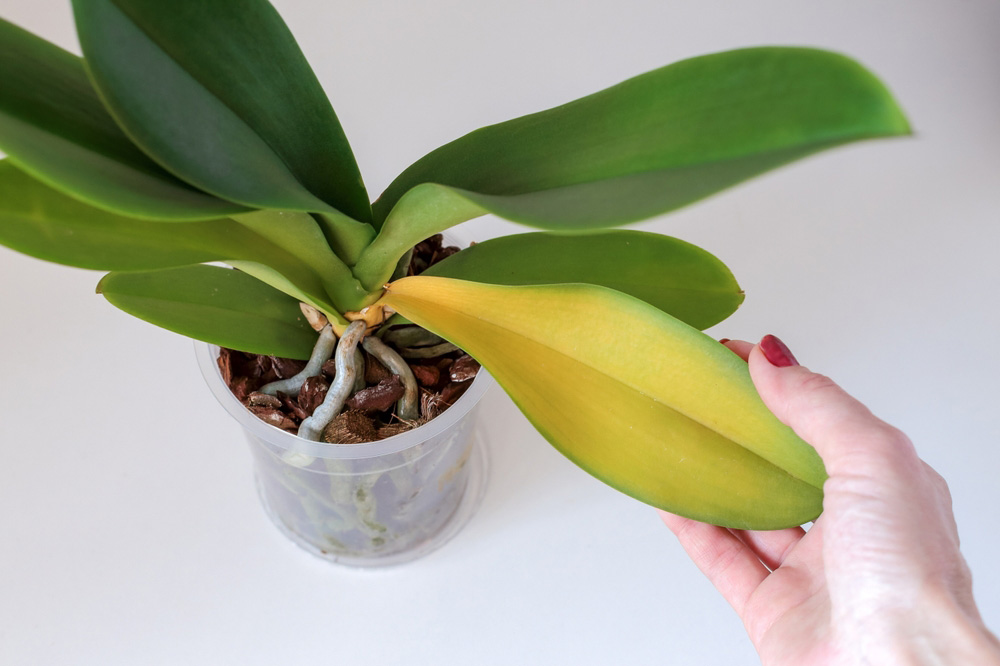
A single yellow leaf, especially near the base of the plant, is often just part of normal aging. Not every yellow leaf signals a problem.
What to do instead: Look at the overall plant. Multiple yellow leaves at once usually point to watering or light issues.
7. Never Mist Orchids Constantly
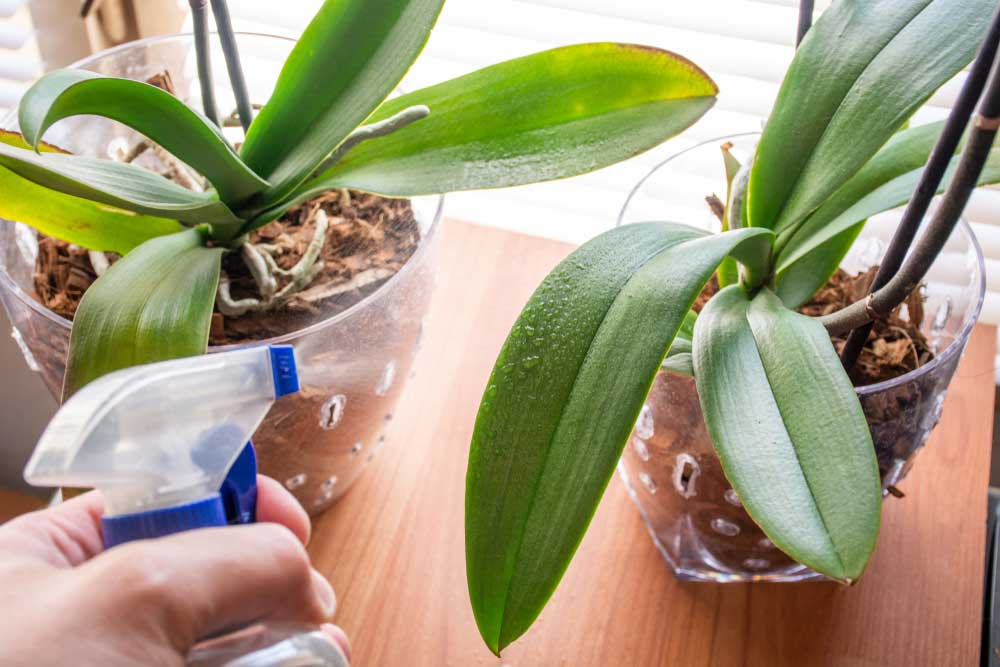
Misting may seem helpful, but water sitting on leaves can cause fungal problems, especially in cooler indoor environments.
What to do instead: Increase humidity with a pebble tray or humidifier rather than misting the leaves.
8. Never Leave Water in the Crown
The crown, where the leaves meet, is very sensitive. Water trapped here can lead to crown rot, which is often fatal.
What to do instead: Water carefully around the potting mix and avoid pouring water directly into the center of the plant.
9. Never Ignore the Pot Your Orchid Came In
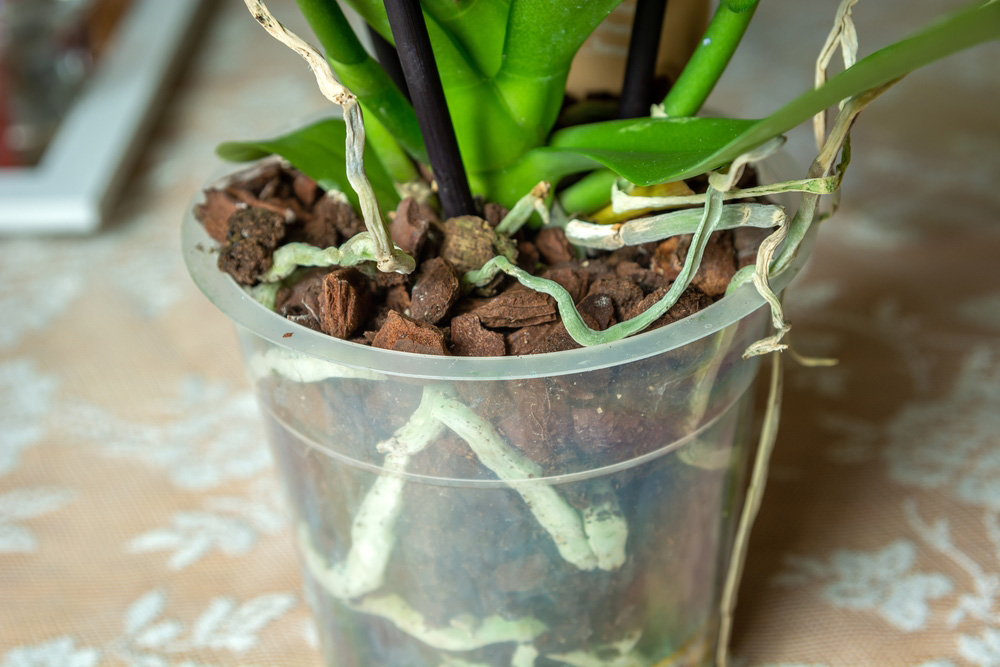
The pot your orchid lives in matters more than most people realize. Orchids rely heavily on healthy roots, and if you can’t see or properly drain those roots, problems can develop quietly. Poor drainage or opaque pots make it easy to miss early signs of rot or dehydration.
What to do instead: Use clear orchid pots with plenty of drainage holes when possible. Being able to see the roots helps you catch issues early and adjust watering before real damage happens.
10. Never Repot While the Orchid Is Blooming
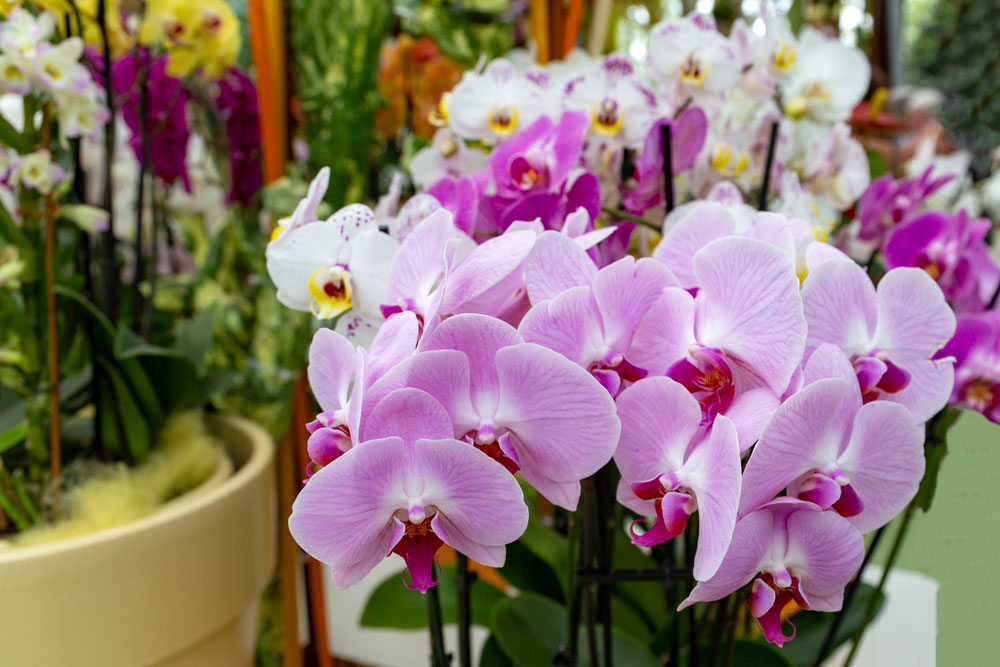
Repotting is stressful for orchids, even when done correctly. When a plant is blooming, it’s already using a lot of energy. Disturbing the roots during this time often causes flowers to drop prematurely.
What to do instead: Wait until blooming has finished and you see signs of new root growth. This tells you the orchid is ready to recover quickly after repotting.
11. Never Fertilize a Dry Orchid
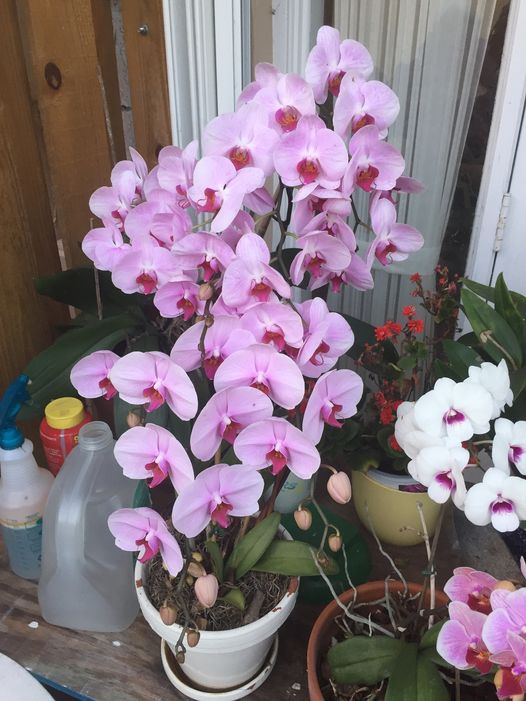
Applying fertilizer to dry roots can shock and burn them. This is a very common mistake, especially when people are eager to encourage growth or reblooming.
What to do instead: Water the orchid lightly first, then apply fertilizer. Moist roots absorb nutrients much more safely and effectively.
12. Never Use Full-Strength Fertilizer Every Time
More fertilizer does not mean faster growth. In fact, too much fertilizer can build up salts in the potting mix, damaging roots and slowing the plant down.
What to do instead: Use diluted fertilizer regularly rather than strong doses occasionally. Orchids respond best to gentle, consistent feeding.
13. Never Throw Away an Orchid After Blooming
It’s easy to assume an orchid is finished once the flowers fall, but that’s simply part of its natural cycle. Many healthy orchids spend months focusing on leaves and roots before blooming again.
What to do instead: Continue caring for the plant as usual during its resting phase. With patience and proper care, new flower spikes often appear when you least expect them.
14. Never Cut the Flower Spike Too Early
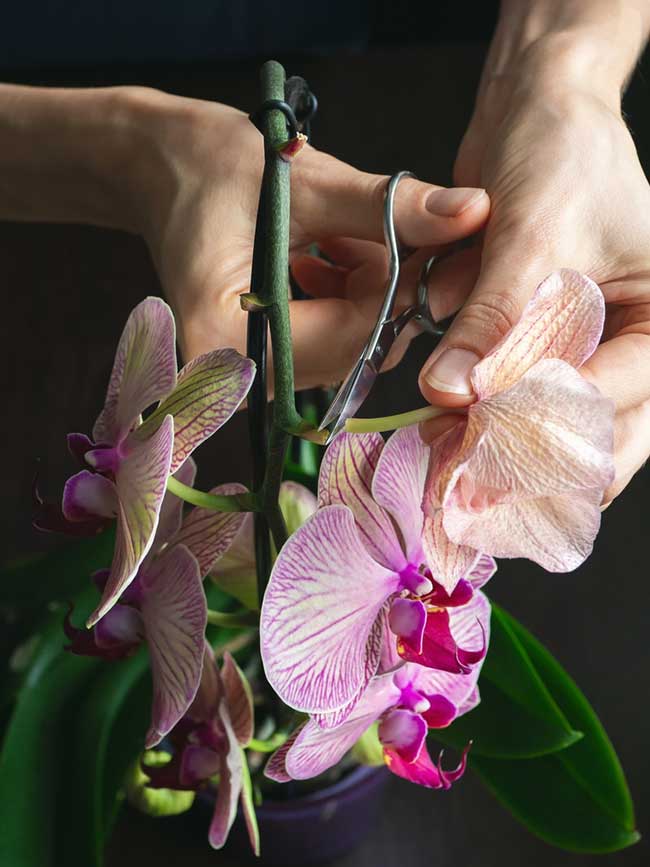
Cutting a flower spike while it’s still green can remove the plant’s chance to rebloom from that same spike. Many orchids can produce secondary blooms from green spikes.
What to do instead: Wait until the spike turns brown and dry. If it’s still green, let it be and see what the plant does next.
15. Never Keep Orchids Near Cold Drafts or Vents
Orchids dislike sudden temperature changes, even indoors. Cold air from windows, air conditioners, or heating vents can stress the plant and lead to dropped buds or slowed growth.
What to do instead: Place orchids in a location with steady temperatures and away from direct airflow. Consistency makes a big difference.
16. Never Ignore Limp or Wrinkled Leaves
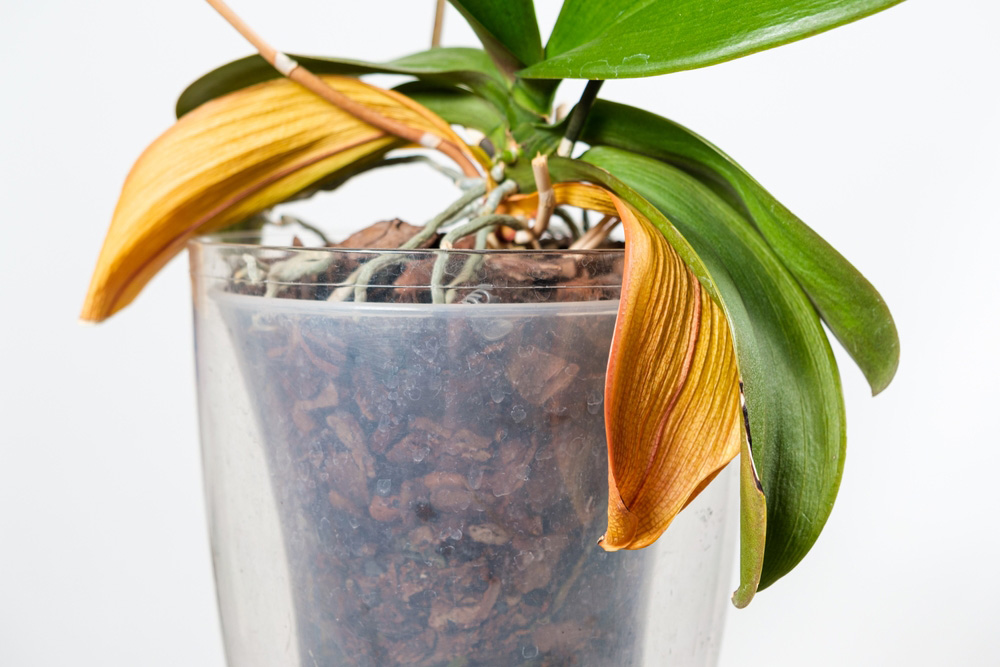
Wrinkled leaves often cause panic, but they’re usually a symptom of root trouble rather than a leaf problem. Dehydration, root rot, or inconsistent watering are common causes.
What to do instead: Check the roots first and adjust watering habits as needed. Healthy roots almost always lead to healthier leaves.
17. Never Assume All Orchids Need the Same Care
While Phalaenopsis orchids are very forgiving, other types can have slightly different light, water, and temperature needs. Treating all orchids exactly the same can cause confusion and frustration.
What to do instead: Identify your orchid type and make small adjustments based on its preferences. Even minor changes can improve results.
18. Never Crowd Orchids Together
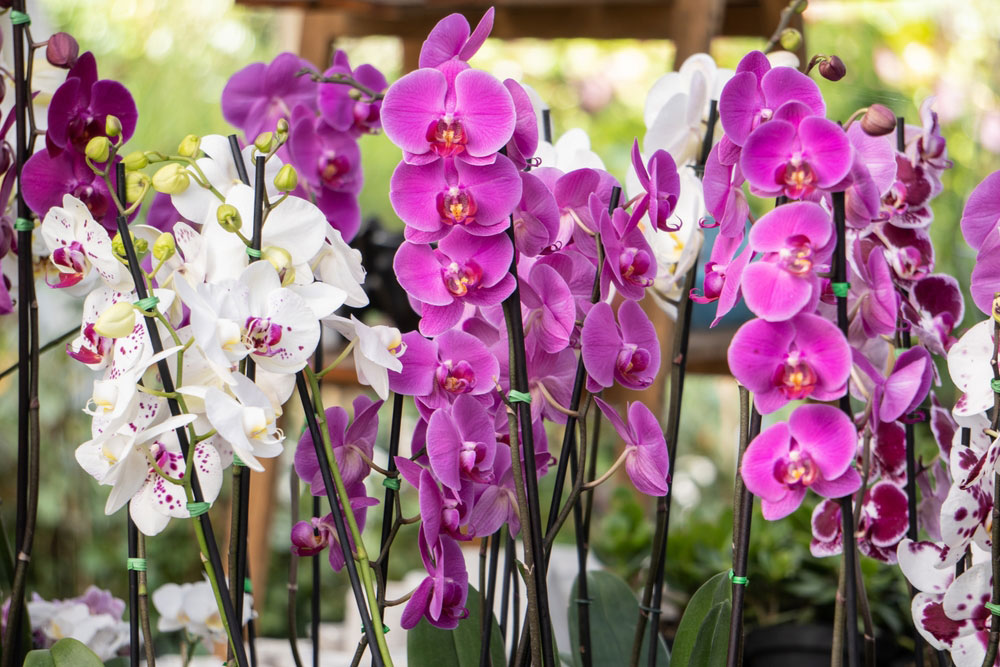
Crowding orchids limits airflow and creates humid pockets where pests and diseases thrive. This is especially common on windowsills with multiple plants.
What to do instead: Space orchids so air can move freely around the leaves and roots. Good airflow helps prevent problems before they start.
19. Never Panic Over Dropped Buds
Bud blast can be discouraging, especially when buds fall right before opening. This often happens due to sudden changes in temperature, light, or humidity.
What to do instead: Keep conditions stable and resist the urge to move the plant repeatedly. Future blooms are usually unaffected once conditions settle.
20. Never Forget Orchids Are Slow Growers
Orchids operate on their own timeline. Constantly adjusting light, water, or location can actually slow progress instead of helping.
What to do instead: Be patient and consistent. Once you find a routine that works, stick with it and let the orchid do its thing.