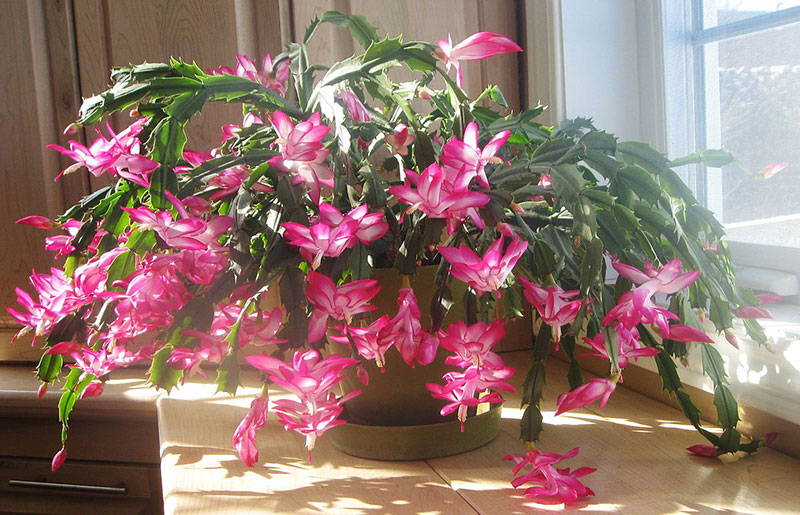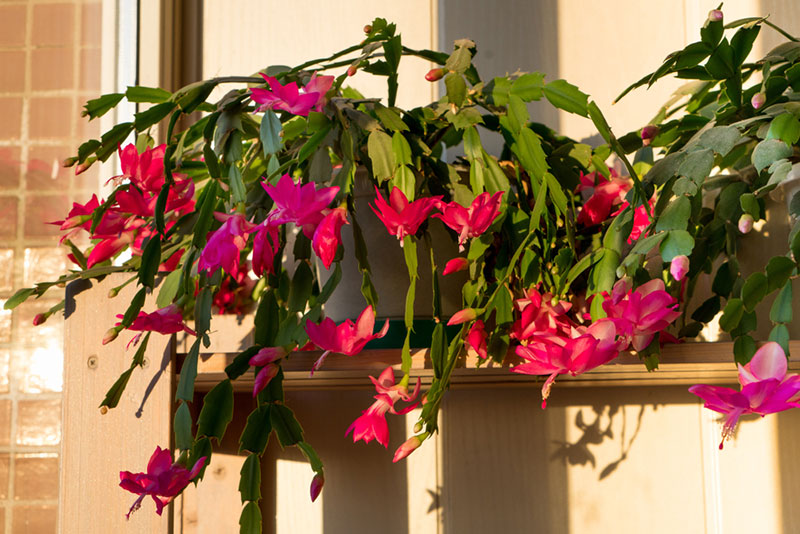
A Christmas cactus can spend all summer looking perfectly content, then reach November with three lonely buds hanging from one side.
Not exactly the spectacular holiday display you had in mind.
The good news is that what you do in August and September can make a real difference. This is when a healthy holiday cactus finishes its active summer growth and begins responding to the shorter days and cooler nights that tell it to produce flower buds.
And no, you do not need to pour coffee into the pot, sprinkle it with Epsom salt, or whisper holiday encouragement into every individual stem segment.
The real bloom formula is much simpler: healthy growth in August, followed by the right combination of darkness, cool temperatures, and consistent care in September and early fall.
Here are 10 things to do now if you want your Christmas cactus covered in blooms for the holidays.
First, Is It Really a Christmas Cactus?
Before we get started, there is one small holiday cactus identity crisis to clear up.
Many plants sold as “Christmas cactus” are actually Thanksgiving cacti.
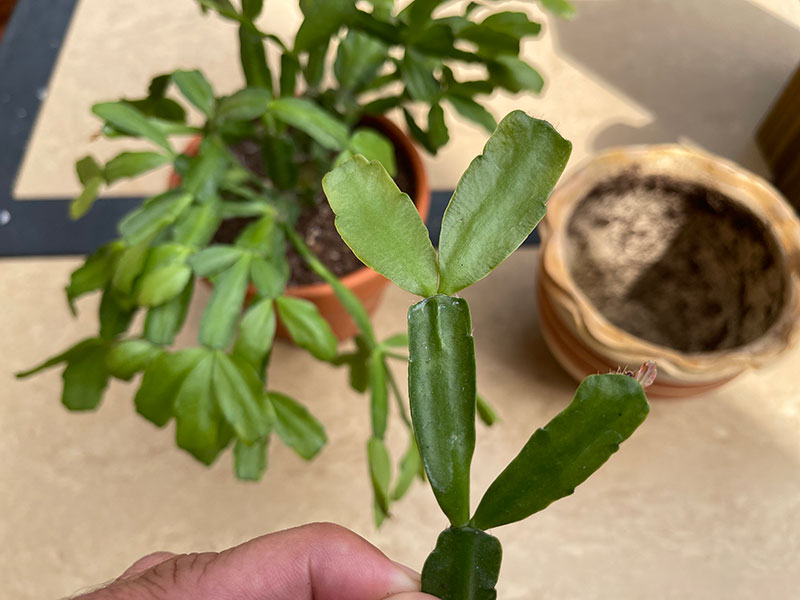
Thanksgiving cactus has pointed, claw-like edges along its stem segments, while a true Christmas cactus has smoother, more rounded edges.
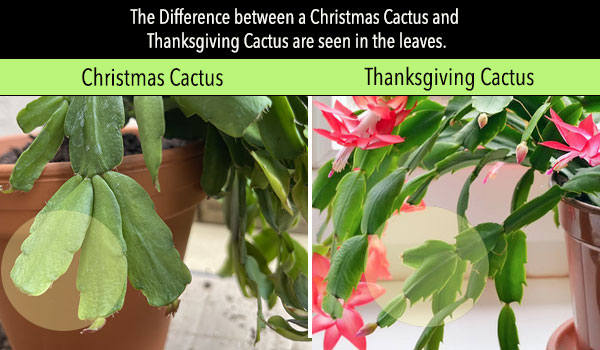
The difference matters because Thanksgiving cactus typically begins flowering earlier, often from late November into December. A true Christmas cactus may not begin blooming until late December or even later.
The care steps below work for both. Just keep in mind that your plant’s genetics ultimately help determine whether it blooms around Thanksgiving, Christmas, or sometime after the decorations are already back in the attic.
1. Give It Bright, Filtered Light in August
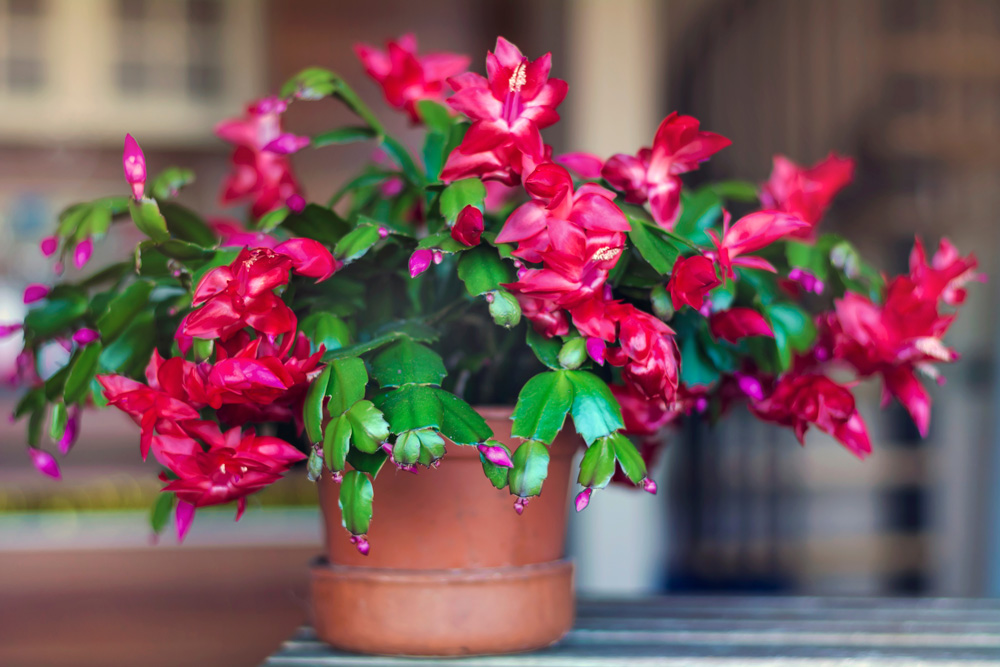
August is still part of your holiday cactus’s active growing season. That means it needs enough light to produce healthy new stem segments and store energy for the bloom cycle ahead.
Place it in bright, indirect light indoors. An east-facing window is often a good choice, or you can keep it several feet away from a brighter south- or west-facing window.
If your cactus is spending the summer outdoors, place it in partial or filtered shade. A spot beneath a tree, covered patio, or shaded porch can work well.
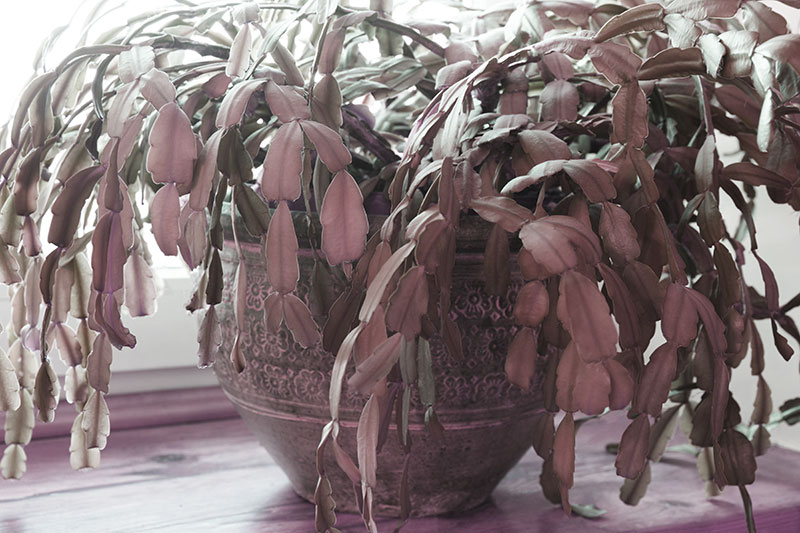
Holiday cacti originally come from tropical forest environments, where they grow with protection from intense overhead sun. Too much direct sunlight can bleach the segments, turn them pale or reddish, and cause sunburn.
A little morning sun is usually fine. Hours of blazing afternoon sun? Not so much.
2. Give It Its Final Regular Feeding in August
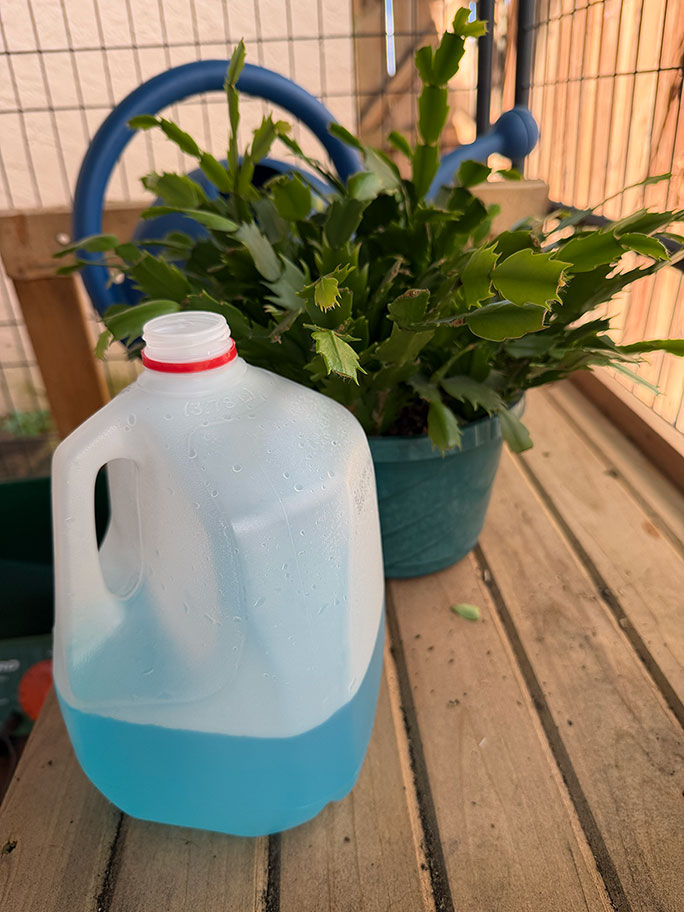
If your cactus is actively growing and has not been fertilized recently, August is a good time for one final summer feeding.
Use a balanced houseplant fertilizer diluted to half the strength recommended on the label. University of Minnesota Extension recommends fertilizing holiday cacti monthly from June through August at half strength.
Once September arrives and you begin encouraging bud formation, ease off the fertilizer. You are trying to shift the plant away from producing lots of new green growth and toward setting flower buds.
More fertilizer does not automatically equal more flowers.
In fact, feeding too heavily at the wrong time may encourage soft vegetative growth when the plant should be preparing to bloom. Once your darkness and cool-temperature routine begins, put the fertilizer bottle away until the appropriate time in its next growth cycle.
Read: How to Fertilize Holiday Cactus: A Month-by-Month Guide
3. Water It Thoroughly, but Do Not Keep It Wet
This is where holiday cactus care gets a little tricky.
It is a cactus, but it is not a desert cactus. It needs more moisture than the prickly cactus sitting on your sunniest windowsill, but it still dislikes soggy soil.
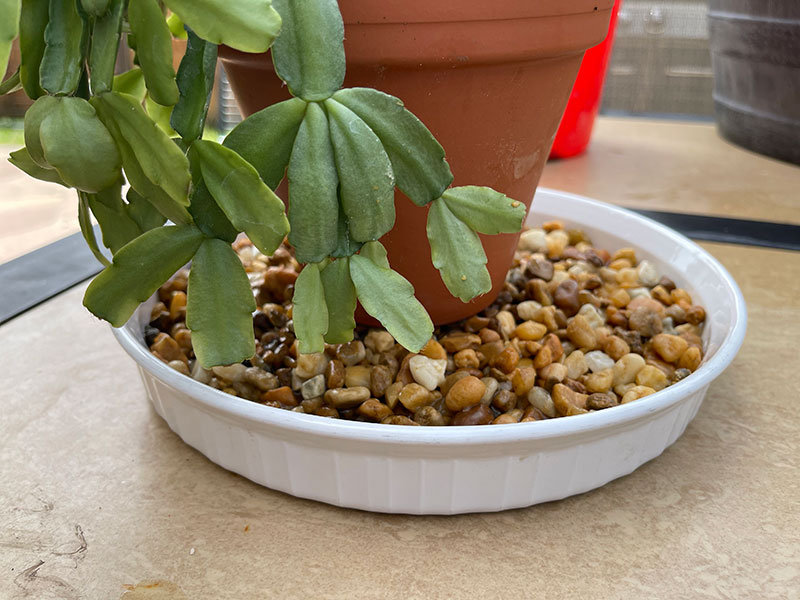
Water thoroughly until excess water drains through the bottom of the container. Then empty the saucer or decorative outer pot. Wait until the potting mix has dried slightly before watering again.
Do not follow a strict schedule such as “every Tuesday.” Check the soil instead.
Your plant may need more frequent watering during a hot August than it does once September brings cooler temperatures and slower growth.
Constantly wet soil can suffocate the roots and lead to root rot. Oddly enough, a cactus with damaged roots may look wilted and thirsty even though its soil is wet, because the unhealthy roots can no longer take up water properly.
Note to self: A drooping plant does not always need another drink.
4. Make Sure the Pot Drains Freely
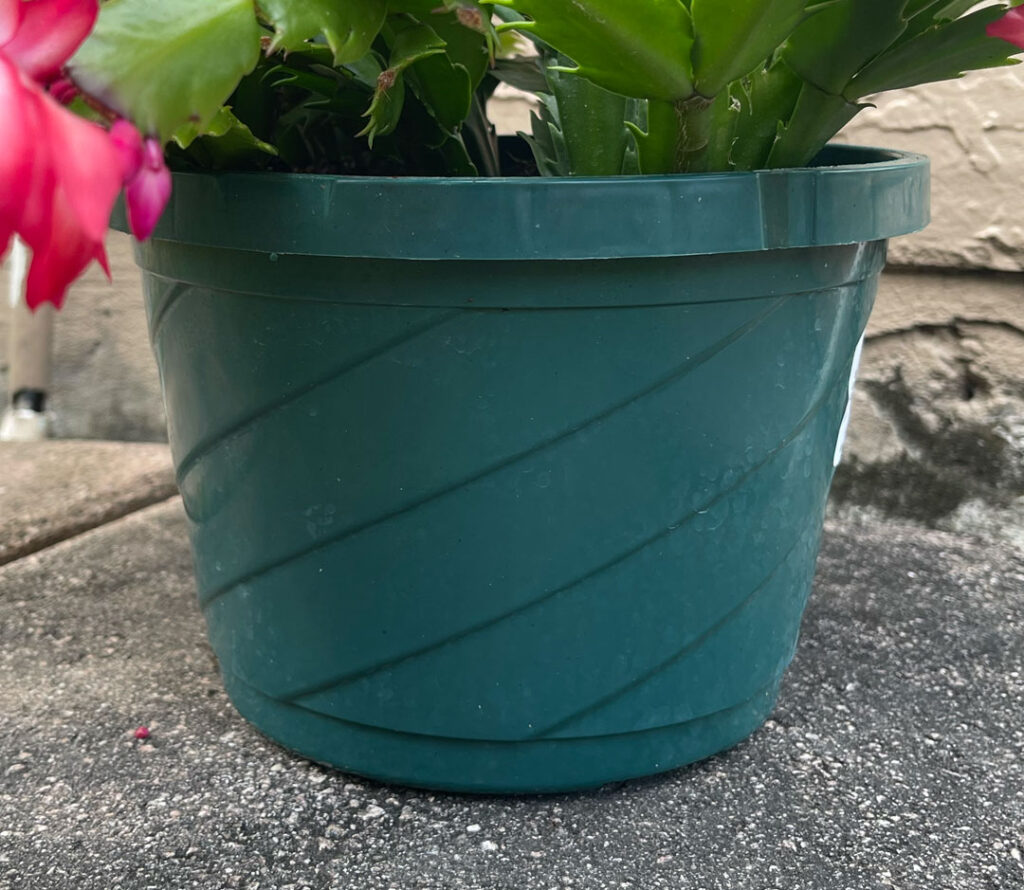
Before the bloom-preparation period begins, give the container a quick inspection.
Does water flow easily from the drainage holes? Is the plant sitting inside a decorative pot that collects water? Has the potting mix become hard, compacted, or slow to drain?
Holiday cacti need a loose, well-aerated potting mix and a container with working drainage holes. Heavy, waterlogged soil is one of the quickest ways to create root problems before the plant has a chance to bloom.
If the plant is healthy and the water drains normally, leave it alone.
This is not the time to repot simply because you found a prettier container.
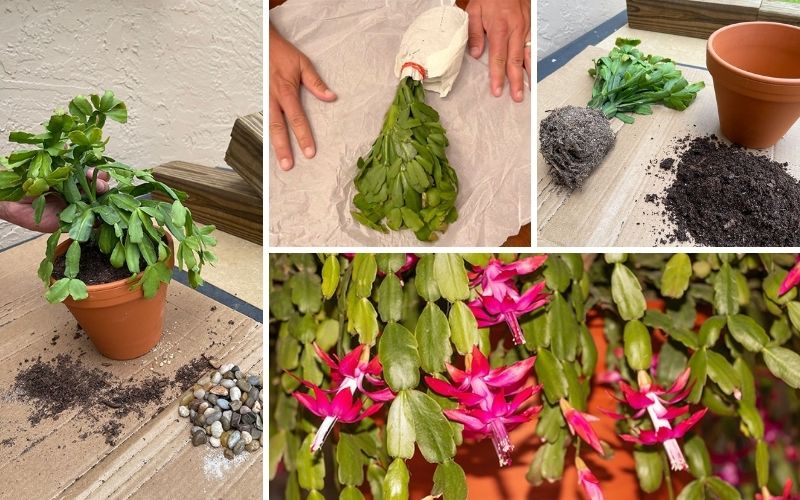
Holiday cacti often flower well when they are somewhat pot-bound and may only need repotting about every three years. Repotting is generally best handled in spring rather than immediately before the fall bloom cycle.
Repot now only when there is a genuine problem, such as rotting soil, a broken container, or severely damaged roots.
Related: Learn How to Repot Christmas Cactus
5. Put Away the Pruning Shears
Pruning can help a holiday cactus grow fuller and produce more branches. More branches can eventually mean more stem tips, and flowers form at those tips.
The important word here is eventually.
Pinching or pruning is best done after flowering or earlier in the active growing season. Illinois Extension recommends pinching stems in June to encourage branching and potentially produce more flowers.
By late August and September, your plant should be allowed to mature and prepare for budding.
Pruning now may remove the mature stem ends where you want buds to develop. It can also encourage a flush of new growth at exactly the wrong time.
Go ahead and remove anything that is dead, damaged, diseased, or rotting. Otherwise, let the healthy segments stay where they are.
There will be plenty of time for shaping after the flowers finish.
6. Check for Pests Before Bringing It Indoors
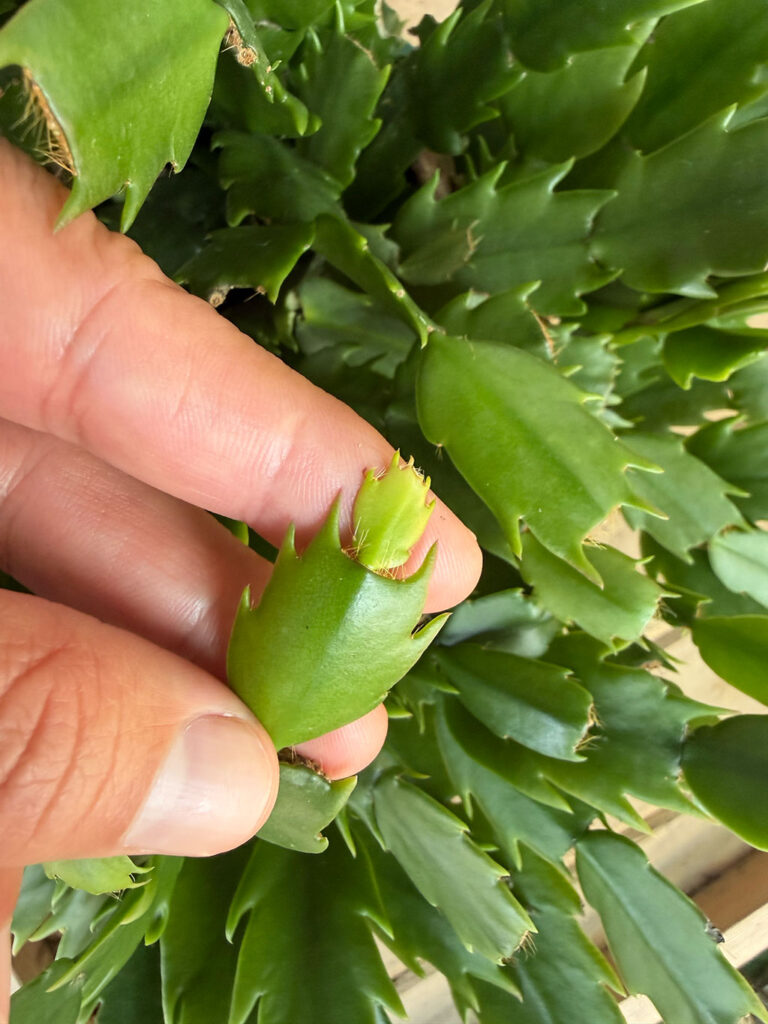
If your holiday cactus has enjoyed a summer vacation outside, inspect it carefully before moving it back into the house.
Look along the joints between segments, around the soil line, beneath the stems, and around the rim and drainage holes of the container.
Holiday cacti can develop common houseplant pests such as mealybugs, scale insects, spider mites, and fungus gnats. University extension experts recommend checking for pests, removing dead or damaged growth, clearing debris from the soil surface, and cleaning the outside of the pot before bringing the plant indoors.
It is much easier to deal with one suspicious cottony mealybug on the porch than an entire family reunion of them on your indoor plant shelf.
Try to complete this inspection before your cactus starts producing buds. Once budding begins, the plant benefits from being left in a stable location.
7. Find a Spot With Cooler Nights
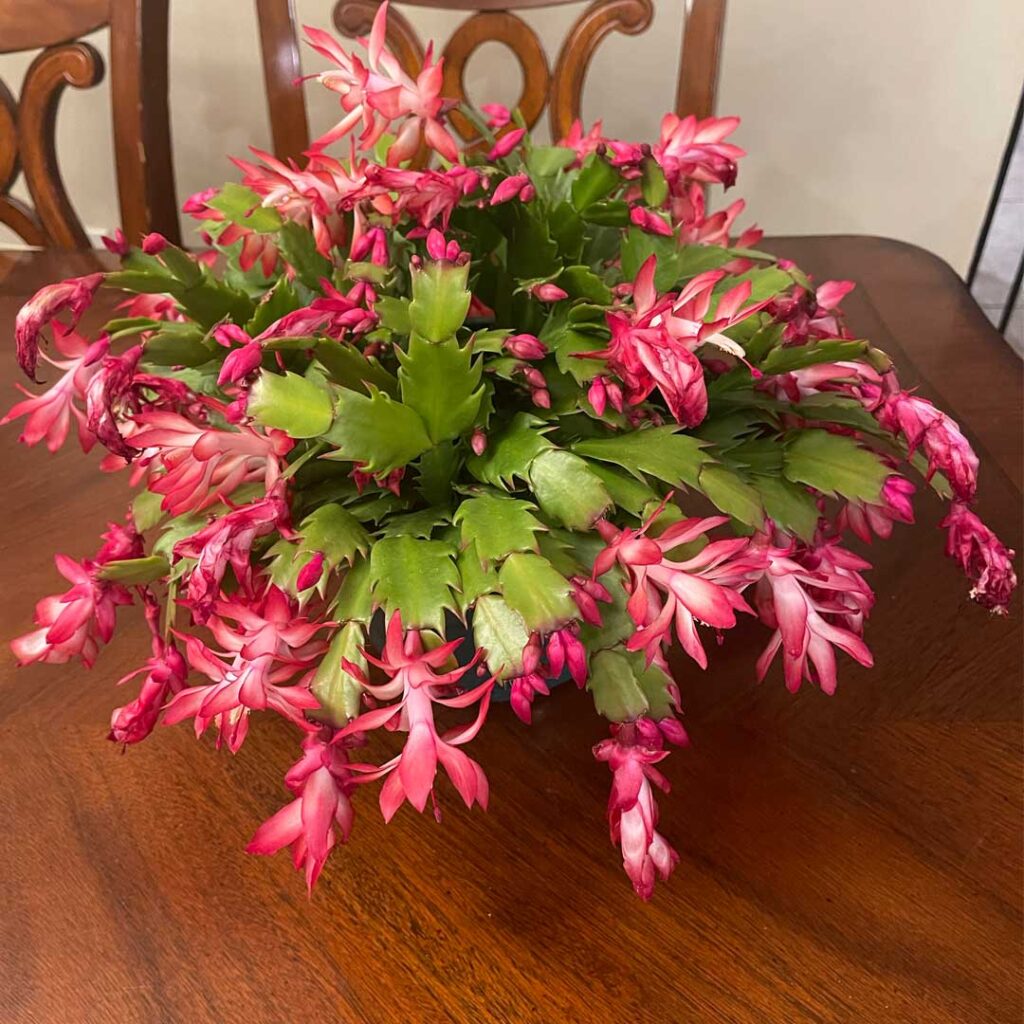
September is when the bloom strategy really begins.
Holiday cacti respond strongly to cooler nighttime temperatures. A room that stays around 55°F to 65°F at night can help signal the plant that it is time to set buds.
Good possibilities include:
- A little-used guest room
- A cool sunroom
- A bright basement window
- A room away from heating vents
- An enclosed porch that remains safely above 50°F
University extension recommendations vary slightly, but generally place the ideal nighttime range near 55°F to 65°F, with daytime temperatures around 65°F to 70°F. Plants kept too warm at night may fail to set buds even when they receive long periods of darkness.
Cool does not mean freezing.
Bring an outdoor plant inside before temperatures become dangerously cold. Temperatures below approximately 50°F can stress the plant and may contribute to bud loss.
8. Begin the Long-Night Routine in September
Shorter days and longer nights are the plant’s cue that the flowering season is approaching.
To encourage bud formation, give your holiday cactus at least 12 to 14 hours of uninterrupted darkness every night. Continue this consistently for approximately five to six weeks, or until flower buds become visible.
For example, you might place the cactus in darkness from 6 p.m. until 8 a.m., then return it to bright, indirect light during the day.
You can use:
- A guest room that remains dark at night
- A closet, provided you remember to remove the plant each morning
- A basement with a bright daytime window
- A breathable, light-blocking cover placed over the plant each evening
New Hampshire Extension recommends beginning short-day treatment around September 1 for a Christmas-season display, while other extension schedules begin the routine in late September or early October. The ideal date can vary with cactus type, temperature, and your desired bloom time.
For a Thanksgiving cactus that naturally flowers earlier, start toward the beginning or middle of September. For a true Christmas cactus, you may have more flexibility to begin later in September.
9. Do Not Interrupt the Darkness
This is one of those small details that can undo a great deal of good work.
The dark period needs to be truly dark. Light from a lamp, hallway fixture, television, grow light, or even a bright streetlight shining through the window may interrupt the plant’s long night.
Holiday cacti are short-day plants, which really means they are long-night plants. They measure the length of the uninterrupted darkness rather than simply noticing that fall days look a little dimmer.
Research-based extension guidance recommends at least 12 continuous hours of darkness for roughly five to six weeks. An interruption lasting a couple of hours may interfere with flower-bud formation.
Consistency matters more than making the process complicated.
You do not need to lock the plant in a dungeon. You just need to give it predictably dark nights, bright daytime light, and cool temperatures.
Setting a reminder on your phone may save you from remembering the cactus at 11 p.m. and sprinting toward the closet in your pajamas.
10. Once Buds Appear, Stop Moving the Plant
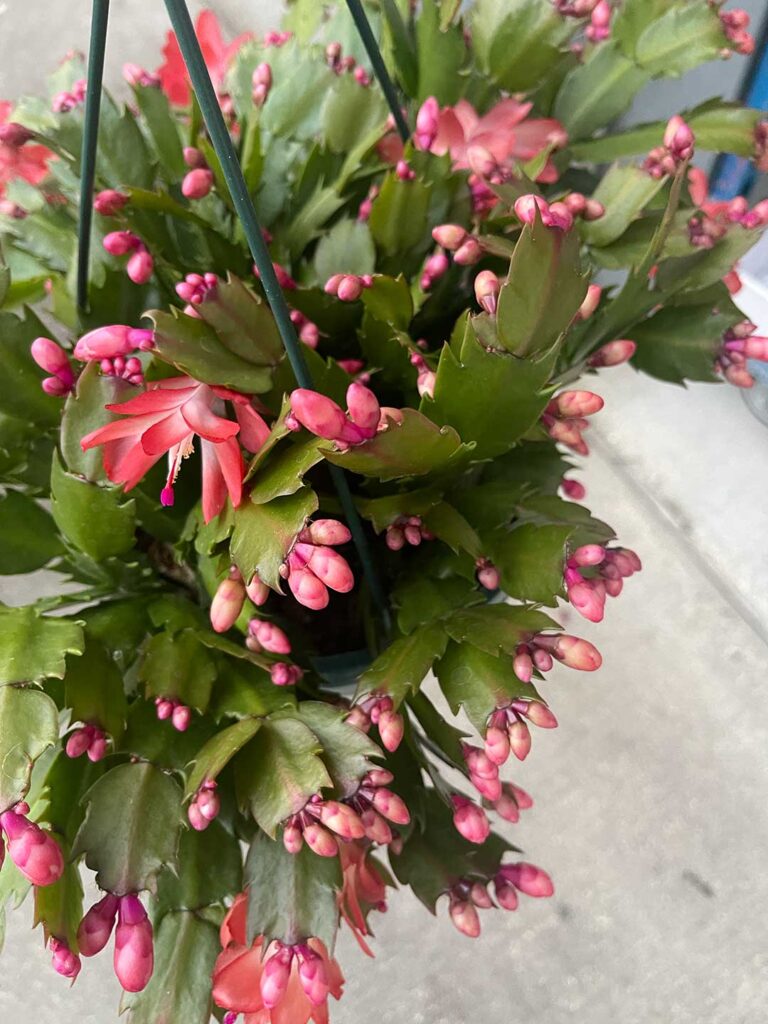
The appearance of tiny buds is your sign that the long-night treatment has worked.
At that point, return the plant to normal bright, indirect daytime light and continue providing cool, stable conditions. Water carefully so that the soil does not become bone dry or waterlogged.
Most importantly, avoid repeatedly moving, turning, or relocating the plant.
Holiday cacti can drop developing buds after sudden changes in temperature, humidity, drafts, watering, or the direction and amount of light they receive.
If you eventually want the flowering plant displayed in the living room, move it as soon as the buds become visible rather than waiting until they are large and nearly ready to open.
Then leave it there.
Do not rotate it every few days trying to make the growth look perfectly symmetrical. A slightly lopsided cactus covered in flowers is still much more impressive than a perfectly positioned cactus sitting beneath a pile of dropped buds.
Your August and September Bloom Checklist
In August
- Keep the plant in bright, filtered light.
- Give it its final half-strength summer feeding if needed.
- Water when the potting mix begins to dry, but never leave the pot sitting in water.
- Check the container and drainage holes.
- Avoid unnecessary repotting.
- Stop pruning healthy growth by late summer.
In September
- Inspect outdoor plants for pests before bringing them inside.
- Place the cactus where nights are cool.
- Begin providing 12 to 14 hours of uninterrupted darkness.
- Stop regular fertilizing as bud preparation begins.
- Keep watering and temperatures consistent.
- Once buds appear, avoid moving or rotating the plant.
What Really Produces More Christmas Cactus Blooms?
There is no single miracle product that covers a Christmas cactus in flowers.
The plant needs to be healthy first. That means adequate light, sensible watering, good drainage, and enough nutrition during its active growing season.
Then comes the part that many people miss: several weeks of long, uninterrupted nights paired with cooler temperatures.
Those environmental changes are the real signal.
Get those conditions right in September and early fall, and your cactus has a much better chance of trading its quiet green summer look for the holiday bloom show you have been waiting for.
Just remember that plants do not own calendars. Your Thanksgiving cactus may flower before the turkey reaches the table, while a true Christmas cactus may take its sweet time and bloom closer to New Year’s Day.
More power to it. A pot covered in colorful flowers is welcome whenever it decides to arrive.