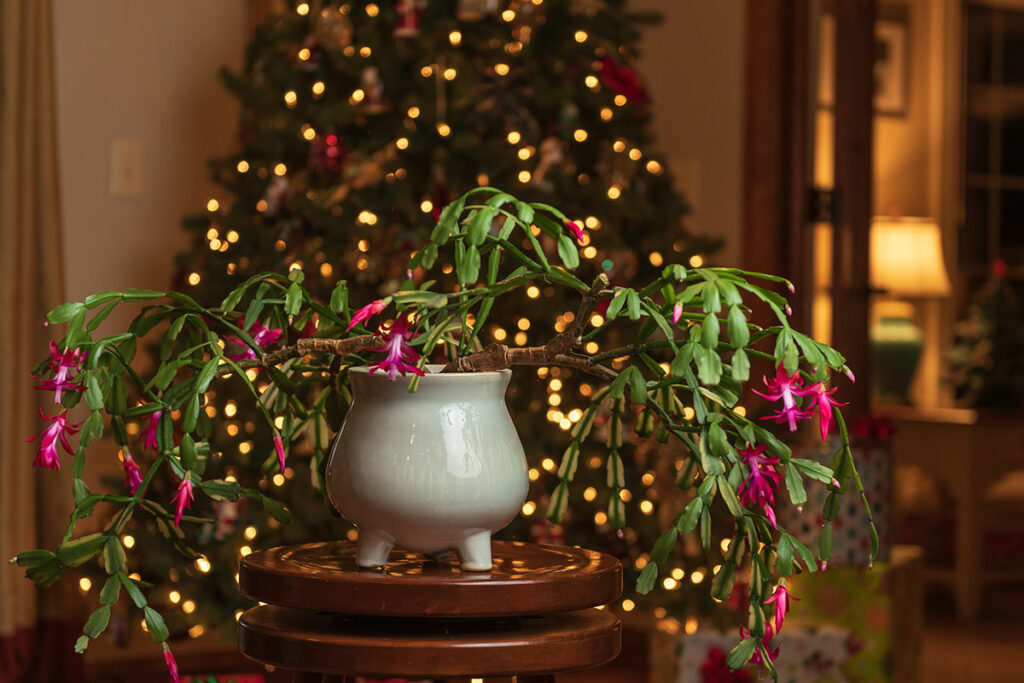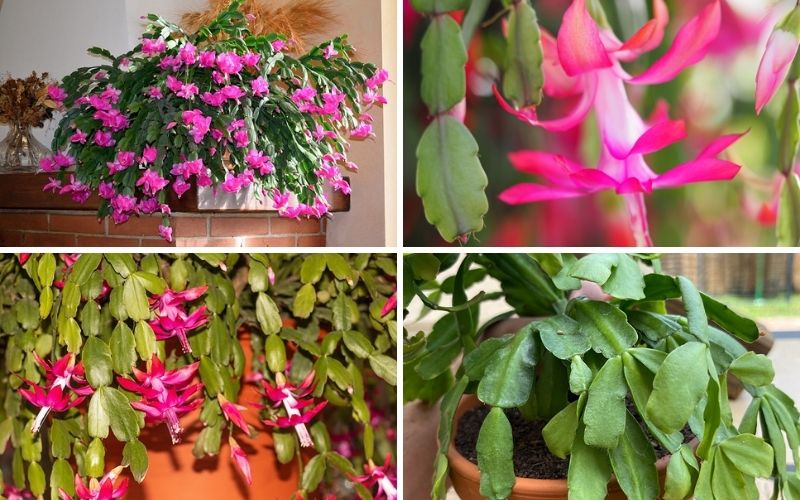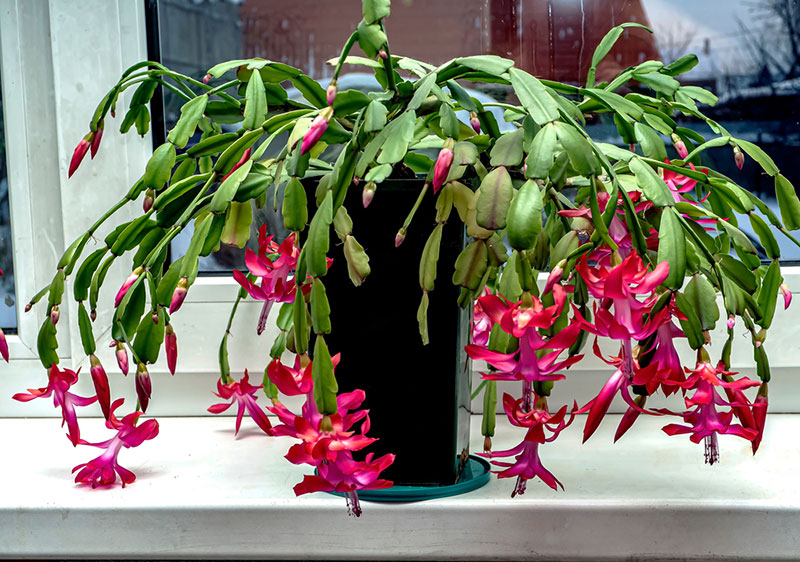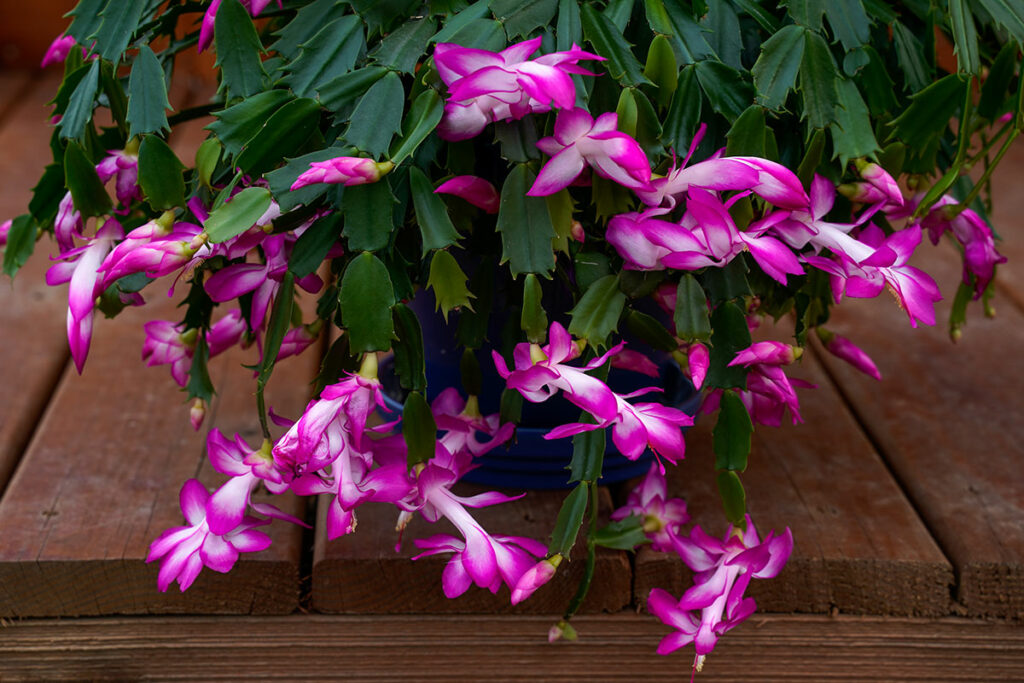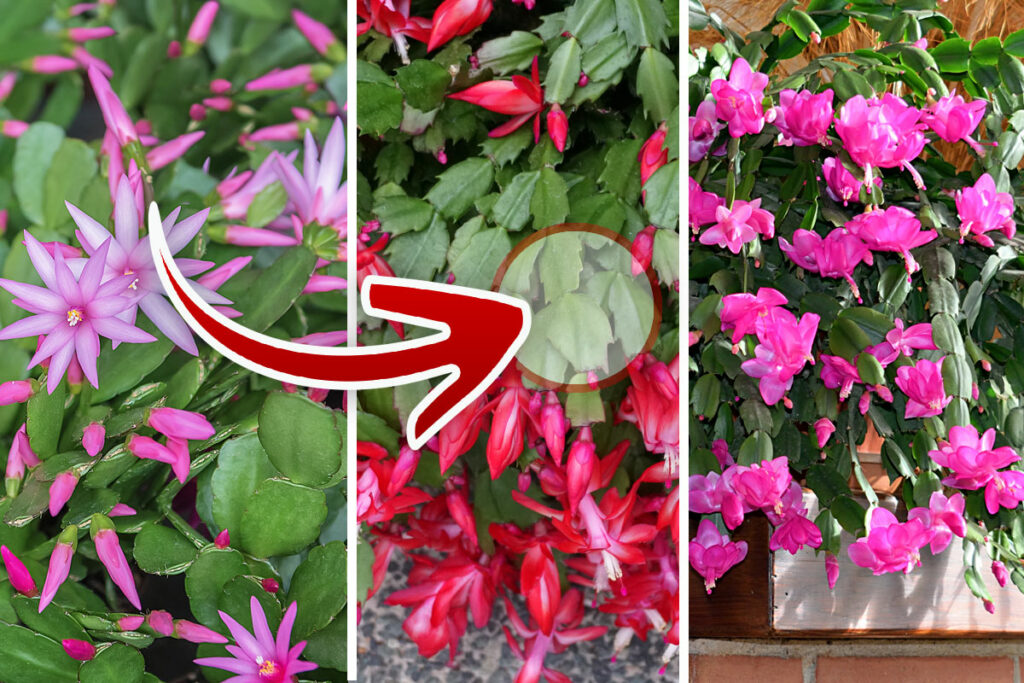
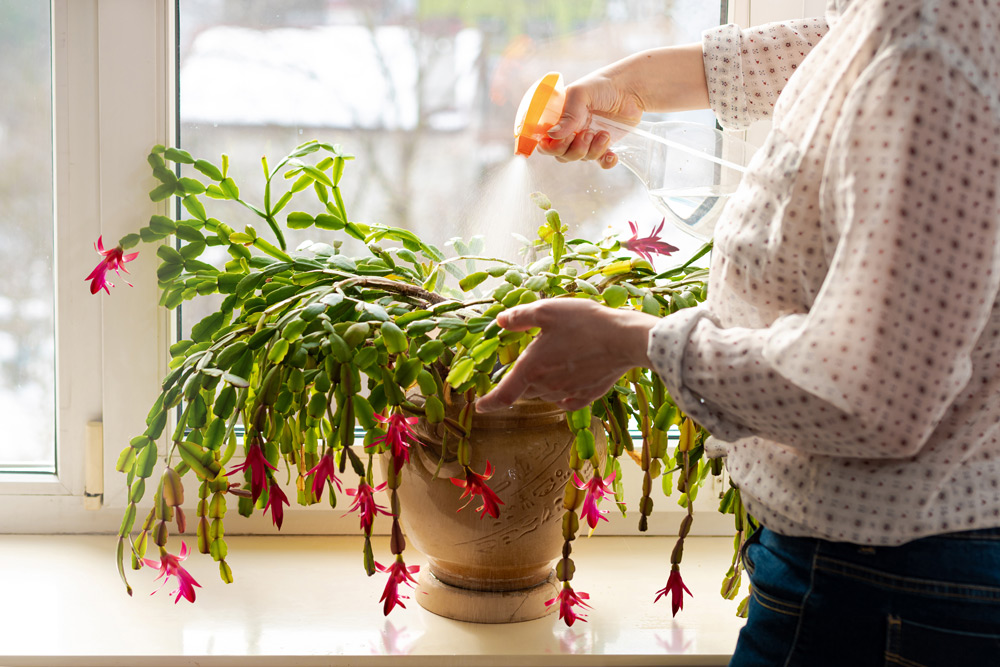
If you’ve ever owned a Christmas cactus that looked healthy but refused to bloom, or dropped buds right before the holidays, you’re not alone. I’ve been there.
I had one for years that grew beautifully but only bloomed when it felt like it, and for a long time, I couldn’t figure out what I was doing wrong.
Here’s the thing: Christmas cactus is easy to grow, but it’s not a typical cactus.
Treating it like one is where most gardeners run into trouble.
Let’s walk through the five biggest mistakes I see gardeners make and what I want to encourage you to do instead.
1. Watering It Like a Desert Cactus
This is probably the most common mistake.
Because it has “cactus” in the name, many gardeners assume it needs very little water. But Christmas cactus is actually a tropical cactus, native to humid forests, not dry deserts.
If you underwater it, the fleshy leaves will start to look limp and shriveled. Overwater it, and you risk root rot.
What works better:
Water when the top inch of soil feels dry. I like to stick my finger right into the pot—simple and reliable. Make sure excess water drains out completely. These plants hate soggy soil, but they also don’t want to be bone dry for long periods.
2. Giving It Too Much Direct Sun
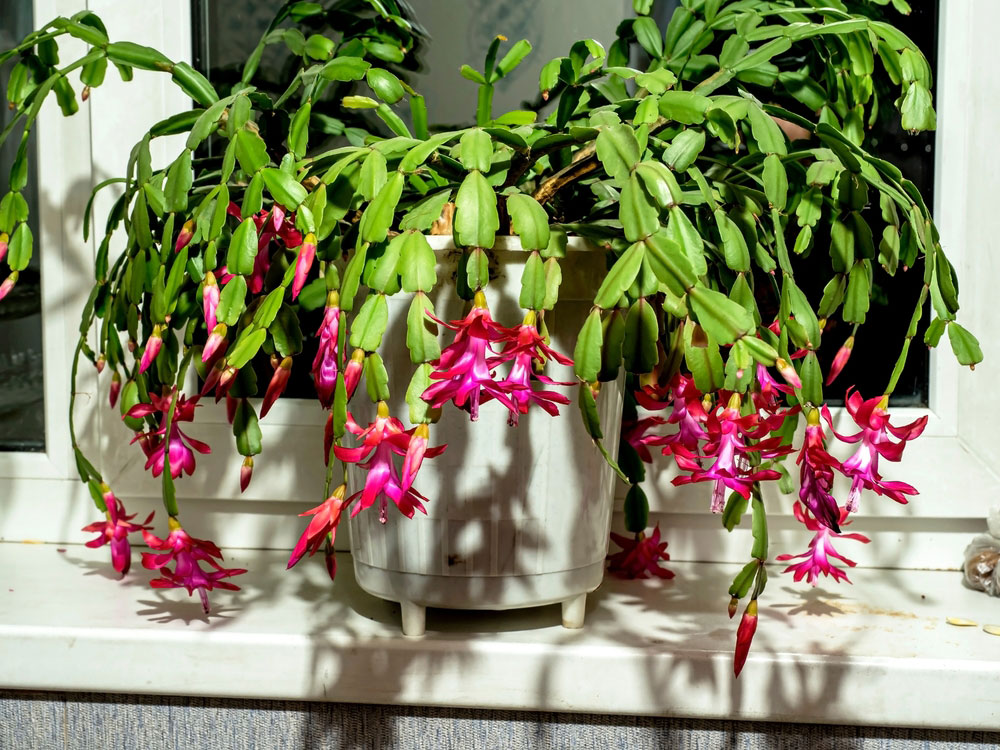
I’ve seen Christmas cactus baked on sunny windowsills more times than I can count. Too much direct sunlight can cause leaf scorch, faded color, and overall stress.
They thrive in bright, indirect light.
What works better:
An east-facing window is ideal. You’ll get gentle morning sun without the harsh afternoon rays. If your plant is near a bright south or west window, just pull it back a few feet or filter the light with a sheer curtain.
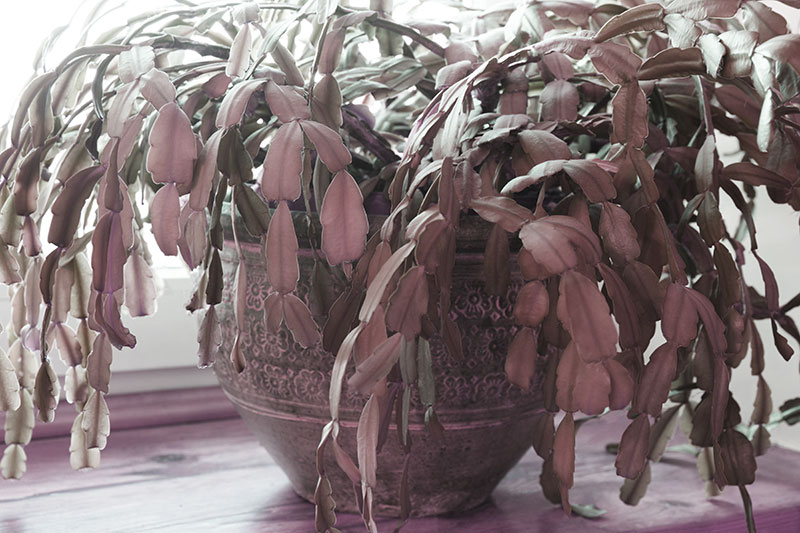
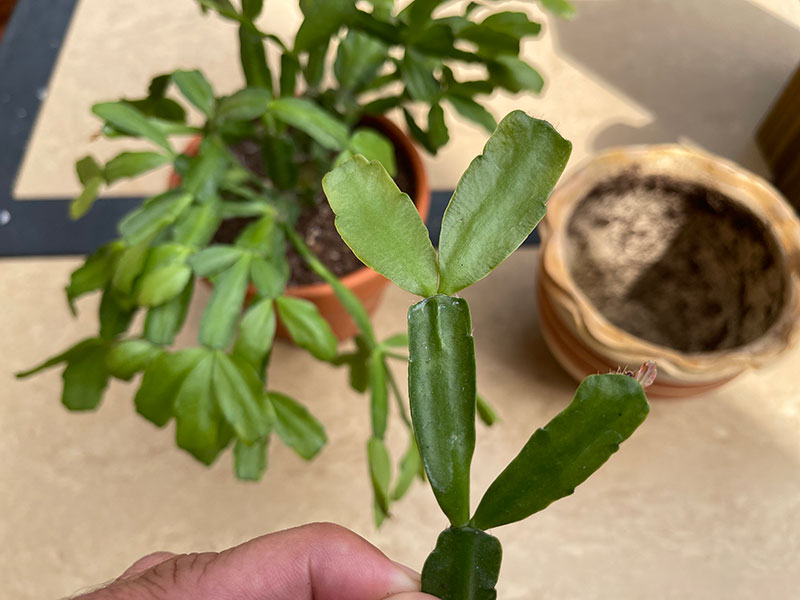
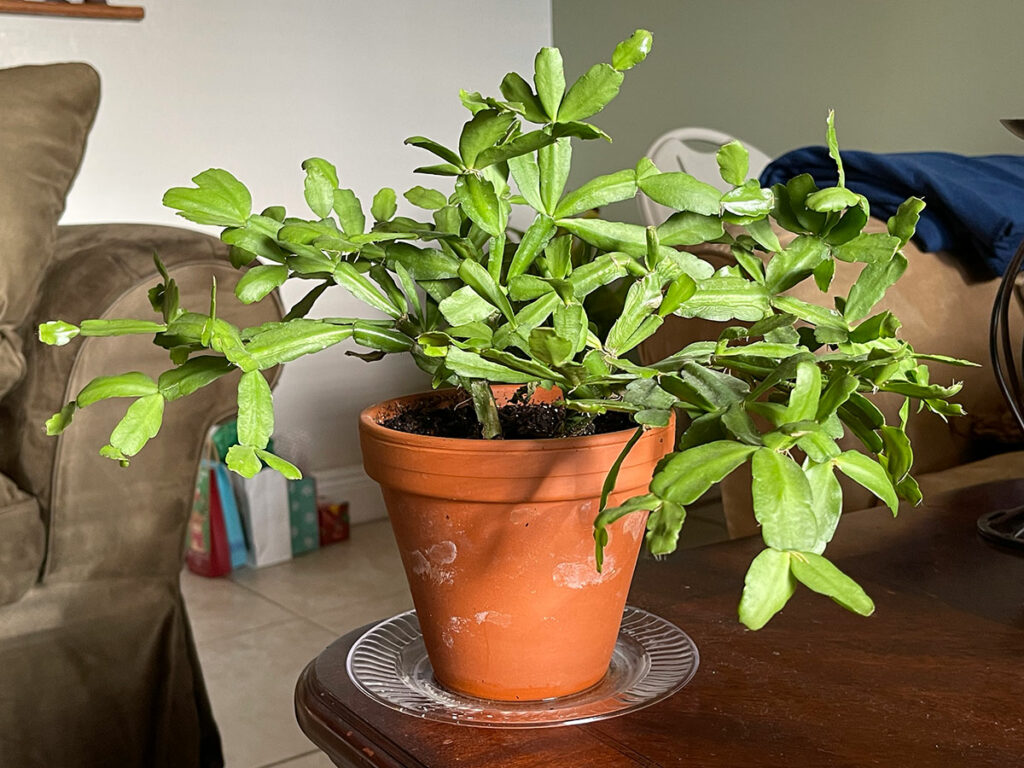
By the way, healthy Christmas cactus foliage should be glossy and rich green, not pale or reddish.
3. Missing the Bloom-Trigger Window
This one frustrates a lot of gardeners because everything else seems right.
Christmas cactus needs a specific signal to bloom: long nights and cooler temperatures. If your plant is exposed to lamps, TVs, or overhead lights at night in fall, it may never set buds.
What works better:
Starting in early fall, give your plant 12–14 hours of complete darkness each night for about 6–8 weeks. I literally cover mine with a box after dinner. It doesn’t have to be fancy, just consistent.
Cooler nighttime temps (around 50–65°F) help too. Once buds appear, stop covering it and enjoy the show.
4. Repotting Too Often
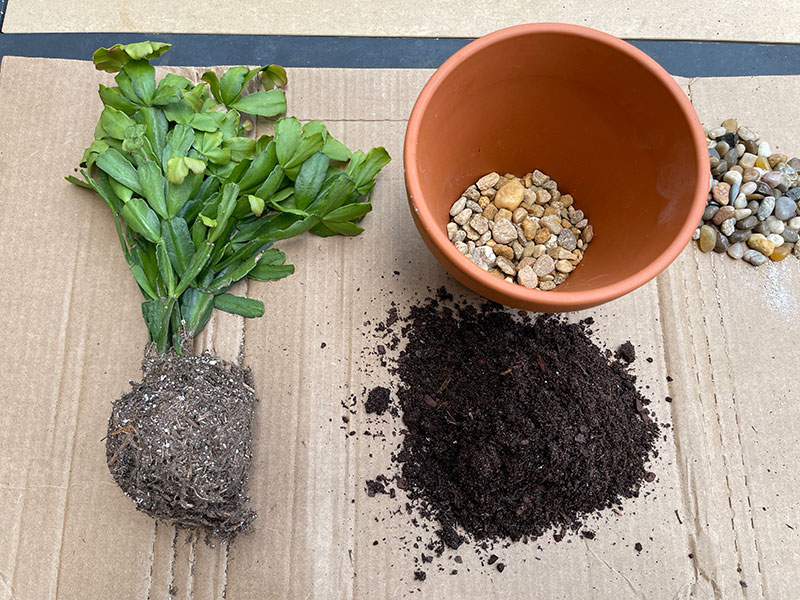
I want to encourage you to resist the urge to repot every year.
Christmas cactus actually blooms better when slightly root-bound. Frequent repotting encourages leaf growth at the expense of flowers.
What works better:
Repot only every 2–3 years, and only go up one pot size. If your plant is in a 6″ grow pot, move it to an 8″ pot and not bigger. Use a light, well-draining mix designed for houseplants or succulents.
5. Moving the Plant Once Buds Appear
This is the heartbreak moment.
You see buds forming, get excited, move the plant to a prettier spot… and suddenly the buds fall off.
Christmas cactus hates change once it’s budding.
What works better:
Once buds appear, leave the plant exactly where it is. Same light, same temperature, same routine. Even rotating the pot can cause bud drop.
I know it’s tempting, but hands off is the best approach here.
Christmas Cactus Quick Care Checklist
✔️ Light: Bright, indirect light (east-facing windows are ideal)
✔️ Water: Water when the top 1″-2″ of soil is dry – never let it sit in soggy soil
✔️ Soil: Well-draining potting mix (succulent blend works well)
✔️ Temperature: Prefers 60–70°F; cooler nights (50–65°F) help trigger blooms
✔️ Bloom Prep: 12-14 hours of complete darkness nightly for 6–8 weeks in fall
✔️ Repotting: Every 2-3 years only, and just one pot size up
✔️ While Budding: Don’t move, rotate, or change its environment
✔️ Bonus Tip: Slightly root-bound plants often bloom better 🌸