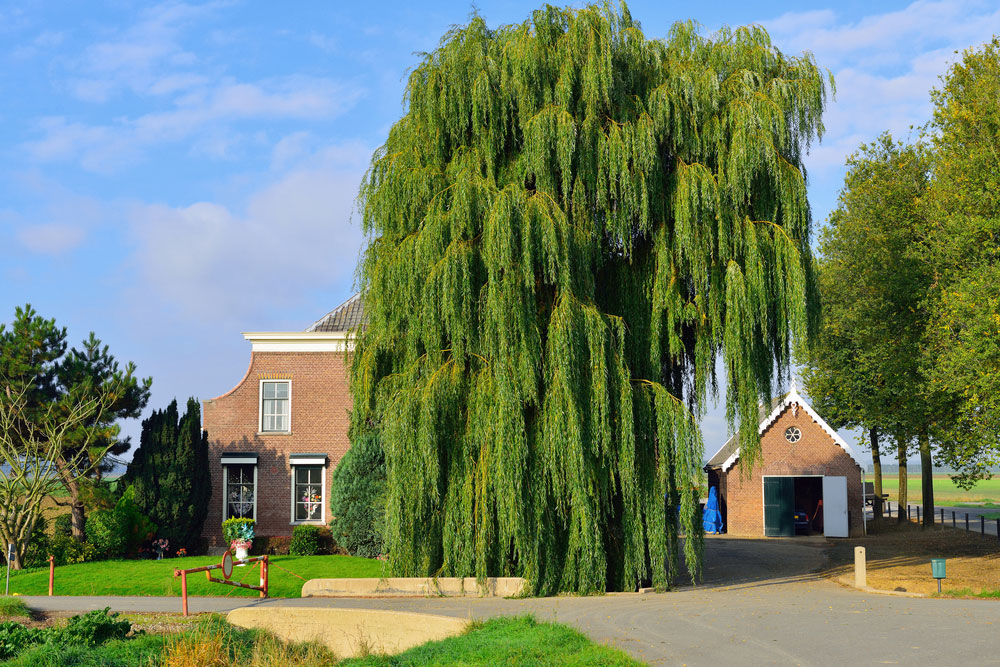
I’ll admit it… I used to think, “It’s just a tree. How much trouble can it really cause?”
Turns out… quite a bit.
In Texas especially, the wrong tree planted too close to your home can lead to cracked driveways, lifted sidewalks, clogged pipes, and even foundation issues over time.
And with our clay soil, heat, and occasional drought? Those problems can show up faster than you’d expect.
So which trees are actually risky?
And more importantly… are any of them already growing in your yard?
Read on to find out.
🌳 Trees Texans Still Plant (That Can Cause Big Problems Later)
These are the ones people intentionally plant… and often regret later.
1. Bradford Pear (Callery Pear)
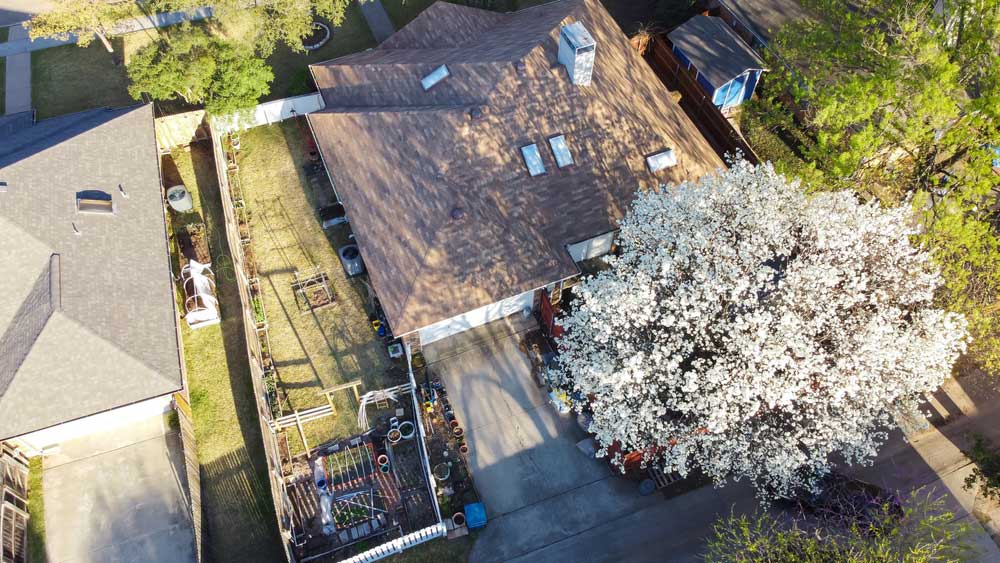
Pretty in bloom. Not so pretty after a storm.
I’ll be honest – I understand the appeal. Those white spring blossoms are genuinely lovely. But underneath that beauty is a tree with a serious structural problem.
The branch angles are so narrow that wind and ice storms can split them right down the middle. Add in the fact that they spread aggressively into natural areas, and… well.
Fast growth often comes with a price.
Note to self: a pretty bloom in April doesn’t always make a good neighbor in July.
2. Sweetgum
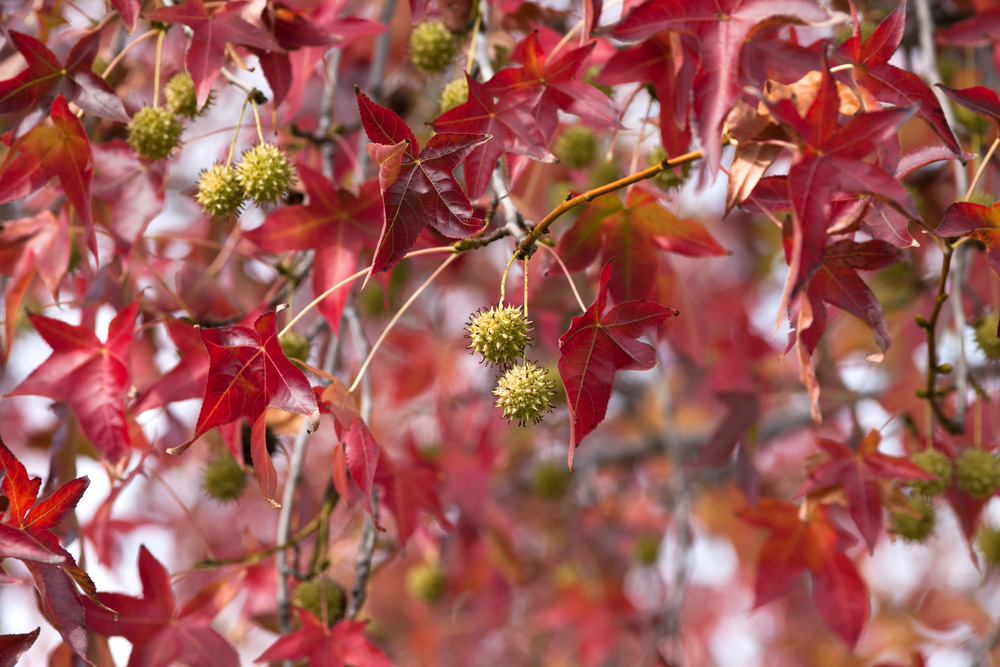
If you know, you know.
Those spiky little seed balls – called gumballs – drop everywhere. Lawns, driveways, walkways. I once watched a neighbor slip on a patch of them like something out of a cartoon. And the roots tend to stay near the surface, quietly lifting pavement over time while you’re not paying attention.
Great shade tree. Just not right next to your house, patio, or anywhere humans walk barefoot.
3. Weeping Willow
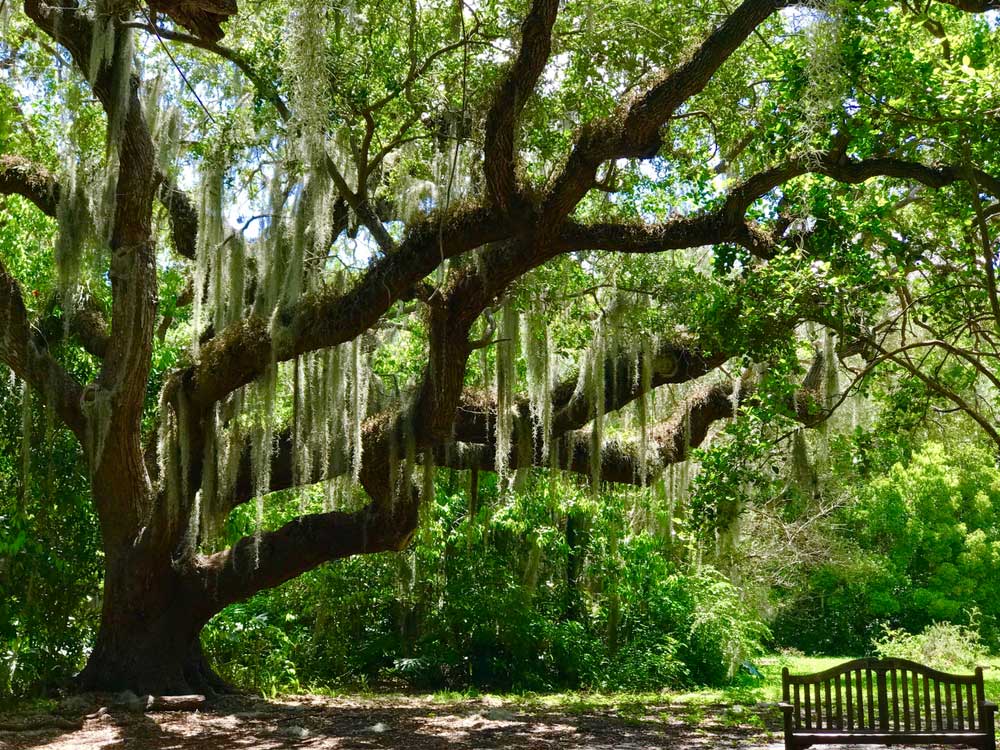
I get the appeal. They’re genuinely beautiful – those long, sweeping branches are the stuff of poetry.
But underneath all that elegance? Aggressive roots that actively seek out water. And when they find your sewer line or underground pipes… well. They’re not polite about it. Plant one too close to your home and it may go looking for trouble whether you want it to or not.
4. Silver Maple
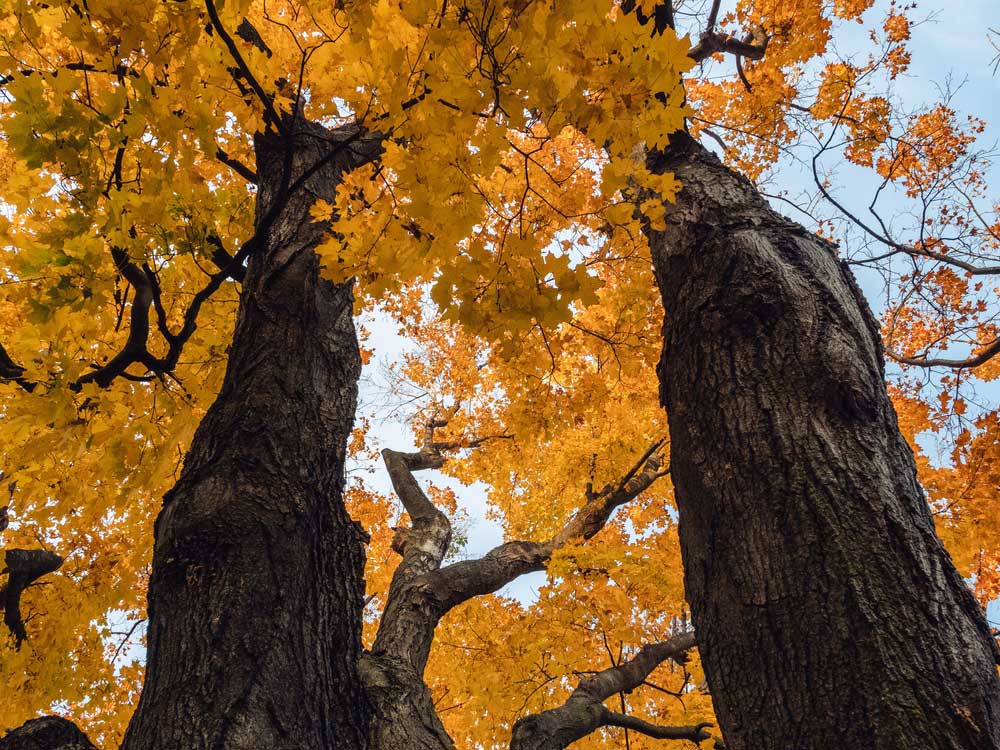
Fast-growing shade sounds like a dream… until it isn’t.
Silver maples grow quickly, yes. But they don’t age gracefully. The wood is weak, storms can take big limbs without much warning, and those surface roots have a talent for lifting sidewalks and driveways in ways that are genuinely impressive and genuinely expensive to fix.
5. Cottonwood
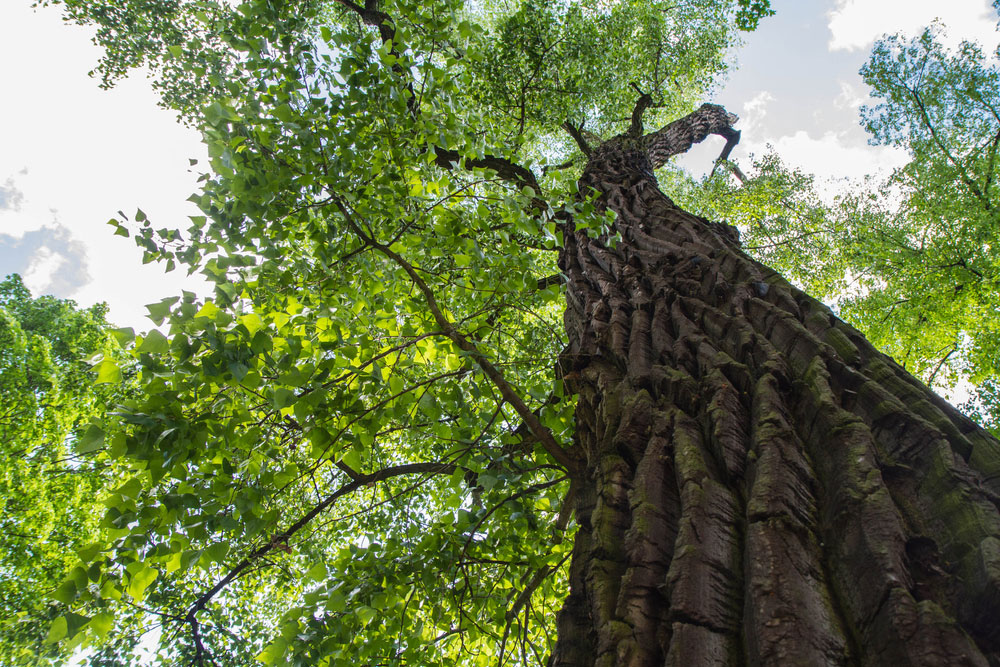
This is a tree that belongs in wide open spaces. Not ten feet from your house.
The root systems are massive, the wood is brittle, and the growth is fast. And yes – that fluffy white “cotton” gets absolutely everywhere from late spring into summer.
I have friends who’ve described it as a snow globe that won’t stop.
🌿 Trees That Sneak Into Texas Yards (And Cause Even Bigger Headaches)
Now these… you might not have planted at all. They just show up. And they are committed to staying.
6. Chinese Tallow
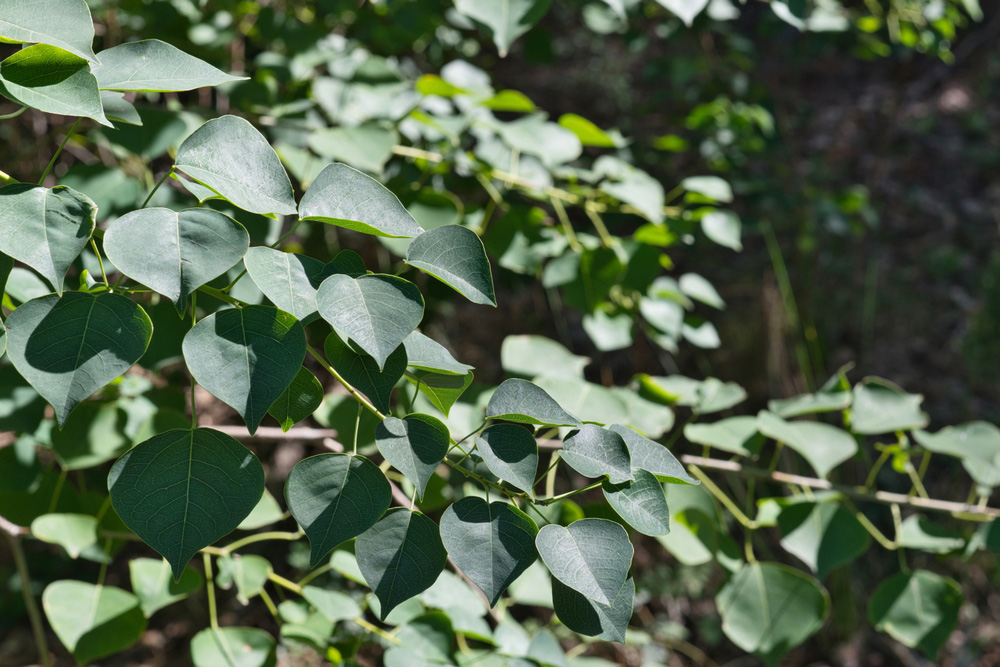
You’ll recognize it by the beautiful fall color – reds, oranges, yellows. It’s genuinely one of the prettier trees in a Texas autumn, which is probably why it spreads so successfully across the state.
But don’t let that fool you. Chinese tallow is considered invasive across Texas, spreads aggressively, and has a way of quietly taking over a landscape before you’ve noticed what’s happening.
7. Chinaberry
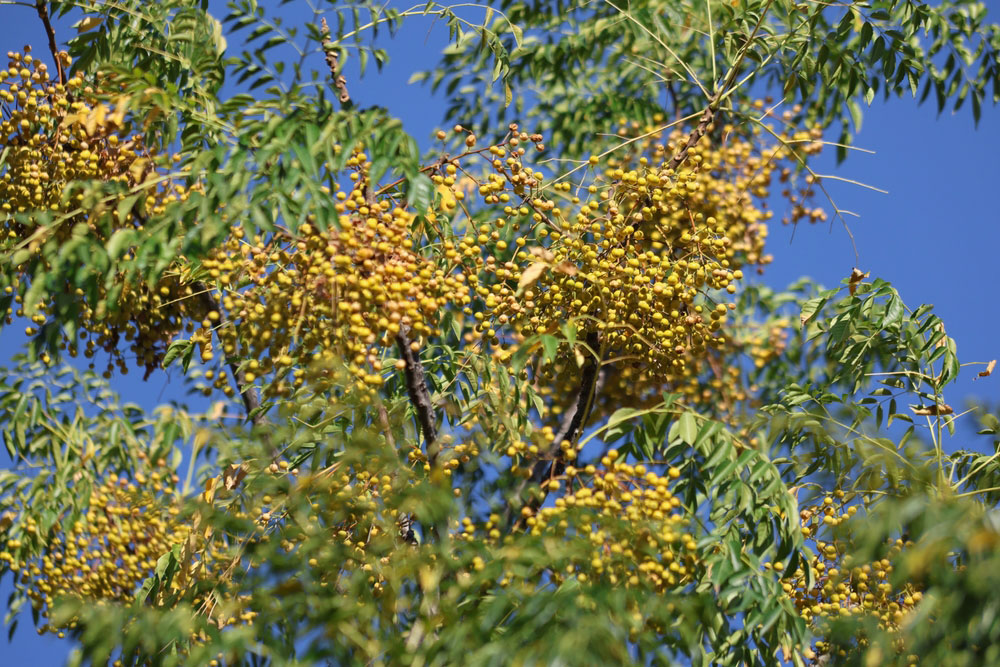
This one tends to pop up near older homes, often uninvited. It grows fast, which sounds nice in theory – but it comes with weak structure, messy berries that are toxic to humans and pets, and constant seedlings popping up in places you didn’t ask for them.
It’s one of those “it was already here when we moved in” trees… that you eventually wish wasn’t.
8. Mimosa (Silk Tree)
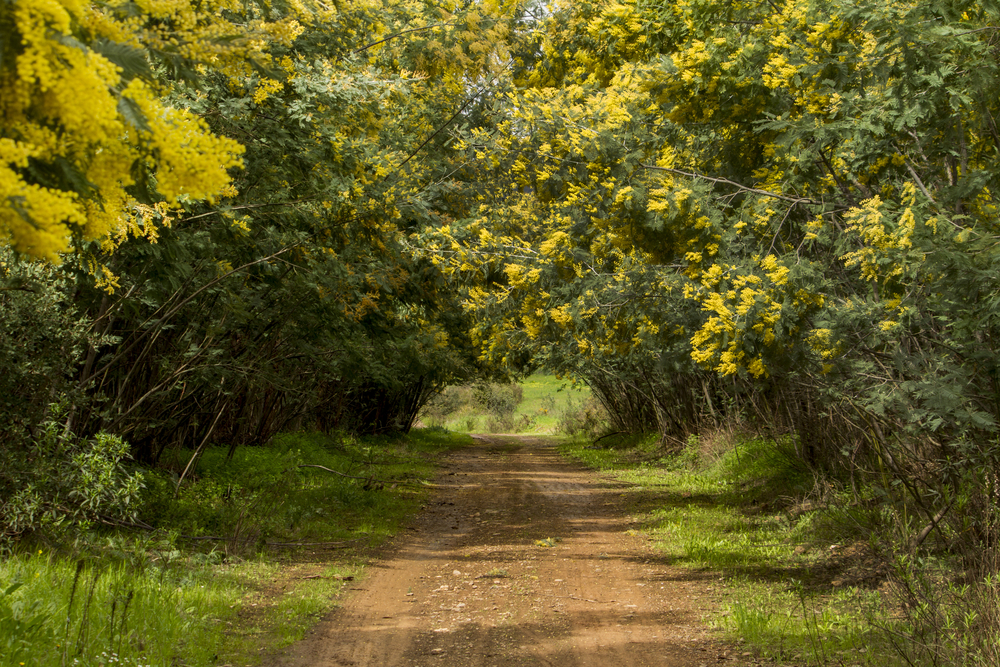
Those pink, feathery flowers are genuinely hard to ignore. Every summer I watch people stop to admire them.
But mimosa trees are short-lived, brittle, and will reseed themselves into every corner of your yard if given the chance. I’ve seen them pop up in places absolutely no one planted them – which tells you everything you need to know about how enthusiastically they spread.
9. Hackberry
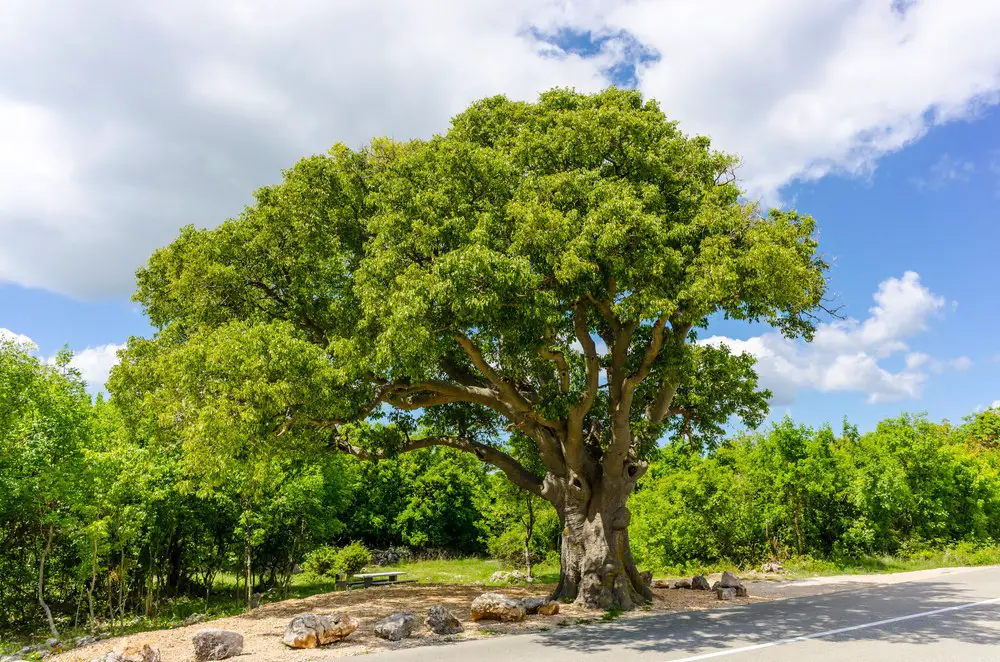
This one might surprise you, because hackberry is actually very common in Texas yards – and not always by choice.
Close to your house, though? Not ideal. It tends to grow quickly and unevenly, develop weak limbs, and attract certain pests that you’d rather not encourage. It’s a classic “volunteer tree” that quietly becomes a problem while you’re busy tending to everything else.
10. Arizona Ash
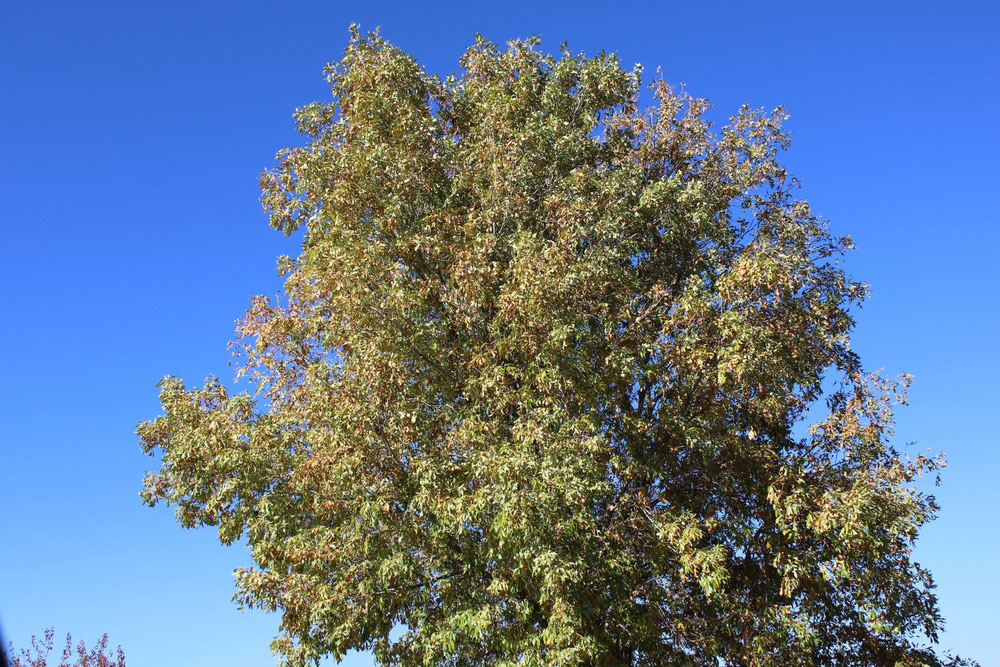
This tree used to be planted everywhere across Texas for quick shade, and you can still spot them in older neighborhoods.
Now? Not so much. The lifespan is short, it breaks easily in storms, and it can outgrow its space faster than you’d expect. It’s one of those trees that looks great in the first few years… then declines quickly and leaves you with a large, unhappy problem to deal with.
🌱 So… How Far Should You Plant Trees From Your House?
Good question — and one more people should ask before planting rather than after.
A simple rule most gardeners follow:
- Small trees: at least 10-15 feet away
- Medium trees: 15-20 feet
- Large trees: 20+ feet (and often more)
Here’s the part that surprises people: roots can extend well beyond the canopy. Sometimes much farther. A tree that looks perfectly placed from above ground may be quietly exploring your foundation from below.
🌿 Final Thoughts
Not every tree on this list is “bad.” Some are actually wonderful trees… in the right place, with the right amount of space.
But too close to your house? That’s where the real trouble starts.
If you already have one of these growing nearby, don’t panic. Just keep an eye on root spread, cracks appearing in hardscaping, and any leaning or weak branches overhead.
And if you’re planning something new – give it more space than you think it needs.
Your future self (and your foundation) will thank you.