I’ll be honest with you. For years I’ve been side-eyeing those citronella candles at the garden center, thinking there had to be a better way. Something that actually belongs in a Texas garden. Something that pulls double duty, looking pretty while quietly annoying the mosquitoes that have been terrorizing my back porch since approximately May.
So I did what any curious gardener would do. I dug into the research, consulted some plant experts, and took a hard look at what’s actually growing in Texas soil that might help.
Here’s what I found out, along with a few things that surprised me.
But first, a quick reality check.
These plants are not magic. They will not create an invisible force field around your yard. (I know. I was disappointed too.)
What they can do is release oils and scents that mosquitoes find unpleasant, especially when you brush against them, crush the leaves, or plant them strategically near the spots where you actually sit.
Think of them as part of a smart, layered approach rather than a silver bullet.
Okay. Now let’s get into the good stuff.
1. Horsemint (Monarda punctata)
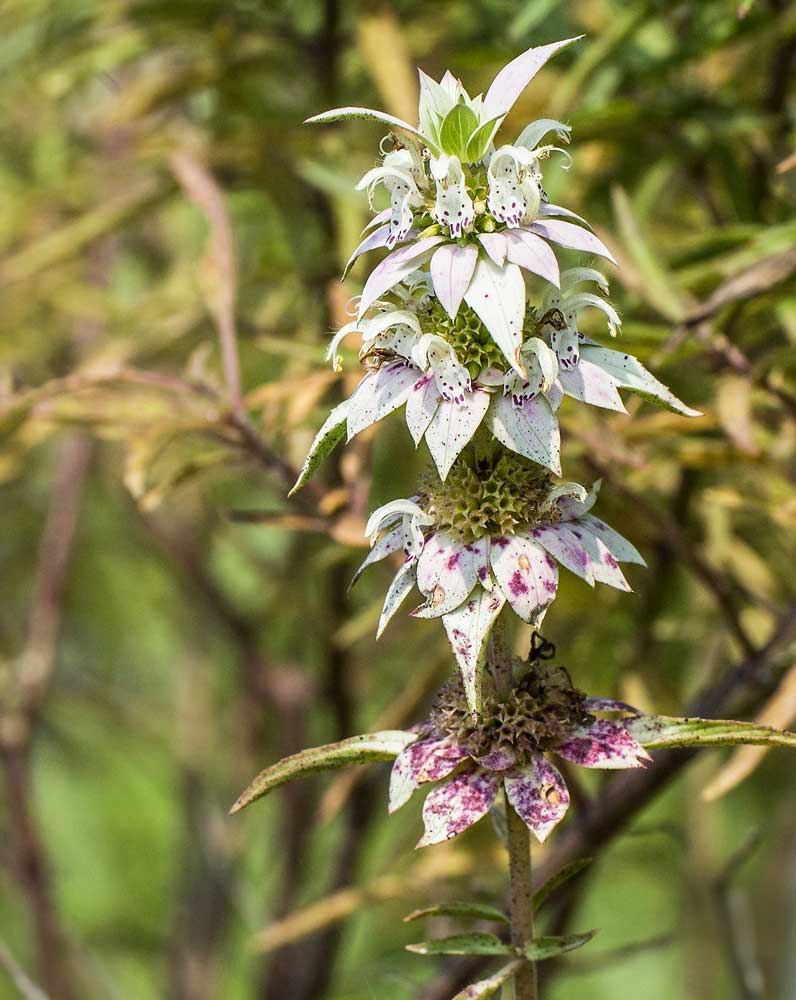
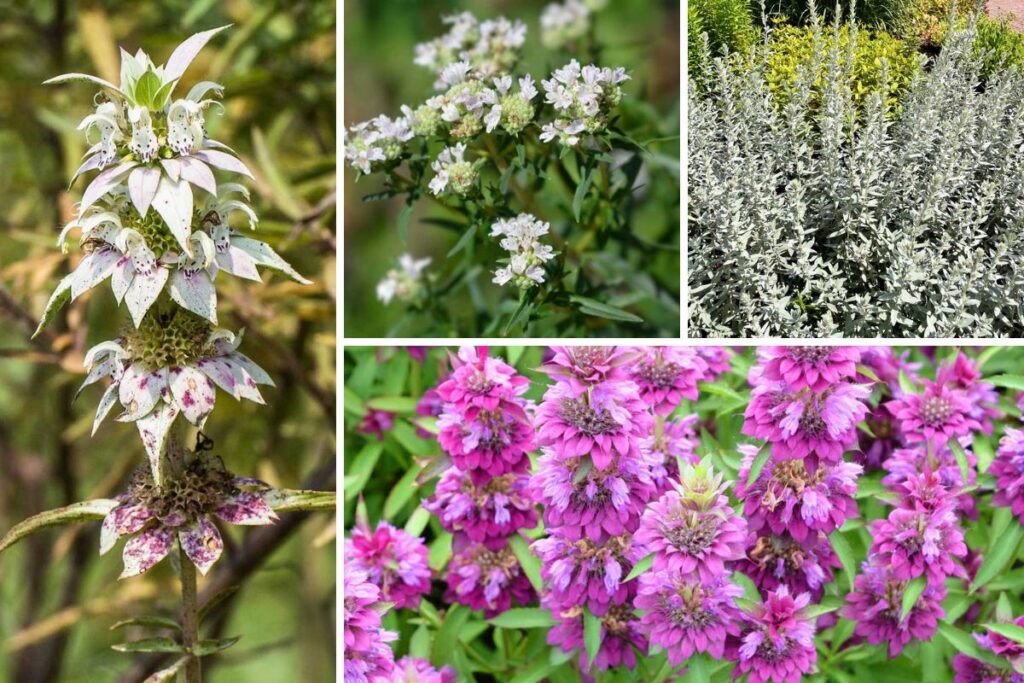
If I had to pick one plant for this list that earns its spot ten times over, it would be this one. Horsemint is native across Texas, it blooms in beautiful lavender and yellow, and it contains thymol, a naturally occurring compound that research has shown can actually repel mosquitoes when the oils are released.
Pro move: Plant it near your patio and give the leaves a little crush before you sit down for the evening. The scent is strong and earthy in the best possible way.
Note to self: This one reseeds freely. Give it room to do its thing.
2. American Beautyberry (Callicarpa americana)
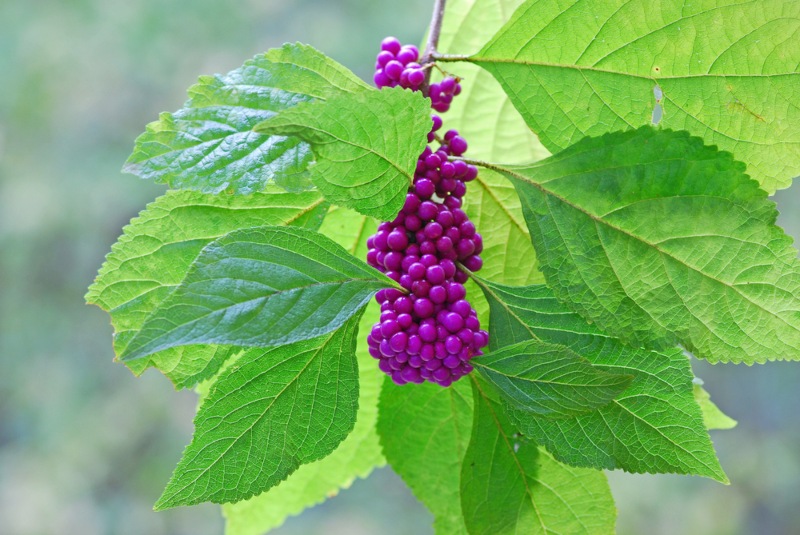
This is the plant that made me feel like my grandmother knew things scientists were just catching up to. American Beautyberry has been used as an old-school insect repellent for generations in the South, and it turns out there is legitimate science behind it.
The leaves contain compounds that have been shown to deter mosquitoes, including one that researchers at the USDA actually studied specifically for repellent properties.
The berries turn a stunning magenta-purple in fall, so you get the bonus of one of the most dramatic shrubs in the Texas landscape.
Pro move: Crush a few leaves and rub them on exposed skin when you’re working outside. It’s not glamorous, but it works.
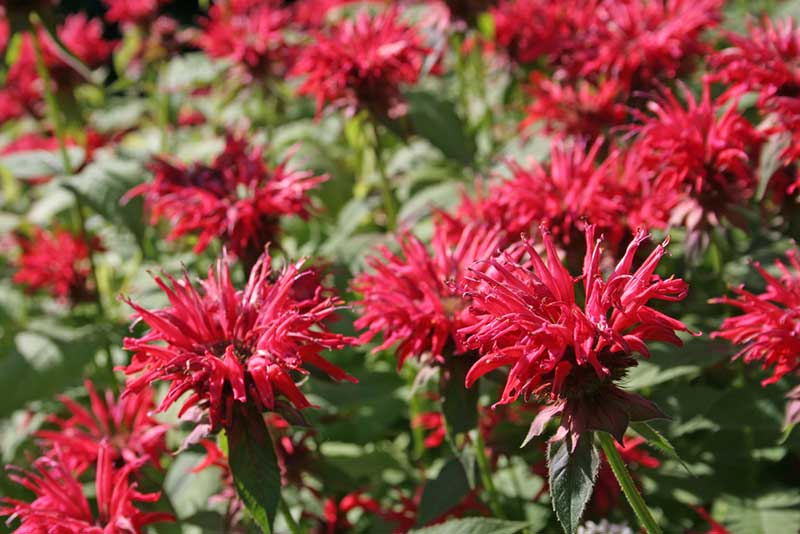
3. Lemon Beebalm (Monarda citriodora)
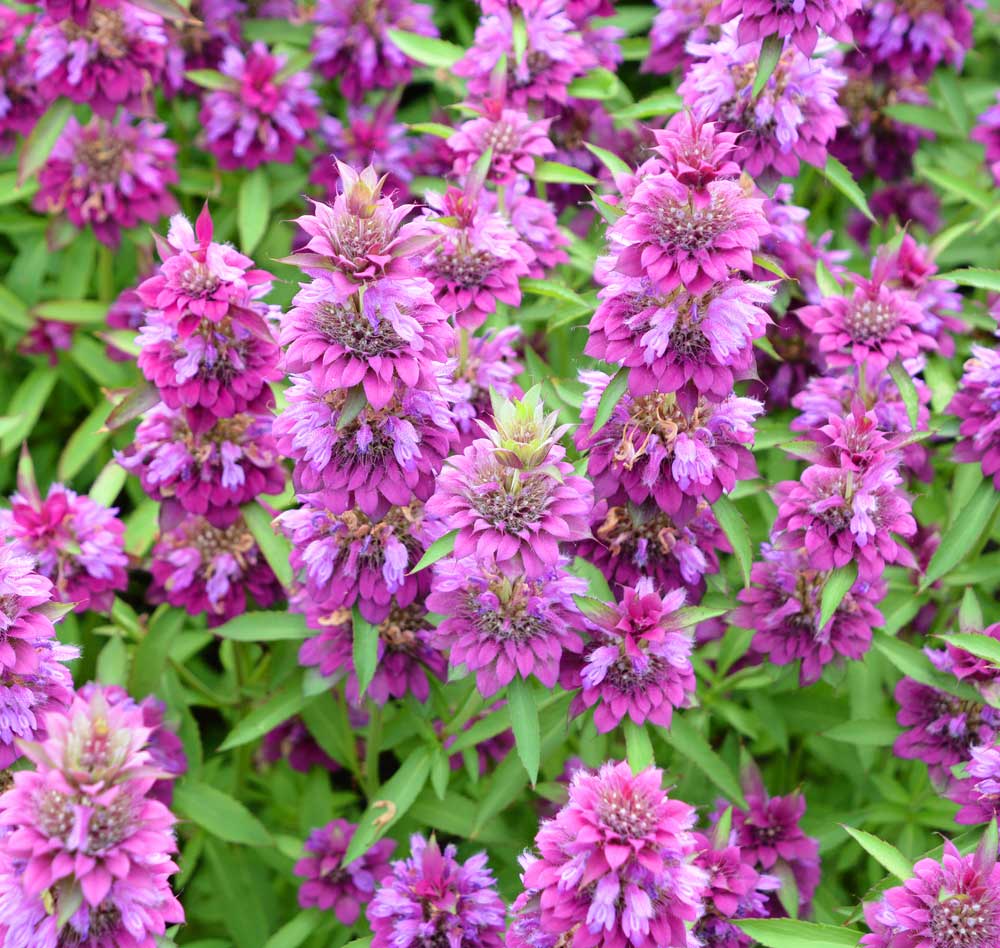
A native Texas wildflower with a citrus scent so strong it almost fools you into thinking you’re standing next to a lemon tree. That citrus quality comes from compounds similar to those found in citronella, which is basically the poster child of natural mosquito repellents.
Lemon Beebalm is easy to grow from seed, blooms in pretty pinkish-purple whorls, and absolutely loves the Texas heat. It’s one of those plants that makes you feel like you’re cheating somehow, because it asks for so little and gives so much.
Pro move: Plant it in clusters near outdoor seating. The more leaves moving in the breeze, the better.
4. Mountain Mint (Pycnanthemum spp.)
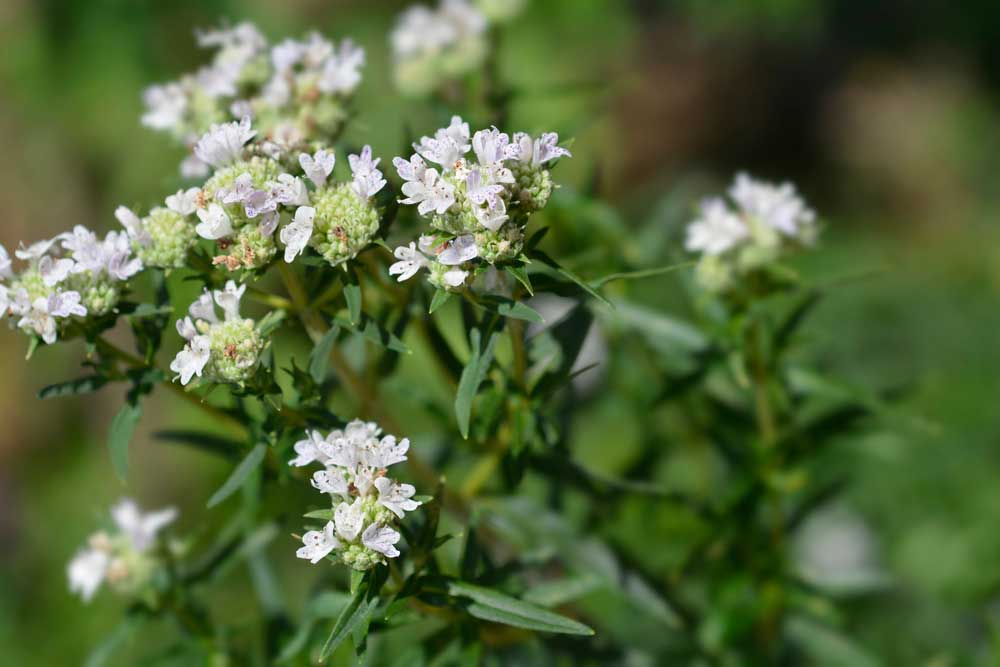
If you’ve ever walked past a patch of Mountain Mint and gotten hit with that sharp, clean wave of minty-herbal scent, you already understand why mosquitoes are not fans. The oils in this plant are potent, and the good news is that several species are native to parts of Texas.
It’s also a pollinator magnet, so while it’s busy deterring the insects you don’t want, it’s simultaneously rolling out the welcome mat for the ones you do.
Pro move: Plant it along pathways and walkways so the scent releases naturally as people brush past.
5. Prairie Sage (Artemisia ludoviciana)
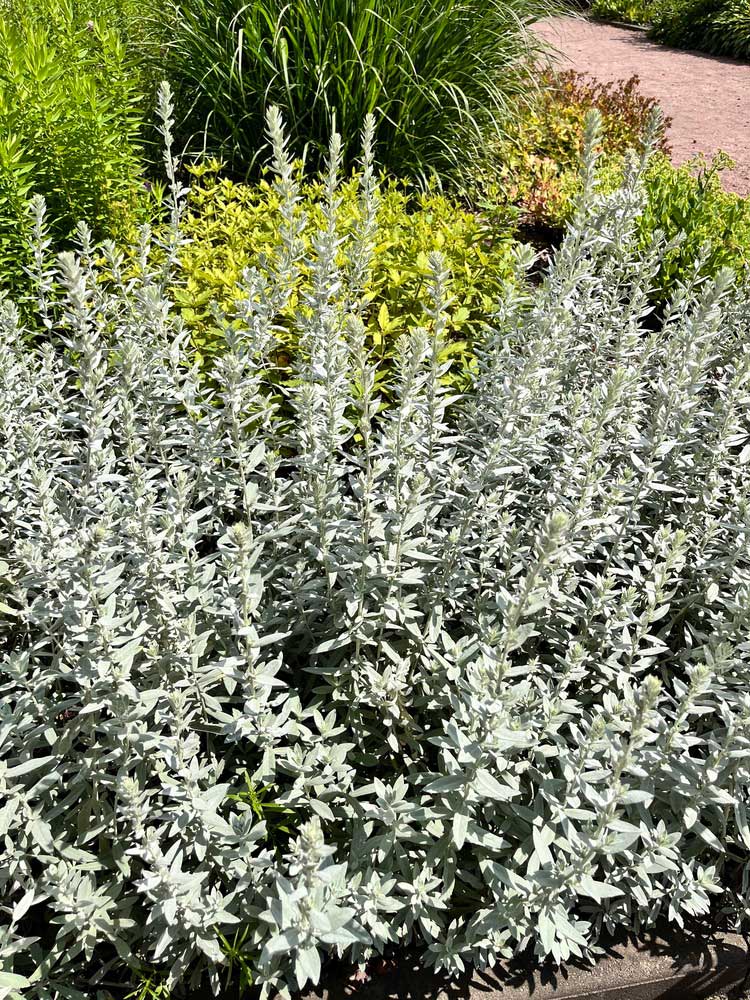
Oh, this one has a story. I have to warn you about something first because it tripped me up initially.
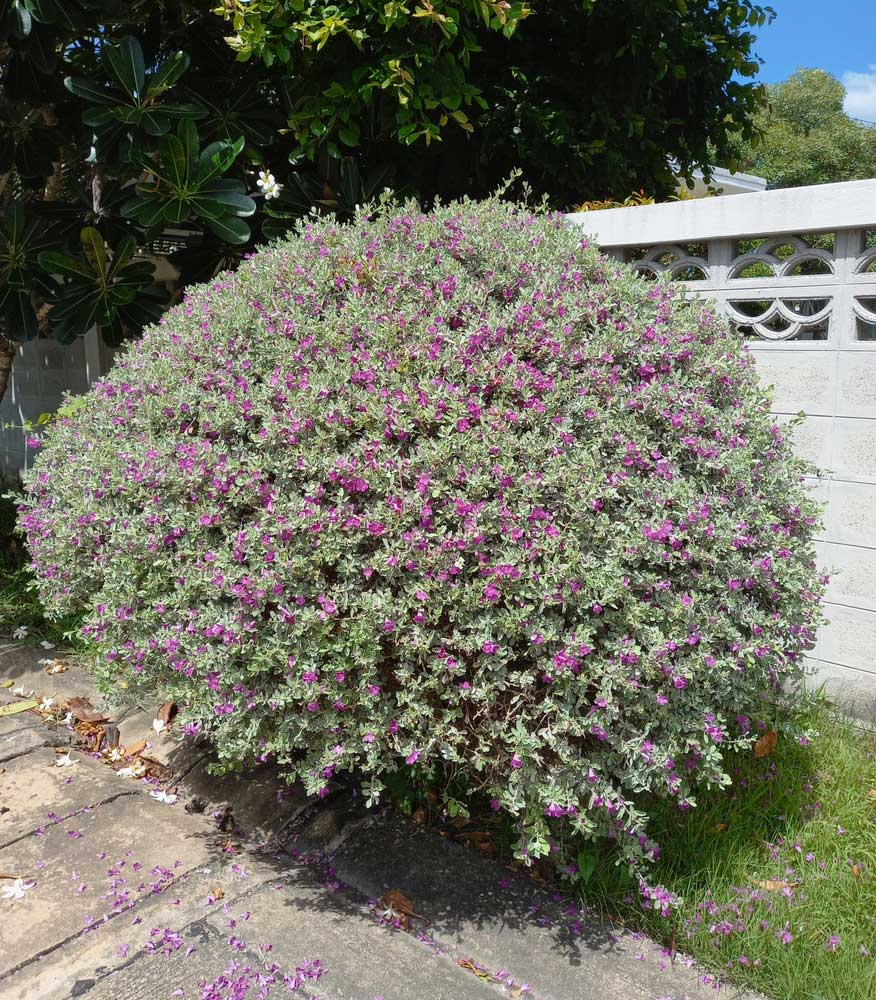
“Texas Sage,” the pretty purple-blooming shrub you see everywhere in Texas landscaping? Not actually a sage. Not actually related. And according to research I found, not particularly effective at repelling mosquitoes either. (So much for that assumption I’d been carrying around for years.)
Prairie Sage, on the other hand, is the real deal. It’s a true artemisia, native to Texas, with a strong herbal scent similar to sagebrush that mosquitoes genuinely dislike. The silvery foliage is gorgeous in the garden too.
Pro move: Crush a few leaves to release the oils. The scent is bold, so a little goes a long way.
6. Lemon Balm (Melissa officinalis)
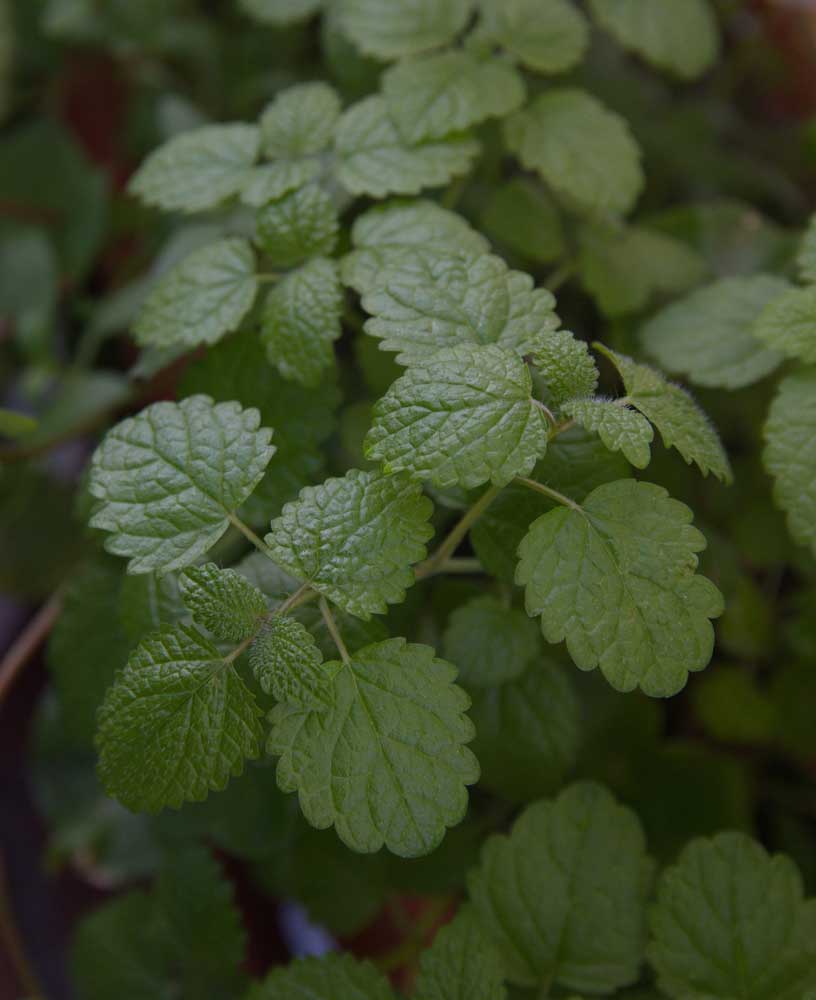
Technically a naturalized plant rather than a strict native, but it grows so happily in Texas that it’s earned its place on this list. Lemon Balm contains citronellal, which is the same compound that shows up in commercial mosquito repellents. It’s also incredibly easy to grow, which is either a blessing or a warning depending on how much garden real estate you have.
“It spreads,” my neighbor told me, in the flat tone of someone who has learned this the hard way.
Pro move: Grow it in containers so it stays where you want it. Problem solved, lesson learned vicariously.
7. Lemon Verbena (Aloysia citrodora)
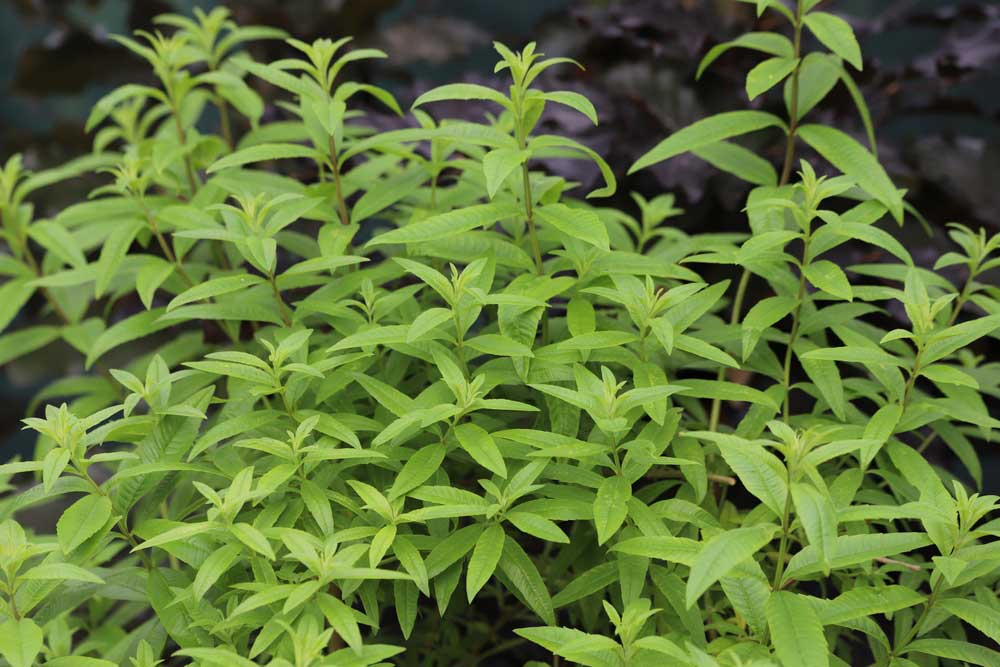
The scent from Lemon Verbena is almost aggressively citrusy in the best way, and that intense fragrance is exactly what makes it interesting from a mosquito-deterrent standpoint. The essential oils in the leaves contain compounds that research suggests have repellent properties.
It’s not strictly native to Texas, but it naturalizes well in the warmer parts of the state and has been grown in Texas gardens for generations. It also makes an excellent herbal tea, which feels like a bonus that has nothing to do with mosquitoes but everything to do with making the garden more enjoyable.
Pro move: Place pots near doorways and seating areas, and give the leaves a gentle pinch when you head outside.
8. Gregg’s Mistflower (Conoclinium greggii)
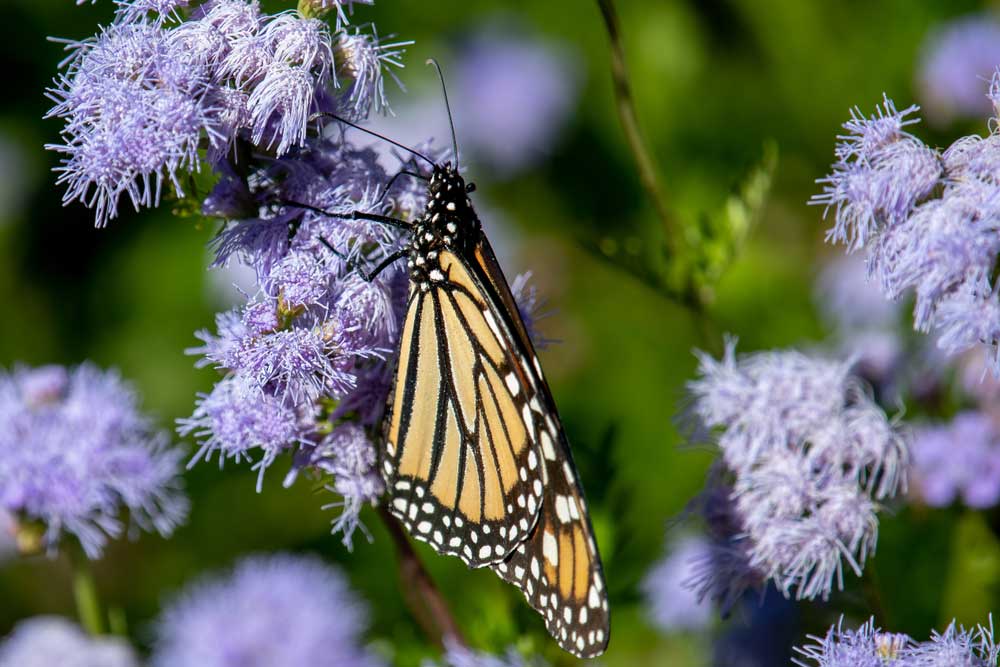
Here’s one that does double and triple duty. Gregg’s Mistflower is a native Texas perennial with a strong enough scent to deter some insects, but its real superpower is that it attracts an almost embarrassing number of butterflies and beneficial insects. So while you’re working on discouraging the mosquitoes, you’re simultaneously building a little pollinator paradise.
It blooms in fluffy clusters of lavender-blue in late summer and fall, right when you’re most desperate for something pretty after the Texas heat has had its way with everything else.
Pro move: Plant it in the back of a border where it can sprawl a little. It rewards the casual approach.
9. Inland Sea Oats (Chasmanthium latifolium)
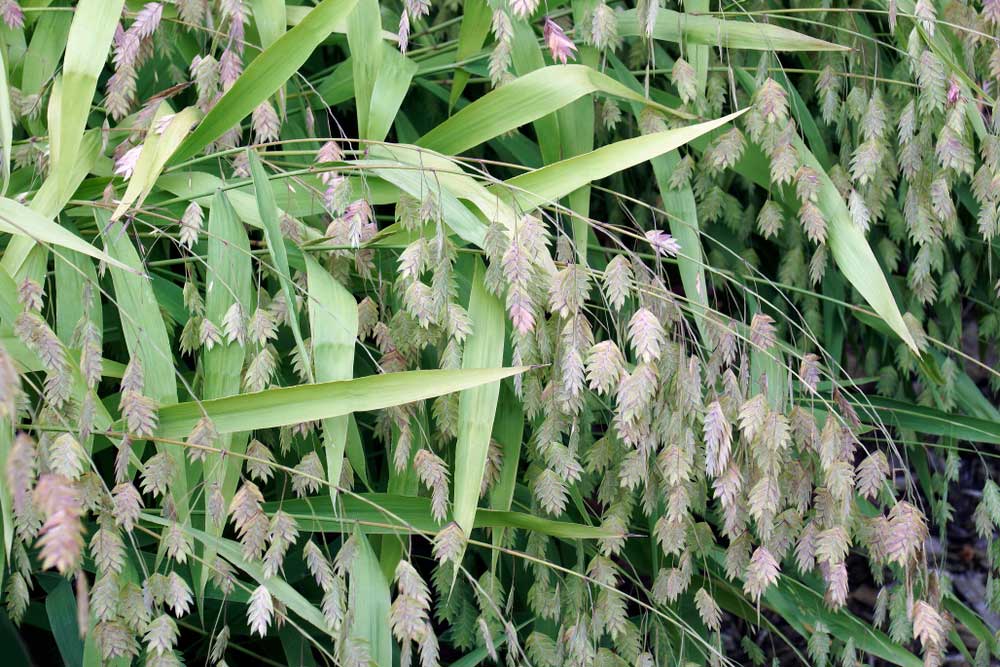
This one works a little differently than the others. Inland Sea Oats won’t repel mosquitoes through scent or oils. What it does is help reduce mosquito habitat by improving drainage and reducing the pockets of moisture that mosquitoes love for breeding.
Eliminating standing water is honestly the single most effective thing you can do in a Texas yard to reduce the mosquito population, and plants that help manage moisture and drainage are part of that strategy. Consider Inland Sea Oats part of the supporting cast rather than the lead.
The drooping, flat seed heads are genuinely beautiful in fall and winter too, especially when they catch the light in the late afternoon.
10. Rosemary (Rosmarinus officinalis)
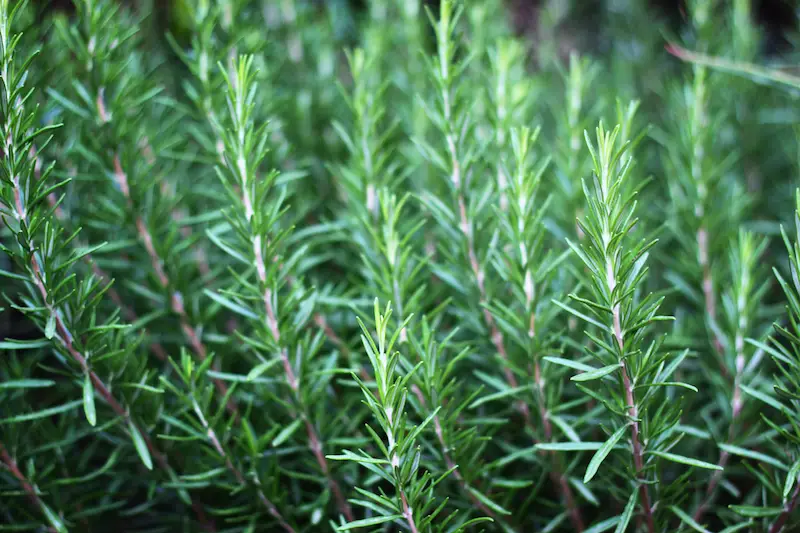
Rosemary is not strictly native, but it thrives in Texas like it was born here, and the evidence for its mosquito-deterring properties is strong enough that it absolutely belongs on this list. The woody, aromatic oils that make it such a beloved culinary herb are the same compounds that mosquitoes find so unpleasant.
It’s also one of the most low-maintenance plants you can grow in Texas heat. It practically dares you to neglect it.
Pro move: Toss a few fresh sprigs on the grill while you’re cooking outside. You’ll deter mosquitoes and flavor your food at the same time, which feels like a genuine win.
How to Actually Make This Work
Here’s what I want you to take away from all of this, because I think the framing matters.
These plants work best when you use them as part of a layered strategy, not a single solution.
That means planting multiple varieties near the places you actually spend time. It means brushing or crushing leaves to release the oils rather than just hoping the plants are doing something from ten feet away.
And it means pairing your plant selections with the most important step of all: eliminating standing water anywhere it collects in your yard.
Mosquitoes need only a bottle cap’s worth of standing water to breed.
Bird baths, saucers under pots, clogged gutters, low spots in the lawn… all of it is an invitation. No plant on earth will fully compensate for standing water nearby.
But combined with good drainage habits and a few well-placed native plants? You’ve got a strategy that’s actually working with your Texas landscape instead of against it.
And honestly? A porch full of horsemint, beautyberry, and rosemary sounds a lot better than a porch full of citronella candles anyway.
Don’t be mad if this doesn’t eliminate every mosquito. But give it a fair shot, and I think you’ll notice a difference.
Read More Texas Gardening Articles: