When the Texas thermometer starts climbing past 100°F, most garden plants wave their white flag in surrender.
But there’s a special league of perennials that don’t just survive our brutal summers – they actually thrive in them.
These heat-loving champions have evolved some impressive tricks to handle the scorching sun and bone-dry conditions.
As a Texas gardener who’s weathered countless summer heat waves, I’ve discovered these resilient perennials are the secret to maintaining a vibrant garden when even the weeds are wilting.
From native wildflowers to ornamental grasses, these plants prove that beautiful gardens can flourish in even the most challenging conditions.
1. Lantana
If you’re looking for a tough-as-nails plant that laughs in the face of Texas heat, lantana is your friend.
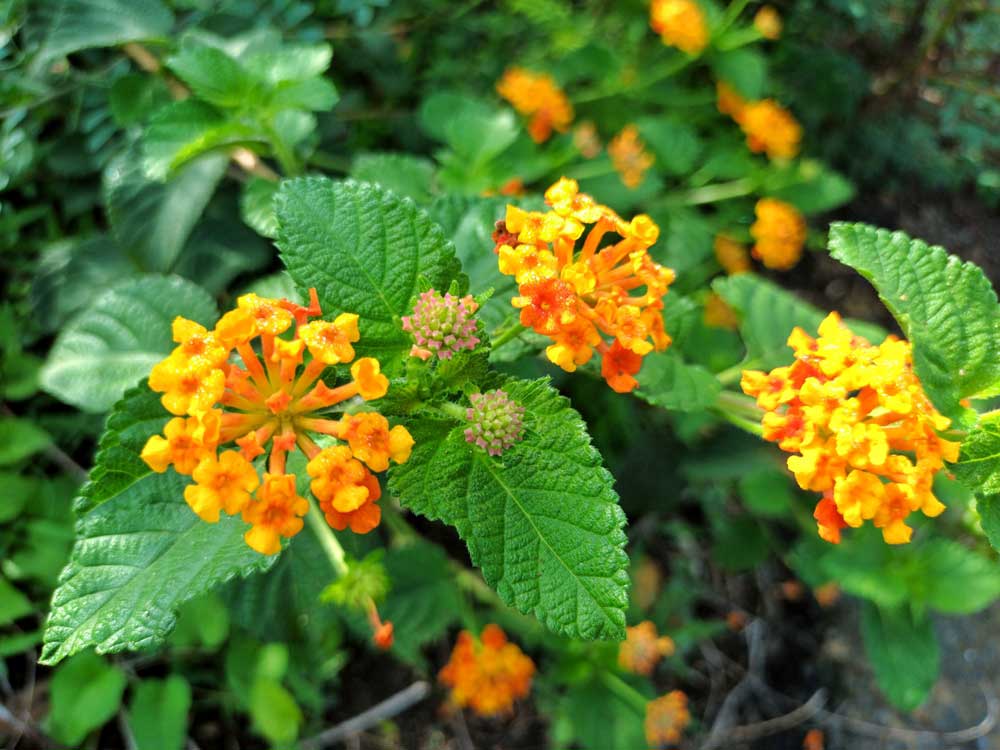
This low-growing shrub spreads 3-5 feet wide and reaches heights of 2-4 feet, creating a dense mat of color in your garden.
I’ve found that lantana really shines in full sun and doesn’t fuss about soil quality.
The flowers put on quite a show, with clusters mixing yellow, orange, red, pink, and lavender blooms from spring until the first fall frost.
What I love most about lantana is how it keeps flowering through the hottest summer days while attracting butterflies and hummingbirds to the garden.
Just remember – while it’s low maintenance, you’ll want to keep pets and kids from nibbling on it since it can be toxic if eaten.
2. Texas Sage (Leucophyllum frutescens)
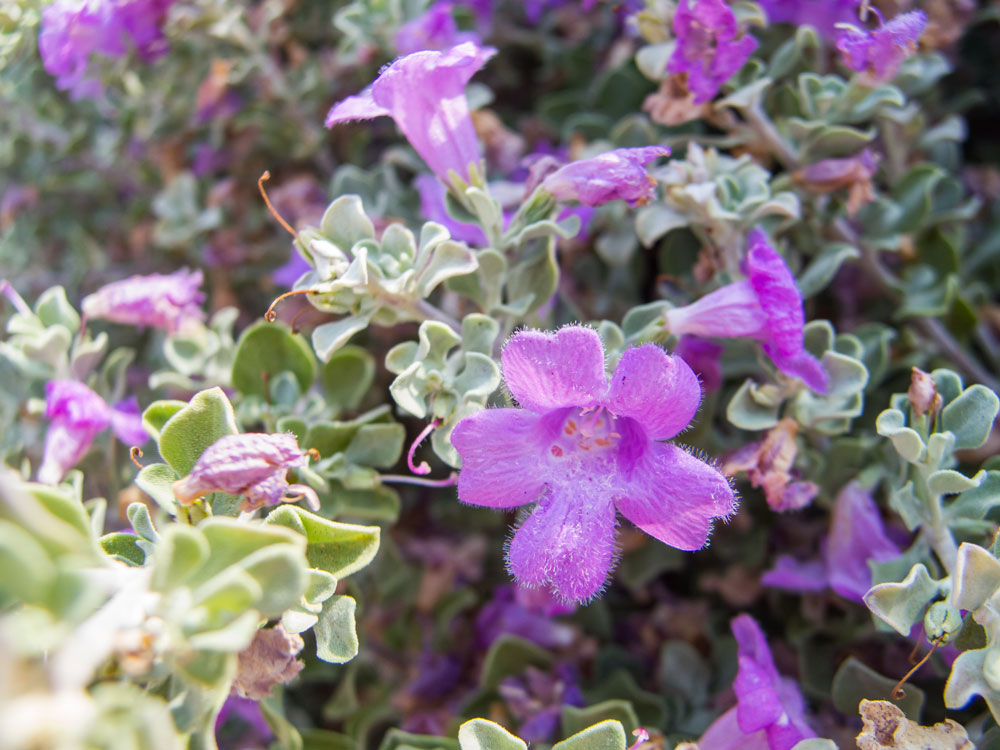
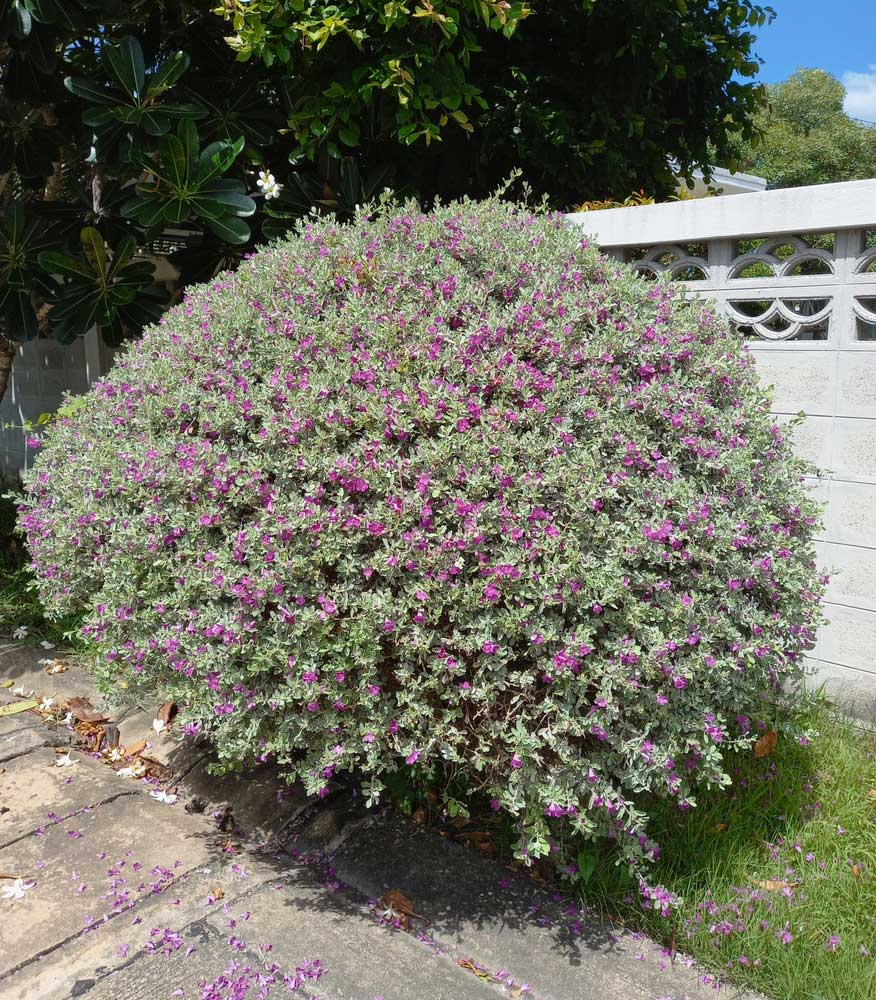
This native Texas shrub is a real workhorse in hot gardens. Growing 3-5 feet tall and wide, Texas Sage shows off its silvery-gray leaves year-round, creating a stunning backdrop for bursts of purple flowers.
What’s really cool about this plant is how it earned its nickname “Barometer Bush” – it blooms right after rain showers or when humidity spikes.
I’ve found Texas Sage to be practically bulletproof in my garden. It thrives in full sun and practically any well-draining soil.
You’ll barely need to water it once it’s settled in, making it perfect for water-wise landscapes.
Plus, deer won’t touch it, but butterflies and bees can’t resist those purple blooms. Just give it a light trim now and then to keep its shape neat.
3. Black-eyed Susan (Rudbeckia)
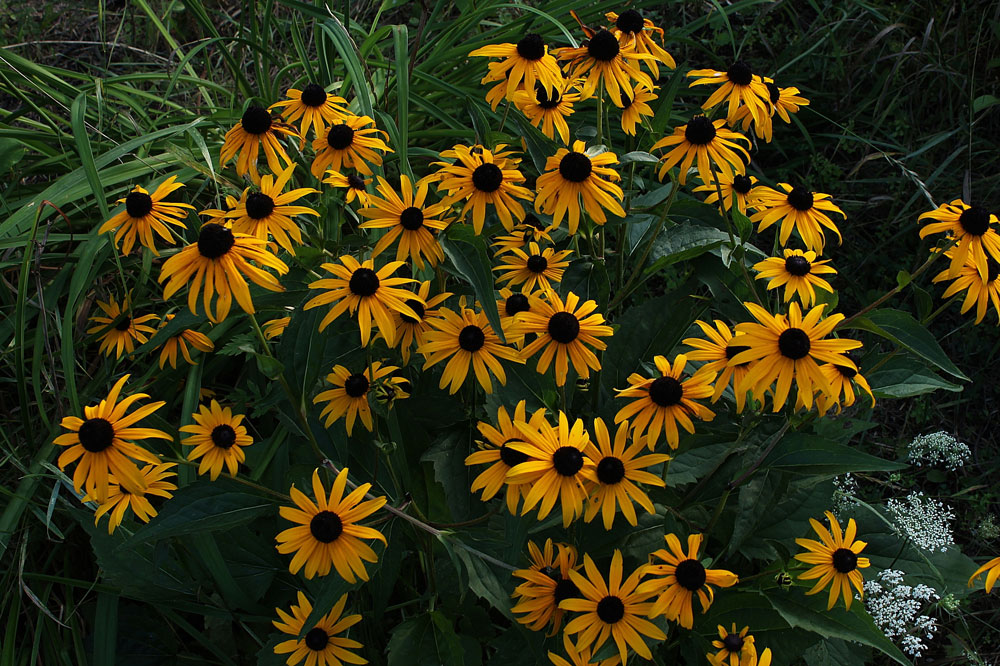
You’ll spot these cheerful wildflowers brightening up Texas gardens with their golden-yellow petals and distinctive dark centers.
Growing 2-3 feet tall, Black-eyed Susans form eye-catching clumps that add a splash of summer color to your landscape.
I’ve had great success growing these hardy plants in full sun, though they’ll tolerate a bit of afternoon shade.
While they prefer their soil consistently moist, they won’t give up when the Texas heat kicks in. Once they’re established, they’ll handle dry spells pretty well.
These reliable bloomers keep the show going from summer through early fall, and they’re absolute magnets for butterflies and bees.
They’re also super easy to grow from seed and will often self-seed, filling your garden with more blooms each year. Just cut them back in late winter to make way for fresh growth.
4. Salvia (various species)
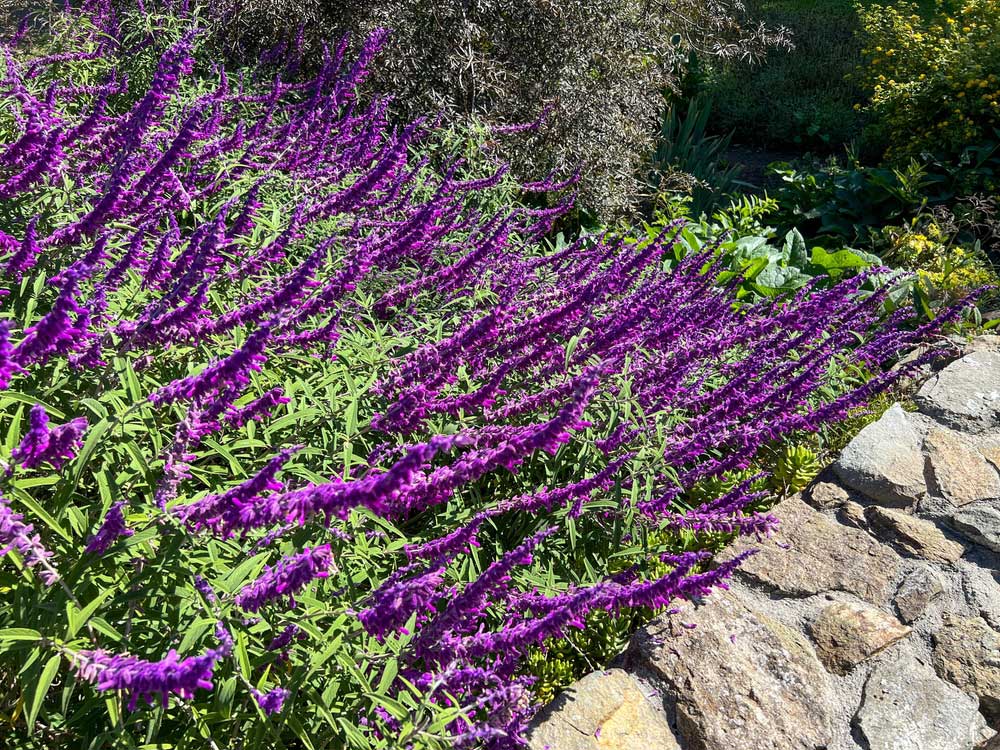
Looking for a reliable bloomer that can take the Texas heat? You’ll find plenty to love among the salvia family. From Salvia greggii to leucantha, these tough plants bring waves of color with their striking flower spikes in red, purple, blue, pink, and white.
I’ve grown several varieties in my garden, and they all share a love for full sun and well-draining soil.
Once they sink their roots in, they barely need water to keep going. The fragrant leaves naturally keep deer and rabbits away, while the flowers bring hummingbirds and butterflies by the dozen.
Give them a light trim after their first round of flowers, and they’ll reward you with more blooms.
Best of all, these sturdy plants rarely face problems with pests or diseases, making them perfect for low-maintenance Texas gardens.
5. Coneflower (Echinacea)
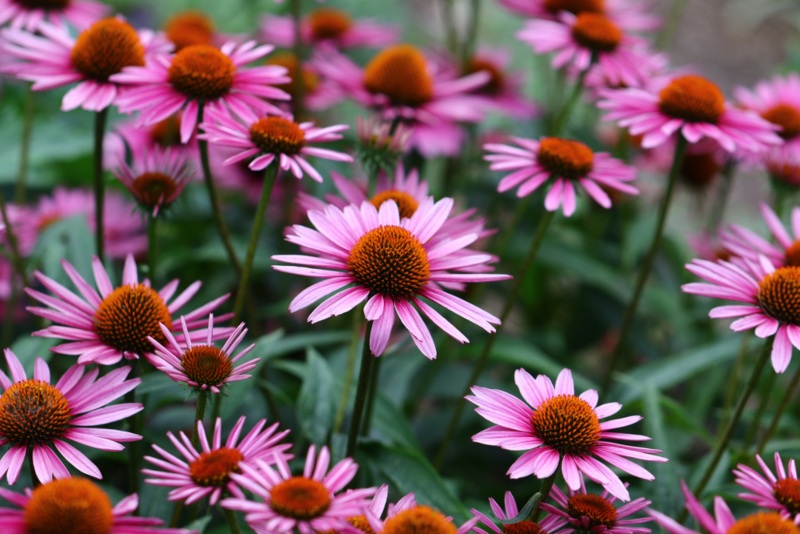
When you spot those distinctive purple blooms with raised centers standing tall in a Texas garden, you’re looking at coneflowers.
These prairie natives grow 2-4 feet tall and put on a show that lasts from summer through early fall. While purple is the classic color, you’ll also find them in pink, white, and yellow varieties.
I’ve had great success growing these in full sun, though they’ll thank you for a bit of afternoon shade during intense summer days.
They’re not picky about soil, and once they’re settled in, they’ll stand up to dry spells like champs.
The flowers are butterfly magnets, and if you leave the seedheads standing through winter, you’ll treat your local birds to a natural buffet. Just remember to divide them every few years to keep them healthy and vigorous.
6. Esperanza (Tecoma stans)
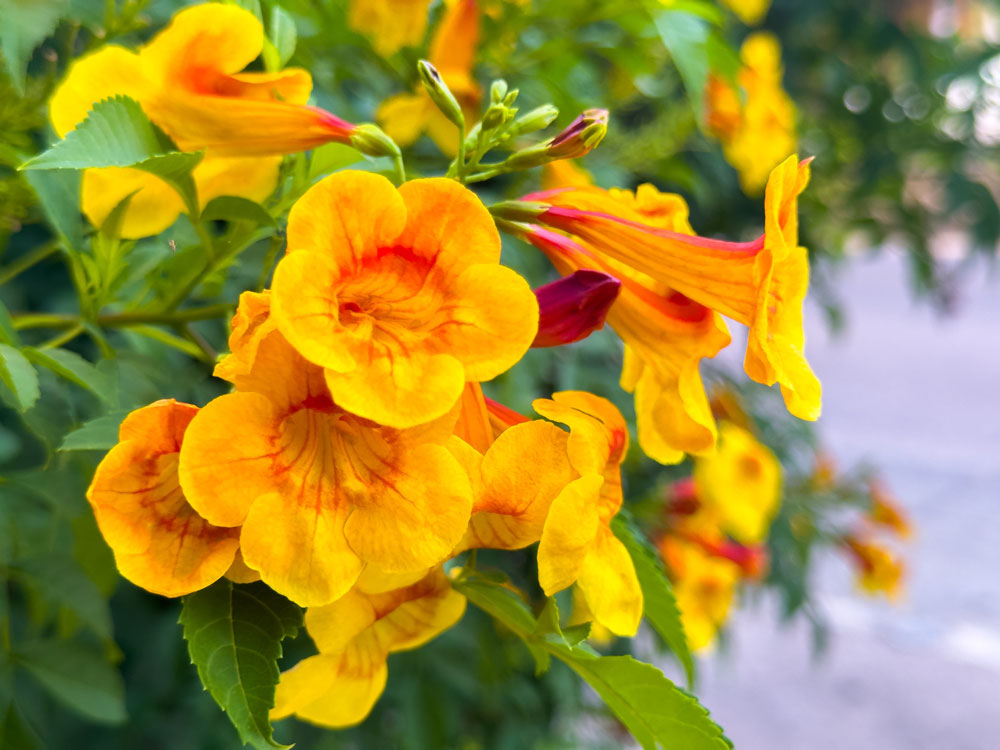
You’ll fall in love with Esperanza, also called Yellow Bells, for its bright yellow trumpet flowers that light up Texas gardens. This fast grower reaches 6-8 feet tall, making it perfect for adding height and drama to your landscape.
I’ve grown Esperanza in my garden, and it’s a real standout in full sun spots with well-draining soil.
Once it gets going, it barely needs water to keep those sunny blooms coming from late spring through fall.
The flowers are like magnets for hummingbirds, bringing life and movement to your yard.
While it might die back during winter, don’t worry – it bounces right back from the roots when warm weather returns.
Just give it a good pruning in late winter to keep it shapely and encourage thick growth.
7. Blackfoot Daisy (Melampodium leucanthum)
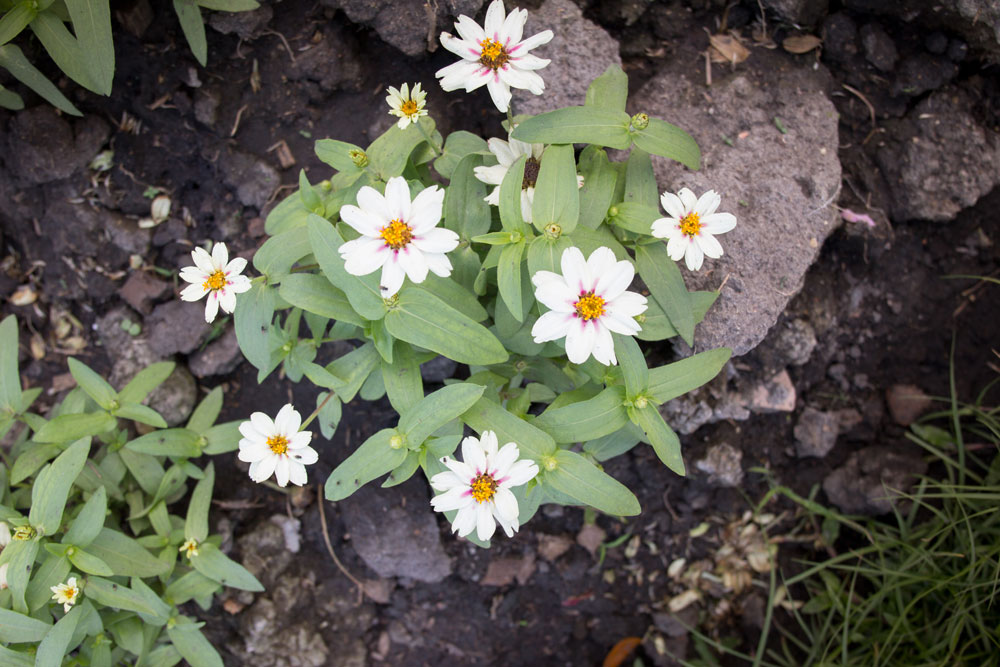
If you’re searching for a petite powerhouse for your Texas garden, the Blackfoot Daisy fits the bill perfectly. This native perennial stays small, forming tight mounds just 6-12 inches tall that work beautifully in rock gardens and along pathways.
I’ve watched these hardy plants thrive in the poorest, rockiest soils where other flowers struggle. They need full sun and good drainage, but beyond that, they’re not fussy at all. The honey-scented white blooms with bright yellow centers keep coming from spring straight through fall, drawing butterflies and bees to the garden.
While they might not live for decades, they often self-seed, creating new plants that fill in gaps naturally. No deadheading needed – just plant them and watch them bloom their hearts out.
8. Russian Sage (Perovskia atriplicifolia)
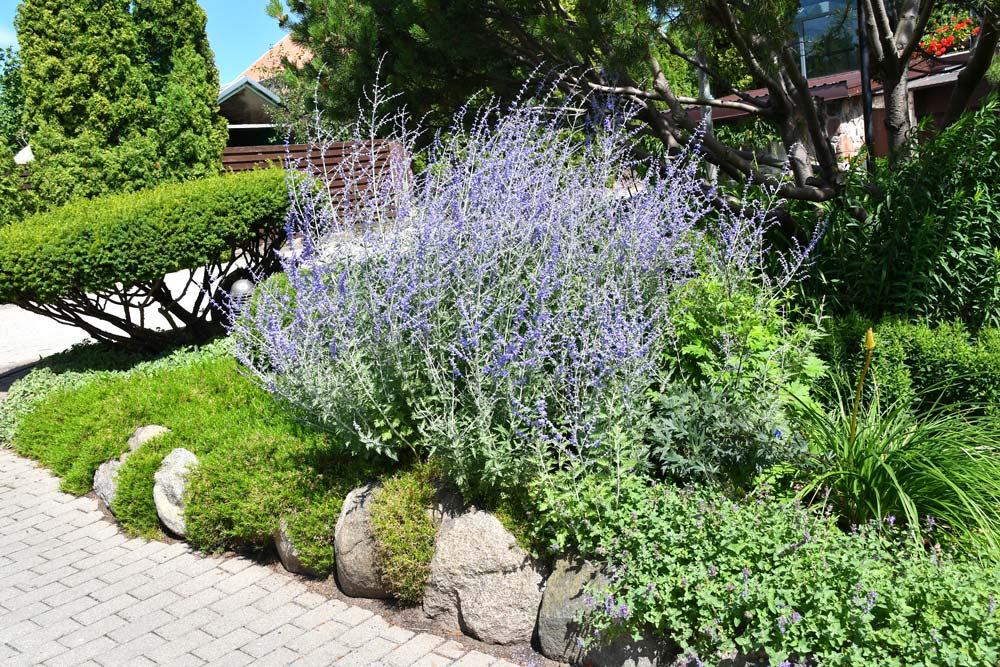
If you need a plant that thrives in blazing heat and dry soil, Russian Sage is hard to beat. This tough perennial grows 3–5 feet tall and wide, with airy spikes of lavender-blue flowers that seem to float above its silvery-gray foliage.
I’ve found Russian Sage to be incredibly reliable in full sun, even during the hottest Texas summers. It actually prefers poor, well-draining soil and doesn’t need much water once established. In fact, too much care can do more harm than good with this plant.
The blooms start in mid-summer and often last into fall, creating a soft, hazy look in the garden while attracting bees and butterflies. Its aromatic foliage also helps keep deer away.
Give it a hard pruning in late winter or early spring, and it will come back strong with fresh growth. Once established, Russian Sage is about as low-maintenance as it gets -perfect for gardeners who want big impact without the extra work.
9. Yarrow (Achillea millefolium)
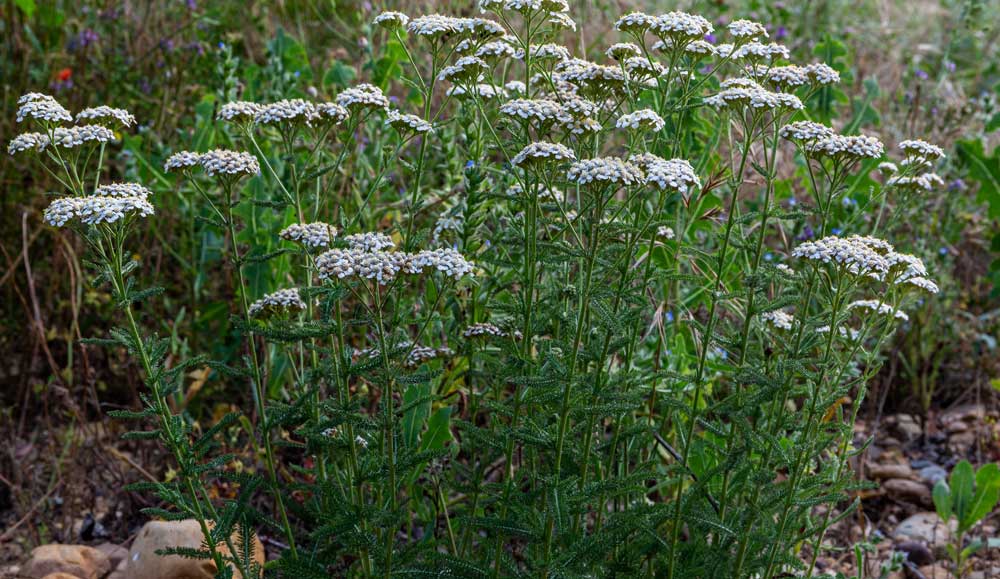
You’ll love yarrow if you’re looking for a tough plant that thrives in challenging conditions.
This 2-3 foot perennial puts on a beautiful show with its flat-topped flower clusters in white, yellow, or pink shades, floating above delicate, feathery foliage.
I’ve found yarrow to be one of the most forgiving plants in my Texas garden. It grows happily in full sun and poor soil – in fact, it often does better when you don’t pamper it too much. The flowers keep coming from late spring through fall, bringing in butterflies and beneficial insects that help control garden pests.
Just divide your yarrow plants every few years to keep them healthy and prevent bare spots in the middle. While they can spread quickly in some gardens, regular maintenance keeps them in check.
Here is a complete guide on growing yarrow
10. Mexican Feather Grass (Nassella tenuissima)
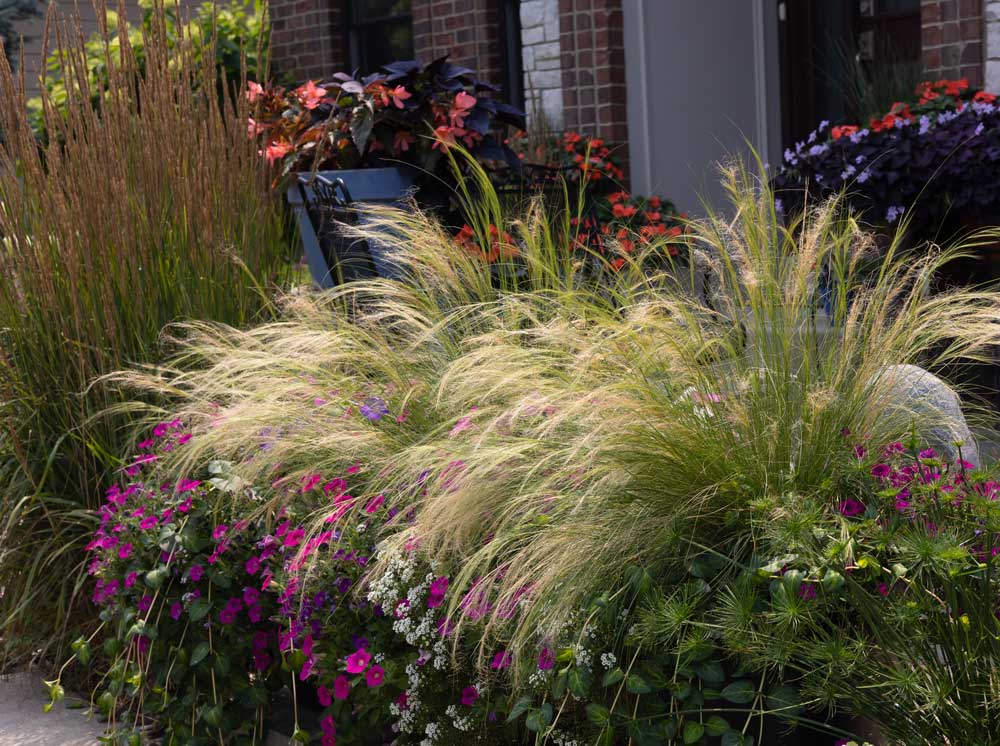
Looking for a grass that adds movement and grace to your Texas garden? Mexican Feather Grass is a real showstopper, growing 2-3 feet tall with the finest, softest blades that catch every breeze.
I’ve planted this grass in full sun spots with well-draining soil, where it creates a stunning display without asking for much attention.
The pale green foliage turns a beautiful golden color during hot summer days, topped with light, airy plumes that dance in the wind.
Cut it back in late winter, and it’ll return with fresh growth in spring.
Just keep in mind that it can spread through self-seeding – I’ve found it works best in mass plantings or as an accent plant where you can keep an eye on its wandering ways.
Short on time? Here’s a quick side-by-side comparison of all 10 heat-loving perennials:
| Plant | Sun Needs | Water Needs | Height | Bloom Time | Difficulty |
|---|---|---|---|---|---|
| Lantana | Full Sun | Low | 2–4 ft | Spring–Fall | Very Easy |
| Texas Sage | Full Sun | Very Low | 3–5 ft | After Rain (Spring–Fall) | Very Easy |
| Black-eyed Susan | Full Sun | Low–Moderate | 2–3 ft | Summer–Fall | Easy |
| Salvia | Full Sun | Low | 1–4 ft | Spring–Fall | Very Easy |
| Coneflower (Echinacea) | Full Sun | Low–Moderate | 2–4 ft | Summer–Fall | Easy |
| Esperanza | Full Sun | Low | 6–8 ft | Late Spring–Fall | Very Easy |
| Blackfoot Daisy | Full Sun | Very Low | 6–12 in | Spring–Fall | Very Easy |
| Yarrow | Full Sun | Low | 2–3 ft | Late Spring–Fall | Easy |
| Russian Sage | Full Sun | Very Low | 3–5 ft | Summer–Fall | Very Easy |
| Mexican Feather Grass | Full Sun | Low | 2–3 ft | Summer (Foliage Interest) | Very Easy |
General Care Tips for Heat-Tolerant Perennials
When planting these tough Texas beauties, give them a strong start with regular watering for the first few months. I water deeply but less often to help roots grow deep and strong. In my garden, I’ve found that adding a 2-3 inch layer of mulch around plants really helps keep moisture in the soil and roots cool.
Spring and fall are your best planting windows in Texas. I plant in early spring (March-April) in North Texas and late fall (October-November) in South Texas. This timing lets plants settle in before extreme temperatures hit.
During those brutal summer afternoons, I sometimes set up temporary shade cloth over new plants. Even heat-loving perennials appreciate a break from intense sun while they’re getting established. Just prop up some light fabric on stakes to create filtered shade during the hottest part of the day.
Final Thoughts on Heat-Tolerant Texas Perennials
Creating a resilient Texas garden isn’t just about choosing the right plants – it’s about working with nature rather than against it. These ten heat-tolerant perennials offer a perfect blend of beauty and practicality, providing year-round interest while conserving precious water resources.
Remember, even the toughest plants need a little extra care during their first season. But once established, these botanical warriors will reward you with years of reliable blooms and foliage, proving that you don’t have to sacrifice beauty to have a low-maintenance, drought-resistant garden in the challenging Texas climate.