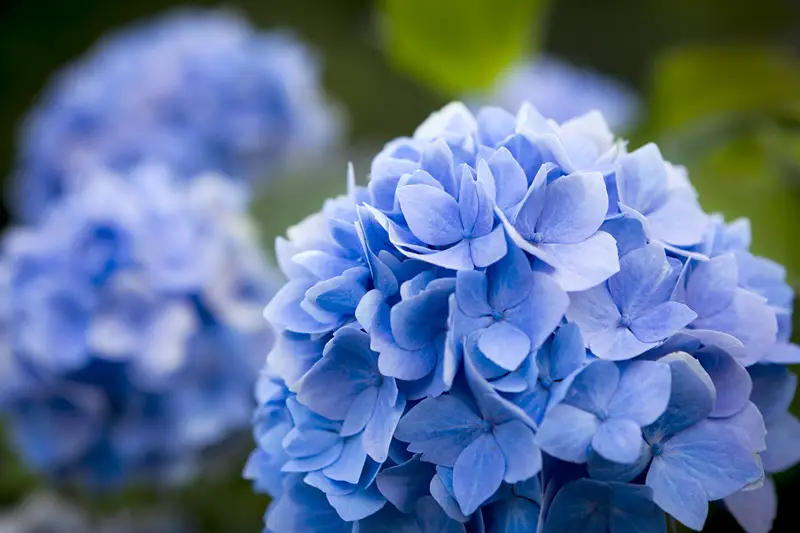
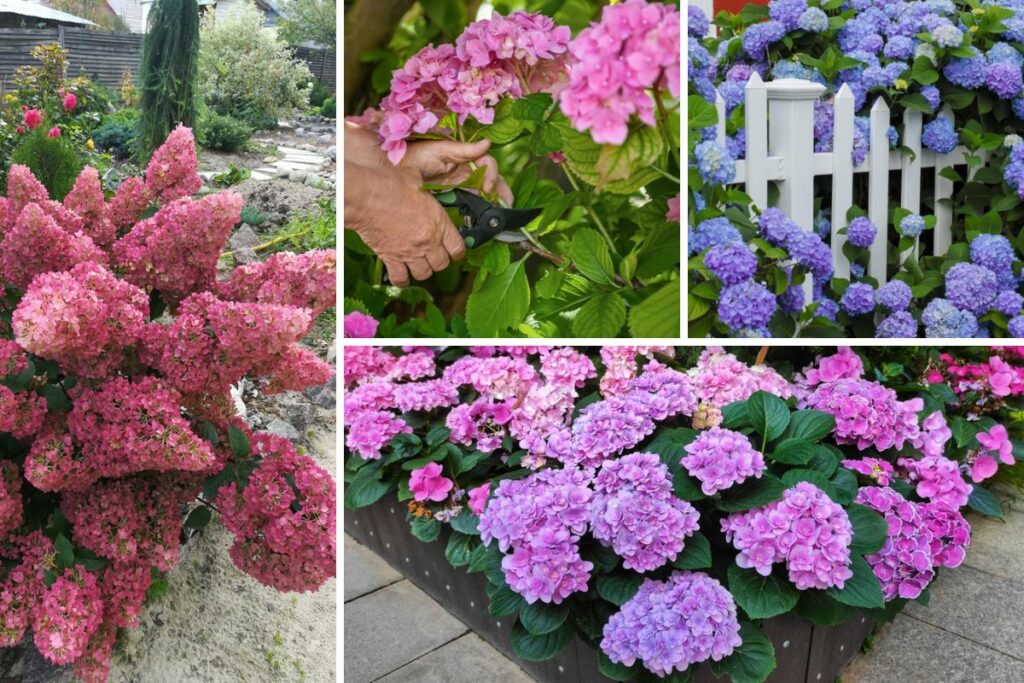
Hydrangeas are one of those plants that seem to steal the show in almost any garden. Those big, billowy blooms and lush green leaves make them hard to ignore. I completely understand why so many gardeners love growing them.
But if you want those spectacular flower heads year after year, pruning matters.
When you prune, and how you do it, can make the difference between a plant full of blooms and one that barely flowers at all.
Pruning helps keep the plant healthy and nicely shaped. It also encourages stronger growth and better flowering for the upcoming season.
Skip it entirely, and hydrangeas can become leggy, crowded, and less impressive over time.
Before you grab the pruners, it’s important to know which type of hydrangea you’re growing. Different varieties have different pruning schedules, so the best time to prune really depends on the type you have.
For example, bigleaf and mountain hydrangeas usually benefit from pruning right after they finish flowering.
Panicle and smooth hydrangeas, on the other hand, are much more forgiving and can be pruned in late winter or early spring before new growth starts.
Once you know which hydrangea you’re growing, the whole process becomes much easier. A few simple pruning techniques at the right time can keep your plants healthy, full, and loaded with blooms, so they continue to be one of the most beautiful features in your garden.
Key Takeaways
- Identify your hydrangea type to determine the optimal pruning schedule
- Pruning times vary; bigleaf and mountain types should be pruned after flowering, while panicle and smooth hydrangeas in late winter or early spring
- Utilize correct pruning techniques and follow helpful tips to maintain and promote your hydrangea’s health and beauty
Understanding Hydrangea Types
Before diving into the pruning process, it is essential to be familiar with the various types of hydrangeas. Knowing their differences helps in determining the appropriate pruning time and techniques.
Bigleaf Hydrangeas
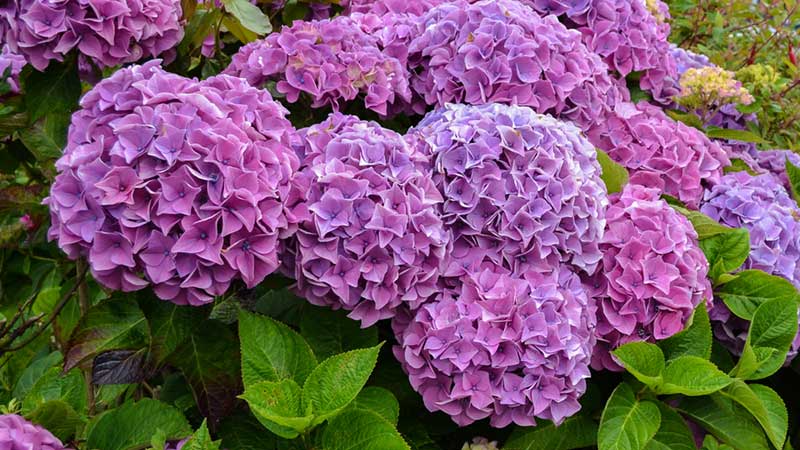
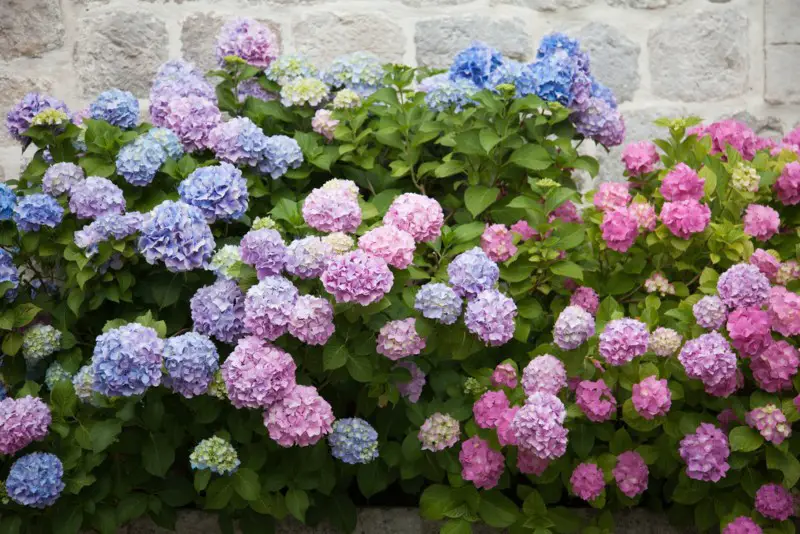
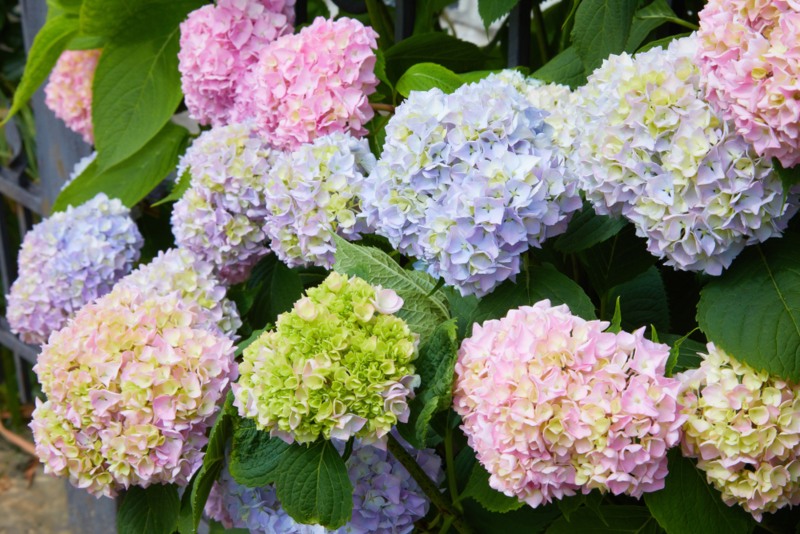
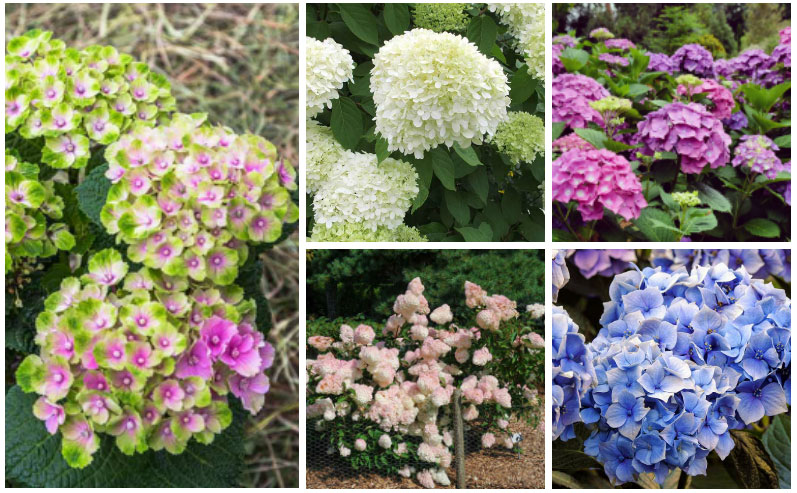
Bigleaf hydrangeas (Hydrangea macrophylla) are perhaps the most well-known type. They are characterized by their large, colorful, and round flower heads.
These plants bloom on old wood, so they develop flowers from the previous year’s growth.
The best time to prune bigleaf hydrangeas is shortly after they finish flowering. This is usually sometime in summer, depending on the variety and climate.
Pruning at other times may remove flower buds, reducing or eliminating the following season’s blooms.
Panicle and Smooth Hydrangeas
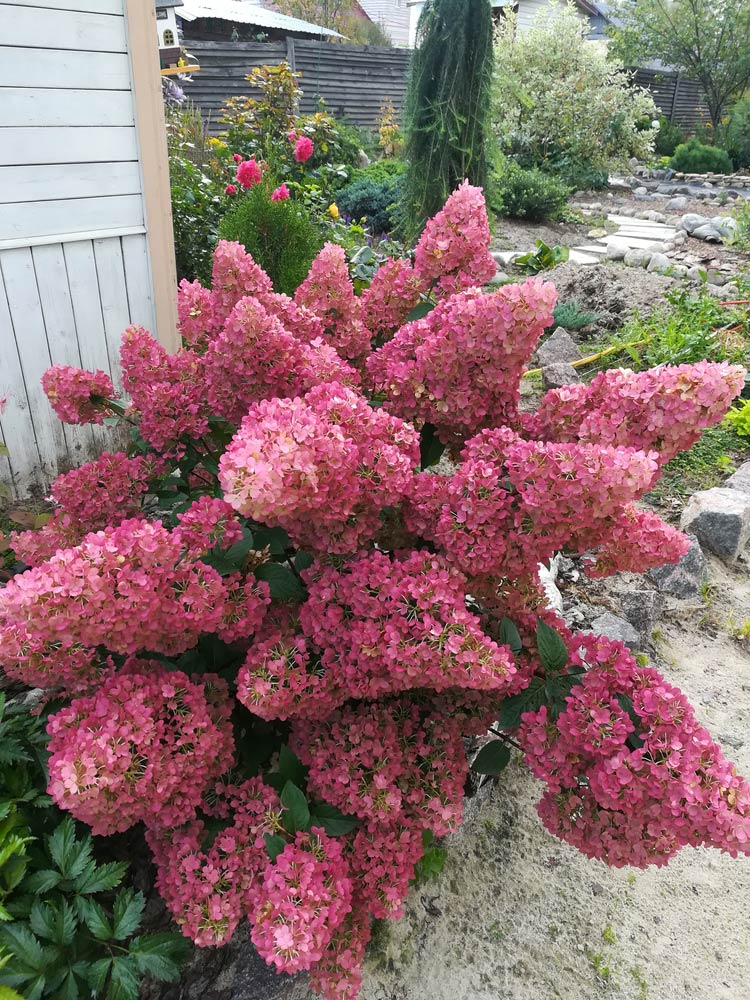
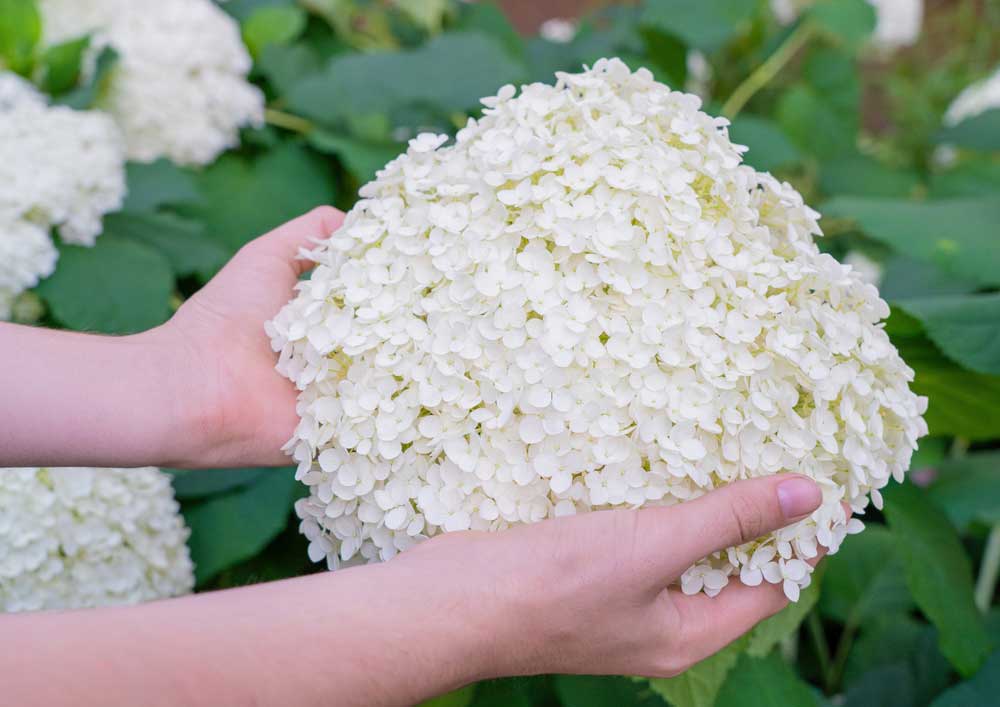
Panicle hydrangeas (Hydrangea paniculata) and smooth hydrangeas (Hydrangea arborescens) share a common characteristic – they both bloom on new wood. This means that their flowers form on the current year’s growth.
As a result, pruning these types of hydrangeas should be done in late winter or early spring before new growth emerges.
This ensures a healthy and vibrant flower display in the summer months.
Oakleaf and Climbing Hydrangeas
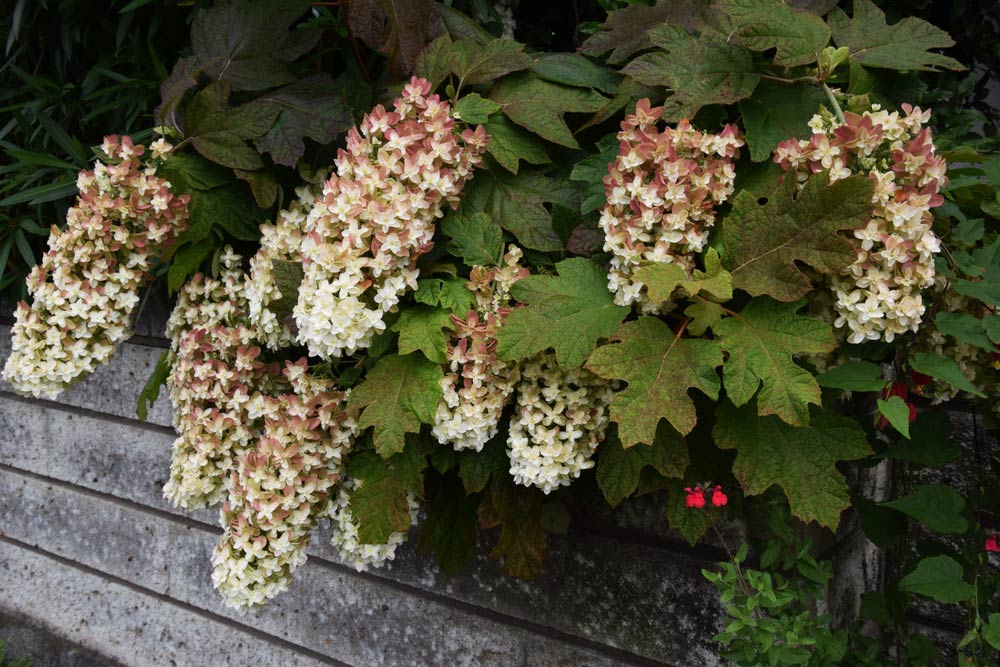
Oakleaf hydrangeas (Hydrangea quercifolia) and climbing hydrangeas (Hydrangea petiolaris) require a slightly different approach to pruning.
Both types bloom on old wood, similar to bigleaf hydrangeas.
However, oakleaf varieties tend to need less frequent pruning, focusing primarily on removing dead or damaged branches.
It is best to prune oakleaf hydrangeas in the late summer or early fall after they have bloomed.
Climbing Hydrangeas
Climbing hydrangeas are low-maintenance and can be pruned on an as-needed basis, with no specific time frame required.
Pruning can be done to remove dead or unsightly growth or to control the size of the plant. Since they bloom on old wood, make sure not to cut into flower-producing stems when pruning.
Best Time to Prune Hydrangeas
When it comes to pruning hydrangeas, the timing depends on the type of hydrangea you have in your garden. Below are the best times to prune the various hydrangea species.
Pruning Bigleaf and Oakleaf Hydrangeas
To maintain the health and appearance of bigleaf (Hydrangea macrophylla) and oakleaf (Hydrangea quercifolia) hydrangeas, pruning should be done after they finish blooming. This is typically in the late summer to early fall.
These hydrangeas bloom on old wood, so pruning too early could result in a loss of blooms for the following season. Remove any dead or damaged branches first, and then trim back any stems that have already bloomed.
Pruning Panicle and Smooth Hydrangeas
Panicle (Hydrangea paniculata) and smooth (Hydrangea arborescens) hydrangeas should be pruned in late winter or early spring, as they bloom on new wood.
Pruning at this time encourages strong growth and a healthy number of blooms in the summer months. Begin by removing any dead or damaged branches, and then cut back the remaining stems to about one-third of their original length.
Pruning Climbing Hydrangeas
Climbing hydrangeas (Hydrangea anomala subsp. petiolaris) require minimal pruning to maintain their shape and encourage new growth.
Climbing hydrangeas bloom on old wood. If pruning is needed, it is best done shortly after flowering in summer, though these plants rarely require much pruning beyond removing dead or unwanted growth.
Focus on removing any dead or damaged branches, and trim back any overly long or crowded stems to maintain the plant’s overall shape.
| Hydrangea Type | Blooming Wood | Best Pruning Time | Popular Varieties |
|---|---|---|---|
| Smooth Hydrangeas | New Wood | Early Spring (March-April) | Annabelle, Incrediball |
| Panicle Hydrangeas | New Wood | Early Spring (March-April) | Limelight, PeeGee, Phantom |
| Bigleaf Hydrangeas | Old Wood | Late Summer (July-August) | Mopheads, Lacecaps, Nikko Blue |
| Oakleaf Hydrangeas | Old Wood | Late Summer (July-August) | Snow Queen, Alice |
| Mountain Hydrangeas | Old Wood | Late Summer (July-August) | Bluebird, Preziosa |
| Climbing Hydrangeas | Old Wood | Late Summer (July-August) | Petiolaris |
💡 Quick Reference:
- Green timing = New wood bloomers (more forgiving)
- Red timing = Old wood bloomers (timing is critical)
- Rule of thumb: When in doubt, prune right after flowering
- Safe option: Just deadhead spent blooms and remove dead stems
Pruning Techniques and Tips
When it comes to pruning hydrangeas, there are a few important techniques and tips to keep in mind. In this section, we will discuss how to remove dead and damaged stems, maintain the overall shape of the plant, and encourage blooming.
Removing Dead and Damaged Stems
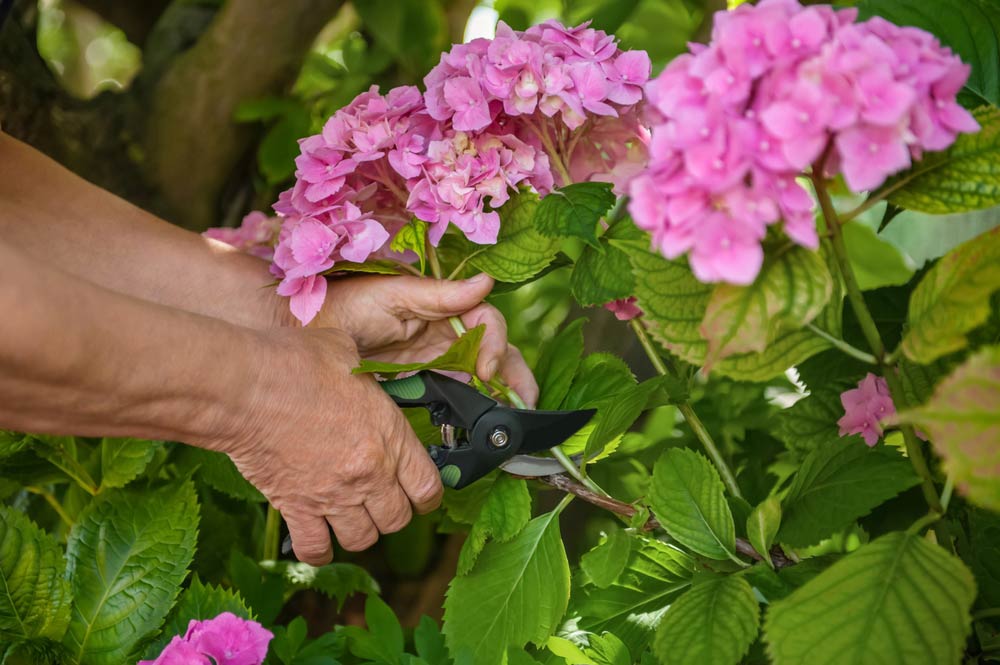
It’s essential to remove any dead or damaged stems to promote healthy growth. To do this, follow these simple steps:
- Use clean, sharp pruning shears to make smooth cuts.
- Remove any stems that are broken, diseased, or damaged.
- Make your cuts at a slight angle, just above a healthy set of leaves or buds.
This process not only encourages healthy growth but also helps prevent diseases from spreading through the plant.
Maintaining Shape
Pruning hydrangeas helps maintain their shape and size. Here’s how to keep your hydrangeas looking their best:
- Identify the main branches that provide the plant’s structure.
- Prune any side branches that are out of proportion or detract from the desired shape.
- Remove any growth that is crossing or rubbing against other branches, to prevent damage.
By keeping the plant’s natural shape in mind while following these tips, your hydrangeas will maintain a beautiful, balanced form.
Encouraging Blooms
Encourage your hydrangeas to produce more flowers by following these tips:
- Determine the type of hydrangea you have, as different types require different pruning schedules. For example, Hydrangea macrophylla bloom on old wood, while Hydrangea paniculata bloom on new growth.
- Avoid heavy pruning in late summer or fall, as this can reduce the number of blooms the following year.
- Deadheading spent blooms helps keep plants tidy and may encourage reblooming varieties to produce additional flowers.
By following these pruning techniques and tips, your hydrangeas will thrive and produce an abundance of beautiful blooms for you to enjoy.