Fall is an important time for roses.
They may be slowing down for the season, but a little care now can help them handle winter and come back healthier next spring.
The good news is that fall rose care doesn’t need to be complicated. In fact, doing less is often better than cutting, feeding, and fussing over your plants too much.
Quick note: Fall rose care depends somewhat on your climate. Gardeners in colder regions need to focus more on winter protection, while roses in mild climates may continue growing much longer.
Here are 7 simple things to do for your roses this fall.
1. Stop Fertilizing
As fall approaches, roses need to begin slowing their growth and preparing for dormancy.
Avoid applying nitrogen-rich fertilizer late in the season because it can encourage tender new growth that may be damaged by cold weather.
In colder climates, it’s generally best to stop feeding roses several weeks before your average first frost.
2. Slow Down on Deadheading
During spring and summer, removing faded flowers encourages roses to keep blooming.
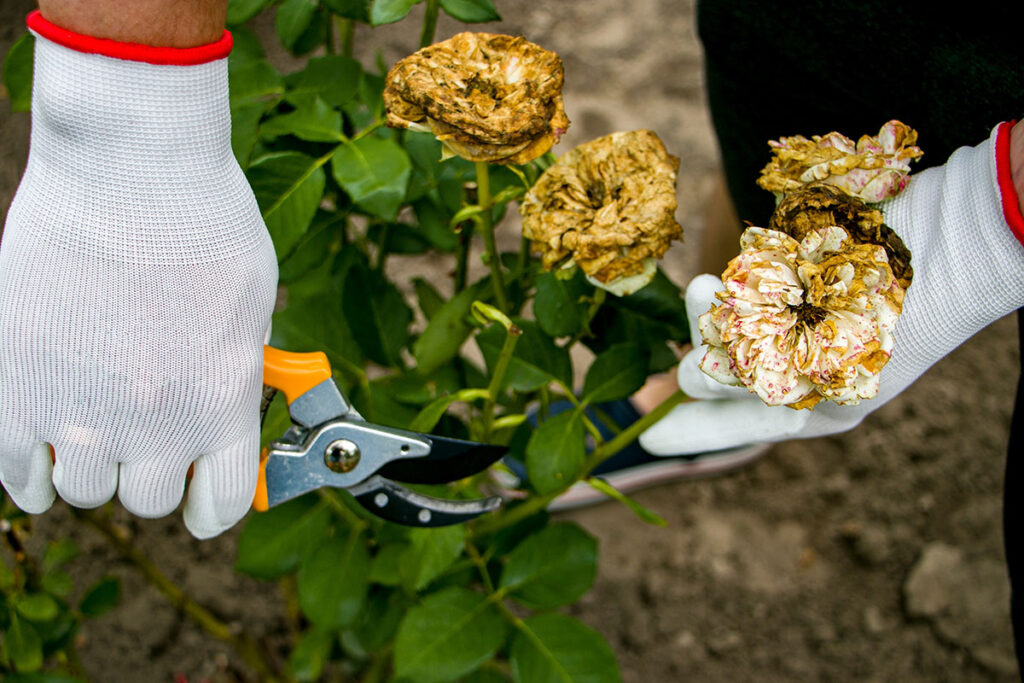
As the season winds down, you can start leaving some spent flowers on the plant instead.
This allows rose hips to develop and can help signal that the growing season is coming to an end.
In mild climates, where roses may continue blooming well into fall or winter, you can continue deadheading longer if you want more flowers.
3. Clean Up Fallen Leaves
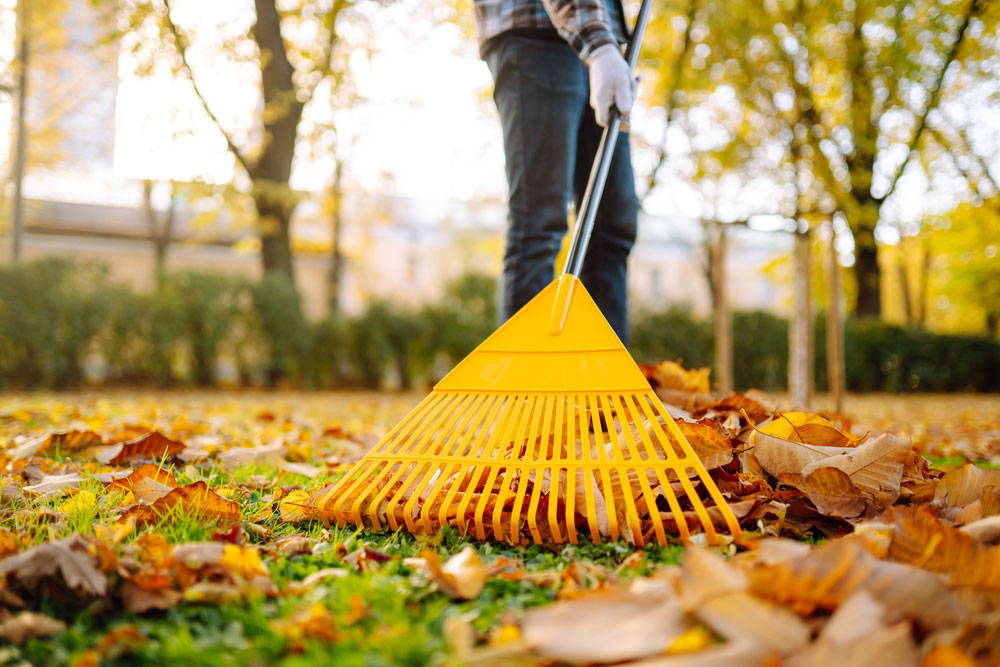
Remove fallen rose leaves and other plant debris from around the base of your plants, especially if you’ve had problems with black spot or other fungal diseases.
Diseased leaves are better placed in the trash rather than your compost pile.
A cleaner rose bed can mean fewer disease problems waiting for you next spring.
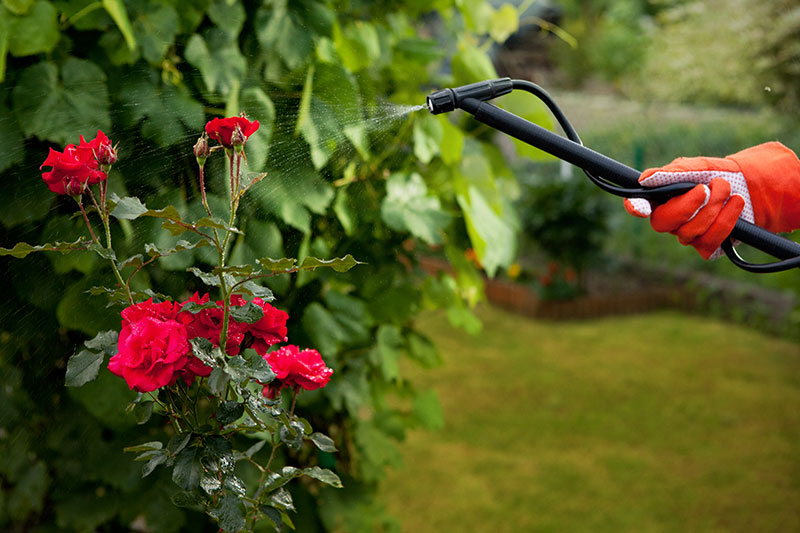
4. Keep Watering During Dry Weather
Don’t completely forget about watering just because temperatures are cooler.
If fall is dry, give your roses a deep watering when the soil begins to dry out. Roses that enter winter severely stressed by drought may be more vulnerable to cold damage.
Water the soil around the plant rather than regularly wetting the foliage.
5. Skip the Heavy Pruning
Fall usually isn’t the best time for major rose pruning, especially in colder climates.
Heavy pruning can encourage new growth or leave freshly cut canes exposed to winter injury.
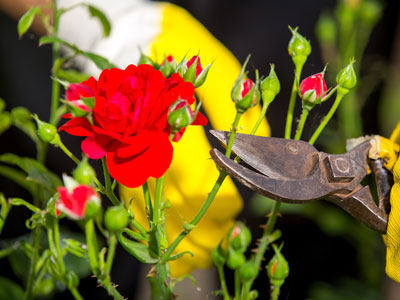
For now, remove only dead, diseased, broken, or badly damaged canes.
If you have especially tall canes that could whip around or break in winter winds, they can be shortened slightly.
Save most shaping and major pruning for late winter or spring.
6. Add Mulch After the Plant Goes Dormant
A layer of mulch helps protect rose roots from rapid temperature swings.
In colder climates, wait until after a hard frost or until the plant has gone dormant before adding heavier winter protection.
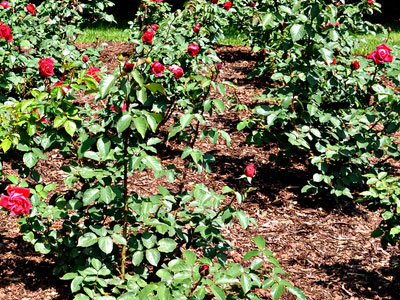
For hardy shrub roses, a few inches of organic mulch around the root zone may be enough.
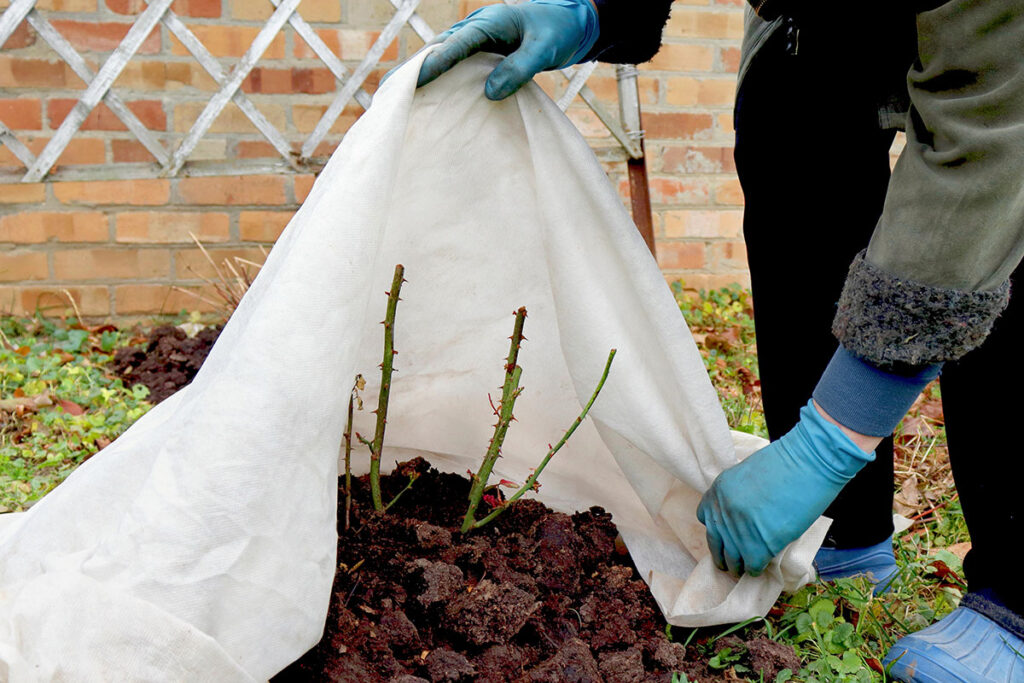
Tender roses such as hybrid teas, floribundas, and grandifloras may need additional protection around the crown or graft union in cold-winter regions.
Avoid piling wet mulch tightly against the canes.
7. Give Tender Roses Extra Winter Protection
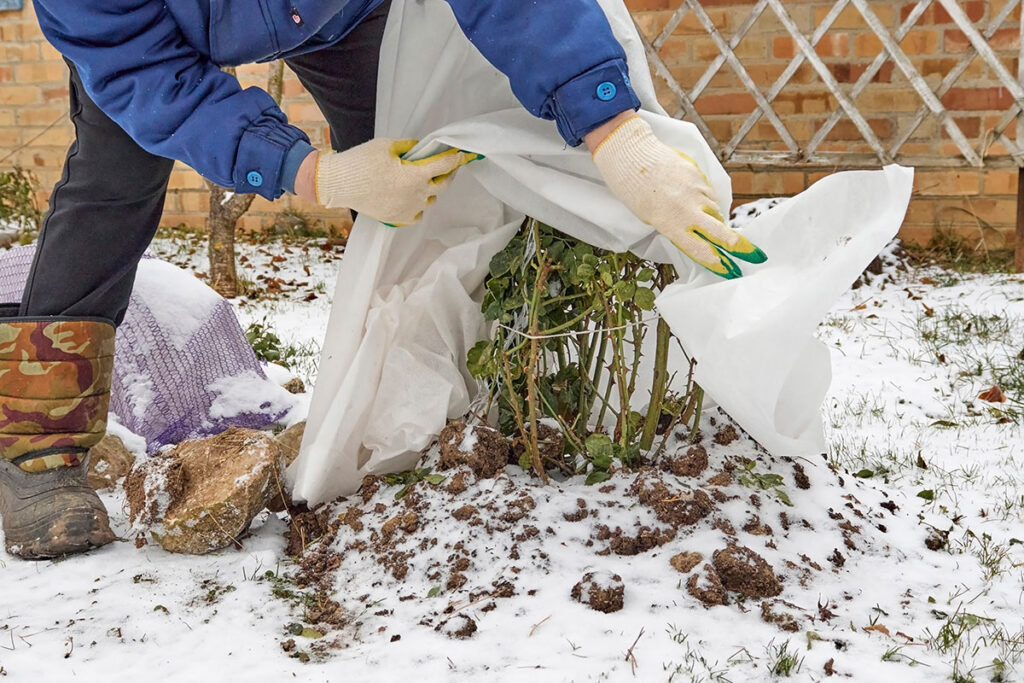
Not every rose needs elaborate winter protection.
Hardy landscape and shrub roses may need very little help, while hybrid teas and other less cold-hardy roses may benefit from extra insulation in colder regions.
Gardeners in very cold climates sometimes mound soil or compost around the base of the plant and add insulating mulch after the ground begins to freeze.
Climbing roses may also benefit from having long canes securely tied so winter winds don’t whip them around.
If you garden in a mild Southern climate, this level of winter protection usually isn’t necessary.
The Bottom Line
Fall rose care is mostly about helping your plants slow down, stay healthy, and prepare for the season ahead.
Remember these basics:
- Stop fertilizing late in the season.
- Reduce deadheading as growth slows.
- Clean up diseased leaves.
- Keep watering if fall is dry.
- Avoid heavy pruning.
- Mulch after the plant goes dormant.
- Protect tender roses where winters are severe.
A little attention in fall can make a big difference when your roses begin growing and blooming again next spring.