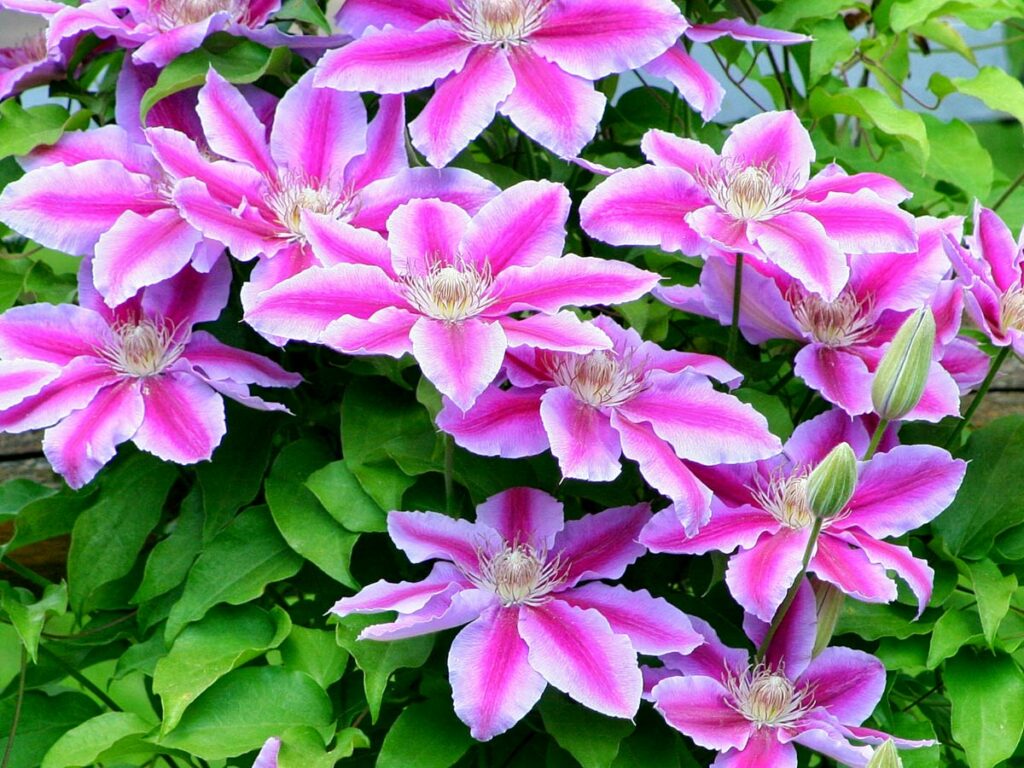
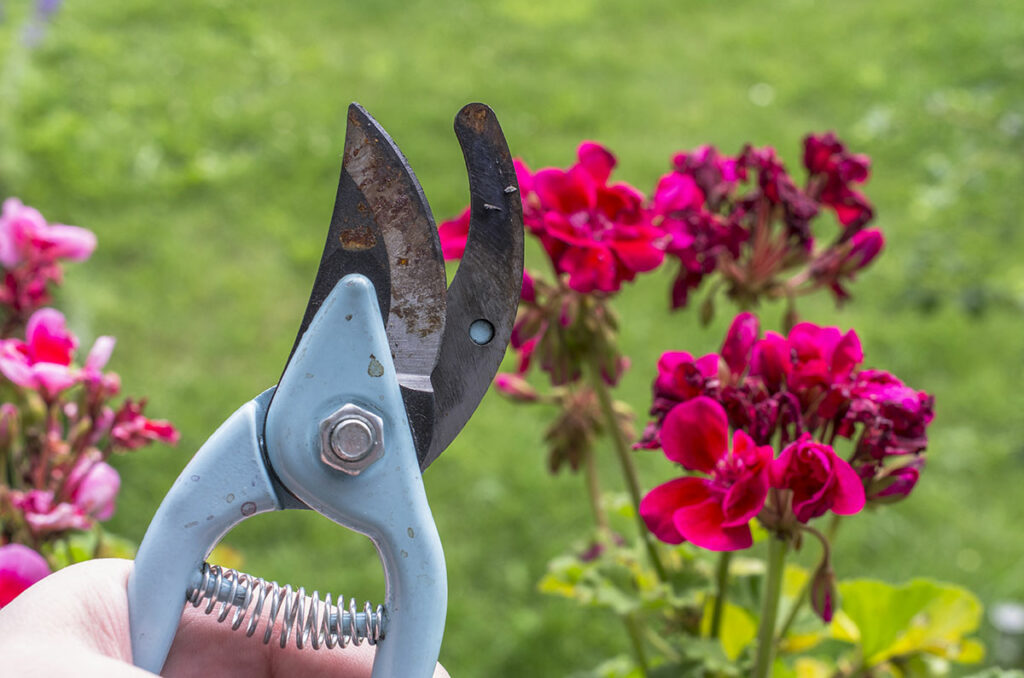
Confession time: for three springs in a row, I blamed my sad, flowerless hydrangeas on the weather, the soil, and possibly the squirrels.
The real problem? Me.
I had been pruning them in late fall because the garden looked tidier that way. What I didn’t realize was that I was cutting off the very buds that were supposed to become next year’s flowers.
And hydrangeas are not the only plants gardeners accidentally sabotage with good intentions. Lilacs, forsythia, azaleas, weigela, roses, and plenty of other flowering shrubs can all lose blooms when they are pruned at the wrong time or in the wrong way.
The tricky part is that pruning advice is not one-size-fits-all. Some plants bloom on old wood, some bloom on new wood, and some are forgiving enough to make you think you know what you’re doing until one season they suddenly refuse to flower.
Before you grab the shears, here are the pruning mistakes most likely to cost you next year’s blooms.
A Quick Pruning Cheat Sheet Before You Start
If you only remember one thing, remember this: the best time to prune depends on when the plant makes its flower buds.
Some shrubs form next year’s buds shortly after they finish blooming. These are often called old-wood bloomers. If you prune them in fall, winter, or early spring, you may be cutting off next year’s flowers before they ever get a chance.
Other shrubs bloom on new growth produced during the current season. These are often called new-wood bloomers, and they are usually pruned in late winter or early spring before active growth really takes off.
Here is a simple guide:
Usually prune right after flowering:
- Lilac
- Forsythia
- Azalea
- Rhododendron
- Weigela
- Mock orange
- Bigleaf hydrangea
- Oakleaf hydrangea
Usually prune in late winter or early spring:
- Panicle hydrangea
- Smooth hydrangea
- Rose of Sharon
- Many summer-flowering shrubs
- Many roses, depending on your climate and rose type
This is not meant to replace advice for your exact plant, but it is a helpful starting point. When in doubt, look up your specific shrub before making big cuts.
1. Pruning at the Wrong Time of Year
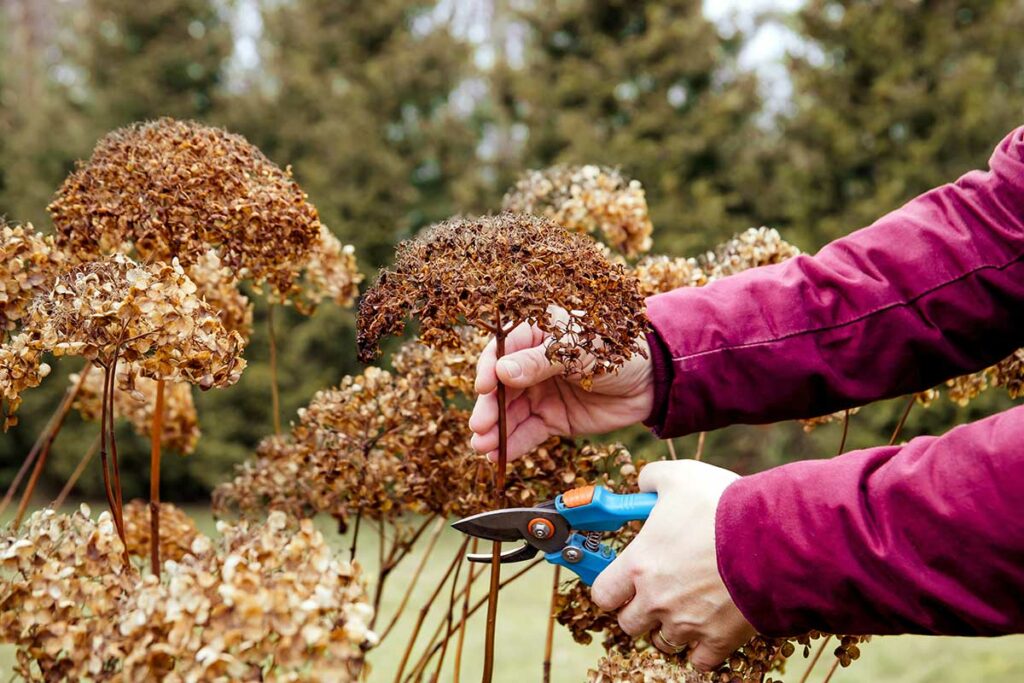
This is the big one, and it was my personal downfall.
Many flowering shrubs set their flower buds months before you ever see a bloom. Lilacs, forsythia, azaleas, rhododendrons, weigela, and some hydrangeas form next year’s buds on old wood. That means the buds are already sitting on the plant well before the next blooming season arrives.
So when you prune those plants in fall or winter because they look messy, overgrown, or “ready for cleanup,” you may be removing the very buds that would have become flowers.
Ask me how I know.
Hydrangeas are especially confusing because not all hydrangeas follow the same rules.
Bigleaf hydrangeas and oakleaf hydrangeas usually bloom on old wood, so heavy fall or spring pruning can remove flower buds. Panicle hydrangeas and smooth hydrangeas usually bloom on new wood, so they are more commonly pruned in late winter or early spring.
That one detail can make the difference between a shrub full of blooms and a shrub full of leaves.
The better way:
Prune spring-flowering shrubs right after they finish blooming. For plants that bloom on new wood, prune in late winter or early spring before strong new growth begins.
If you do not know which type you have, pause before cutting. A two-minute plant check can save you an entire season of disappointment.
2. Going Too Hard, Too Fast
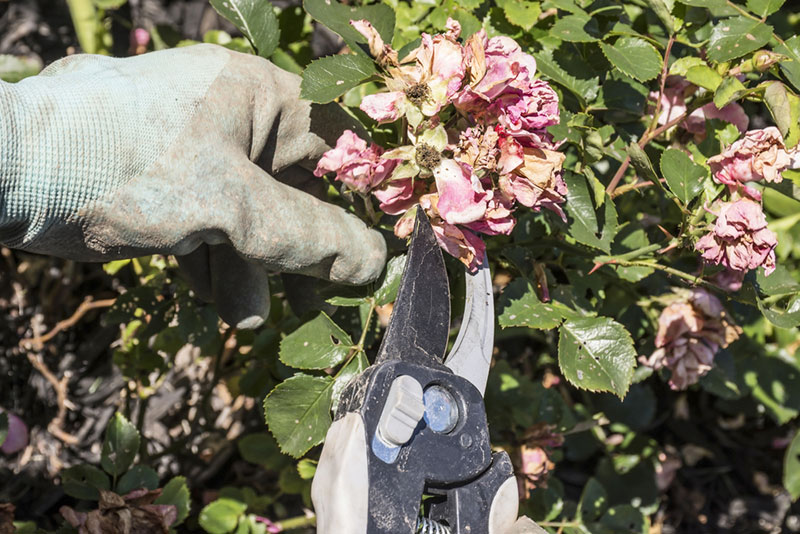
There is something very satisfying about taking an overgrown shrub and cutting it back into submission.
You start with one branch. Then another. Then suddenly your “light trim” has turned into a full garden makeover, and the poor plant is standing there looking like it survived a storm.
Hard pruning can be useful in the right situation, but it is not something every shrub appreciates. Some plants can handle rejuvenation pruning, where old stems are cut back severely to encourage fresh new growth. Forsythia, lilac, and spirea are examples of shrubs that can often respond well to this kind of treatment.
But there is a tradeoff: flowering may be reduced or delayed while the plant focuses on regrowing stems and leaves.
For shrubs that bloom on older wood, a hard cut can mean fewer flowers next season. In some cases, it may take a couple of years for the plant to look and bloom the way you want again.
The better way:
If a shrub is badly overgrown, consider renewal pruning instead of cutting the whole thing down at once. Remove some of the oldest stems near the base and repeat the process over two or three years.
It is slower, yes. But it is also less shocking to the plant and much less likely to leave you staring at a leafy, bloomless shrub next spring.
3. Using Dull or Dirty Tools
This is one of those mistakes that feels small until you realize how much damage it can do.
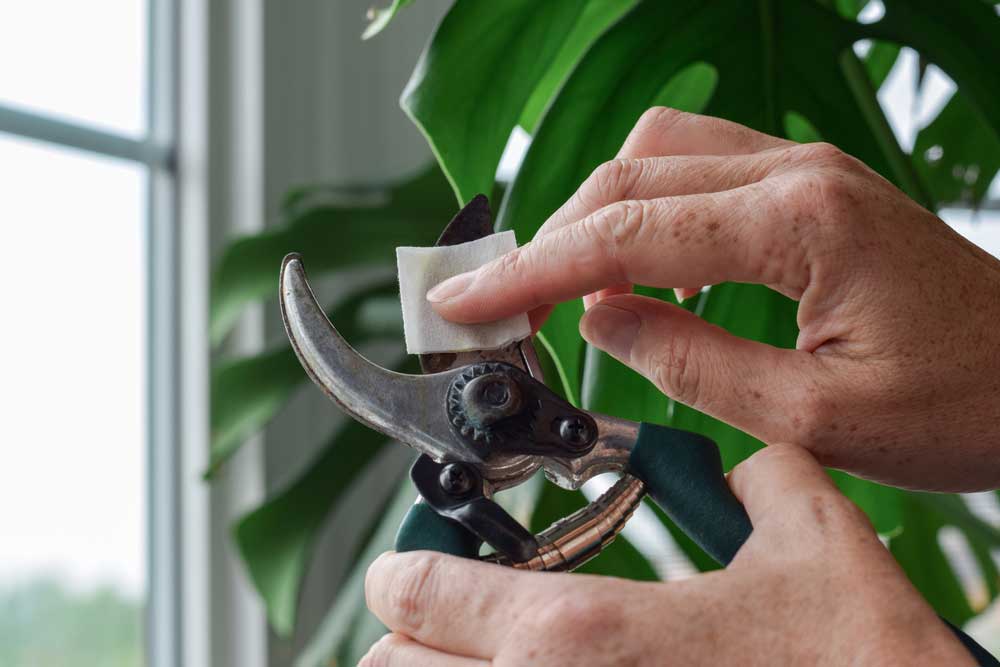
A sharp pair of pruning shears makes a clean cut that heals more easily. A dull blade crushes or tears the stem, leaving behind ragged tissue that takes longer to recover.
Dirty tools can be a problem too, especially if you are moving from one plant to another. If you prune a diseased branch and then use the same tool on a healthy plant, you may accidentally spread the problem around the garden.
Nobody wants to be the person personally introducing disease to every shrub in the yard.
The better way:
Keep your pruning tools sharp and clean. Wipe the blades between plants, especially if you are dealing with anything that looks diseased. A rag and rubbing alcohol near your pruning area makes this habit much easier.
It takes a few extra seconds, but it is one of the simplest ways to protect your plants.
4. Skipping Dead, Damaged, and Diseased Wood
A lot of gardeners prune for shape first.
I get it. The crooked branch is annoying. The shrub looks lopsided. The one stem sticking out over the walkway is practically begging to be cut.
But before you start shaping, look for the three D’s: dead, damaged, and diseased wood.
These branches are not going to give you beautiful blooms. Worse, diseased or damaged areas can create entry points for pests and disease, while crowded dead growth can reduce airflow through the plant.
Good pruning is not just about making a shrub look tidy. It is about helping the plant stay healthy enough to flower well.
The better way:
Start every pruning session by removing dead, damaged, or diseased branches first. Cut them back to healthy wood, a main stem, or the base of the plant, depending on where the problem is.
After that, step back and look at the overall shape before deciding what else needs to go.
That little pause can prevent you from over-pruning.
5. Shearing Everything Into a Ball
There is a time and place for hedge trimmers.
But flowering shrubs are often not the place.
Repeatedly shearing a shrub into a tight ball, cube, or flat-topped hedge may look neat at first, but it can remove the growth that would have bloomed. It can also create a dense outer shell of twiggy growth while the inside of the plant becomes shaded and bare.
That is why some shrubs look green on the outside but hollow and lifeless when you peek inside.
Forsythia is a perfect example. It naturally has a graceful, arching shape, but when it is constantly sheared into a stiff mound, you lose much of what makes it beautiful in the first place. You may also reduce the number of flowers.
The better way:
Use selective pruning instead of shearing whenever possible. Remove individual branches back to a healthy bud, side branch, or main stem.
This takes a little more patience, but it keeps the plant’s natural shape intact and helps light and air reach the interior.
Your shrub will look less like a green meatball and more like an actual flowering plant.
6. Cutting in the Wrong Spot
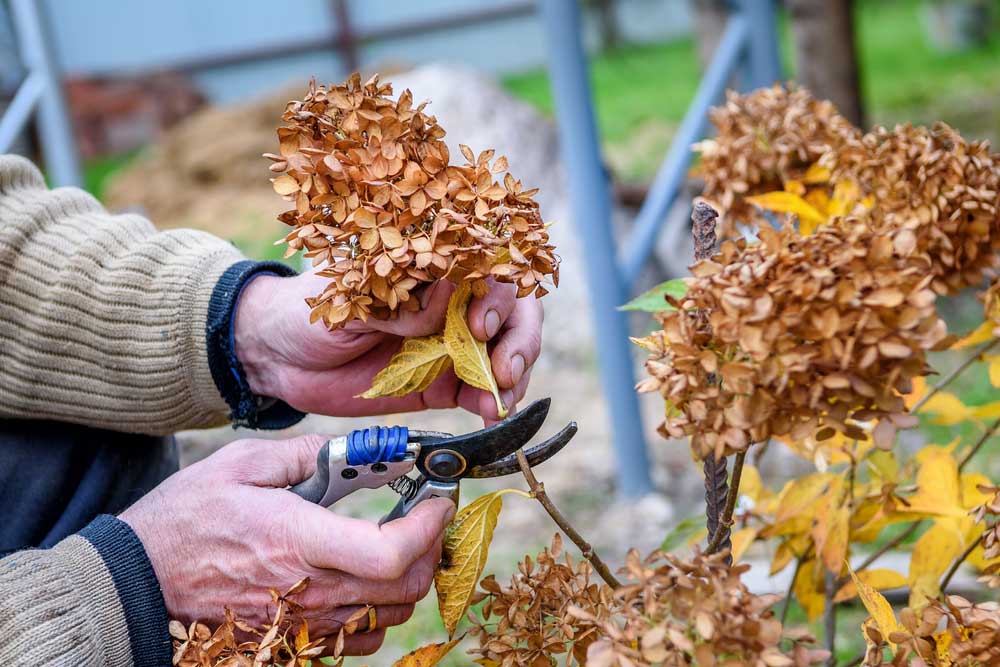
Where you cut matters almost as much as when you cut.
Leave a long stub above a bud, and that little piece of wood can die back. Cut too close to the bud, and you may damage the exact growth point you were trying to encourage.
A messy cut can also make it harder for the plant to recover cleanly.
This is where pruning starts to feel fussy, but once you get the hang of it, it becomes second nature.
The better way:
When cutting back to a bud, make a clean angled cut about a quarter inch above an outward-facing bud. The angle helps water run off instead of sitting on the cut.
When removing an entire branch, cut it back to a side branch, main stem, or appropriate junction. Avoid leaving random stubs sticking out.
And before every cut, ask yourself: “What growth am I encouraging by cutting here?”
That one question can change the way you prune.
7. Pruning Before You Know What Kind of Plant You Have
This may be the most common pruning mistake of all.
We treat every shrub the same.
It looks too big, so we cut it. It looks messy, so we trim it. It finished blooming, so we assume it needs a haircut. But different plants have very different pruning needs.
A lilac is not a panicle hydrangea. A bigleaf hydrangea is not a smooth hydrangea. A forsythia is not a boxwood. And roses have their own timing rules depending on the type and climate.
The problem is not pruning itself. The problem is pruning without knowing what the plant is trying to do.
Some plants are best pruned right after flowering. Some are best pruned while dormant. Some barely need pruning at all. And some will punish you with a flowerless season if you cut them at the wrong time.
The better way:
Before you make major cuts, identify the plant and find out whether it blooms on old wood, new wood, or both.
If you are not sure, go light. Remove dead, damaged, or diseased wood, but avoid major shaping until you know the correct timing.
A cautious gardener with sharp shears will usually do less damage than an overly confident gardener with a hedge trimmer.
A Special Note About Roses
Roses deserve their own little warning because timing can be tricky.
In colder climates, pruning too early in late winter can encourage tender new growth that may be damaged by a late freeze.
Pruning too late in fall can also encourage soft new growth that does not have time to harden before cold weather.
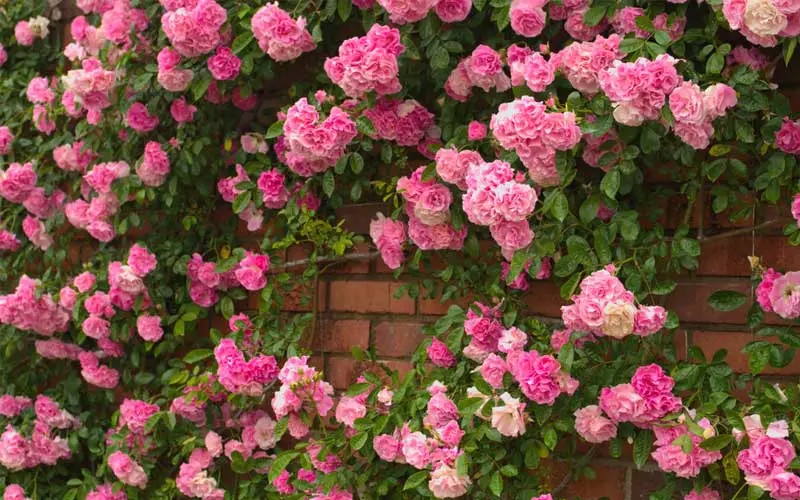
That does not mean roses should never be pruned. It just means timing matters.
For many gardeners, the safest window is early spring, after the worst of winter has passed but before the plant has fully leafed out. But rose type and local climate matter, so it is worth checking advice for your area.
Before You Grab the Shears
If you have already made one or two of these pruning mistakes, do not be too hard on yourself.
I have made nearly all of them.
The good news is that most established shrubs are more forgiving than we think. A bad pruning job may cost you a season of flowers, but it usually does not mean the plant is ruined forever.
The real goal is not to be perfect. It is to understand what your plant needs before you start cutting.
So before your next pruning session, slow down for a minute. Check whether the plant blooms on old wood or new wood. Remove the dead, damaged, and diseased branches first. Use clean, sharp tools. And resist the urge to turn every flowering shrub into a tidy little ball.
Your garden may reward you with something much better than neatness.
Actual flowers.