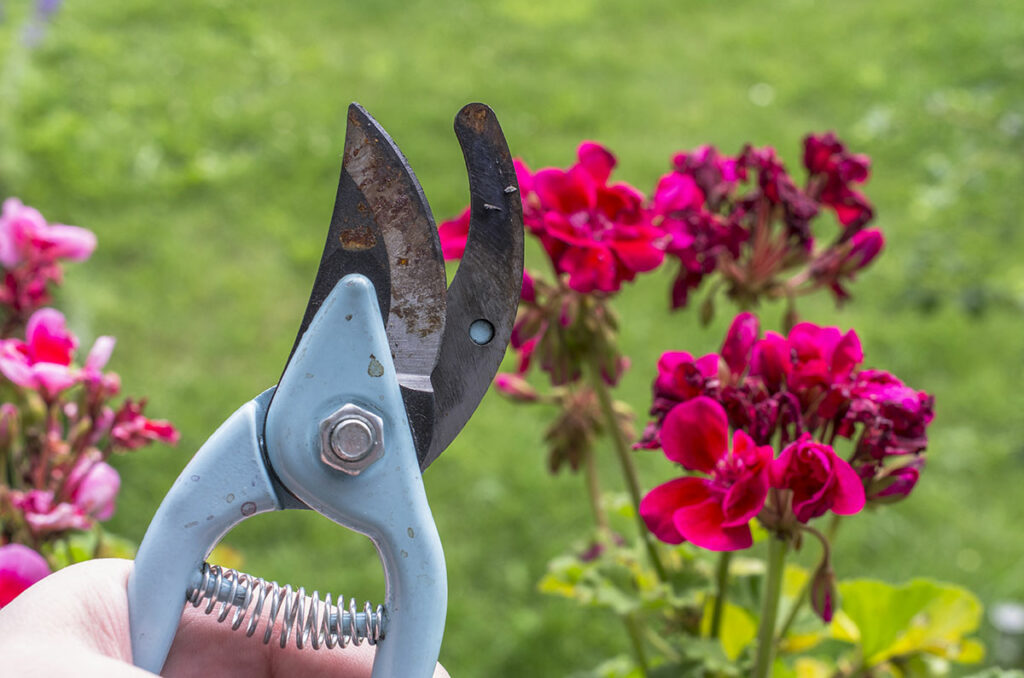
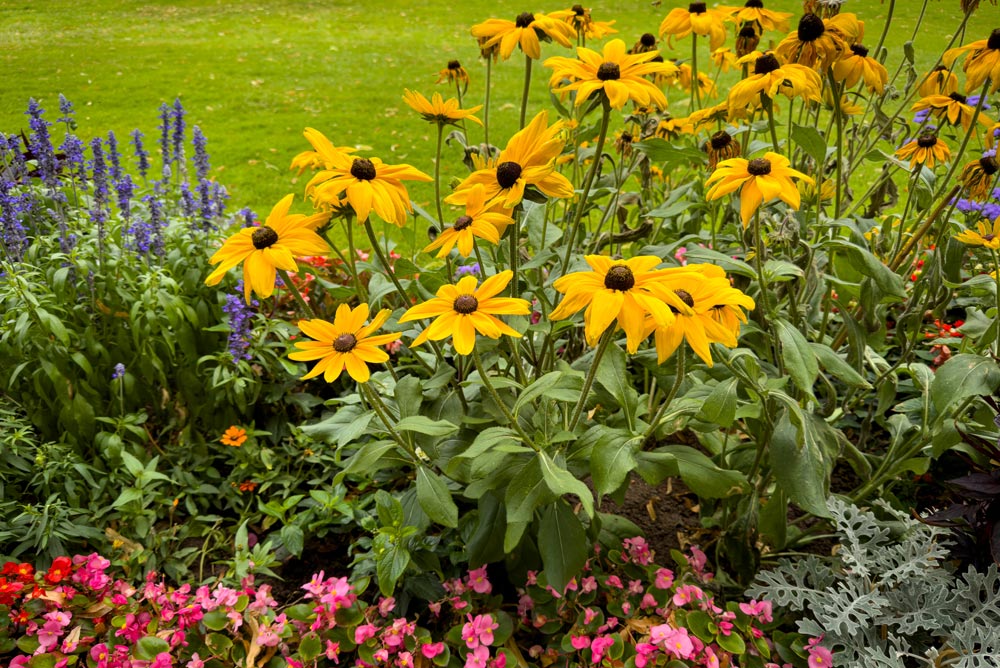
I’ll be honest with you. For the longest time, I assumed deadheading was just something you did. Full stop. Snip the spent blooms, tidy things up, encourage more flowers. Seemed like a universal rule of good gardening, the kind of thing my mother would have told me without a second thought.
But here’s the thing: not every plant got that memo.
Some plants actually need those faded flowers to do their best work. We’re talking seeds that feed the birds, berries that put on a spectacular fall show, and hips that are basically vitamin C powerhouses.
Deadhead those, and you’ve accidentally robbed your garden of some of its greatest second-act performances.
Of course, there are always exceptions. Some gardeners deadhead early blooms for a tidier look or to coax out more flowers, and that’s a perfectly reasonable thing to do.
But if you’re after berries, seed heads, winter interest, or free seedlings next spring, these are the plants worth leaving alone.
1. Coneflower (Echinacea)
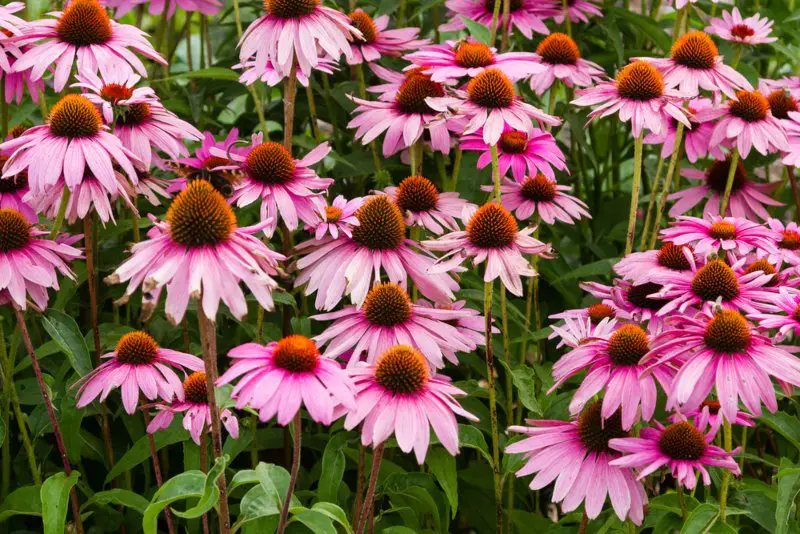
Here’s a plant that earns its keep long after the petals have faded. Those spiky seed heads that form after the flowers drop are basically a buffet for goldfinches and chickadees come fall and winter.
I watched a goldfinch work over a dried coneflower head for a solid ten minutes last October, and honestly, it was better than anything on TV.
Leave them standing through winter, and you’ve got wildlife habitat and natural garden structure rolled into one.
2. Black-Eyed Susan (Rudbeckia)
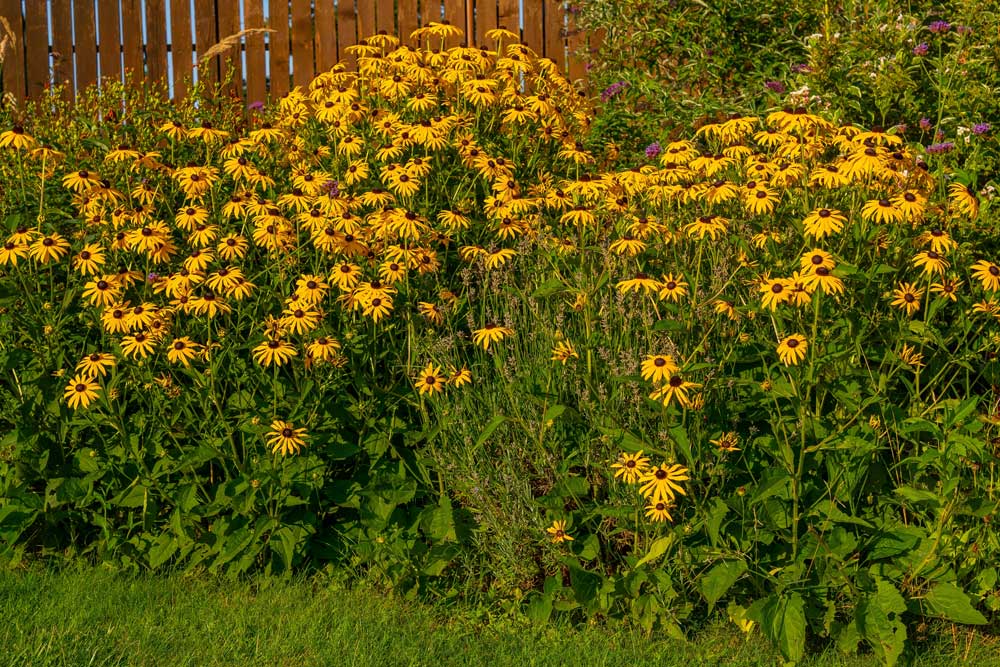
I used to dutifully snip these back every year thinking I was being a helpful gardener.
Turns out I was just making more work for myself and shortchanging the birds. If you want to extend bloom time a bit, deadheading a few of the earlier flowers is fine. But leave the later ones standing.
The seed heads are a favorite of finches and sparrows, and if you let a few go to seed, you’ll find cheerful little volunteers popping up around your garden the following spring. Free plants and happy wildlife? Note to self: put down the scissors.
3. Rose (Rosa)
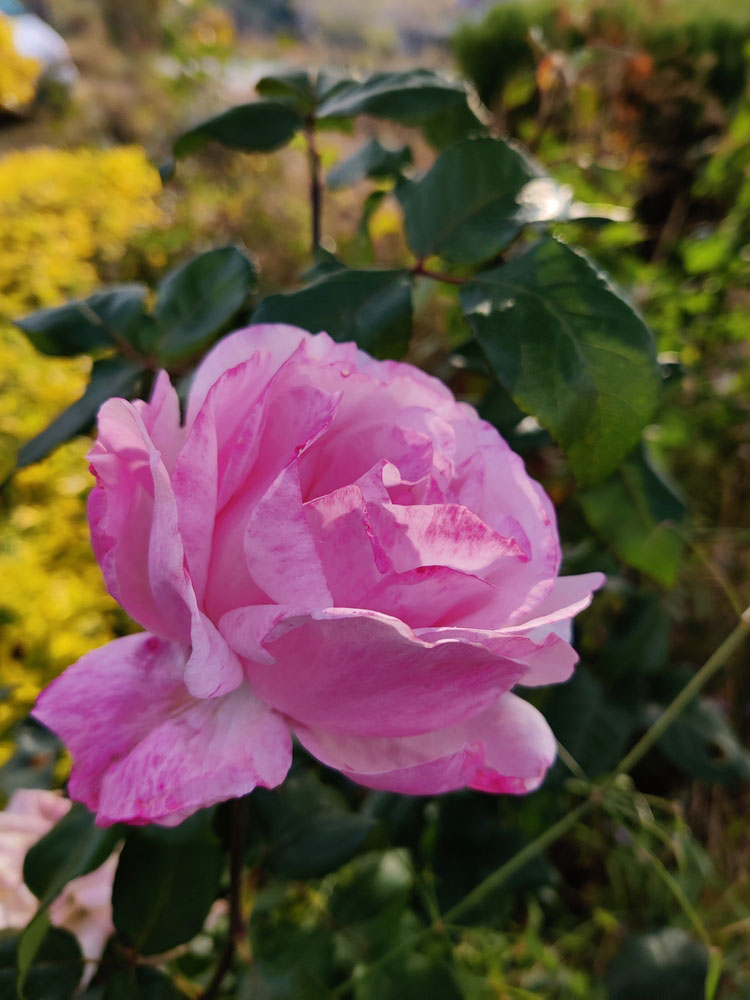
Now, this one comes with a small caveat. If you’re growing a repeat-blooming modern rose, go ahead and deadhead for more flowers.
But for once-blooming old garden roses and species roses? Step away. Those faded blooms turn into rose hips, and rose hips are spectacular.
They glow red, orange, and burgundy through fall and winter, they’re packed with vitamin C, and birds absolutely love them. Beauty and function in one tidy little package.
4. Beautyberry (Callicarpa)
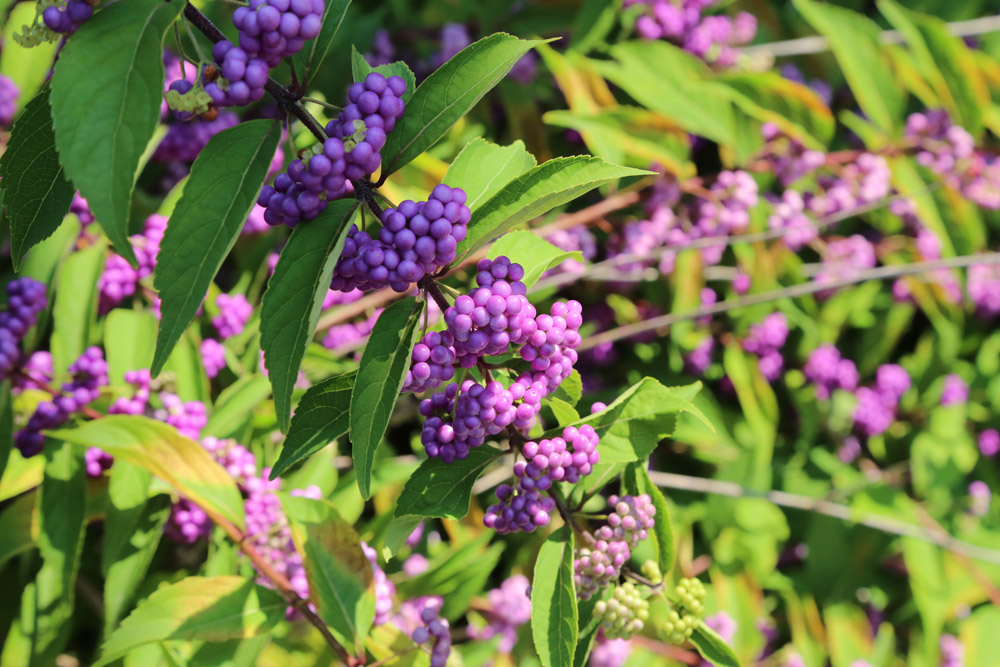
If you’ve never grown beautyberry, put it on your list right now. After the flowers fade, this shrub produces the most improbably vivid clusters of purple or white berries you’ve ever seen in a garden.
They look almost fake, like someone went at the branches with a craft store glitter gun. The thing to know here: don’t prune off those faded flowers or the berry-forming stems too eagerly.
Cut back too early or too aggressively and you lose the whole show. Let it do its thing, and you’ve got one of the most conversation-starting plants in any ornamental garden.
5. Baptisia (False Indigo)
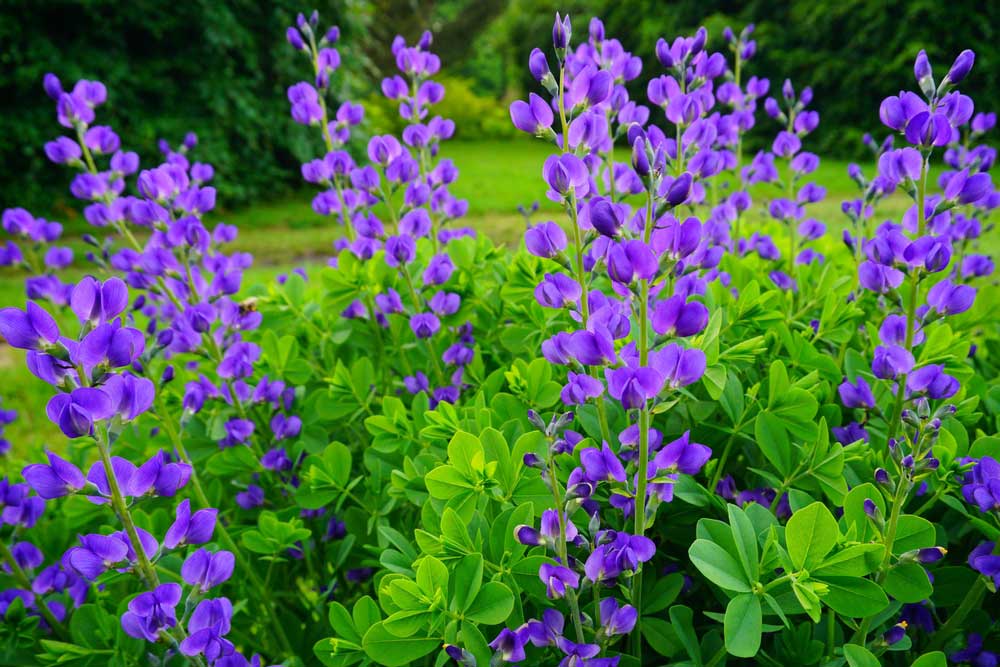
The flowers on baptisia are gorgeous, no question. But the real magic comes after. Once those pretty purple or white blooms drop, inflated charcoal-black seed pods take their place, and they are genuinely striking.
Dried arrangements, winter garden interest, that satisfying rattling sound when the wind blows through them (yes, that’s a feature, not a bug).
This is a plant that asks you to be a little patient, and then rewards you generously for it.
6. Ornamental Grasses
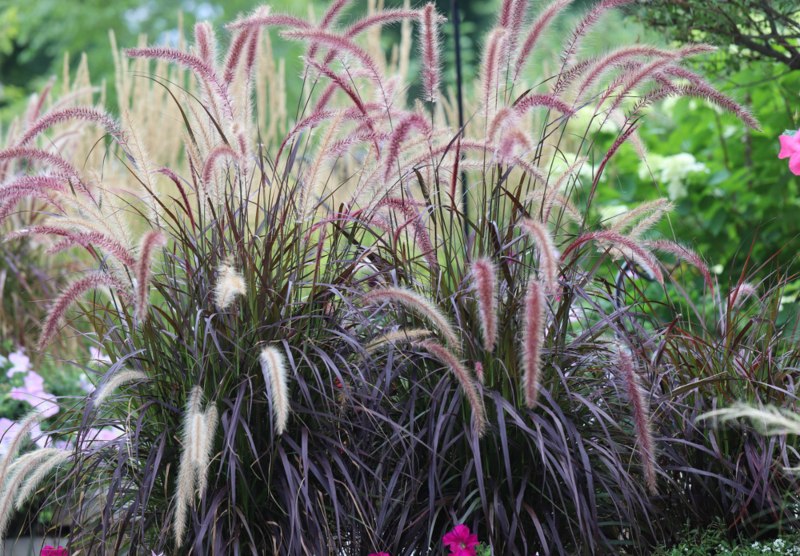
Okay, grasses aren’t deadheaded in the traditional sense, but they earn a spot on this list because the temptation to cut things back too early is very real. Resist it.
Those feathery plumes catch the light in late afternoon in a way that is almost unfairly beautiful.
They also provide food and nesting material for birds, and the movement they bring to a winter garden is something no other plant quite replicates.
Cut them back in late winter or early spring, and not a moment sooner.
7. Sedum (Hylotelephium)
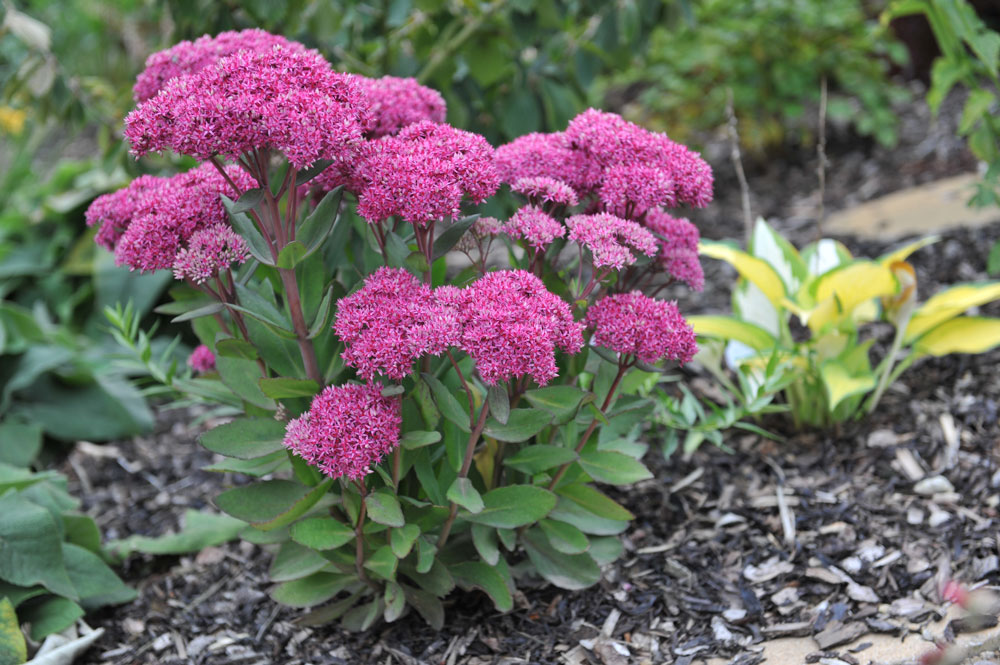
Sedum is one of those quietly magnificent plants that refuses to be uninteresting. The flowers fade to russet and bronze as temperatures drop, and the dried seed heads hold their shape beautifully through fall and well into winter.
Butterflies and bees love the late-season blooms before they fade, and the seed heads feed birds once the flowers are done.
Leave them alone and you’ve got a four-season performer sitting right there in your border.
8. Allium
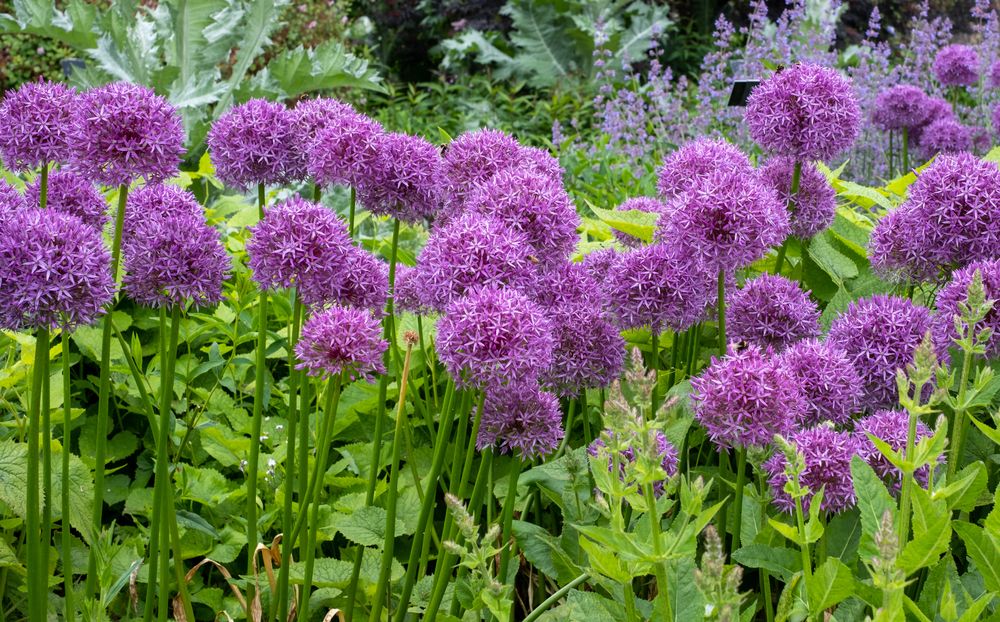
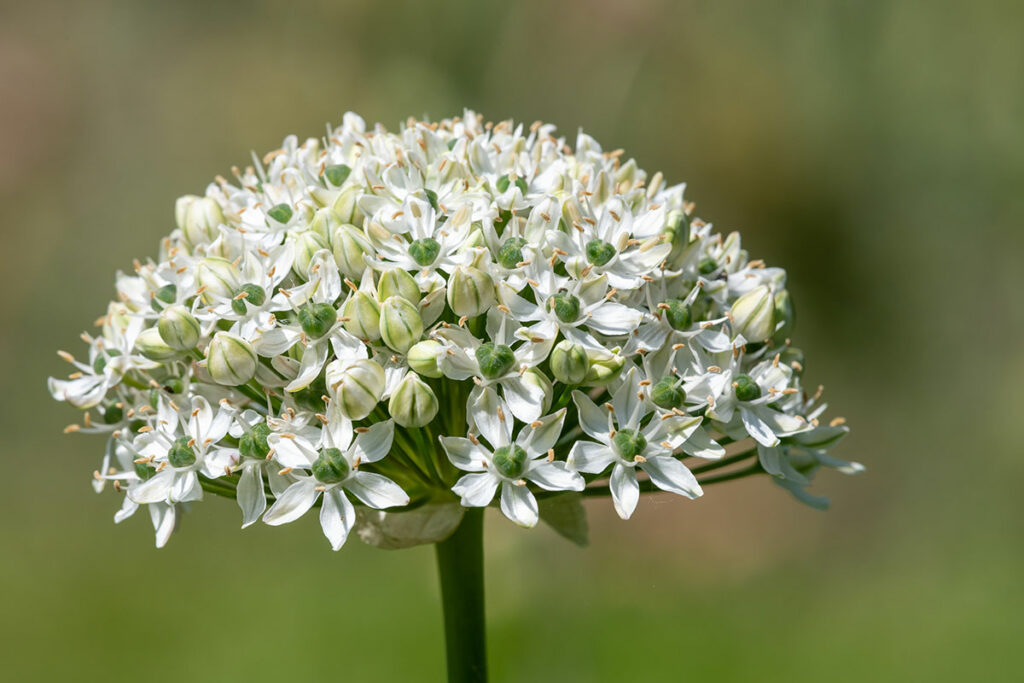
Those big round purple pompoms are the whole reason people plant alliums, and honestly, they keep delivering after the color fades. The dried globe-shaped seed heads turn a warm tan and bronze and hold their architectural shape for months.
Some gardeners do deadhead for tidiness or to put more energy back into the bulb, and that’s a perfectly valid choice. But if you like the dried globe look, and I really do, leave them. Mix them into a late-season border and they look intentional and elegant in a way that takes basically zero effort on your part.
9. Viburnum
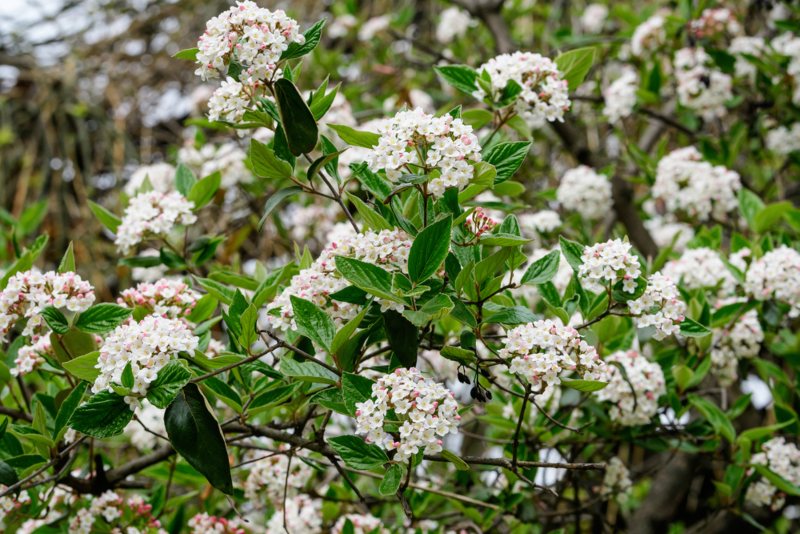
Viburnum is already one of my favorite shrubs for a long list of reasons. The flowers are lovely, the fall foliage is often spectacular, and then, if you haven’t gone in with the pruners too eagerly, you get berries.
Depending on the variety, those berries shift from green to yellow to red to blue-black through the season, and birds migrate specifically to find them.
Viburnum isn’t really a plant you deadhead in the annual sense, but the point stands: prune off those spent flower clusters and you’ve traded away the berries, the fall color, and a good chunk of what makes this shrub worth growing.
10. Columbine (Aquilegia)
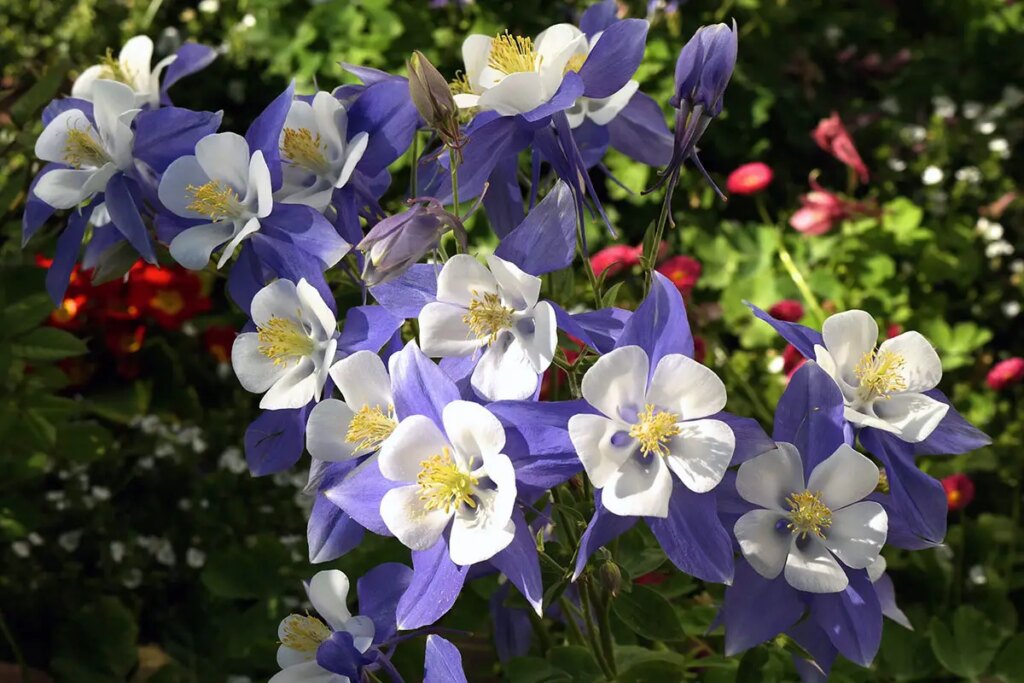
Columbine is a cheerful self-seeder, and that is mostly a wonderful thing. If you let those papery seed pods ripen and scatter on their own, you’ll find delightful little columbine seedlings popping up in spots you never would have thought to plant them.
One small note: if you’re growing hybrid varieties, the seedlings may not come back true to the parent plant, so you might get some color surprises. Deadhead too aggressively and you stop that whole charming process cold. More power to you if you want a very controlled garden, but I personally love the element of surprise.
The Takeaway
The next time you head outside with pruners in hand, take a slow walk through the garden first. Not everything that looks “done” is actually done.
Some of your most rewarding garden moments are still ahead of you, hiding inside those faded blooms and drying seed heads.
Let them do their thing, and don’t be surprised when the birds show up to say thank you.