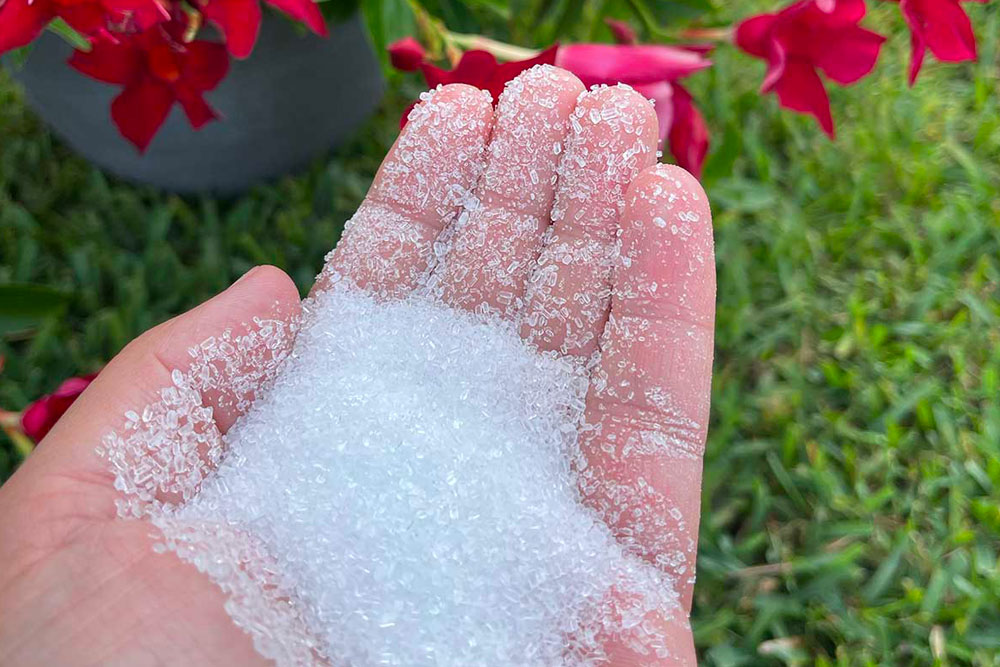
Epsom salt is one of the most debated garden remedies around.
Some gardeners swear it helps produce greener leaves, more flowers, and healthier tomatoes. Others warn that using it unnecessarily can create new problems.
The truth is that Epsom salt may help certain plants, but only when they are genuinely low in magnesium.
It is not a complete fertilizer, and it will not fix every yellow leaf or struggling plant.
Below are 10 plants that may benefit from Epsom salt, the signs to watch for, and how to use it without overdoing it.
A Quick Warning
Do not apply Epsom salt simply because a plant looks unhealthy. Yellow leaves can also be caused by overwatering, poor drainage, pests, root problems, or other nutrient deficiencies.
A soil test is the best way to confirm low magnesium. Otherwise, use it sparingly and avoid treating healthy plants “just in case.”
1. Tomatoes
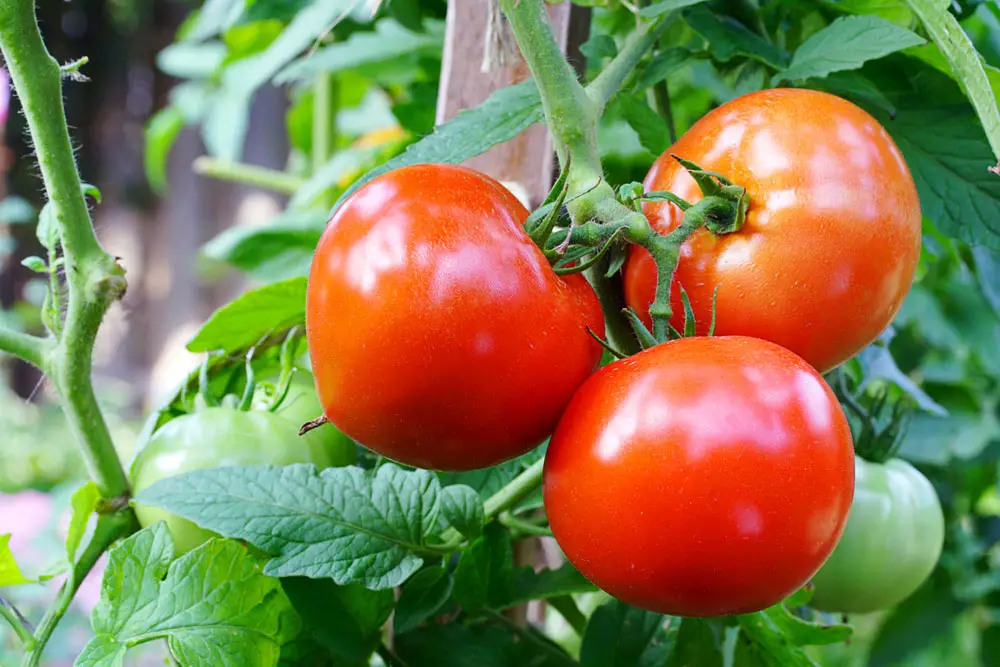
Tomatoes are one of the plants most often linked to Epsom salt, but it only helps in certain situations.
If older tomato leaves are turning yellow between green veins, magnesium deficiency may be part of the problem, especially in sandy soil, containers, or heavily used garden beds. In that case, Epsom salt may help supply a quick source of magnesium.
But it will not fix blossom end rot. That dark, sunken spot on the bottom of tomato fruit is usually tied to calcium movement and inconsistent watering, not a lack of magnesium. If that is the problem, focus on steady watering, mulch, and avoiding big swings in soil moisture.
2. Peppers
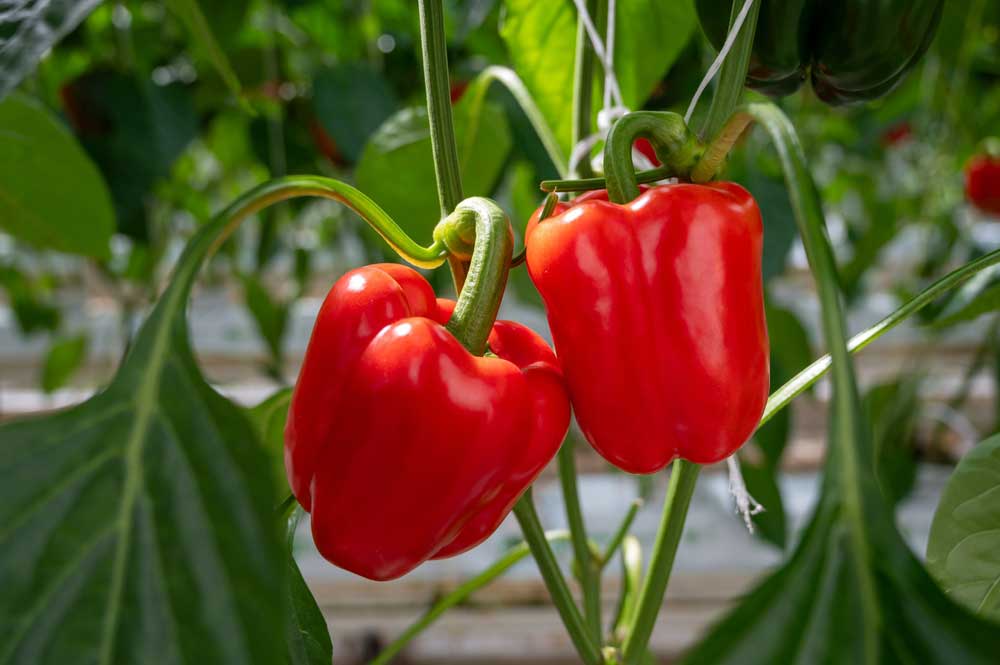
Peppers may also benefit from Epsom salt if they are truly low in magnesium.
The sign to watch for is yellowing between the veins on older leaves, while the veins stay greener. This can happen more often in containers or sandy soil where nutrients wash away quickly.
But if your pepper plant is dropping flowers, wilting in the heat, or producing slowly, Epsom salt probably is not the answer. Peppers are sensitive to stress, especially heat, inconsistent watering, and poor pollination. In those cases, fix the growing conditions first.
3. Roses
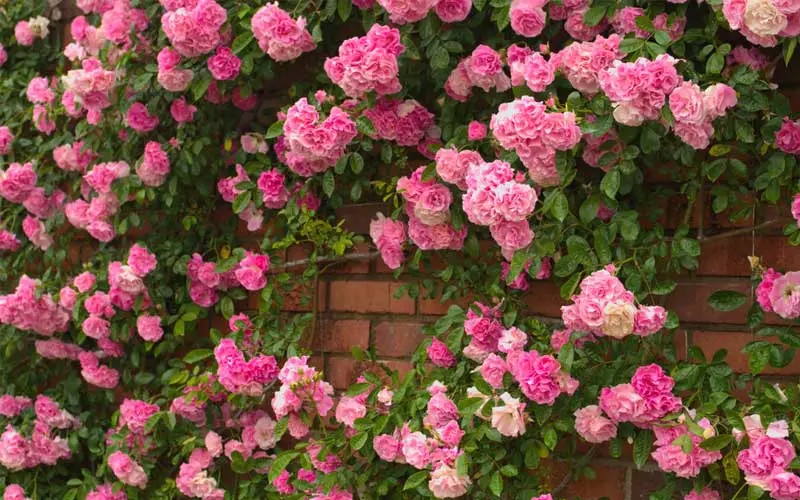
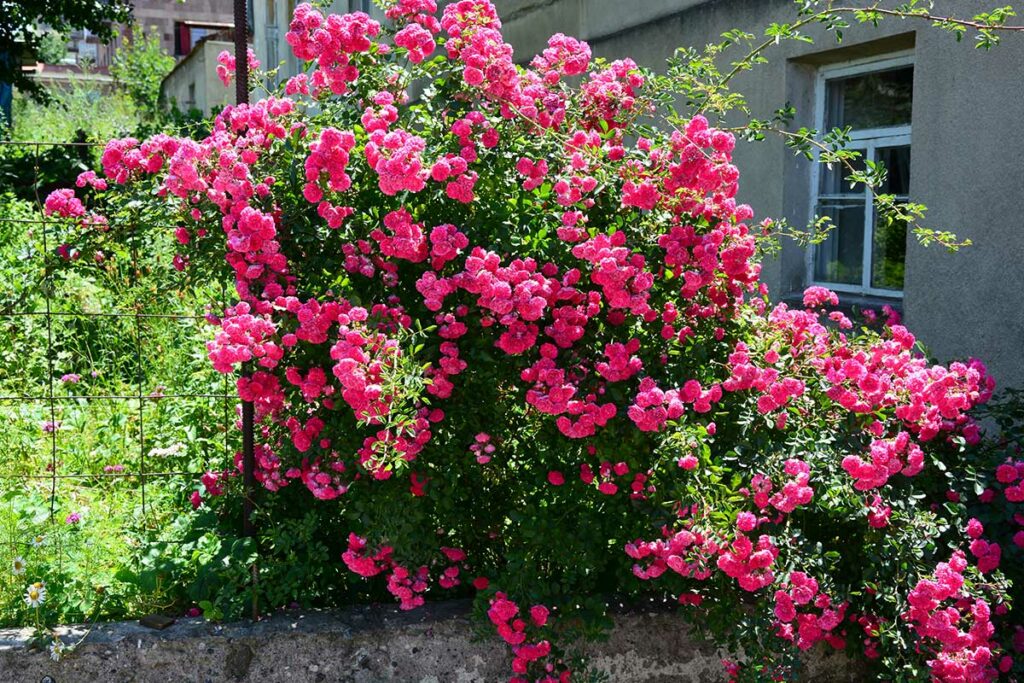
Many rose growers use Epsom salt because magnesium can support green foliage when the soil is deficient.
If your roses are growing in poor or sandy soil and the older leaves look pale between the veins, Epsom salt may be worth considering. It can be a useful small correction when magnesium is actually lacking.
Just do not treat it like a complete rose fertilizer. Epsom salt will not fix black spot, aphids, poor pruning, too much shade, or weak soil. Roses still need sun, airflow, regular feeding, and consistent moisture to perform their best.
4. Citrus Trees
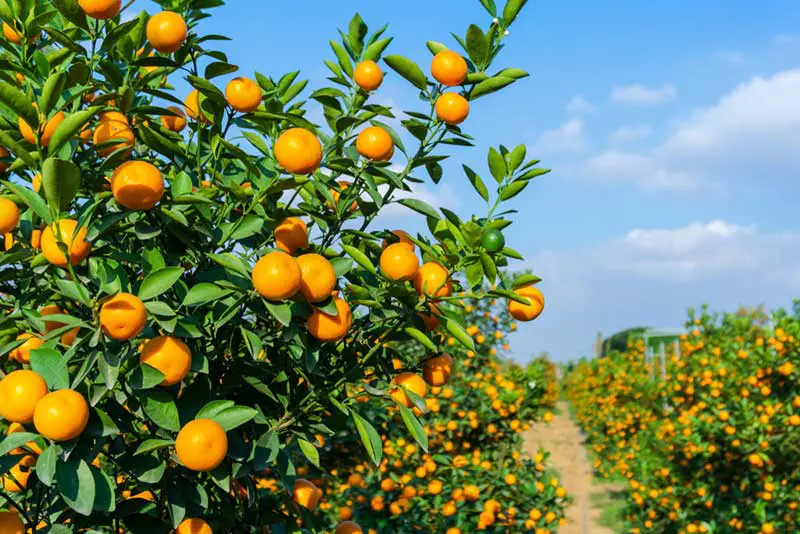
Citrus trees can show nutrient deficiencies, especially in sandy soil or areas with heavy rainfall.
Magnesium deficiency usually shows up on older citrus leaves. You may notice yellowing or pale areas while parts of the leaf remain greener. If magnesium is low, Epsom salt may help.
But if the newest leaves are yellow with green veins, the problem may be iron deficiency instead, often related to soil pH. Epsom salt will not fix that. Citrus usually does best with a fertilizer made specifically for citrus trees because they need a balanced mix of nutrients, not just magnesium.
5. Palms
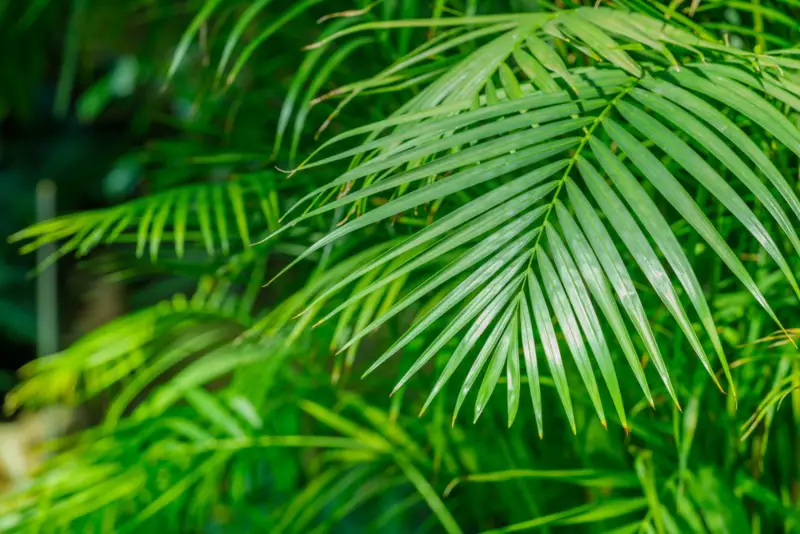
Palms are known for showing nutrient problems, especially in warm climates with sandy soil.
Magnesium deficiency can cause yellowing on older palm fronds, sometimes with a yellow band along the edges while the center stays greener. In that specific case, magnesium may help.
However, palms often need more than just Epsom salt. Many yellowing palms are also low in potassium, manganese, or other nutrients. A complete palm fertilizer is usually the better choice, especially if the palm is declining or showing several symptoms at once.
6. Hibiscus
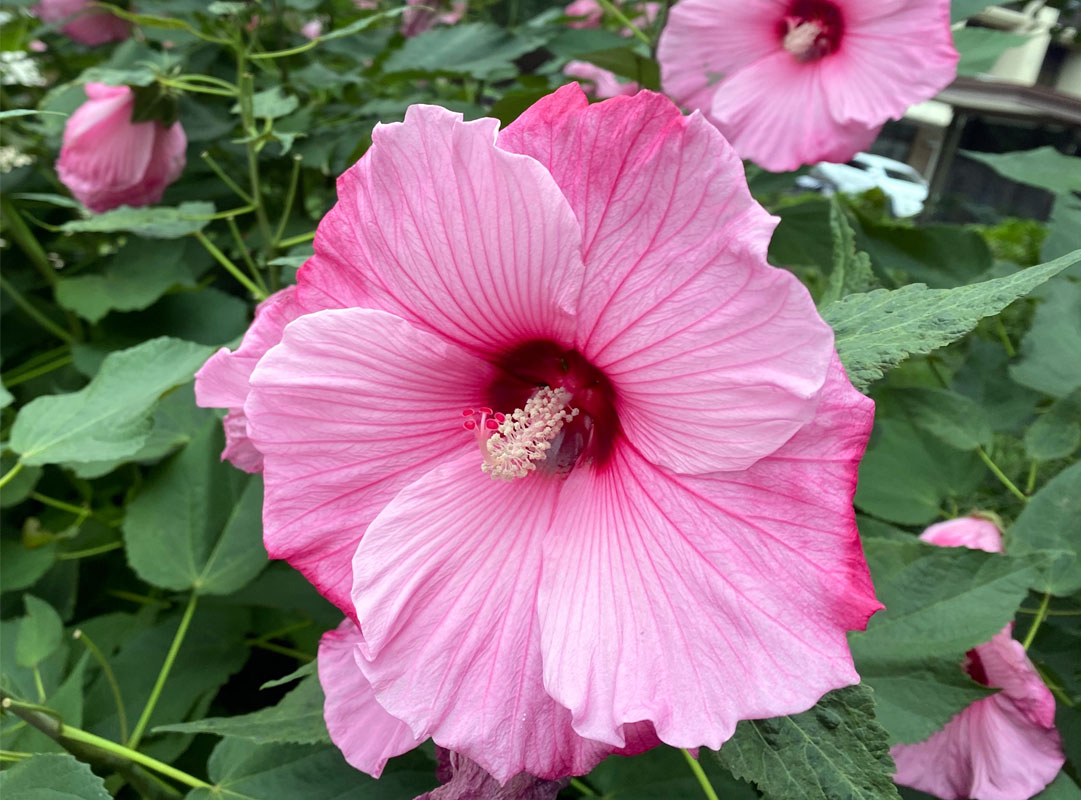
Hibiscus plants are heavy bloomers, and container-grown hibiscus can run through nutrients quickly.
If the older leaves are turning pale or yellow between the veins, magnesium deficiency may be part of the issue. Epsom salt may help in that situation, especially if the plant is growing in fast-draining soil or a pot that gets watered often.
But hibiscus can yellow for many reasons. Overwatering, cold stress, pests, lack of sunlight, or sudden changes in location can all cause leaf drop or yellow leaves. Before using Epsom salt, check the basics first.
7. Hydrangeas
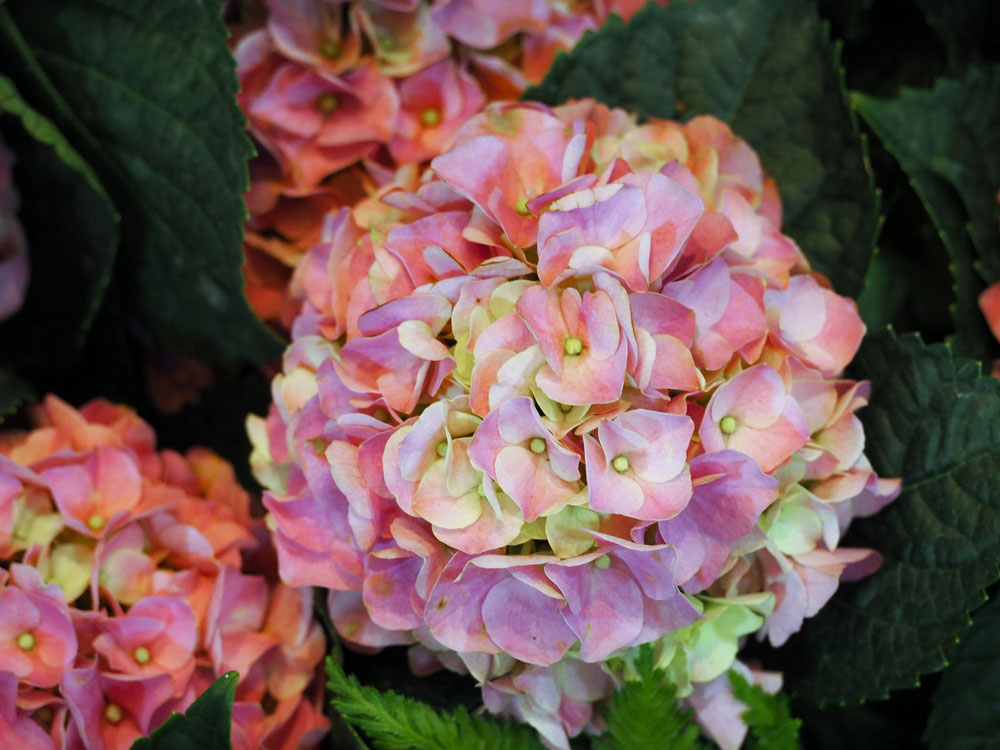
Hydrangeas are often mentioned with Epsom salt, but this one comes with an important warning.
Epsom salt does not change hydrangea flower color. If you are trying to turn bigleaf hydrangeas blue or pink, that has more to do with soil pH and aluminum availability.
Still, hydrangeas may benefit from magnesium if the soil is low and the older leaves are yellowing between green veins. Just do not expect Epsom salt to fix poor blooming. If your hydrangea is not flowering, look at pruning timing, winter damage, sunlight, and the variety you are growing first.
8. Camellias
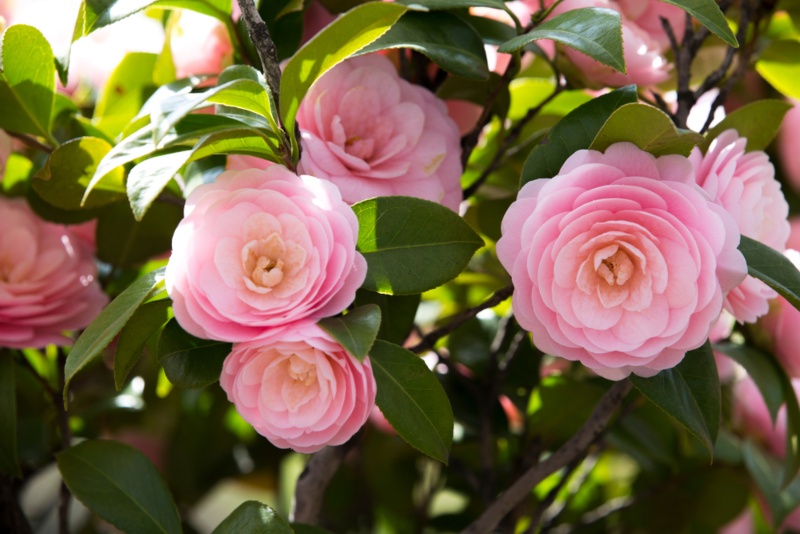
Camellias prefer rich, well-drained, acidic soil. When the soil is not right, they can quickly show yellowing leaves and weak growth.
If the older leaves are yellowing between the veins and your soil is low in magnesium, Epsom salt may help. But camellias are also sensitive to poor drainage and soil pH problems.
If the soil is too alkaline, the plant may struggle to take up nutrients even if those nutrients are already present. In many cases, an acid-loving plant fertilizer and better soil conditions will do more than Epsom salt alone.
9. Azaleas and Rhododendrons
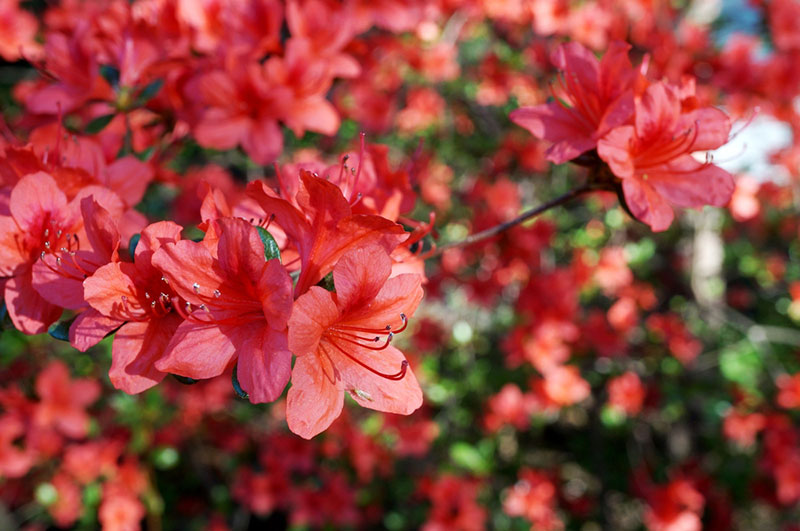
Azaleas and rhododendrons are acid-loving shrubs, so yellow leaves are often a soil issue rather than a simple magnesium problem.
If they are growing in the right acidic soil and older leaves still show yellowing between green veins, Epsom salt may help correct a magnesium shortage.
But if the soil is too alkaline, compacted, or soggy, Epsom salt will not solve the problem. These plants need good drainage, acidic soil, and steady moisture. For most struggling azaleas and rhododendrons, fixing the soil conditions should come before adding any quick supplement.
10. Container Vegetables and Flowers
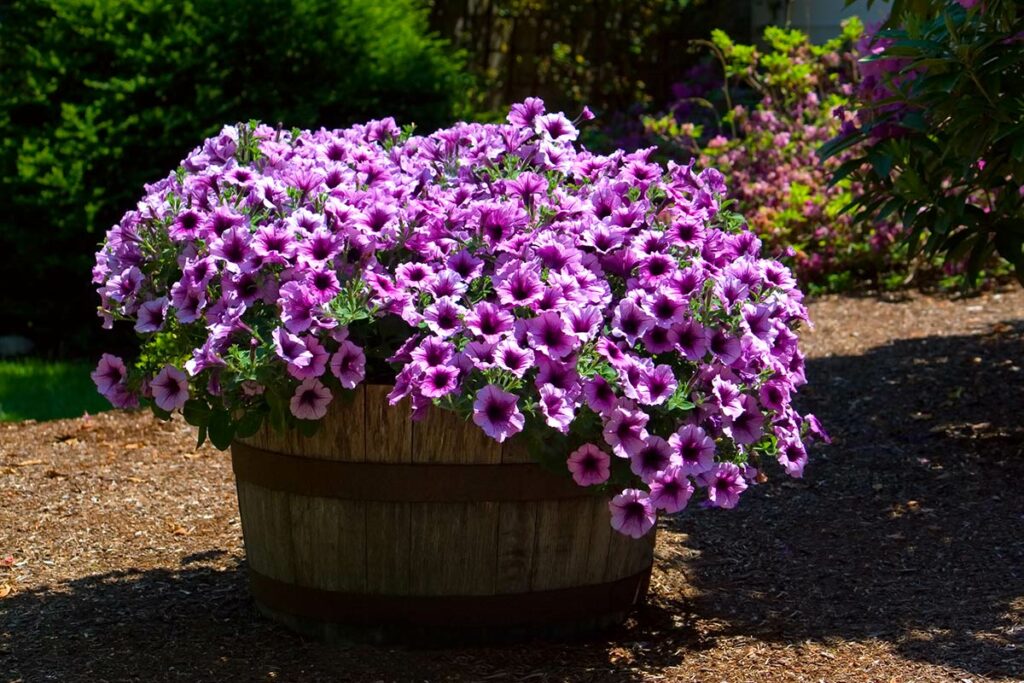
Container plants can be more likely to run short on nutrients because frequent watering washes nutrients out of the potting mix.
Tomatoes, peppers, hibiscus, petunias, and other hungry potted plants may benefit from Epsom salt if they show signs of magnesium deficiency, especially yellowing between the veins on older leaves.
But containers are also easy to overdo. Too much Epsom salt can lead to salt buildup in the potting mix, which can stress the roots. If you see white crust on the soil surface or around the pot, avoid adding more and flush the container with plain water instead.
For most container plants, a balanced fertilizer is still the better starting point.
(BONUS) Christmas Cactus
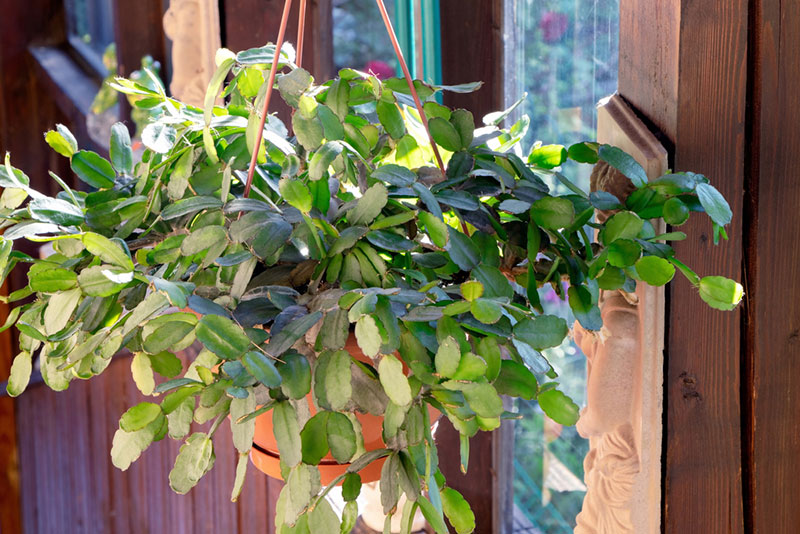
Christmas cactus (and its cousin, Thanksgiving cactus) is one of the few houseplants where Epsom salt has more backing than most.
Extension offices note that holiday cacti have a higher magnesium requirement than many other plants, and recommend fertilizing monthly during the growing season with Epsom salt mixed at about 1 teaspoon per gallon of water. If your Christmas cactus has pale or yellowing stems, especially with older growth turning dull between the segments, low magnesium may be part of the picture.
See our month-by-month Christmas Cactus fertilizer routine here
Just don’t apply it the same week as a regular balanced fertilizer – doing so can overload the soil with salts and make it harder for the plant to take up water properly. Stick to alternating the two, and taper off both in late summer so the plant can focus on setting buds instead of new growth.
As with everything else on this list, Epsom salt won’t fix a Christmas cactus that’s dropping buds from a sudden move, cold drafts, inconsistent watering, or too little darkness in fall. Those are light and care issues, not nutrient ones.
What Epsom Salt Actually Does for Plants
Epsom salt does not work like a complete fertilizer.
It does not contain nitrogen, phosphorus, or potassium, which are the three main nutrients listed on most fertilizer bags. It also will not fix poor soil, stop pests, cure plant diseases, or magically make a struggling plant bloom overnight.
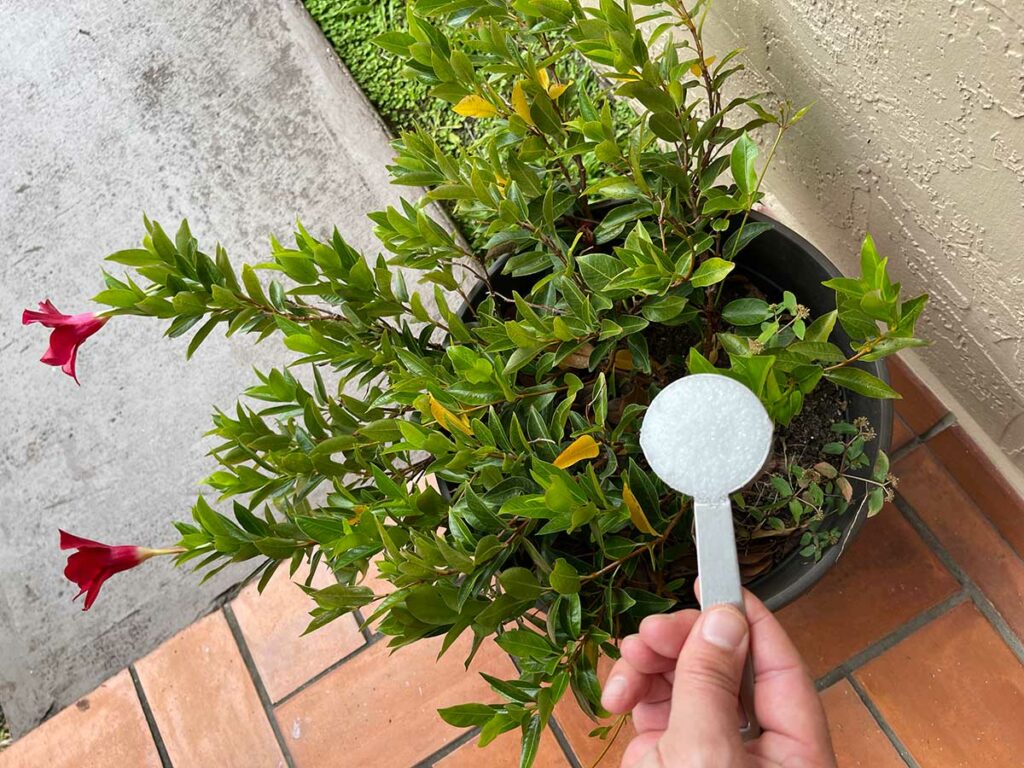
What it can do is provide magnesium and sulfur.
Magnesium is especially important because plants use it to make chlorophyll. When a plant is low in magnesium, older leaves may start to turn yellow between the veins while the veins stay green. This is often called interveinal chlorosis.
That said, magnesium deficiency is not as common as social media sometimes makes it sound.
If your garden soil already has enough magnesium, adding more is not helpful. In fact, too much magnesium can interfere with the way plants take up other nutrients, including calcium. That is one reason Epsom salt is not recommended as a fix for blossom end rot on tomatoes and peppers.
So before you start sprinkling it everywhere, think of Epsom salt as a targeted correction, not a weekly garden tonic.
Quick Chart: When Epsom Salt Might Help
| Plant | When It Might Help | When to Skip It |
|---|---|---|
| Tomatoes | Older leaves yellow between green veins | Blossom end rot, wilting, pest damage |
| Peppers | Similar yellowing on older leaves | Dropping flowers from heat stress |
| Roses | Pale foliage in magnesium-poor soil | Black spot, aphids, lack of pruning |
| Citrus | Yellowing older leaves, especially in sandy soil | Iron chlorosis on new growth |
| Palms | Magnesium deficiency symptoms in poor soil | Severe yellowing that needs palm fertilizer |
| Hibiscus | Pale leaves despite regular feeding | Overwatering or cold stress |
| Hydrangeas | Magnesium deficiency in depleted soil | Trying to change flower color |
| Camellias | Yellowing from nutrient imbalance | Alkaline soil or root problems |
| Azaleas | Deficiency symptoms in poor soil | Soil pH problems |
| Container plants | Nutrients leach out from frequent watering | Salt buildup or overfertilizing |
How to Use Epsom Salt Safely in the Garden
The safest answer is simple: use Epsom salt only when you have reason to believe magnesium is low.
A soil test is best. If your soil test recommends magnesium sulfate, follow the recommendation.
If you are using it without a soil test, be conservative. More is not better.
Here are a few practical tips:
- Do not apply it weekly as a general plant tonic.
- Do not use it as a complete fertilizer.
- Do not use it to fix blossom end rot.
- Do not use it on plants that are already stressed by soggy soil or root rot.
- Be extra careful with containers, where salts can build up.
- Watch the plant after using it. If growth gets worse, stop.
Also, remember that compost and balanced fertilizer usually do more for your garden over time than quick fixes.
Epsom salt has a place, but it is a very specific place.
Problems Epsom Salt Does Not Fix
This is where a lot of garden advice online gets a little too enthusiastic.
Epsom salt does not fix everything, and it is not a replacement for good plant care.
It does not fix:
- Blossom end rot on tomatoes or peppers
- Pest problems
- Fungal diseases
- Overwatering
- Underwatering
- Compacted soil
- Lack of sunlight
- Poor drainage
- Nitrogen deficiency
- Iron deficiency
- Plants growing in the wrong location
That last one is important.
A shade-loving plant baking in afternoon sun is not asking for Epsom salt. A tomato plant drying out every afternoon is not asking for Epsom salt. A rose covered in black spot is not asking for Epsom salt.
Sometimes the best garden fix is not adding something. Sometimes it is correcting the growing conditions.
So, Should You Use Epsom Salt on Your Plants?
Maybe.
If your plant is showing signs of magnesium deficiency, especially older leaves turning yellow between green veins, Epsom salt may help. This is more likely in sandy soil, heavily used beds, or containers that are watered frequently.
But if your plant is simply looking sad, yellow, wilted, or stressed, slow down before grabbing the Epsom salt.
Check the basics first:
Is the plant getting the right amount of sun?
Is the soil too wet or too dry?
Are the roots healthy?
Has the plant been fertilized with a balanced fertilizer?
Is the yellowing on old leaves or new leaves?
Are pests hiding under the leaves?
Once you answer those questions, you will have a much better idea of whether Epsom salt makes sense or whether something else is going on.
The truth is, Epsom salt is not a miracle garden cure. But used carefully, and for the right reason, it can be a helpful tool.
Just treat it like a correction for a possible magnesium deficiency, not a magic sprinkle for every plant in the yard.
FAQ: Epsom Salt for Plants
What plants like Epsom salt the most?
No plant really “likes” Epsom salt just for the sake of it. Plants may benefit from Epsom salt if they are low in magnesium. Tomatoes, peppers, roses, citrus, palms, hibiscus, hydrangeas, camellias, azaleas, and container plants are commonly discussed, but it should only be used when symptoms suggest a magnesium deficiency.
What does magnesium deficiency look like in plants?
Magnesium deficiency often appears as yellowing between the veins of older leaves. The veins may stay green while the leaf tissue turns pale or yellow. This usually starts on older leaves because magnesium is a mobile nutrient within the plant.
Can Epsom salt fix yellow leaves?
Sometimes, but only if the yellowing is caused by magnesium deficiency. Yellow leaves can also be caused by overwatering, poor drainage, lack of nitrogen, iron deficiency, pests, disease, or normal aging. Always look at the whole plant before deciding what to add.
Does Epsom salt help tomatoes produce more fruit?
Only if the tomato plant is low in magnesium. If your soil already has enough magnesium, Epsom salt is unlikely to increase fruit production. Tomatoes need balanced nutrition, consistent watering, and enough sunlight to produce well.
Does Epsom salt fix blossom end rot?
No. Epsom salt is not a good fix for blossom end rot. Blossom end rot is usually related to calcium movement in the plant and inconsistent soil moisture. Adding extra magnesium may even make calcium uptake harder if the soil already has enough magnesium.
Can I sprinkle Epsom salt directly on soil?
It is better to be cautious. If a soil test recommends magnesium sulfate, follow the recommended amount. Avoid sprinkling it around plants as a routine habit, especially in containers or soil that may already contain enough magnesium.
Can too much Epsom salt hurt plants?
Yes. Too much Epsom salt can contribute to salt buildup in the soil and may interfere with the uptake of other nutrients. More is not better.
Is Epsom salt a fertilizer?
Epsom salt contains magnesium and sulfur, but it is not a complete fertilizer. It does not contain nitrogen, phosphorus, or potassium. Most plants still need compost, healthy soil, and a balanced fertilizer if nutrients are lacking.
Should I use Epsom salt on houseplants?
Be very careful with houseplants. Potting mix can build up salts over time, especially in pots without good drainage. If a houseplant has yellow leaves, check watering, light, roots, and pests first. Epsom salt should only be considered if magnesium deficiency is likely.
What should I use instead of Epsom salt?
For most gardens, compost and a balanced fertilizer are better choices. If you suspect a nutrient problem, a soil test is the best place to start. That way, you know what your soil actually needs instead of guessing.