Thinking about planting a tree near your house? It sounds like a great idea. A little shade, a little privacy, maybe even a boost in curb appeal.
I’ve been there too.
But here’s the part most people do not think about until it is too late. Some trees may look small and manageable at first, then quietly turn into a much bigger problem.
Roots start spreading. Branches get heavier. Suddenly that “perfect spot” does not feel so perfect anymore.
So which trees are worth the risk, and which ones should you keep far away from your home?
Here are 10 Florida trees you should think twice about planting too close to your home, plus why they can become a problem.
1. Live Oak
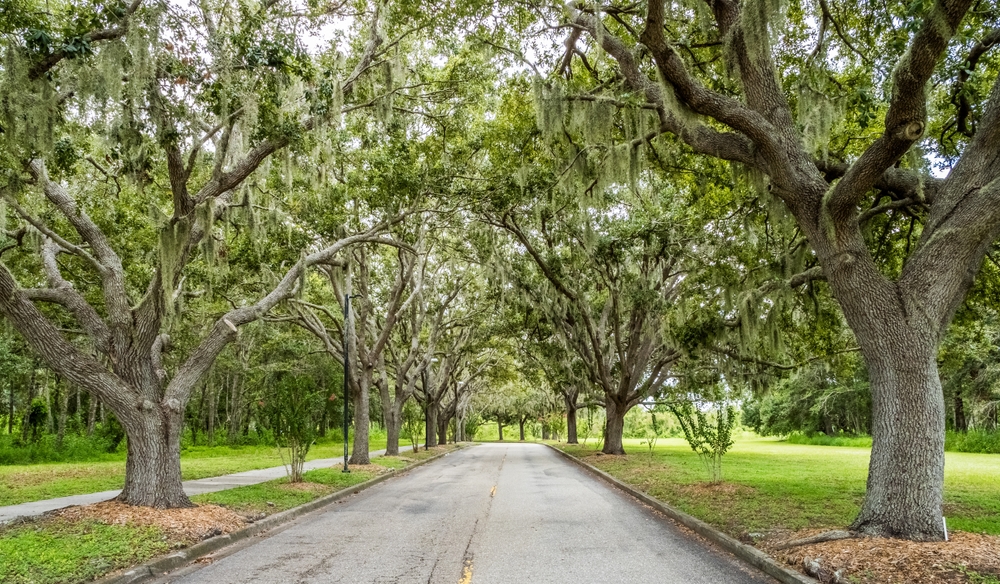
Live oaks are beautiful. No argument there. They are iconic, stately, and full of old Florida charm.
They are also enormous.
A young live oak might look harmless when it goes into the ground, but this is not a tree for a narrow side yard or a planting bed a few feet from the house. Over time, live oaks develop huge spreading canopies and extensive root systems. Those roots can compete with hardscaping, creep toward foundations, and make nearby areas a headache to maintain.
Then there is the canopy. A mature live oak can cast serious shade, drop lots of leaves and acorns, and eventually loom over the roofline if it is planted too close.
Good enough for me. This one belongs in a big yard, not tucked beside the house like an afterthought.
Why it is risky near a home:
- Massive mature size
- Wide, strong root spread
- Can interfere with driveways, walks, and foundations
- Large limbs can become a hazard in storms
2. Ficus
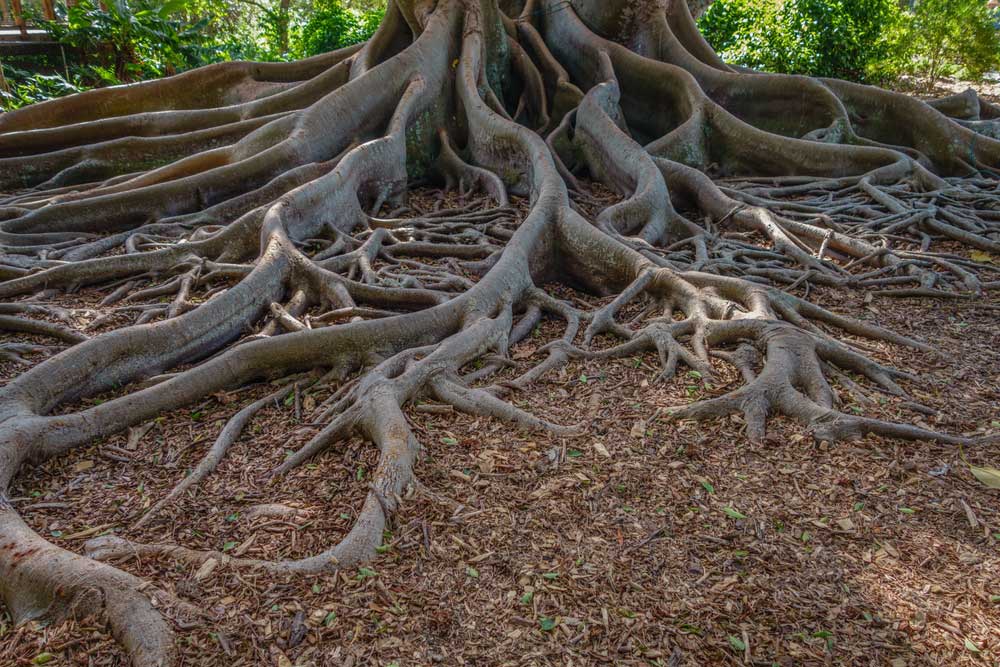
If Florida had a hall of fame for root troublemakers, ficus would absolutely make the list.
These trees are often planted for fast privacy and dense evergreen growth. That part sounds great. The part that does not sound great is what happens below ground.
Ficus roots are aggressive. Very aggressive. They are known for lifting sidewalks, pushing into nearby structures, and seeking out moisture wherever they can find it. Plant one too close to a house, wall, pool deck, or pipe line, and you may be creating a problem that takes years to show up and a lot of money to fix.
This is one of those trees that can look like a smart landscaping choice at first and then turn into a note-to-self moment later.
Why it is risky near a home:
- Highly invasive root system
- Can damage foundations, walls, and pavement
- Not a good fit near plumbing or septic systems
- Fast growth makes the problem bigger, faster
3. Australian Pine
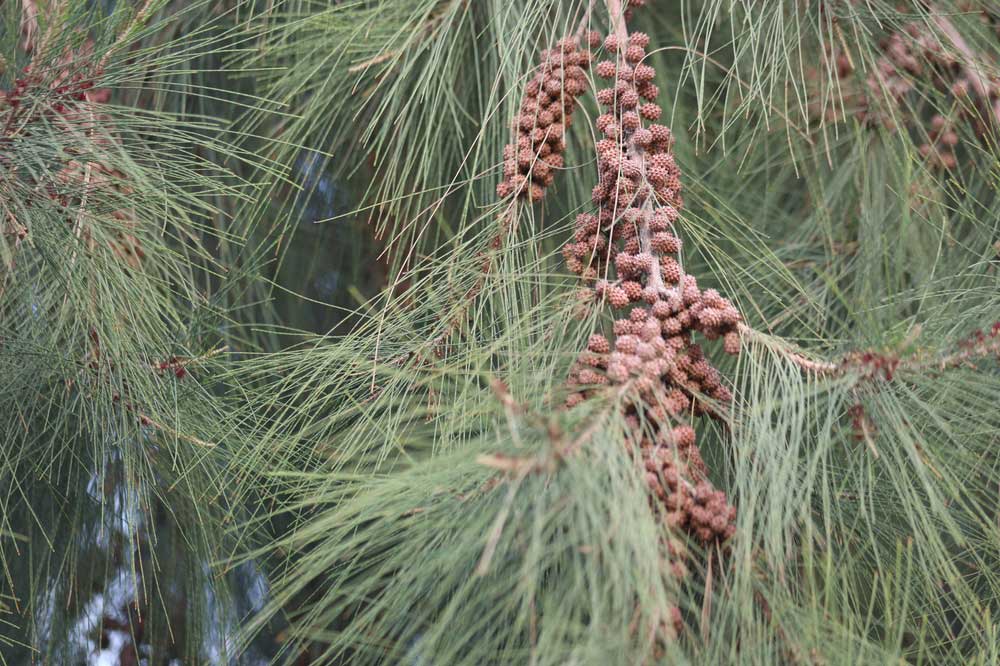
Despite the name, Australian pine is not a pine at all. It is also a tree that has caused its fair share of problems in Florida landscapes.
It grows quickly, gets tall, and can create a dramatic screen. But quick growth and dramatic height are not always your friends when a tree is planted near a house in a storm-prone state.
Australian pine tends to develop shallow roots, which means it can be more prone to uprooting in high winds. And in Florida, high winds are not exactly a rare surprise.
It is also considered invasive in many parts of the state, which gives you yet another reason to skip it.
Why it is risky near a home:
- Shallow root system
- Poor storm performance
- Can topple or fail during hurricanes and tropical storms
- Invasive reputation makes it a poor landscape investment
4. Royal Poinciana
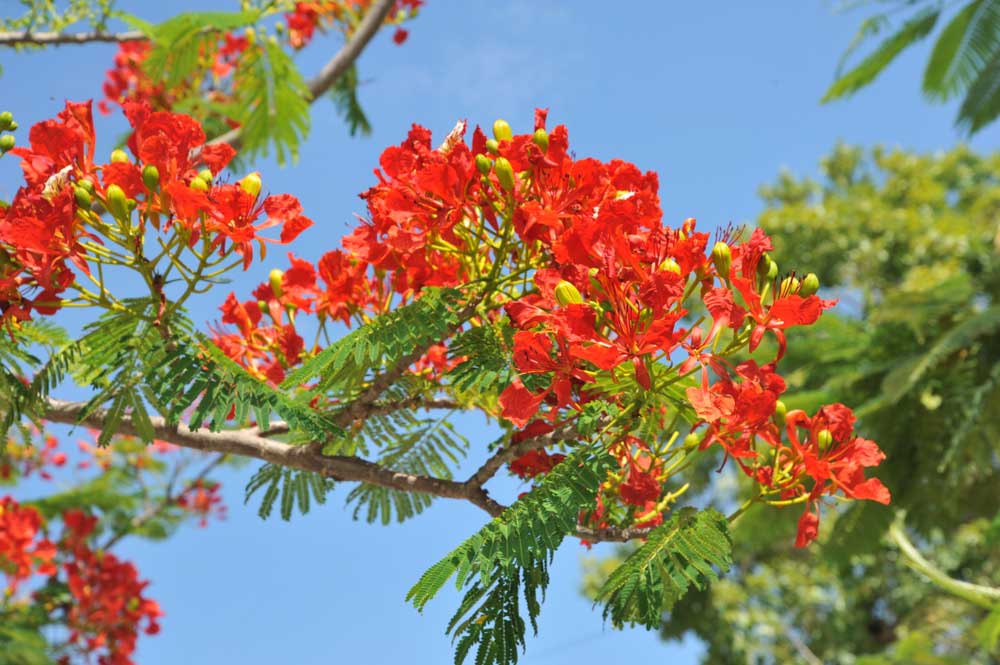
Royal poinciana is a show-off in the best and worst ways.
When it blooms, it is breathtaking. The fiery flowers are hard to ignore, and it is easy to see why so many people fall for it.
But this tree needs space. Real space.
Royal poinciana develops a broad canopy and wide-reaching surface roots that can lift sidewalks, crowd foundations, and take over nearby planting areas. It is not shy. If you plant it too close to your house, it will eventually let you know that was a bad idea.
This is one of those trees that works much better in a large open lawn than in a tight suburban front yard.
Why it is risky near a home:
- Surface roots can lift pavement
- Canopy spreads very wide
- Needs lots of clearance from structures
- Flowers, seed pods, and leaf drop add cleanup
5. Weeping Willow
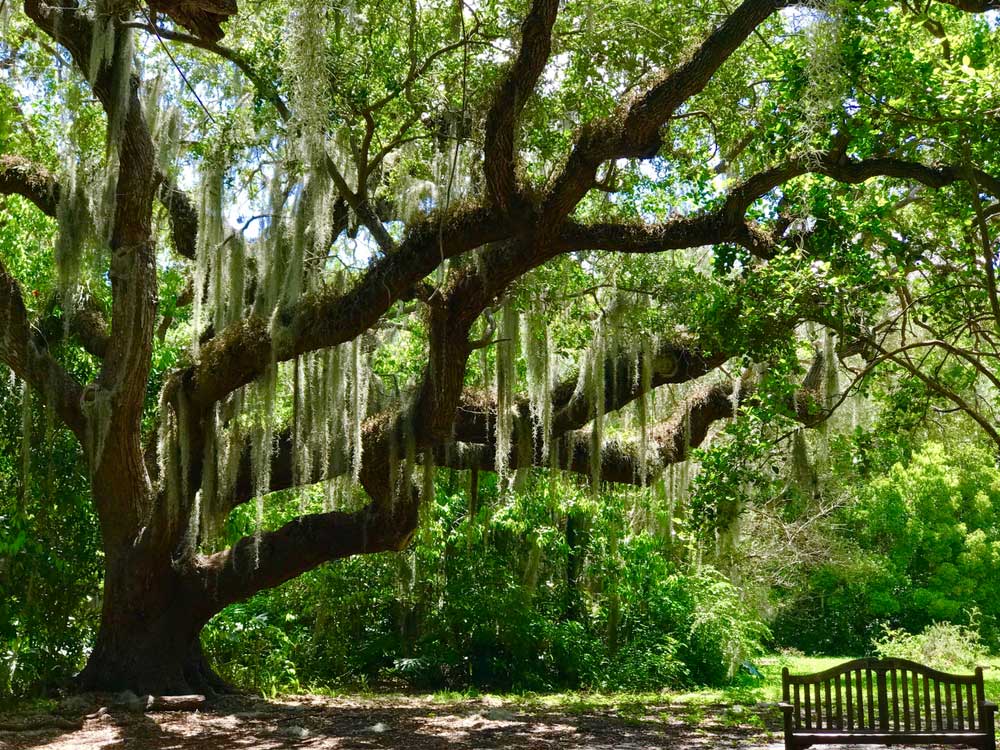
There is something undeniably romantic about a weeping willow. It has that graceful, storybook look that makes people want one in the yard immediately.
But before you plunk one near the house, it helps to know what you are signing up for.
Willows are famous for water-seeking roots. That means they are especially troublesome near sewer lines, water lines, drains, and septic systems. Their roots go looking for moisture, and if they find a weak point, they may try to move in.
Florida homeowners should be extra cautious with any tree that has this kind of reputation, especially in landscapes where drainage, irrigation, and underground utilities are already part of the equation.
Why it is risky near a home:
- Roots aggressively seek water
- Can invade pipes and septic systems
- Fast-growing and messy
- Better suited far away from structures and utilities
6. Eucalyptus
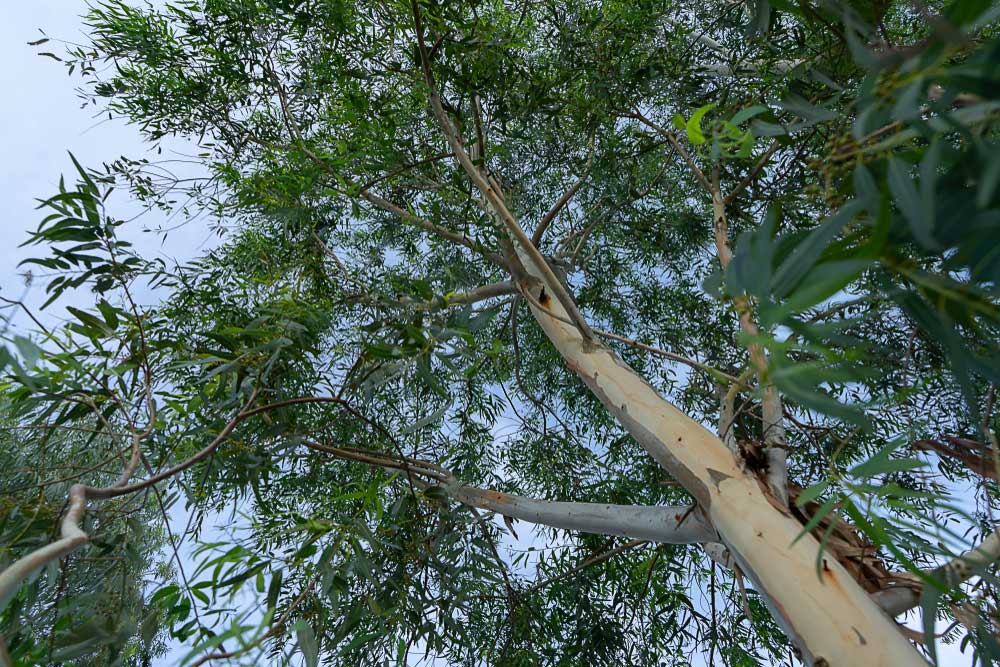
Eucalyptus has its fans. It grows fast, smells nice, and has that silvery foliage many gardeners love.
But fast is not always fabulous.
Some eucalyptus species can become very large, and rapid growth often comes with weaker wood and branch drop. In a Florida yard, that can mean extra risk during storms and high winds. Add in peeling bark and litter, and it starts to feel less charming and more like a cleanup schedule with leaves.
If you want a tree near your house, you want something dependable. You do not want to spend hurricane season side-eyeing it every time the wind picks up.
Why it is risky near a home:
- Fast growth can lead to weaker branching
- Limb drop is a concern
- Can become too large for smaller lots
- Messy around patios, roofs, and gutters
7. Black Olive Tree
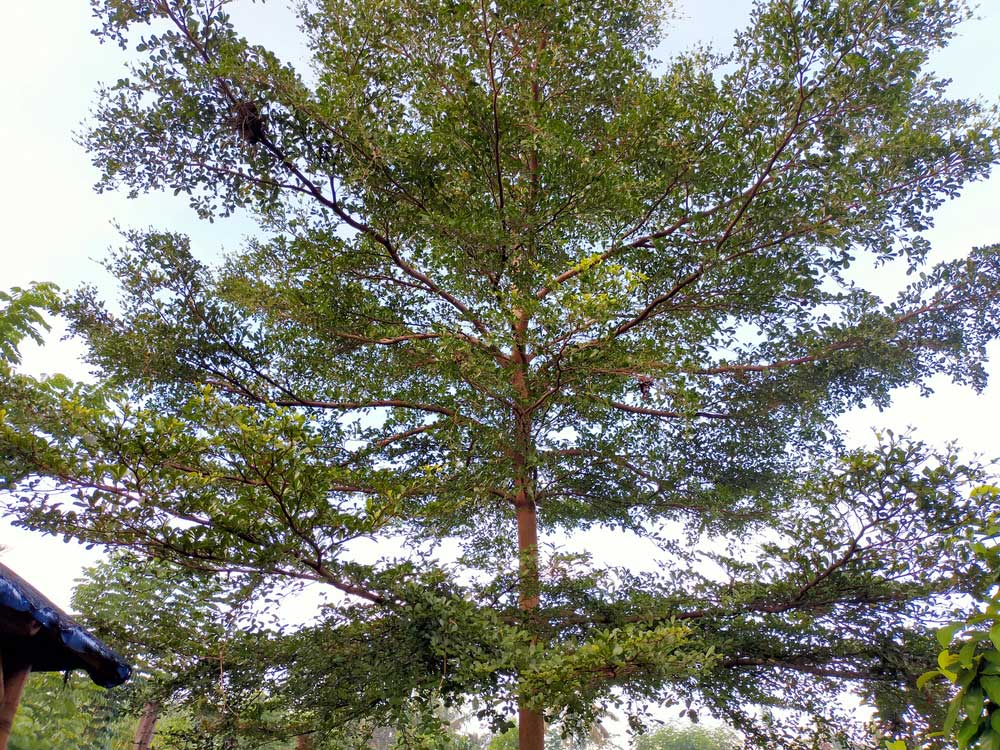
Black olive tree, especially the popular ornamental forms used in South Florida landscapes, often gets planted because it looks sleek, tidy, and upscale.
And to be fair, it can look beautiful.
But it can also become a root and litter problem if planted too close to the house, driveway, or walkway. Surface roots may lift paving over time, and fallen leaves, fruit, or debris can stain and dirty nearby surfaces.
That polished look can come with a maintenance bill attached.
This is not me being dramatic. It is just one of those cases where the wrong placement turns a pretty tree into a persistent nuisance.
Why it is risky near a home:
- Surface roots can crack sidewalks and driveways
- Debris can stain nearby surfaces
- Can outgrow tighter spaces
- Better used where roots have room to spread
8. Norfolk Island Pine
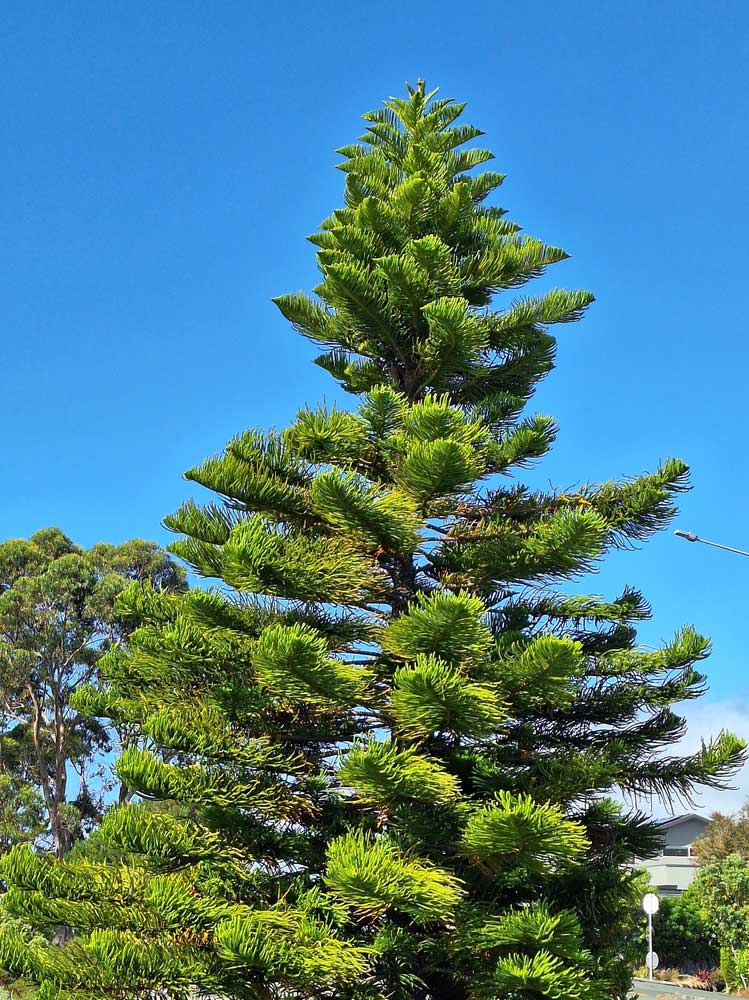
Norfolk Island pine has a soft, symmetrical look when young. It almost seems polite.
Do not let that fool you.
Over time, this tree can become very tall, and in Florida, that matters. A tall tree planted too close to a home is already questionable. A tall tree with potential wind vulnerability in a hurricane-prone region is even more questionable.
It may look manageable in the nursery pot. Years later, it can become a towering problem with very little sense of personal boundaries.
Why it is risky near a home:
- Grows extremely tall
- Can become hazardous in strong winds
- Not ideal near roofs, power lines, or structures
- Best planted only where there is lots of open space
9. Southern Magnolia
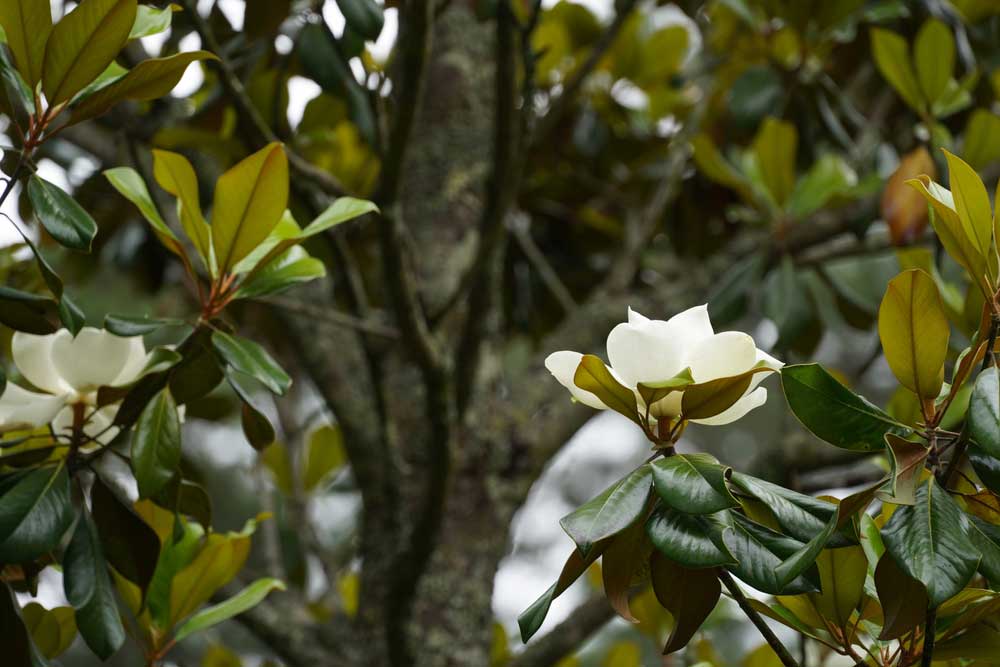
This one may surprise some gardeners.
Southern magnolia is native, beautiful, and beloved. It is also often planted in spots that are much too small for its mature size.
Young trees can look perfectly reasonable near a house. Then they grow into large shade trees with broad canopies, big roots, and plenty of dropped leaves, seed pods, and those giant leathery leaves that seem to land everywhere all at once.
There is nothing wrong with a southern magnolia. It just needs more breathing room than people often give it.
Or was it the glossy leaves and big white blooms that distracted everyone from reading the plant tag? Hard to say.
Why it is risky near a home:
- Gets much larger than many homeowners expect
- Roots and trunk need room to expand
- Heavy litter can clog gutters and crowd beds
- Can overwhelm smaller landscapes
10. Carrotwood
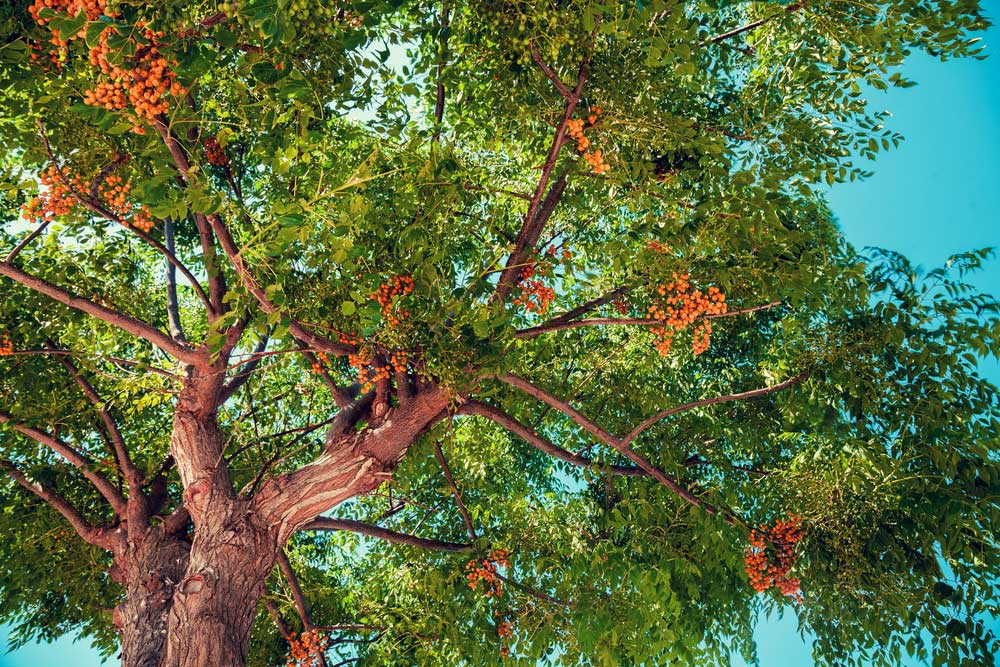
Carrotwood has been used as a landscape tree in Florida for years, but it is another one that deserves caution.
It can grow into a fairly large shade tree, and in some areas it has a reputation for invasive behavior. That alone should make homeowners pause before planting it close to the house.
Beyond that, size matters. Trees that become broad and substantial over time need proper spacing from structures, foundations, driveways, and patios. If you do not give them that space up front, they tend to take it later.
And trees are not exactly known for asking permission.
Why it is risky near a home:
- Can become too large for tight spaces
- Invasive concerns in some parts of Florida
- Not ideal close to houses, pavement, or utilities
- Better alternatives are available
Common Problems These Trees Can Cause
| Tree | Main Problem | Best Reason to Avoid Near a Home |
|---|---|---|
| Live Oak | Huge roots and canopy | Too large for tight spaces |
| Ficus | Aggressive roots | Can damage foundations and pipes |
| Australian Pine | Shallow roots and storm risk | Likely to fail in severe weather |
| Royal Poinciana | Wide surface roots | Can lift pavement and crowd structures |
| Weeping Willow | Water-seeking roots | Can invade plumbing and septic areas |
| Eucalyptus | Fast, brittle growth | Branch drop can be dangerous |
| Black Olive Tree | Surface roots and litter | Can crack pavement and make a mess |
| Norfolk Island Pine | Height and wind vulnerability | Poor choice close to structures in storm zones |
| Southern Magnolia | Large mature size and litter | Needs more room than many homeowners expect |
| Carrotwood | Invasive behavior and size | Not a smart long-term choice near a home |
How Far Should Trees Be From Your House?
That depends on the tree, of course, but here is the general rule I wish more homeowners followed:
Always plant for the mature size, not the cute little nursery size.
A tree that looks neat and manageable today may be plotting absolute mayhem ten years from now.
As a rough guide:
- Small ornamental trees usually need more room than people think
- Medium trees should not be squeezed right against the foundation
- Large shade trees belong well away from the house, driveway, septic area, and underground lines
If a tree is known for aggressive roots or a very broad canopy, giving it extra distance is almost always the smarter move.
Better Questions to Ask Before Planting a Tree
Before planting any tree near your home, ask:
- How tall and wide will it get at maturity?
- Is the root system known to be aggressive?
- How does it handle strong wind and storms?
- Does it drop heavy fruit, seed pods, or limbs?
- Will it outgrow this spot in ten years?
- Is it recommended for residential landscapes in Florida?
Those questions can save you a lot of regret later.