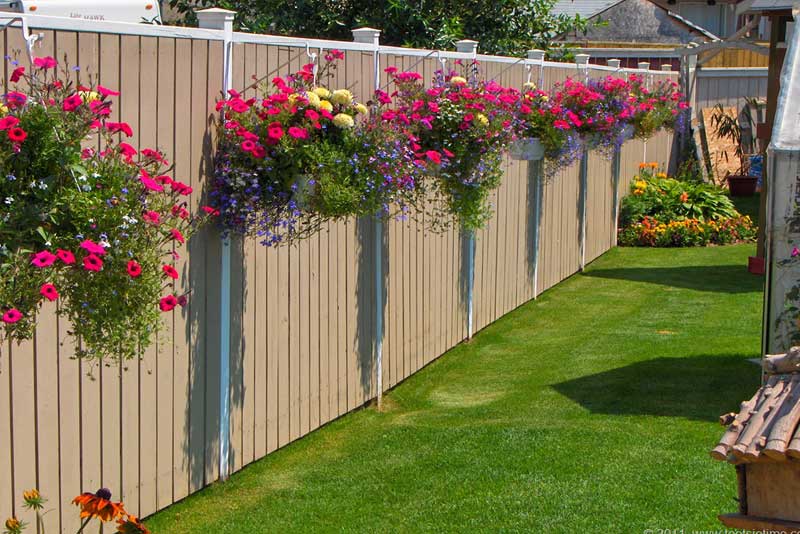
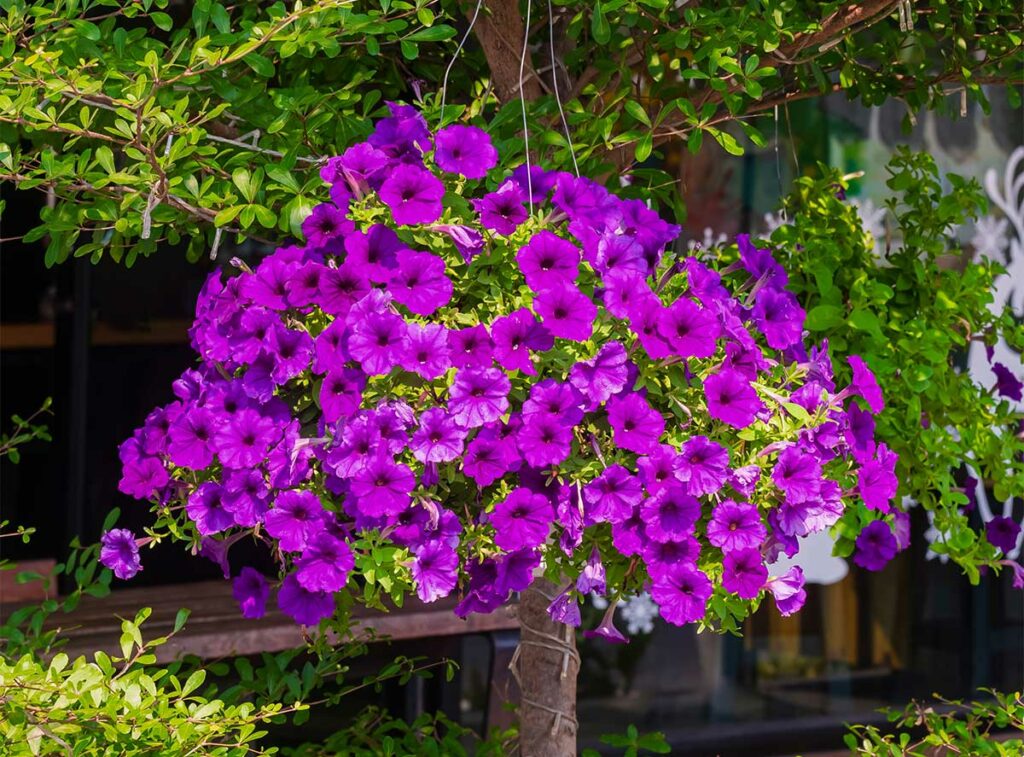
There’s something about a lush, overflowing hanging basket that just makes a front porch look finished. Like you’ve got it together. Like you’re the kind of person who remembers to water things.
I’ll be honest with you: I have killed more hanging baskets than I care to admit. For years I blamed the heat, blamed the cheap potting mix, blamed the particular patch of sky my porch faces. Turns out, I was the problem. Or rather, the nine habits I didn’t even realize I had were the problem.
After doing a deep dive (and consulting with a few people who actually know what they’re doing), here’s what I’ve learned. Some of this confirmed what I suspected. Some of it genuinely surprised me. Read on to find out which mistakes might be quietly sabotaging your summer blooms.
Mistake #1: Watering on a Schedule Instead of Checking the Soil
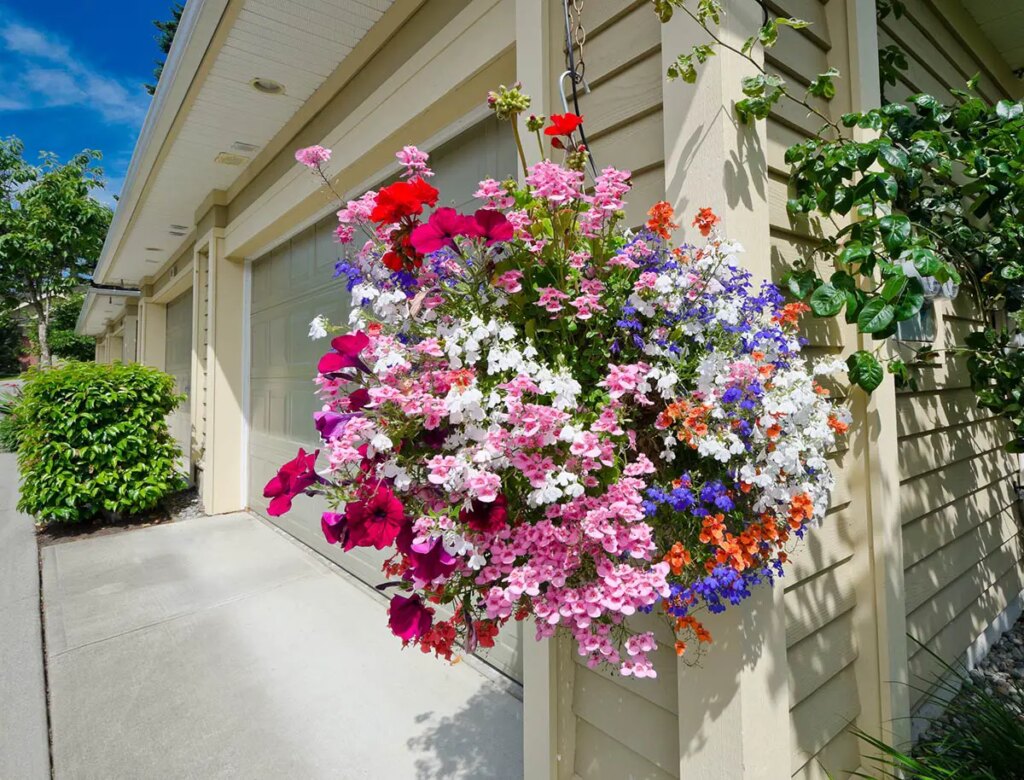
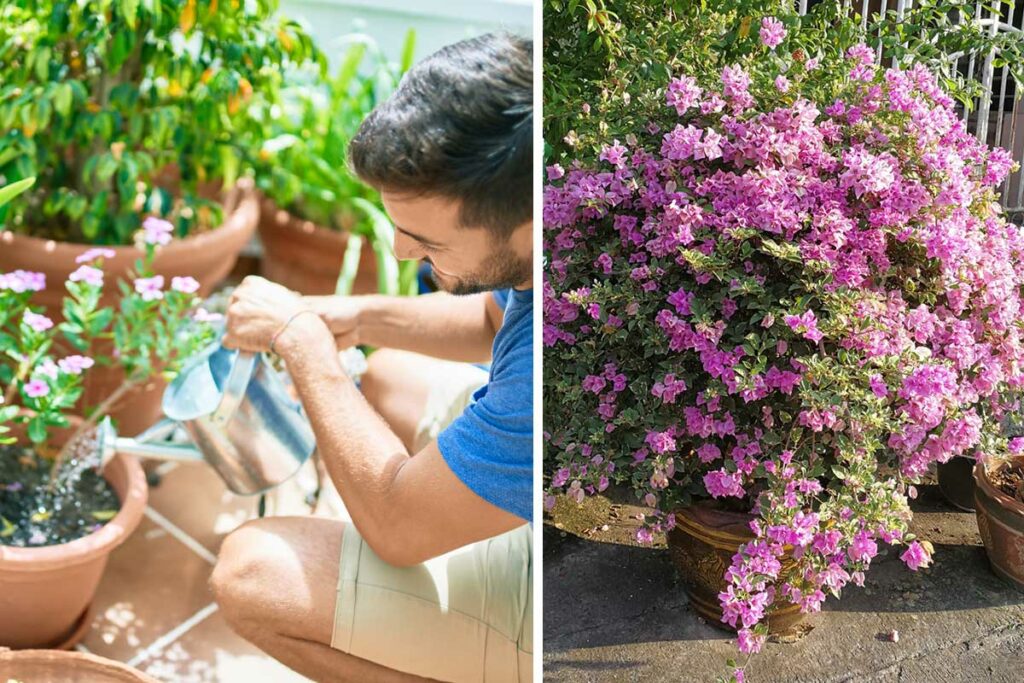
“I water every morning” sounds responsible. It sounds like the kind of thing a diligent gardener says. But here’s the thing: hanging baskets don’t care about your schedule. They care about what’s actually happening inside that pot.
On a hot, breezy day, a basket can dry out completely in just a few hours. On a cool, overcast day, it might still be plenty moist from yesterday. Watering by the clock instead of by the soil means you’re either drowning your plants or letting them quietly wilt while you congratulate yourself on your routine.
The fix? Stick your finger an inch into the soil before you water. If it’s dry, water deeply. If it’s still moist, come back later. Not glamorous advice, but it works.
Mistake #2: Not Watering Deeply Enough
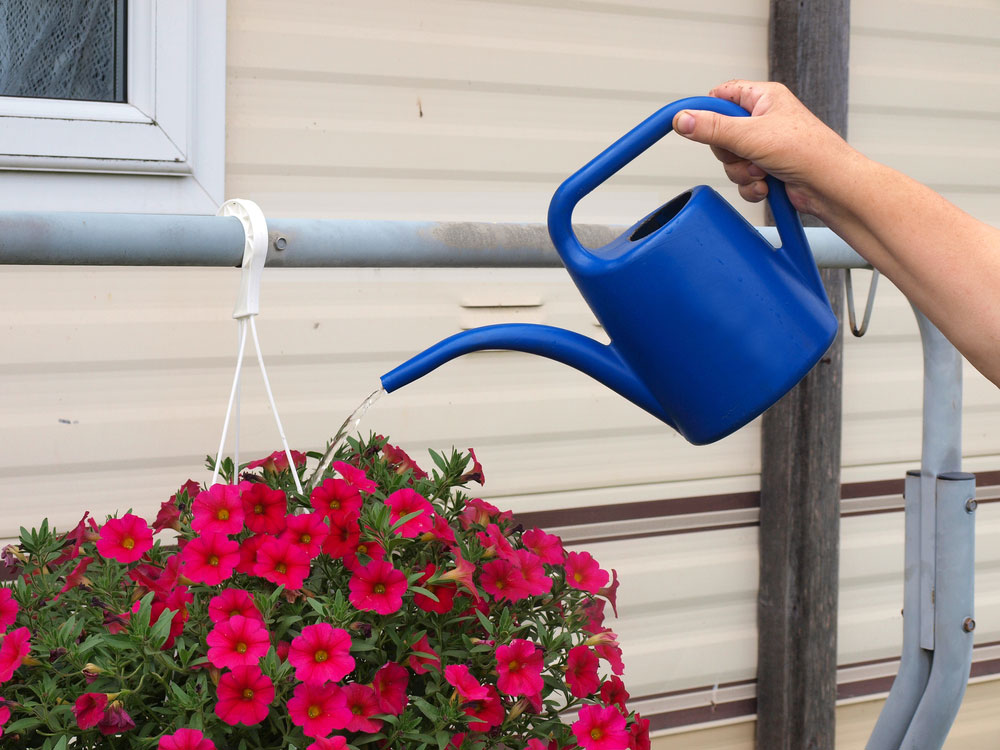
Here’s a trap I fell into for an embarrassingly long time. I’d give my baskets a quick splash every morning and think, “Done. Hydrated. Thriving.” I was wrong.
A quick splash wets the top layer of soil but never reaches the roots where it actually matters. Plants end up doing this stressed little dance where they’re technically getting water but never really getting enough. Over time, this leads to shallow root development, wilting by midday, and blooms that look tired before summer even hits its stride.
The goal is to water until you see it flowing freely out of the drainage holes at the bottom. That’s how you know the whole root zone got a drink. Yes, it takes more time. Yes, it’s worth it.
Mistake #3: Using the Wrong Potting Mix
If you’ve ever grabbed a random bag of garden soil from the hardware store and called it a day, I understand the impulse. Soil is soil, right?
Not really. Regular garden soil compacts quickly in containers, suffocates roots, and drains so poorly that your plants essentially sit in a soggy mess between waterings. Hanging baskets need a lightweight, well-draining potting mix, ideally one formulated specifically for containers. Many experienced gardeners also mix in some perlite to improve drainage even further.
Note to self (and to you): the potting mix decision is not the place to cut corners. It affects everything downstream.
Mistake #4: Skipping the Fertilizer
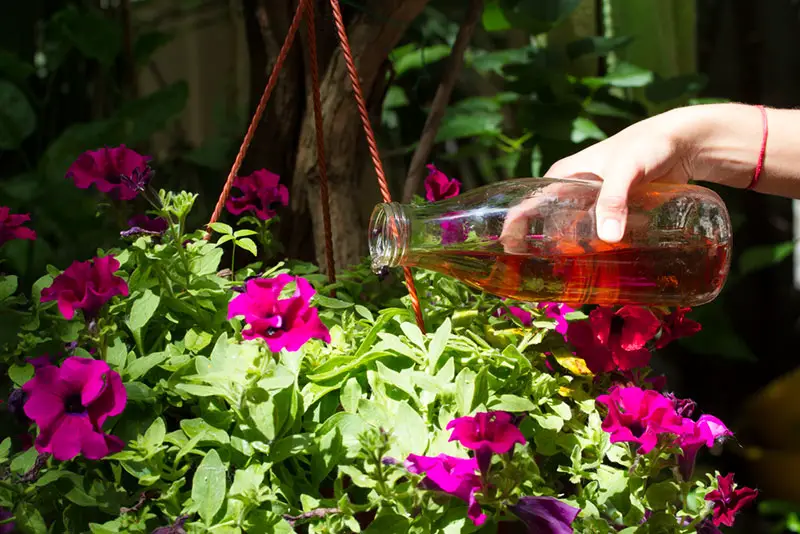
Here’s something that took me a while to fully accept. All those beautiful blooms you’re hoping for? They require nutrients the plant can’t conjure out of thin air. And in a hanging basket, the situation is even more urgent than in the ground.
Every time you water (which, if you’re doing it right, is frequently), nutrients get washed out of the soil. The potting mix that came in your basket was probably pre-loaded with slow-release fertilizer, but that runs out faster than most of us realize, often within six to eight weeks.
After that point, a liquid fertilizer applied every one to two weeks makes a real difference. Without it, you’ll notice fewer blooms, paler foliage, and that vague sense that your basket is simply “not doing what it was supposed to do.” Feed your plants. They’ll reward you for it.
Read more: Here is a quick guide on Fertilizing Hanging Baskets
Mistake #5: Deadheading… Never
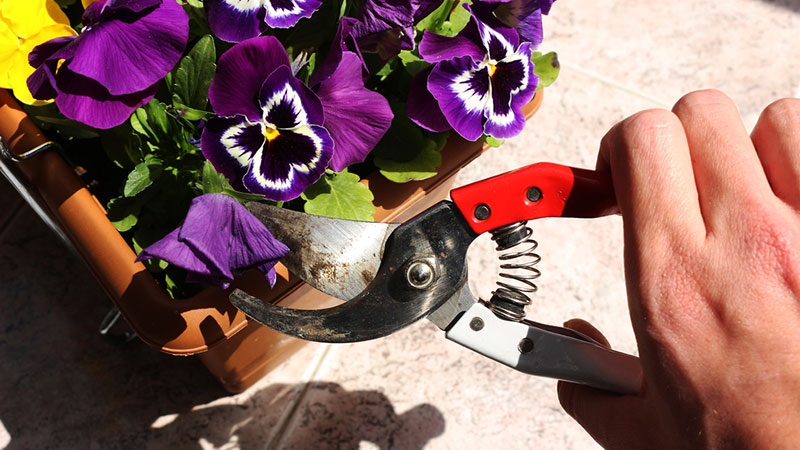
I get it. Removing flowers feels counterintuitive when the whole point is to have more flowers. But leaving spent blooms on the plant sends a signal that the job is done. Seeds have formed (or are forming), and the plant starts to wind down its blooming energy accordingly.
Deadheading, which is just pinching or snipping off the faded flowers, tells the plant: “Not done yet. Keep going.” Many summer annuals, including older petunia varieties, geraniums, marigolds, zinnias, and verbena, bloom better when spent flowers are removed. *But some newer varieties, including many calibrachoa and self-cleaning petunias, don’t need much deadheading.
Some newer varieties are marketed as “self-cleaning,” meaning they drop spent flowers on their own. If you’ve got those, more power to you. For everything else, a few minutes of deadheading a week goes a long way.
Mistake #6: Hanging Them in the Wrong Spot
This one feels obvious in retrospect. Most flowering plants want sun, and lots of it, somewhere in the range of six hours of direct light per day. But the excitement of a new basket can make us optimistic about that shady corner of the porch, the one that “gets morning light,” which, if we’re being honest, means about two hours of weak sun before the overhang blocks everything.
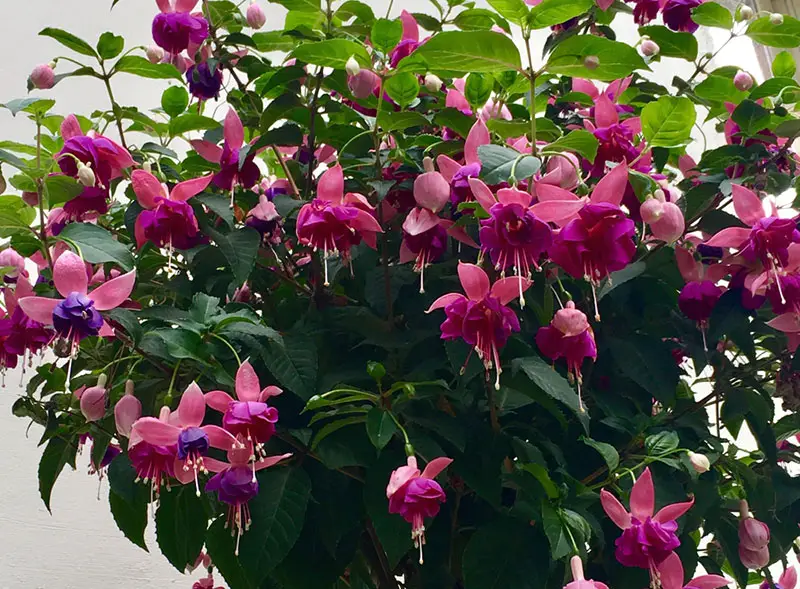
Before you hang, pay attention to the light. If you love the spot but it’s shadier than your plants prefer, there are shade-tolerant varieties specifically bred for those conditions, like fuchsias, begonias, and impatiens. Match the plant to the location rather than hoping the location will cooperate with the plant.
Mistake #7: Overcrowding at Planting Time
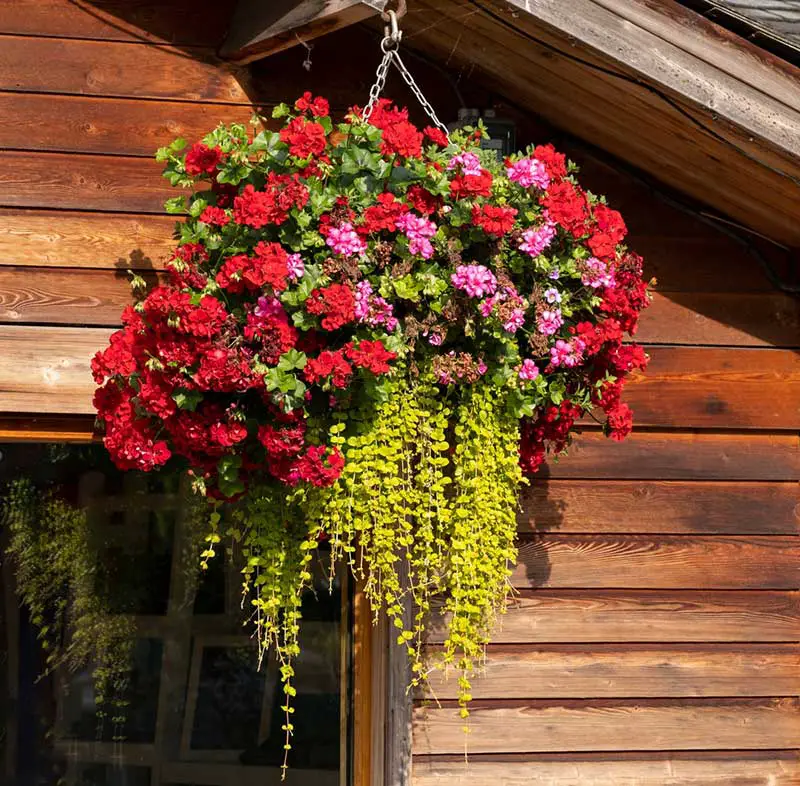
Here is where I want to gently push back on the idea that more is always more. When you’re putting together a hanging basket, it’s tempting to pack in as many plants as possible for that lush, full look right from the start. But overcrowded plants compete fiercely for water, nutrients, and light, and the result is often a basket that looks great in May and exhausted by July.
Give your plants a little room. They’ll fill in faster than you expect, especially with regular feeding and deadheading. A basket that starts with appropriate spacing will almost always outperform an overcrowded one by the end of the season.
Mistake #8: Ignoring the Weight Limit
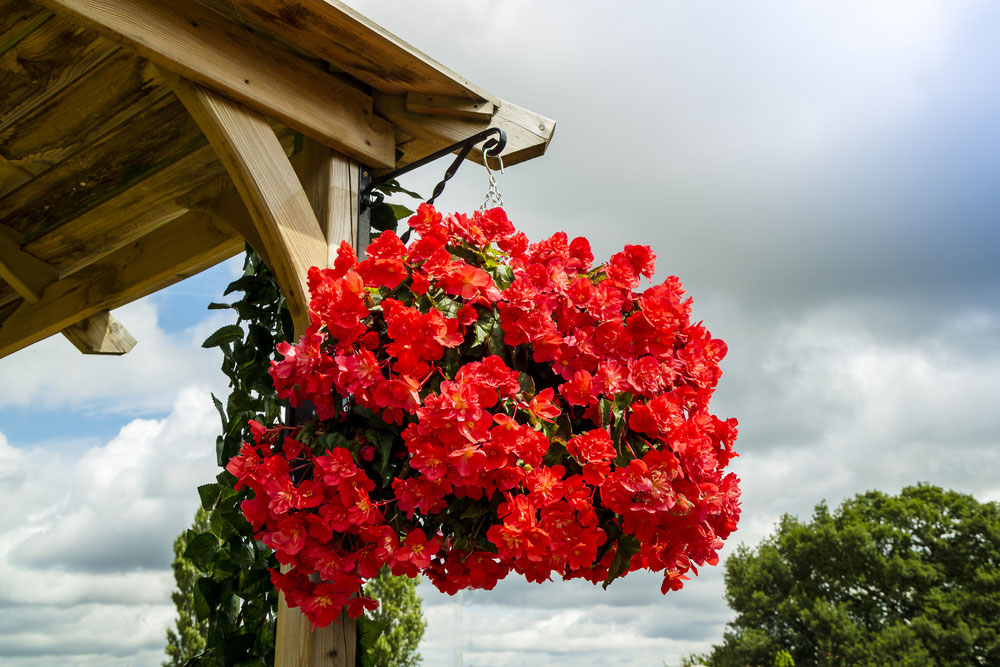
This one is less about the plants and more about basic physics, but it matters. A hanging basket that’s properly watered can be surprisingly heavy. A large basket with wet soil can weigh upward of 20 to 30 pounds, and that’s before you factor in the plant itself.
Not all hanging hardware is rated for that kind of weight. A hook that seems solid when the basket is dry can become a liability mid-July. Check the weight rating on your hook and bracket before you hang anything, and if you’re not sure, upgrade to something sturdier. Nobody wants to come home to a basket that’s taken out a chunk of their porch ceiling. Ask me how I know.
Mistake #9: Giving Up on a Struggling Basket Too Soon
This is the one I most wish someone had told me earlier. A leggy, sad-looking basket in midsummer is not necessarily a lost cause. It might just need what gardeners call a “hard cut back.”
Cutting the plants back by about a third, then giving them a good deep watering and a dose of liquid fertilizer, can trigger an impressive rebound. It feels dramatic. It looks a little alarming the first time you do it. But many summer annuals will respond with a flush of fresh growth and new blooms within a couple of weeks.
Don’t be too quick to declare a basket a failure and toss it. Try the cut-back first. You might be pleasantly surprised.
The Bottom Line
Most hanging basket failures come down to a handful of habits that are easy to fix once you know about them. Too little water, too little fertilizer, too much shade, or just the wrong soil can turn a beautiful basket into a cautionary tale by August.
The good news? All nine of these mistakes are correctable, and several of them can be avoided entirely with just a little planning upfront. Here’s what I confirmed I’ve been doing correctly, plus what I’ve added to my routine: check the soil before watering, feed every two weeks once the season gets going, deadhead consistently, and don’t be afraid to cut back a basket that’s struggling.
Your porch deserves better than a basket of dried-out wishful thinking. And honestly, so do you.