Think you can’t grow fruit in Texas? Think again.
With the right choices, Texas is actually one of the best places in the country to grow your own fruit. From fast-producing figs to classic peaches and even citrus in warmer areas, there are plenty of options that thrive in the heat.
The key is choosing fruit trees that match your region. Texas growing conditions can vary a lot, so what works in the Panhandle may not work along the Gulf Coast.
Below are 10 fruits that grow well across different parts of Texas, plus simple tips to help you pick the right ones for your yard.
1. Peaches
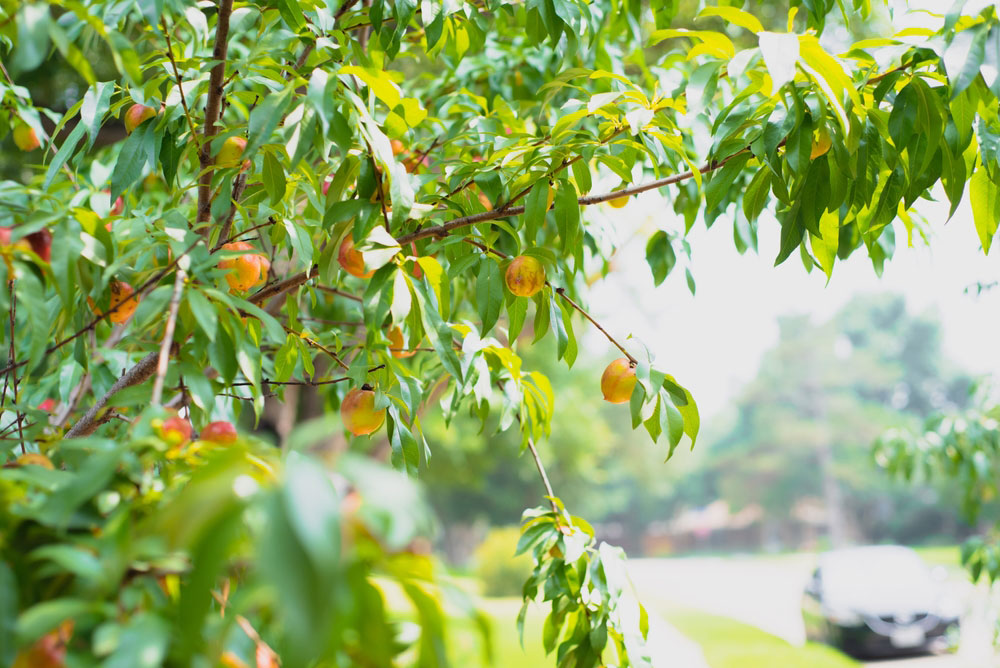
If you only plant one fruit tree in Texas, make it a peach.
Peaches are one of the easiest and most rewarding fruit trees you can grow, with varieties suited for nearly every region of Texas.
They thrive because much of the state provides enough winter chill hours, but choosing the right variety matters.
Low-chill types like Tropic Beauty work best in South Texas, while Redhaven performs better in North and Central areas.
Plant in full sun with well-drained soil, and you could be harvesting fruit in just 2 to 3 years.
2. Figs
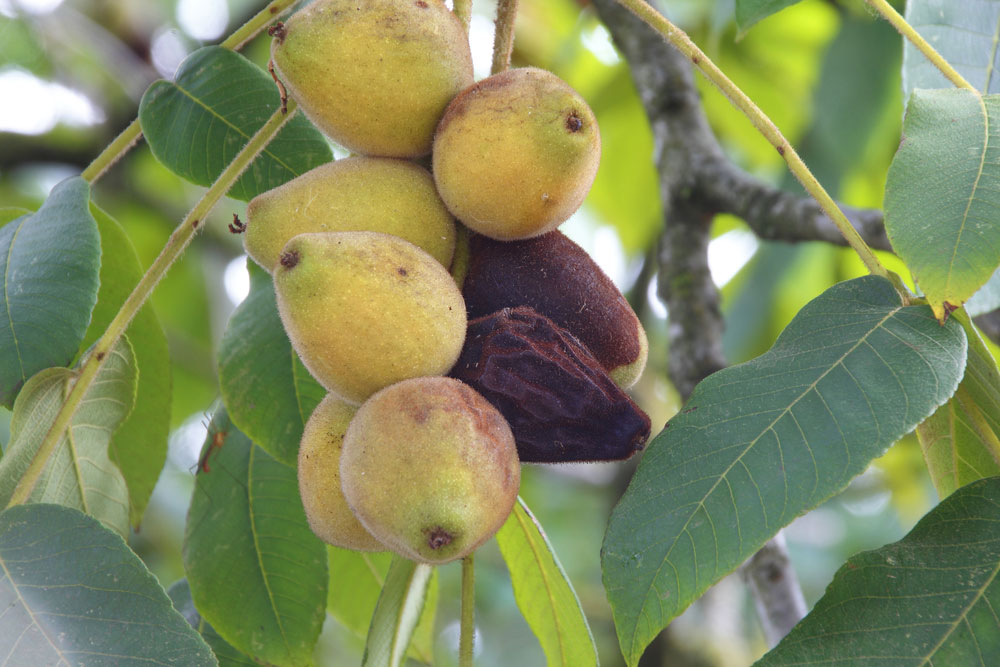
Figs might be the easiest fruit you will ever grow in Texas.
These low-maintenance trees love the Texas heat and produce reliably once established, especially in Central, South, and East Texas.
Varieties like Celeste, Texas Everbearing, and Brown Turkey are all great choices. Once established, figs are drought-tolerant, but give young trees regular water during their first year.
Plant in full sun, and enjoy fruit often within 1 to 2 years.
3. Plums
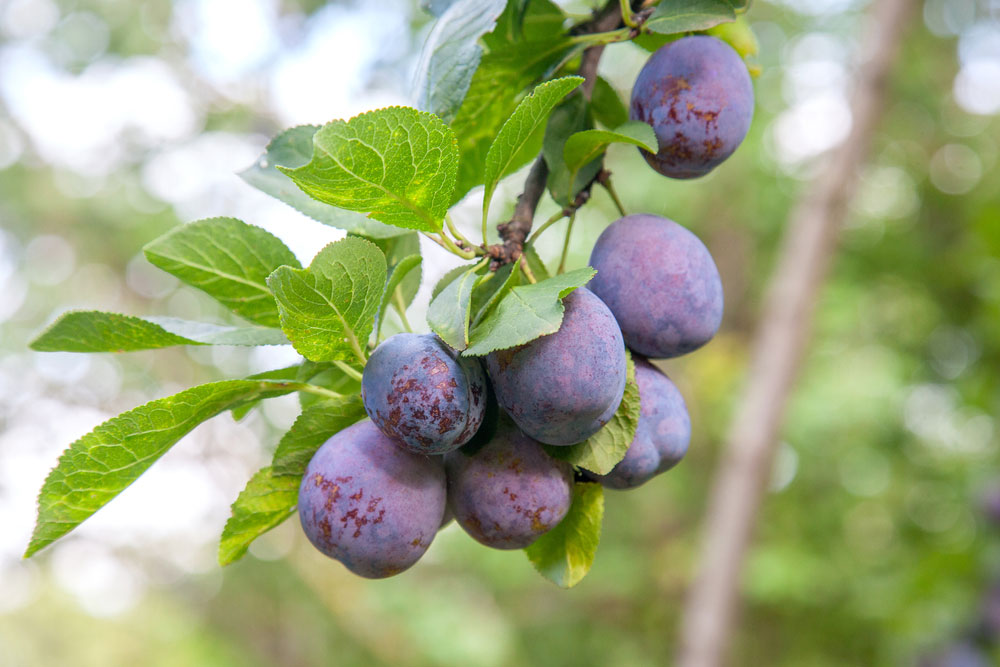
Want juicy summer fruit without too much hassle? Try plums.
Plums grow well across most of Texas and are known for producing heavy crops once established.
Varieties like Methley, which is self-fertile, and Bruce are popular. Planting more than one tree can improve yields. Just be ready, birds love them as much as you do.
Expect fruit in about 2 to 4 years with full sun and good drainage.
4. Pears
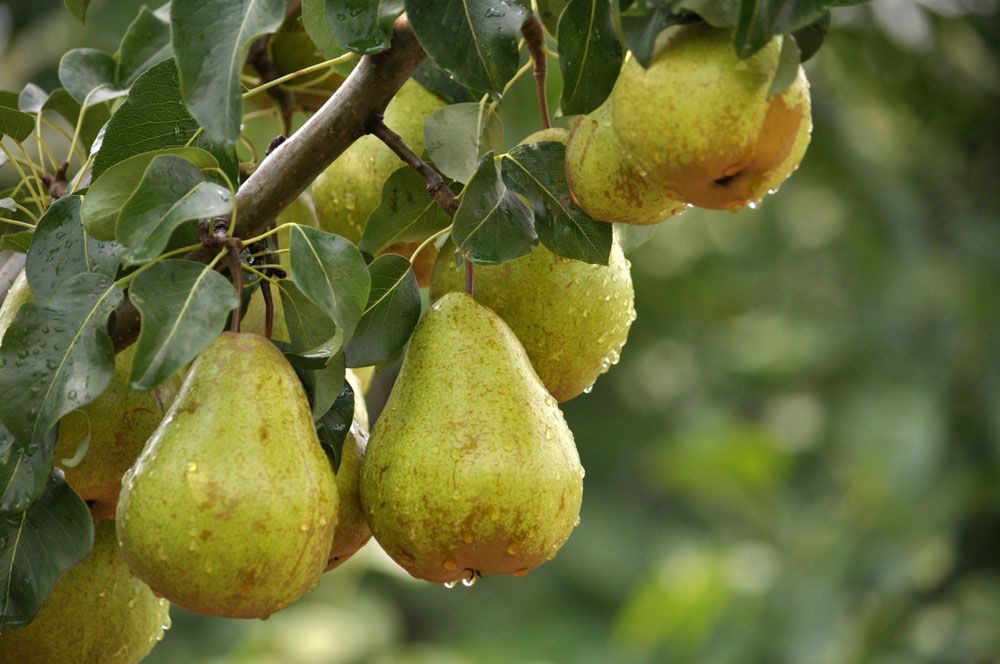
If you want a fruit tree that lasts for decades, plant a pear.
Pears are tough, adaptable, and perform well across most of Texas, especially when you choose fire-blight-resistant varieties.
Reliable options include Orient, Kieffer, and Warren. While some pears can produce on their own, planting two varieties will give you better harvests.
They take a little patience, about 3 to 5 years, but the payoff is worth it.
5. Persimmons
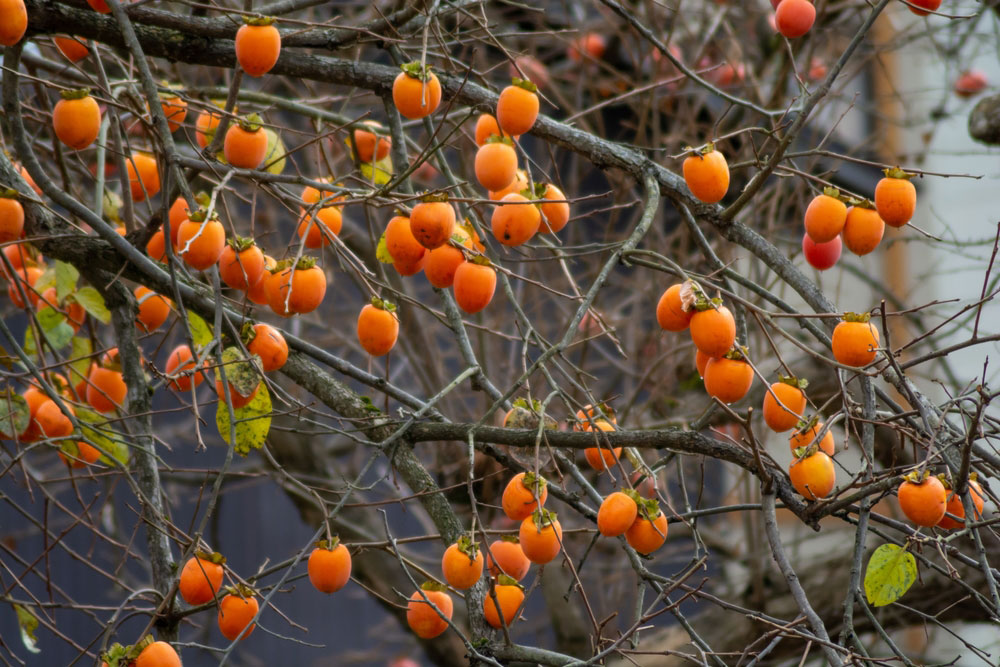
Persimmons are one of the most underrated fruit trees for Texas gardens.
These low-maintenance trees thrive across the state and produce beautiful orange fruit in fall.
Native persimmons are extremely hardy but must be fully soft before eating. Asian types like Fuyu, which are sweet and crisp, and Hachiya, which are soft and rich, offer larger fruit and excellent flavor.
Once established, they require very little care.
Not sure which fruit to start with? Here’s a quick side-by-side comparison to help you decide.
6. Pomegranates
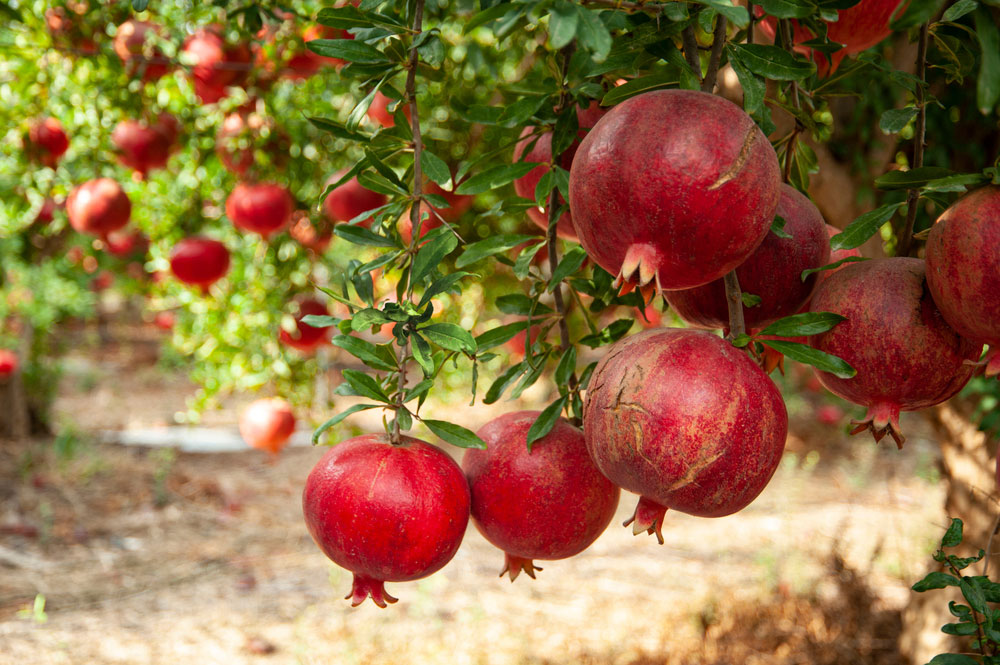
Pomegranates thrive where other fruit trees struggle, especially in heat.
They love the hot, dry conditions found in much of Texas, particularly in Central, South, and West regions.
Wonderful and Eversweet are reliable varieties with great flavor. These trees are drought-tolerant and relatively low-maintenance, though occasional pests can show up.
Plant in full sun and expect fruit in about 2 to 3 years.
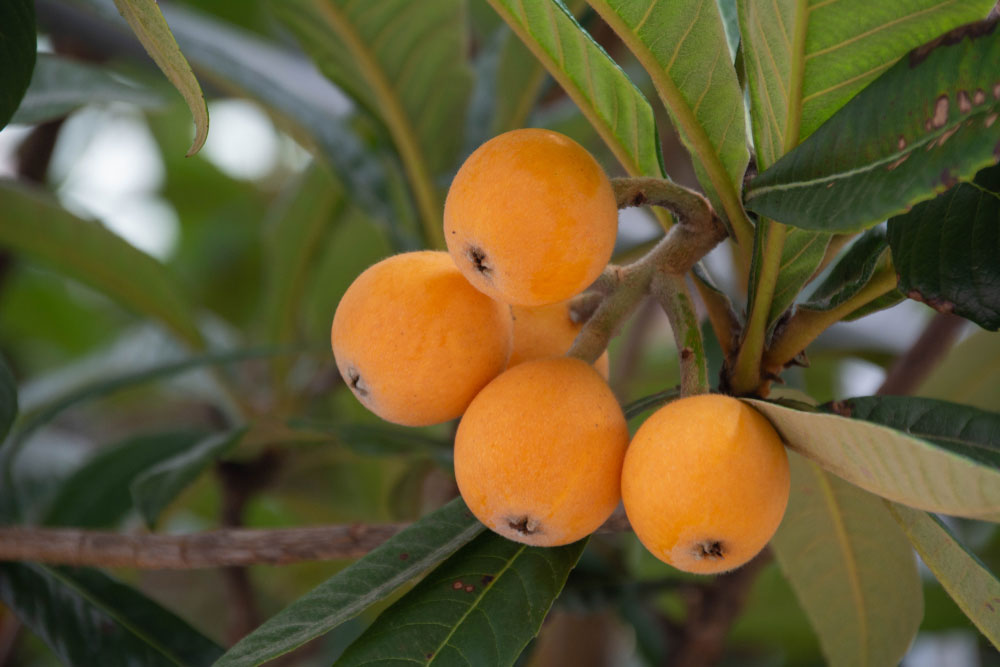
7. Loquats
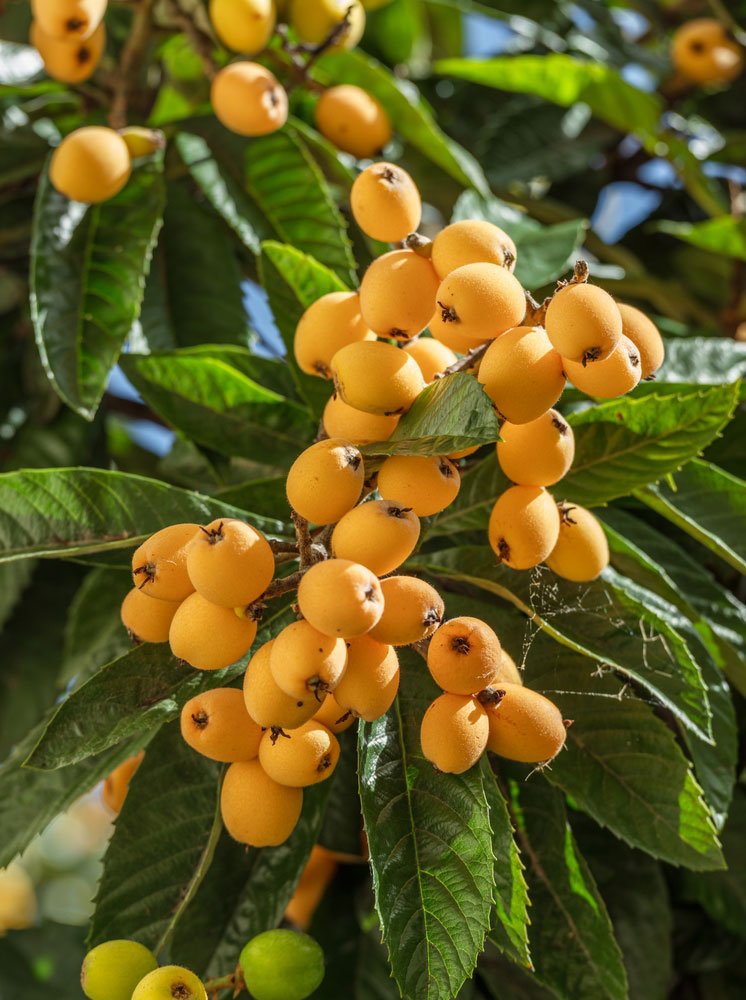
Loquats give you fruit when almost nothing else is producing.
These evergreen trees are perfect for South Texas and the Gulf Coast, producing sweet, tropical-tasting fruit in late winter to early spring.
Varieties like Gold Nugget and Champagne offer excellent quality, but even seedling trees perform well.
Keep in mind that late frosts can reduce fruit in cooler areas. Otherwise, they are easy and rewarding.
8. Jujubes
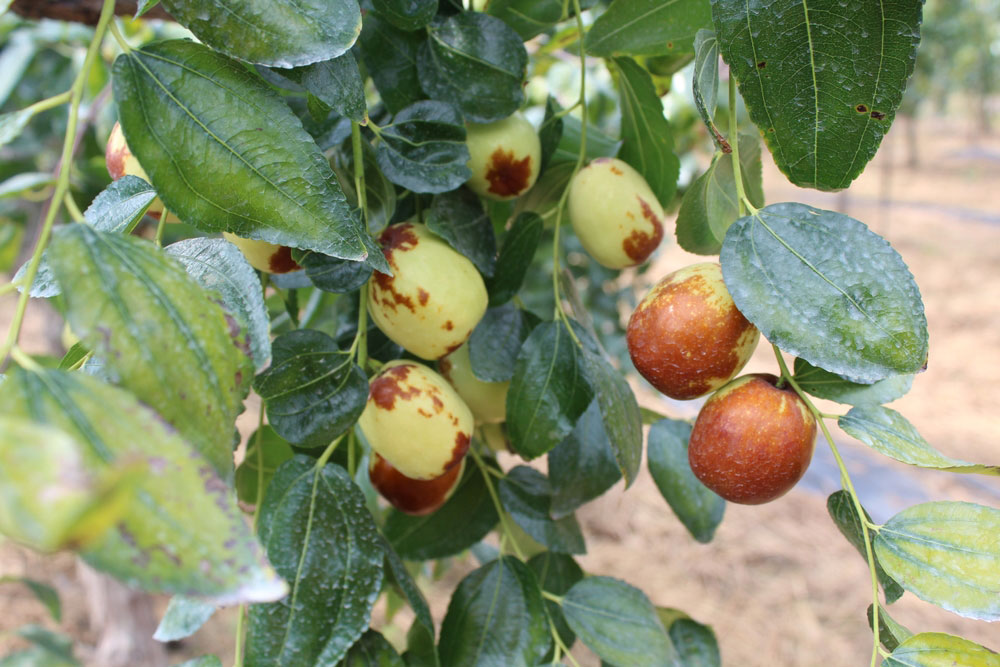
Jujubes are one of the toughest fruit trees you can grow, period.
They handle heat, drought, poor soil, and neglect better than almost any other fruit tree in Texas.
Varieties like Li and Lang produce sweet, crisp fruit that tastes similar to apples when fresh. While some are self-fruitful, planting two improves production.
If you want something nearly foolproof, this is it.
9. Pecans (A Texas Must-Grow Tree)
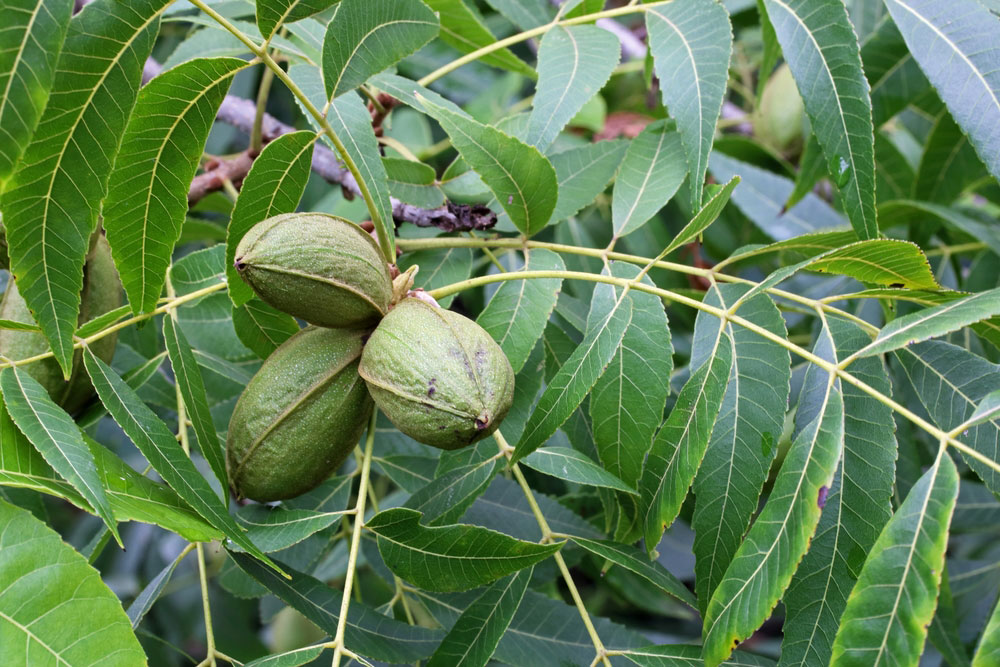
If you have the space, pecans are a true Texas classic.
These large, long-lived trees grow well statewide and provide both shade and abundant nuts.
Varieties like Desirable, Cheyenne, and Wichita perform well, especially when planted with a pollinator partner.
Pecans can take 6 to 10 years to produce and may alternate between heavy and light harvests, but they are worth the wait.
10. Citrus
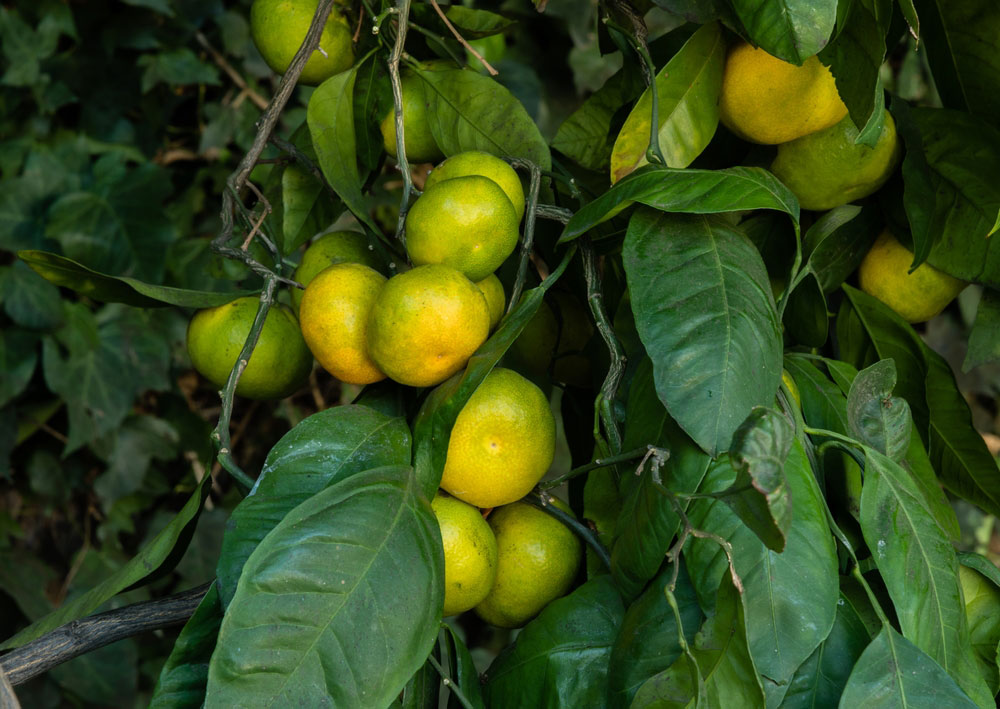
In the right part of Texas, citrus trees can thrive in your backyard.
They grow best in South Texas, but gardeners in Central and coastal areas can succeed with freeze protection or container growing.
Meyer Lemon and Satsuma mandarins are two of the most cold-tolerant options. Be prepared to protect trees during hard freezes.
With full sun and good drainage, you can enjoy fresh citrus in just a couple of years.
Final Thoughts
Texas gardens can produce a lot more than you might think.
Whether you have space for a full backyard orchard or just room for a couple of trees, there is at least one fruit on this list that will work for you.
Start by picking one or two that match your climate and space, then build from there. Many of these trees begin producing in just a few years, and once they do, the harvests can be surprisingly generous.
And honestly, there is nothing quite like stepping outside and picking fresh fruit from your own yard.