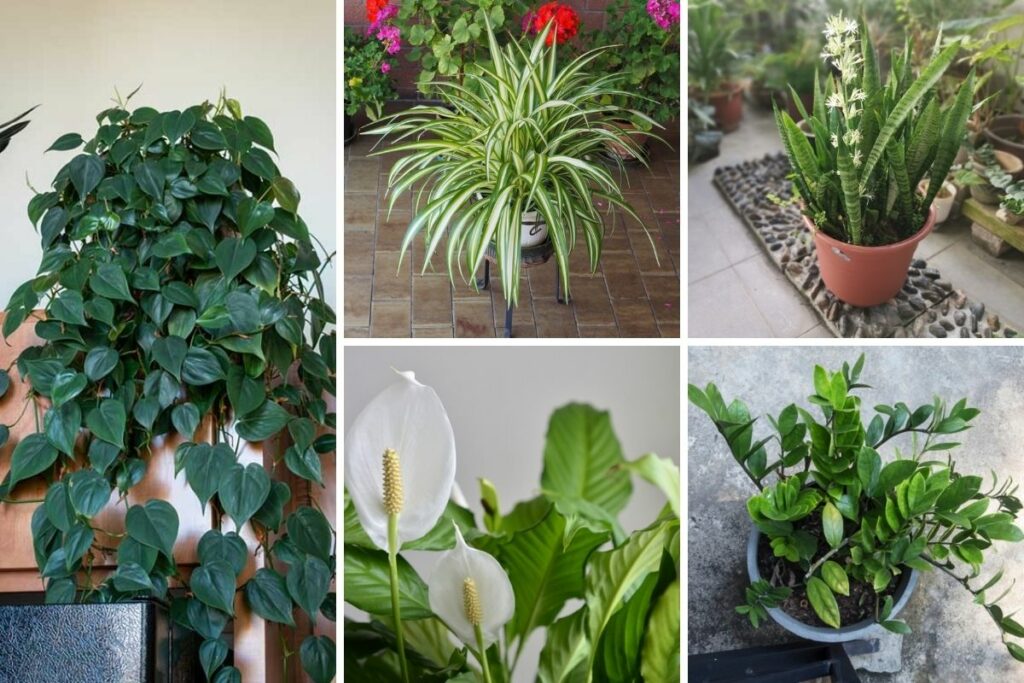
You finally found the “perfect” spot.
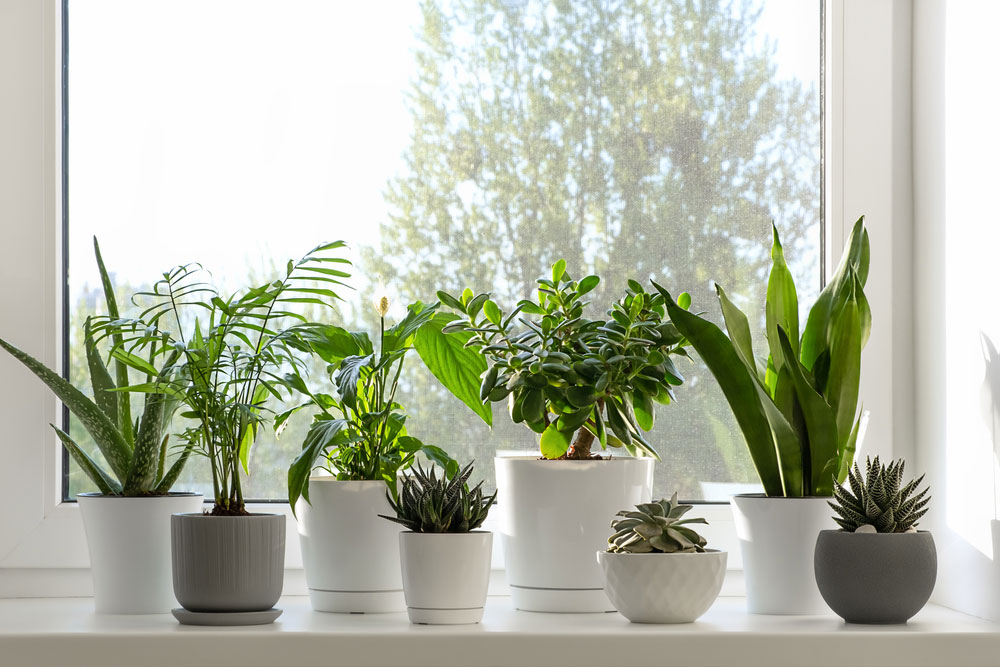
A big sunny window. Light pouring in all afternoon. The kind of place that practically begs for a few leafy green houseplants.
Surely more light is always better, right?
Not exactly.
I learned this the hard way a few summers ago when I moved my Boston fern to what I proudly called my “plant shelf of glory.” It sat right in front of the sunniest window in the house, looking cute and healthy for about three days.
Then the fronds started turning crispy.
Within two weeks, my once-lush fern looked like someone had taken a hair dryer to it. That was my first real lesson in houseplant light: bright is not the same as direct.
A lot of popular houseplants love a bright room, but they do not necessarily want hot sun beating down on their leaves for hours. Many come from forest floors, shaded understories, or places where taller plants filter the sunlight before it reaches them.
That means a blazing south- or west-facing window can be too much of a good thing.
Before we get into the list, here is the key point: these plants do not hate light. Most of them actually grow best in bright, indirect light. What they usually dislike is harsh, unfiltered afternoon sun, especially when they are sitting right against the glass.
If your houseplant has crispy tips, faded leaves, bleached patches, or brown spots on the side facing the window, the “perfect” sunny spot may be the problem.
Here are ten popular houseplants that often prefer a little distance from the sunniest window in the house.
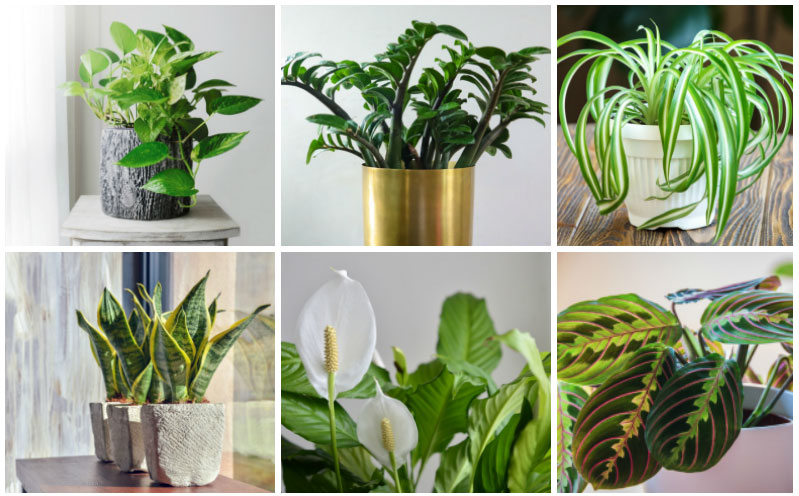
1. Pothos
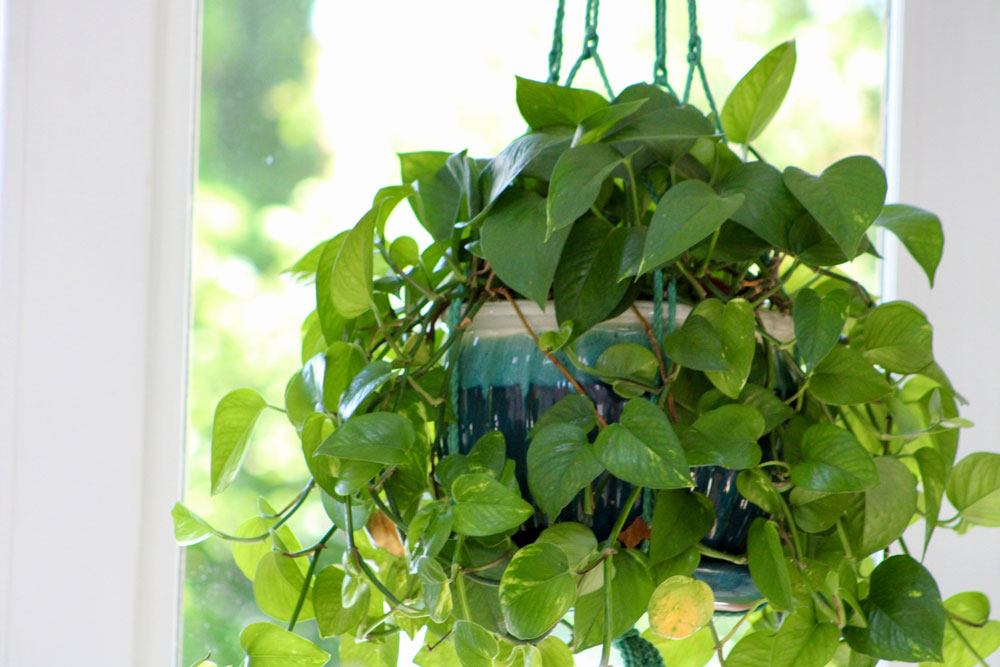
Pothos has a reputation as the plant you can barely kill, and honestly, it has earned that reputation.
It can handle forgotten waterings, dim corners, and a surprising amount of neglect. But harsh direct sun is one of the things that can make it look rough fast.
Too much sun can bleach the leaves, fade the variegation, or leave dry brown patches. This is especially noticeable on golden pothos or other variegated types.
Pothos usually looks best in bright, indirect light. Try placing it a few feet back from a sunny window, near an east-facing window, or behind a sheer curtain.
It wants a bright room, not a tanning bed.
>> Learn more about Growing Pothos here
2. Snake Plant
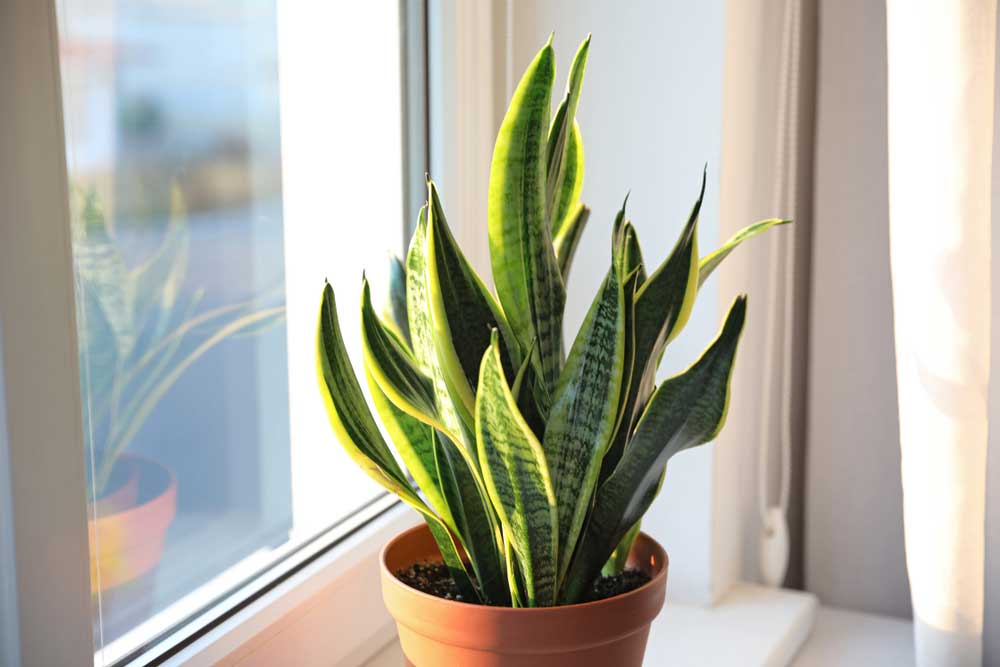
Snake plants are tough, so this one surprises people.
Yes, they can tolerate some sun. A little gentle morning light is usually fine. Some snake plants may even grow well in brighter spots.
But that does not mean they want to sit in a hot afternoon window all summer.
Strong direct sun through glass can sometimes cause faded color, yellowing, or brown scorched patches on those upright leaves. And because snake plant leaves grow slowly, damage can stick around for a long time.
The safer choice is bright, indirect light or moderate light. A spot a few feet from a sunny window usually works well.
Snake plants can survive a lot. But “surviving” and “looking their best” are not always the same thing.
>> Learn more about growing Snake Plants
3. ZZ Plant
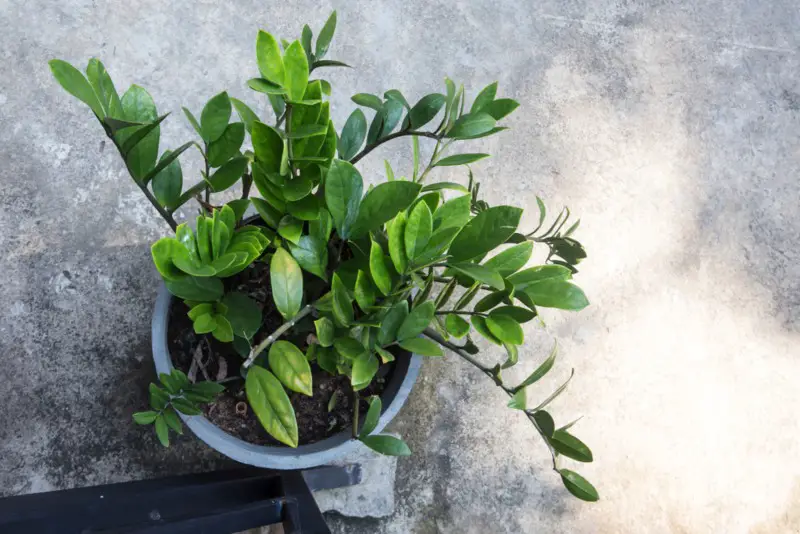
ZZ plants are famous for looking almost fake when they are happy.
The leaves are glossy, deep green, and so shiny they practically look polished. They also tolerate lower light better than many houseplants, which makes them a favorite for offices and darker corners.
But ZZ plants are not sun lovers.
Direct afternoon sun can dull the leaves, scorch the edges, or leave the plant looking tired instead of glossy and lush.
A ZZ plant does best in indirect light. It can sit farther from a window than many other plants and still look great.
So instead of giving it your sunniest windowsill, tuck it a little deeper into the room. It will usually be much happier there.
4. Peace Lily
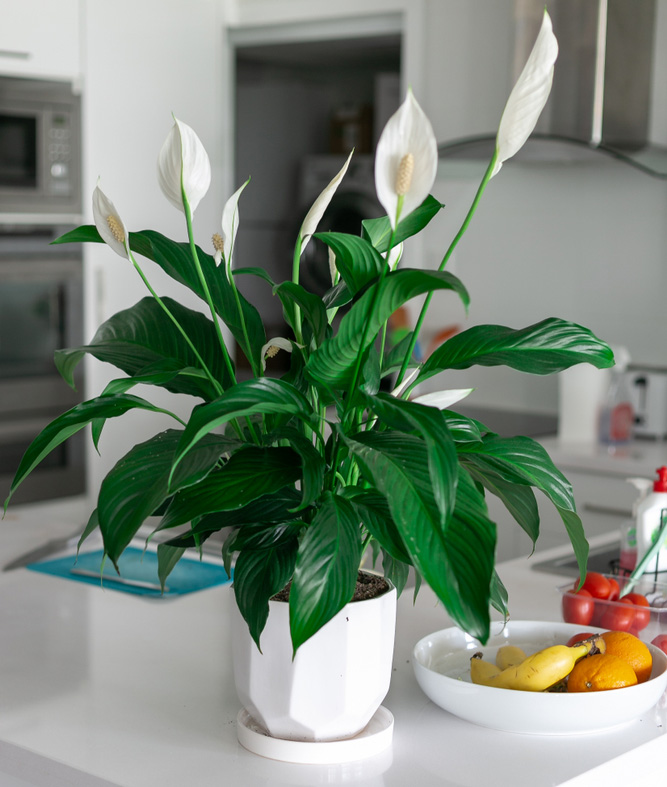
Peace lilies are dramatic plants, and I mean that in the most affectionate way.
Let one get too dry and it will flop over like it is auditioning for a tragedy. Give it water, and it often perks right back up.
They can be just as dramatic about too much sun.
Peace lilies like bright, indirect light, but direct sun can bleach their dark green leaves or cause brown and yellow patches.
There is one important catch: peace lilies do need enough light to bloom well. If yours is in a very dark corner and never flowers, it may need more brightness.
But more brightness does not mean harsh afternoon sun.
A good spot is near an east-facing window, a few feet from a brighter window, or behind a sheer curtain. Give it light, but keep it out of the blast zone.
5. Calathea
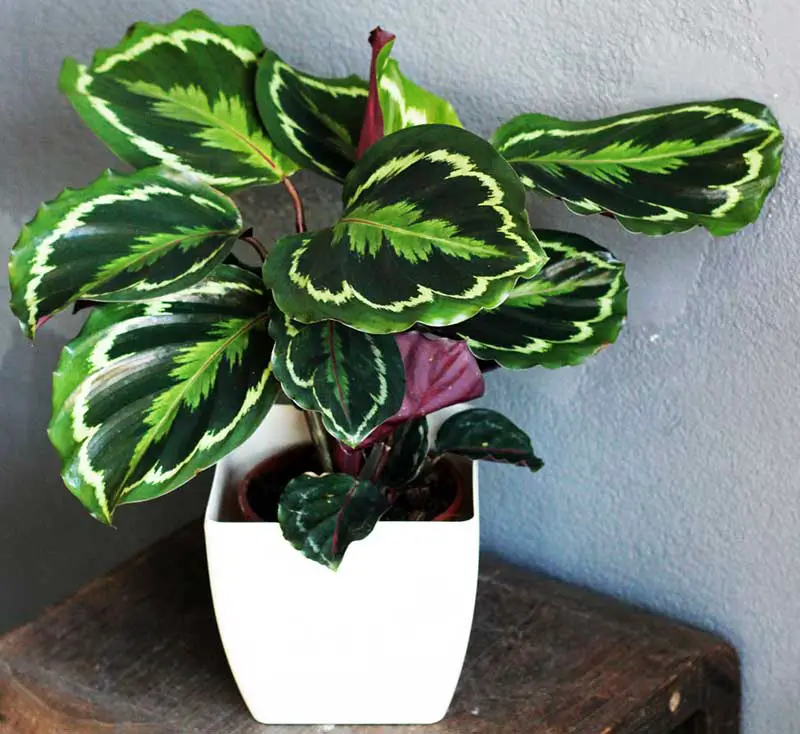
Calatheas are gorgeous, but they are not exactly low-drama.
Their leaves look painted by hand, with stripes, patterns, and colors that can make even non-plant people stop and stare. Some types fold their leaves upward at night, which only adds to the charm.
But direct sun can ruin that beautiful foliage quickly.
Too much sun can fade the patterns, curl the edges, or leave crispy brown patches. Once those leaves are damaged, they do not repair themselves. You usually have to wait for new growth.
Calatheas prefer filtered light. A bright room is fine, but avoid sunbeams sitting directly on the leaves.
They also appreciate humidity and consistent watering, so crispy edges are not always only about sun. But if your calathea is sitting on a hot windowsill, moving it back is a smart first step.
>> Learn more on Growing Calatheas
6. Chinese Evergreen
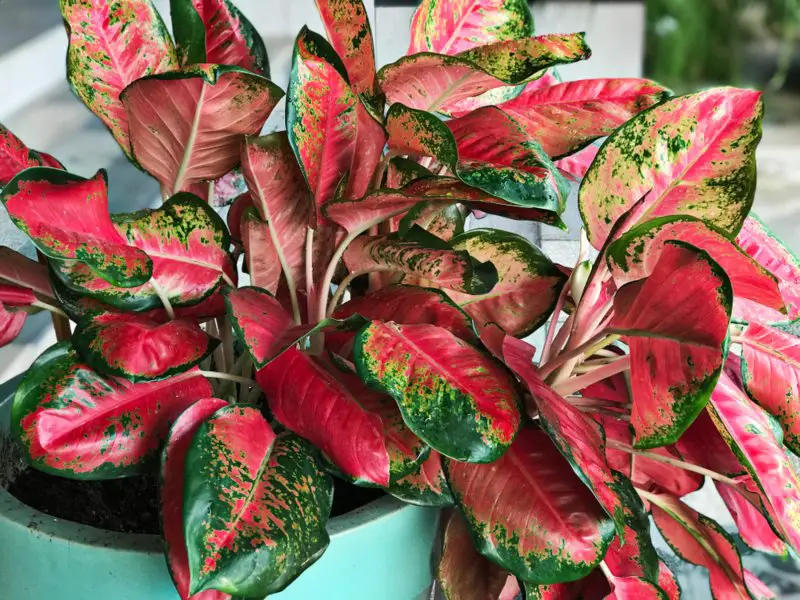
Chinese evergreen, also called Aglaonema, is one of the better houseplants for lower-light areas.
That is exactly why it gets recommended so often for beginners, offices, bedrooms, and corners that are bright but not sunny.
Put it in harsh direct sun, though, and the leaves may bleach, yellow, or develop burned-looking patches.
Green varieties usually tolerate lower light better. Colorful varieties with pink, red, cream, or silver markings may need brighter indirect light to hold their color. But even those types usually do not want hot afternoon sun.
This is a great plant for a coffee table near a window, a bright corner, or a spot across the room from strong light.
It likes brightness, but it prefers it softened.
7. Boston Fern
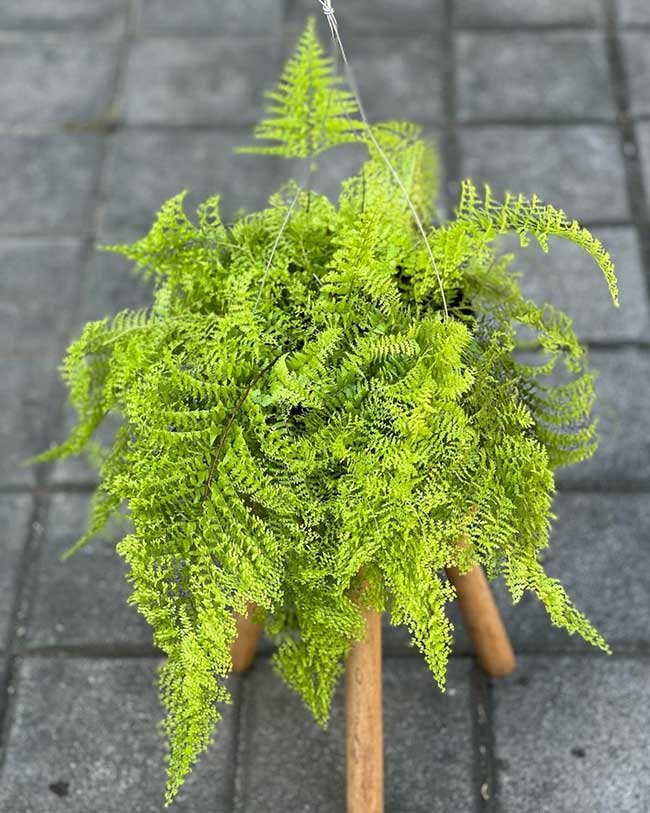
Boston fern is the plant that taught me this lesson the hard way.
When it is happy, it looks full, lush, and almost ridiculously pretty. When it is unhappy, it sheds, browns, crisps, and makes the floor look like a tiny forest exploded.
Direct sun is one of the quickest ways to stress it indoors.
Ferns usually prefer filtered light, not hot sun blasting their delicate fronds. A sunny window can dry them out fast, especially if the air in your home is already dry.
Once those fronds turn crispy, they are not coming back.
Boston ferns usually do better in bright, indirect light with a little extra humidity. A bathroom with a window can be a great spot. So can a bright kitchen or living room where the fern is set back from the glass.
Give it light, moisture, and protection from harsh sun, and it has a much better chance of staying lush.
8. Philodendron
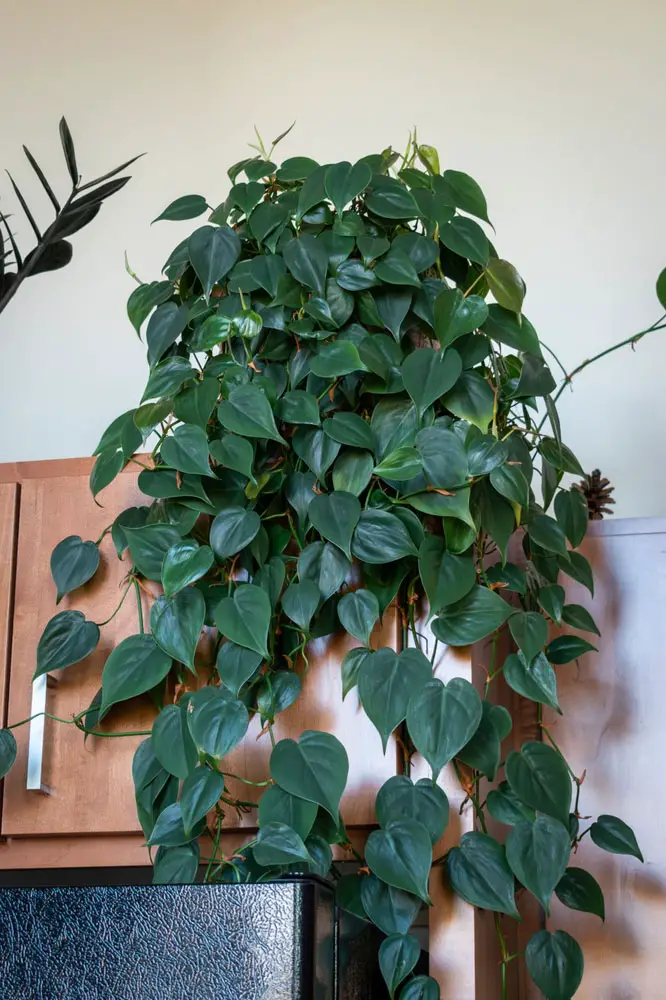
Most common philodendrons are not built for blazing direct sun.
Heartleaf philodendron, for example, is a climbing plant that naturally grows in dappled light. Indoors, it usually does best in bright, indirect light where it can trail, climb, and put out healthy new leaves.
Strong sun can cause pale patches, yellowing, or brown burned spots.
This does not mean philodendrons want to live in a dark room. Many grow fuller and better with good brightness, especially variegated types.
The trick is to keep the light indirect.
Place your philodendron near a bright window, but not directly in the path of hot afternoon sun. A sheer curtain or a spot a few feet back from the window is usually enough.
Bright but filtered is the goal.
9. Spider Plant
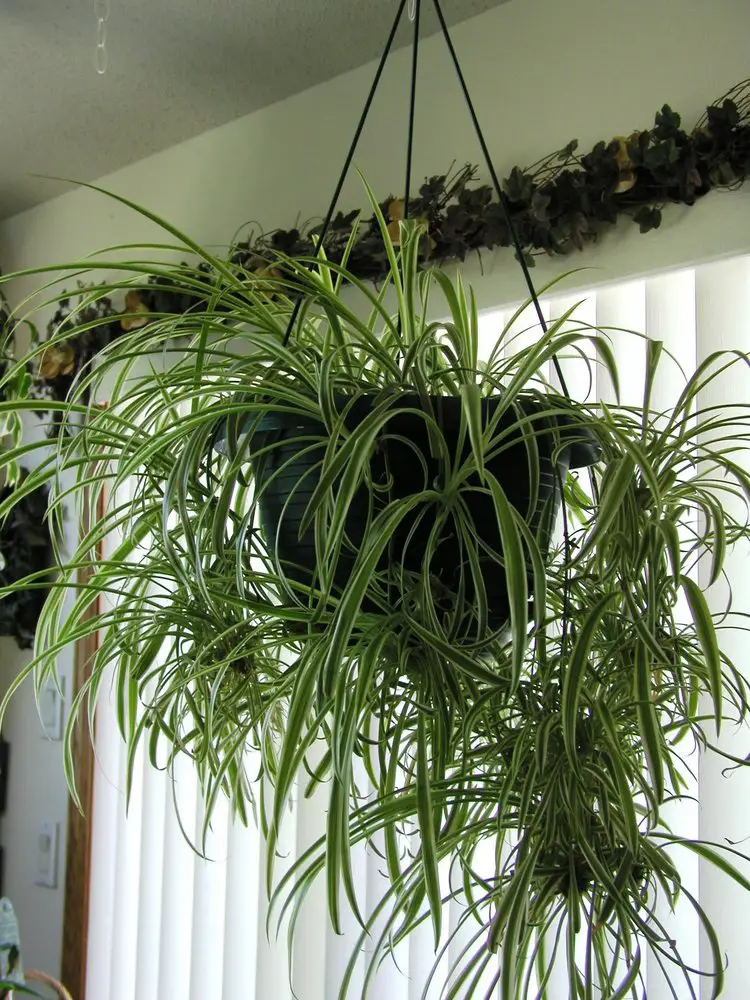
Spider plants are cheerful, forgiving, and easy to love.
They have arching striped leaves, produce those cute baby “spiderettes,” and tolerate a lot of beginner mistakes.
But even spider plants can get stressed in too much direct sun.
Bright, indirect light is usually best. A little morning sun is often fine, but intense afternoon sun can bleach the leaves, fade the stripes, or leave dry damaged areas.
One quick note: brown tips on spider plants are not always from sunlight. They can also come from dry air, inconsistent watering, fluoride in tap water, or salt buildup in the soil.
So do not blame the window automatically.
But if your spider plant is sitting in hot direct sun and looking pale or crispy, move it to a gentler spot. It may perk up with softer light and more consistent care.
10. Cast Iron Plant
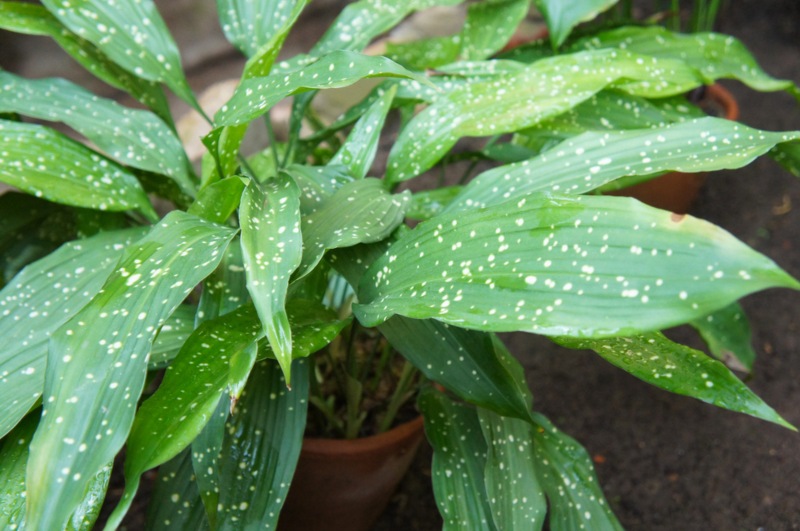
With a name like cast iron plant, you would think this one could handle almost anything.
And honestly, it can handle a lot.
Cast iron plant tolerates low light, neglect, inconsistent watering, and indoor conditions that would make fussier plants complain immediately.
But harsh direct sun is not its favorite.
Too much sun can fade the broad green leaves or leave dry scorched spots. Since this plant grows slowly, damaged leaves can be especially annoying because you may be looking at them for a while.
Cast iron plant is actually one of the better choices for shadier indoor spots. It can handle a corner, hallway, or room that would be too dim for many other plants.
So do not waste your sunniest window on it.
Let this one do what it does best: quietly look green and unbothered in a lower-light spot.
Better Places to Put These Plants
If one of your houseplants has been looking crispy, faded, or burned, you may not need to change everything about your care routine.
You may just need to move it.
For most of these plants, the goal is bright, indirect light. That usually means the room is bright enough to read in during the day, but the plant is not sitting directly in a harsh sunbeam for hours.
Good spots include:
- A few feet back from a sunny window
- Beside the window instead of directly in front of it
- Behind a sheer curtain
- Near an east-facing window with gentle morning sun
- In a bright room where the light is strong but filtered
You can also use your sunny windows more strategically.
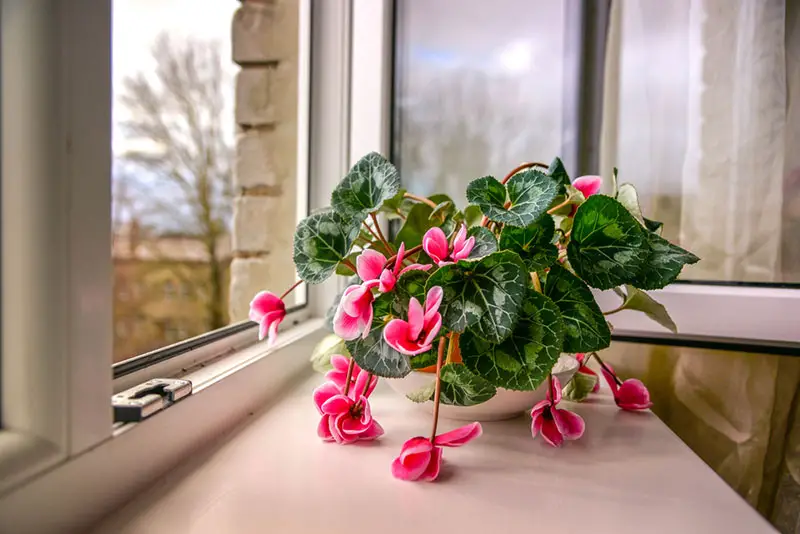
Put true sun lovers, like many succulents, cacti, jade plants, and some herbs, closer to the glass. Then move your pothos, peace lily, fern, calathea, and philodendron slightly farther back.
Every home is different, too.
A south-facing window shaded by a tree may be perfectly gentle. Another south- or west-facing window may turn into a little greenhouse every afternoon.
The best clue is the plant itself.
If the leaves are bleaching, crisping, yellowing, or developing brown patches mostly on the side facing the window, the light may be too intense.
Move the plant back, filter the sun with a curtain, or try a different window.
Sometimes the best houseplant spot is not the sunniest one.
It is the one where the plant can enjoy the light without getting burned.
Quick Light Guide
| Houseplant | Better Light Choice |
|---|---|
| Pothos | Bright, indirect light |
| Snake Plant | Bright indirect to moderate light |
| ZZ Plant | Low to bright indirect light |
| Peace Lily | Bright, filtered light |
| Calathea | Filtered light only |
| Chinese Evergreen | Low to bright indirect light |
| Boston Fern | Bright, indirect light with humidity |
| Philodendron | Bright, indirect light |
| Spider Plant | Bright, indirect light |
| Cast Iron Plant | Low to moderate indirect light |
The simple rule?
If the sunbeam feels hot on your hand, it may be too much for these plants.