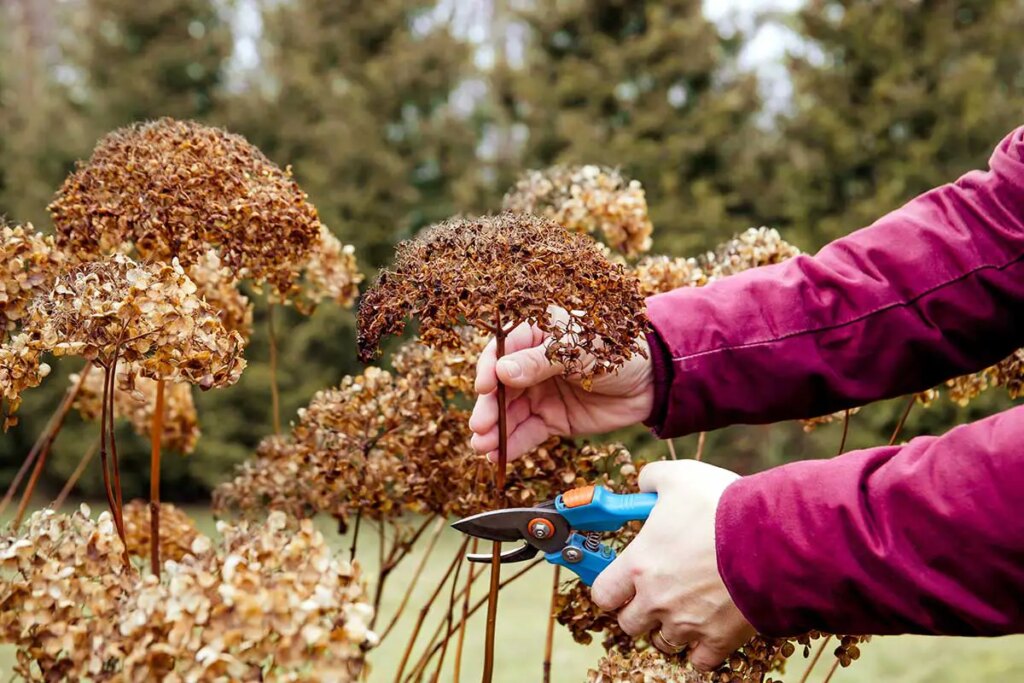
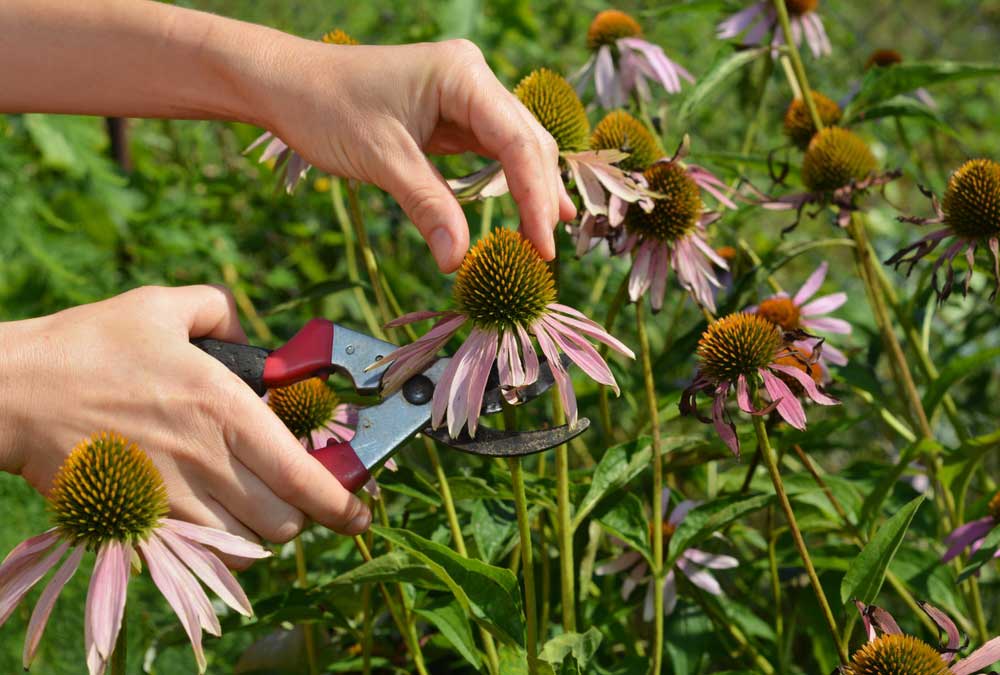
Before you snip another faded flower this August, take a closer look.
Some of those brown, tired-looking blooms are exactly what your garden needs right now. Removing them too quickly could mean fewer seeds for birds, fewer volunteer flowers next spring, and less structure in your fall and winter garden.
I know. After spending all summer deadheading, leaving spent flowers behind can feel like giving up on the garden.
But August is when the rules begin to change.
For certain flowers, those fading blooms are not garden clutter. They are future seeds, natural bird feeders, and the beginning of next year’s plants.
That does not mean you should stop deadheading everything overnight. Diseased, moldy, and damaged flowers should still go.
Plants that are actively producing new buds may also benefit from a little continued trimming.
The secret is knowing which flowers to leave alone and which ones still need the pruning shears.
Here are nine flowers you should stop deadheading, or at least stop deadheading so aggressively, in August.
1. Coneflowers
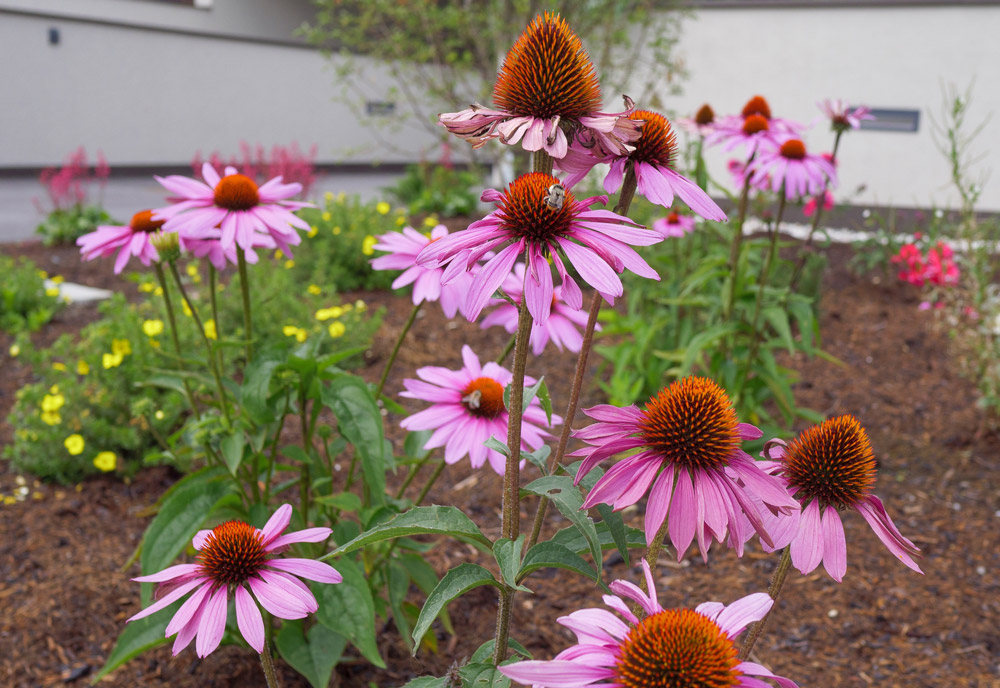
Coneflowers are usually near the top of my summer deadheading list. Removing faded flowers earlier in the season can encourage additional blooms and keep the plants looking tidy.
Come August, those prickly brown cones become much more useful.
Once the petals fall, the raised centers begin maturing into seedheads. Goldfinches and other seed-eating birds may visit them later in the season, sometimes balancing on the stems while pulling out seeds.
It is better entertainment than anything I could arrange with a bird feeder.
You do not have to leave every faded coneflower. Deadhead a few plants near walkways or the front of the border if the brown heads bother you. Leave a generous cluster toward the middle or back of the garden for the birds.
Keep in mind that some highly bred double-flowered coneflowers may produce fewer useful seeds than traditional single-flowered varieties.
2. Black-Eyed Susans
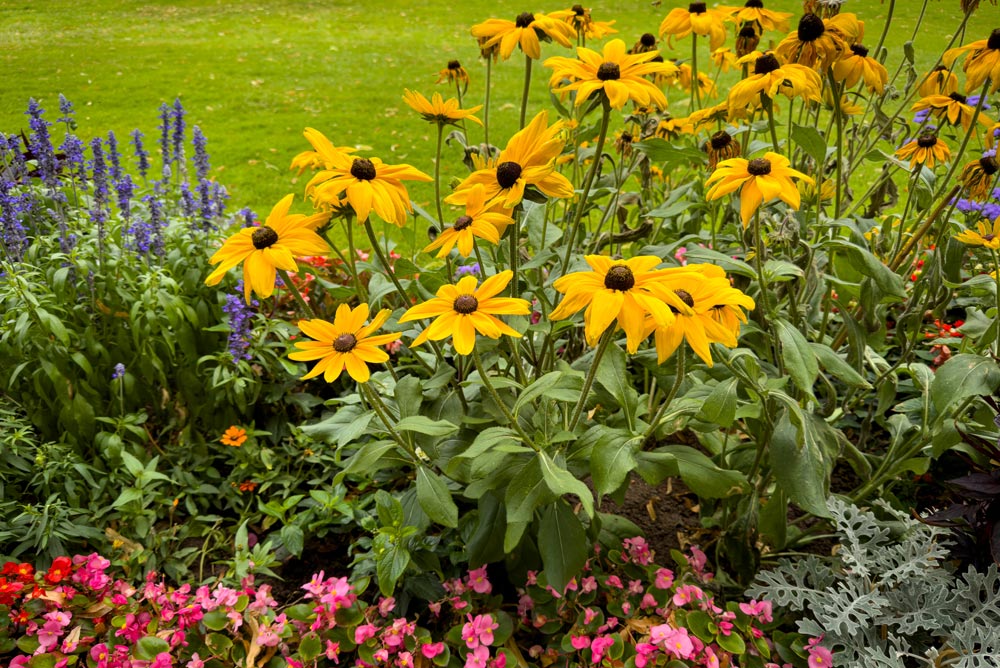
Black-eyed Susans can look finished when they are actually moving into an important new stage.
The yellow petals eventually fall away, leaving the dark center cone behind. If allowed to mature, that cone becomes a source of seeds for birds. The plants may also self-sow, helping short-lived varieties return next year.
Earlier in summer, deadheading can encourage more flowers. By mid-to-late August, begin leaving some of the healthiest heads in place.
Notice that I said “some.”
Black-eyed Susans can spread generously when they are happy. If seedlings already appear everywhere, continue removing a portion of the seedheads.
Also check the foliage for disease. Leave healthy seedheads, but remove stems and leaves with severe spotting or other obvious problems.
3. Sunflowers

It feels almost wrong to remove a sunflower head just as it begins filling with seeds.
Branching sunflowers can be deadheaded earlier in the season to encourage side shoots and additional blooms. Once August arrives, allow several of the best flowerheads to mature fully.
As the seeds develop, the back of the flowerhead changes from green to yellowish brown. The heavy head often begins drooping downward.
You can leave it standing for birds or harvest the seeds once they are mature.
Fair warning: birds and squirrels do not recognize garden ownership paperwork. They may begin harvesting before you do.
Single-stem sunflowers generally produce one main flowerhead, so there is little reason to remove it after blooming unless it is diseased or damaged.
4. Coreopsis
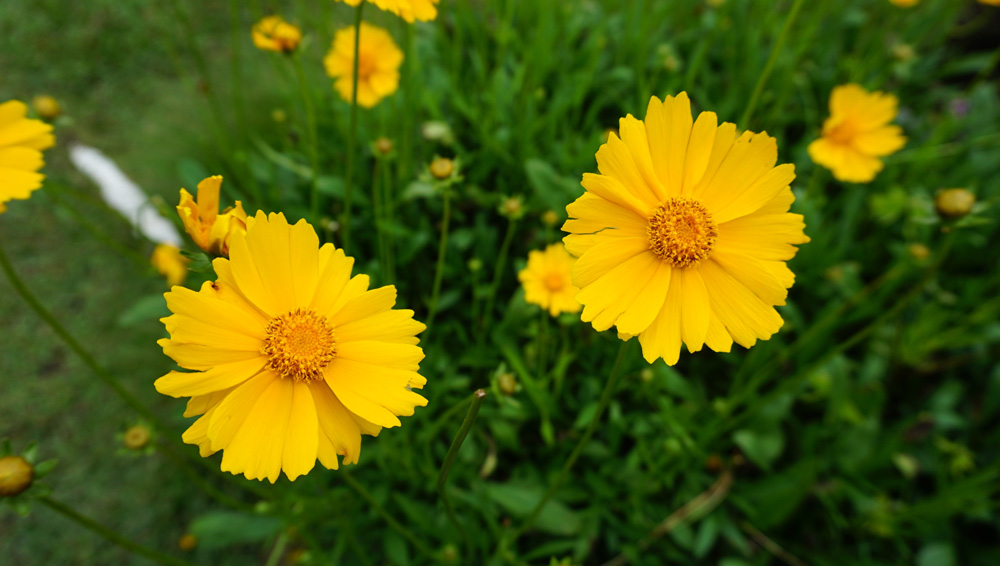
Coreopsis, also called tickseed, can produce an impressive number of cheerful flowers.
That abundance is partly why deadheading it can feel like a job you accidentally applied for.
Removing spent flowers during early summer helps prolong blooming. Starting in late summer, allow some fading flowers to remain. The seeds may feed birds, and certain varieties can self-sow around the garden.
For the best balance, deadhead the front of the plant and leave several stems toward the back untouched. You will maintain a tidier appearance while still producing seeds.
Gardeners who definitely do not want volunteer seedlings can continue deadheading. The August suggestion is an invitation, not a court order.
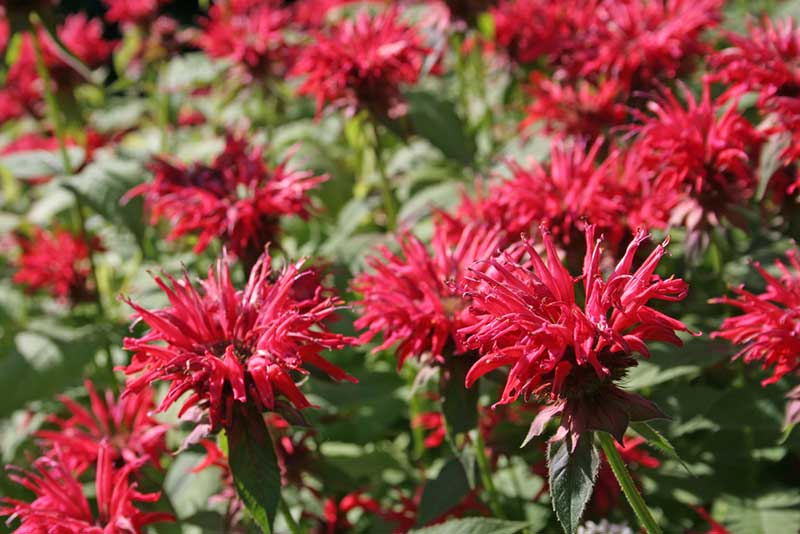
5. Bee Balm
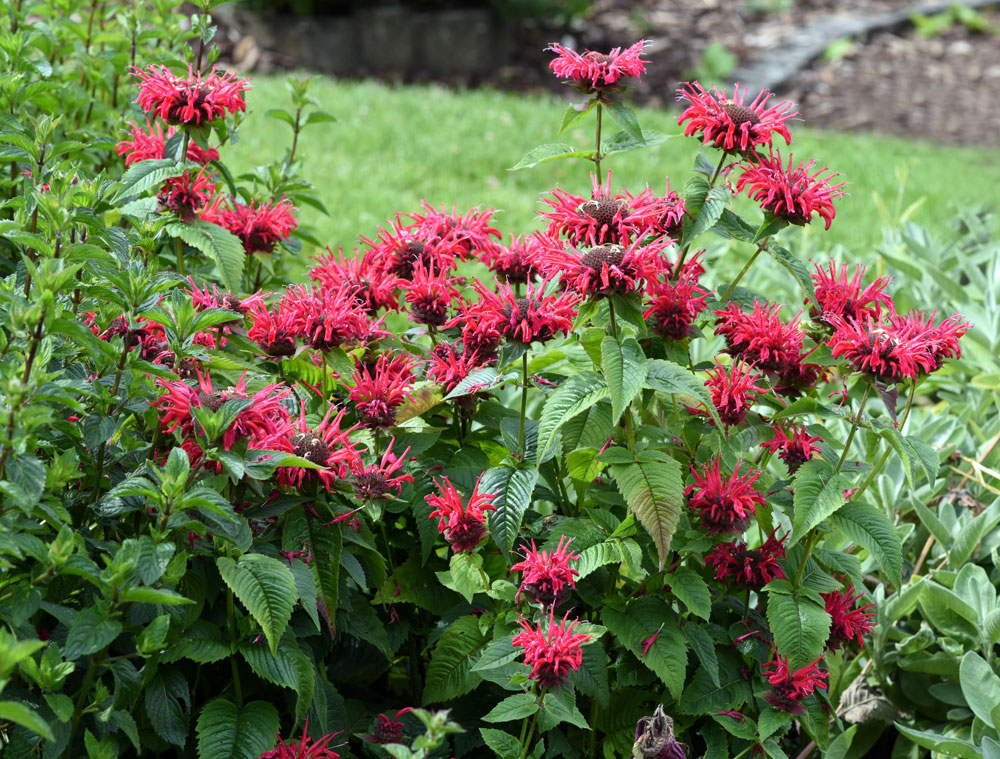
Bee balm spends summer attracting hummingbirds, butterflies, bees, and nearly every other garden visitor with wings.
After the colorful flowers fade, rounded seedheads remain on the stems. These dried heads can provide food for birds and add texture to the fall and winter garden.
By August, allow several strong, healthy stems to remain. You may still get additional flowers from later buds, especially if you continue deadheading part of the plant.
Bee balm does come with one important housekeeping note: powdery mildew is common, particularly when plants are crowded or air circulation is poor.
Leave the healthy seedheads. Remove heavily affected or declining stems rather than preserving them in the name of wildlife gardening.
6. Anise Hyssop
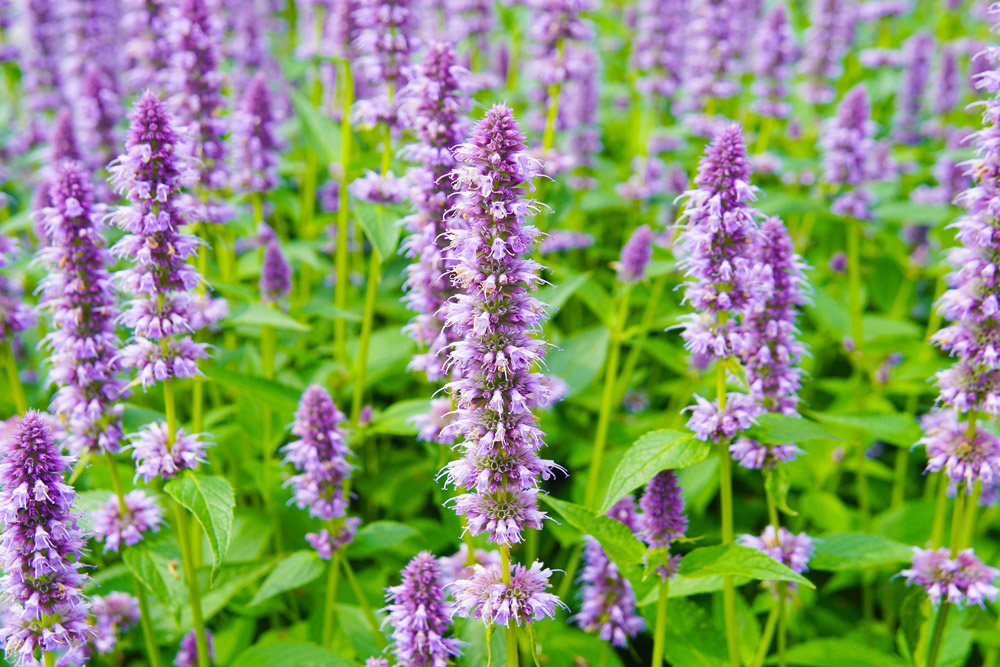
Anise hyssop is one of the easiest flowers to stop deadheading in late summer.
Its upright flower spikes attract pollinators for weeks. Deadheading during early summer may prolong the display, but by August or September, the fading spikes can be left so seeds have time to develop.
Birds may feed on the seeds during fall and winter, while the dried flowerheads retain an attractive upright shape.
This is one of those plants that can make a winter garden look intentional rather than simply abandoned.
Allow the healthiest stems to stand until late winter or early spring. Cut them back before new growth begins.
Anise hyssop may also self-sow. Leave fewer seedheads if you prefer a controlled planting and more if your gardening style is best described as “let’s see what happens.”
7. Blanket Flower
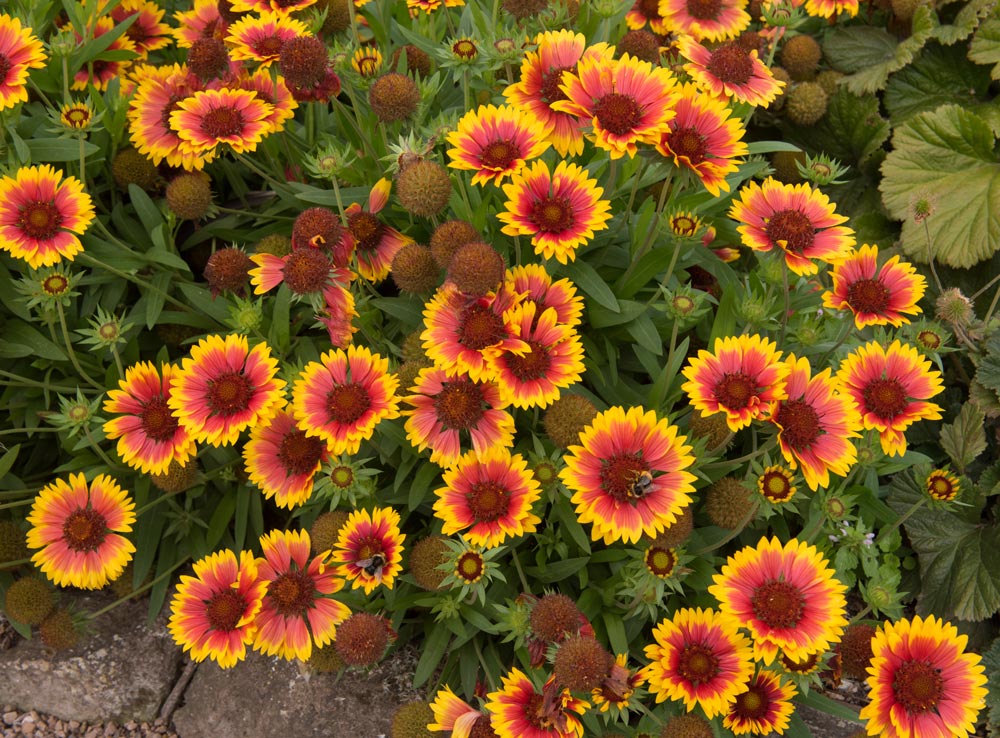
Blanket flower produces warm red, orange, and yellow blooms through much of summer, especially when spent flowers are removed regularly.
Once the petals fall, each bloom leaves behind a fuzzy, rounded seedhead. Birds may eat the seeds, and fallen seeds may produce new plants.
There is a trade-off here.
Continued deadheading can help blanket flower bloom into fall. Allowing every flower to produce seeds may reduce the number of new blooms.
Instead of stopping all at once, leave several well-formed seedheads and continue removing the rest for a few more weeks. This gives you late color, seeds for birds, and the possibility of volunteer plants.
Avoid leaving flowerheads that are soggy or rotting after prolonged wet weather.
8. ‘Autumn Joy’ Sedum
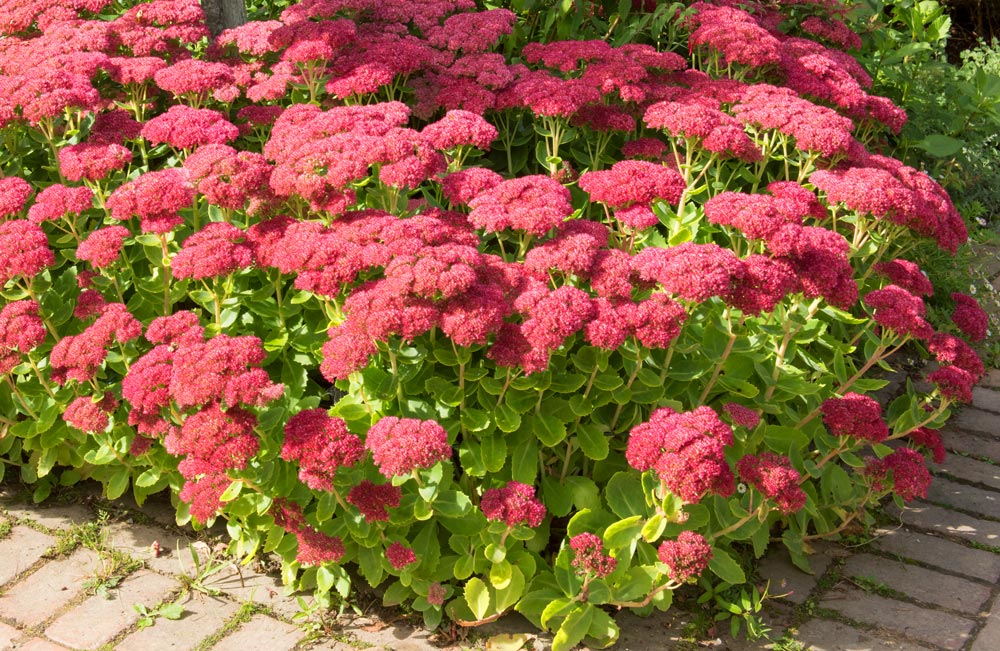
‘Autumn Joy’ sedum barely needs deadheading at all.
Its broad flower clusters begin pink, deepen to rosy red or bronze, and eventually dry to brown. Even after flowering, the sturdy clusters hold their shape and create structure in the winter garden.
Removing them in August would be like leaving a movie just as the final act begins.
Allow the flowers to age naturally on the plant. The dried heads can look especially attractive when touched by frost or snow, and birds may visit them for seeds.
Remove a stem only if it snaps, flops across a walkway, or begins rotting. Otherwise, let the plant complete its slow transformation from summer flowers to winter sculpture.
9. Cosmos
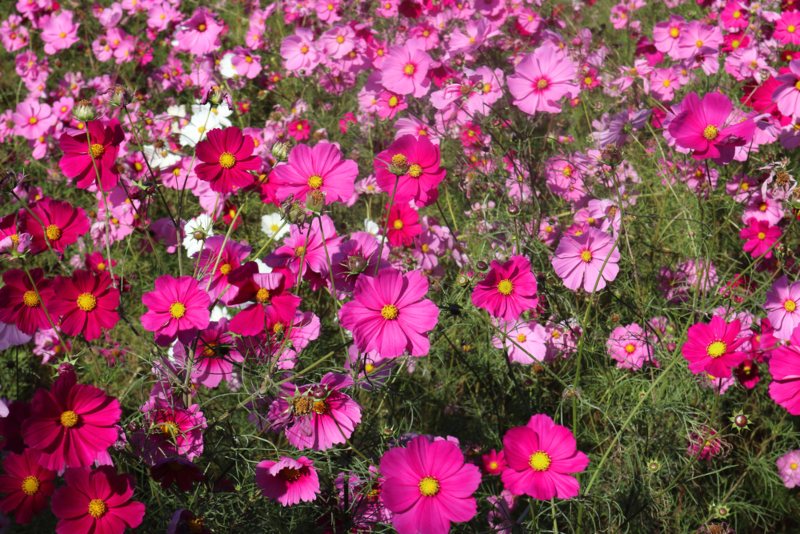
Cosmos can bloom from summer into fall, and deadheading is one of the best ways to keep those airy flowers coming.
So why stop in August?
Because cosmos also produces plenty of seeds. If you remove every spent flower until frost, there may be nothing left to collect and fewer opportunities for the plants to self-sow.
The solution is selective neglect.
Choose several healthy flowers and leave them alone as the petals fade. The centers will dry and develop long, narrow seeds. Birds may eat them, or you can collect them once they are fully dry.
Continue deadheading the rest of the plant if you want more flowers. Allowing every bloom to go to seed too early may slow the display.
A few saved heads are usually enough. Cosmos can be enthusiastic about reseeding, which is wonderful until your carefully planned color scheme develops plans of its own.
What You Should Still Remove
Leaving seedheads does not mean ignoring the garden until spring.
Continue removing:
- Moldy or rotting flowers
- Broken stems
- Heavily diseased foliage
- Seedheads from plants you do not want spreading
- Spent blooms covering new buds
- Invasive plants that should not produce seeds
It is also perfectly reasonable to deadhead plants near the front door, patio, or other highly visible areas while leaving seedheads in less formal sections.
Wildlife does not require every flowerbed to look like an abandoned meadow.
Should Everyone Stop in August?
August is a useful reminder, not a universal deadline.
Gardeners in northern climates may begin allowing seedheads to form in early or mid-August. Those in warmer southern areas may have several more months of flowering weather and can continue deadheading longer.
Watch your plants rather than the calendar alone.
If a plant is covered in new buds and frost is months away, continue deadheading most of it. If flowering is slowing and birds are already inspecting the garden, begin leaving more faded blooms behind.
You can also compromise. Deadhead half the plant and leave the other half to mature.
Good enough for the flowers. Good enough for the birds. And good enough for those of us who are getting tired of carrying pruning shears around by late August.
Final Thoughts
Deadheading keeps a summer garden blooming, but removing every faded flower also removes seeds, winter structure, and opportunities for new plants.
Starting in August, allow selected coneflowers, black-eyed Susans, sunflowers, coreopsis, bee balm, anise hyssop, blanket flowers, sedum, and cosmos to complete their natural cycle.
Leave healthy seedheads, remove anything diseased or rotting, and continue deadheading where another round of flowers is still worth pursuing.
Your late-summer garden may look a little less polished.
The birds are unlikely to complain.