There’s a particular kind of gardener’s guilt that can set in every August.
You look at your gorgeous, over-the-top coleus or the fuchsia that has been putting on a show all summer and think, I really should have taken cuttings of this sooner.
The good news is that August is not too late. In many cases, it is actually an excellent time to propagate plants.
Tender favorites still have plenty of healthy growing tips available, while many herbs and shrubs are beginning to produce semi-ripe stems that root well in late summer. Strawberry runners may already be forming baby plants, and several flowering perennials are ready to divide after blooming.
Read on to discover which plants you can propagate in August and the best method to use for each one.
Why August Works So Well for Propagation
August gives gardeners several propagation opportunities at the same time.
Tender plants such as coleus, fuchsia, and geraniums still have healthy, actively growing stems that can be used for cuttings. Meanwhile, herbs and shrubs such as rosemary, lavender, salvia, and hydrangeas often begin producing semi-ripe growth.
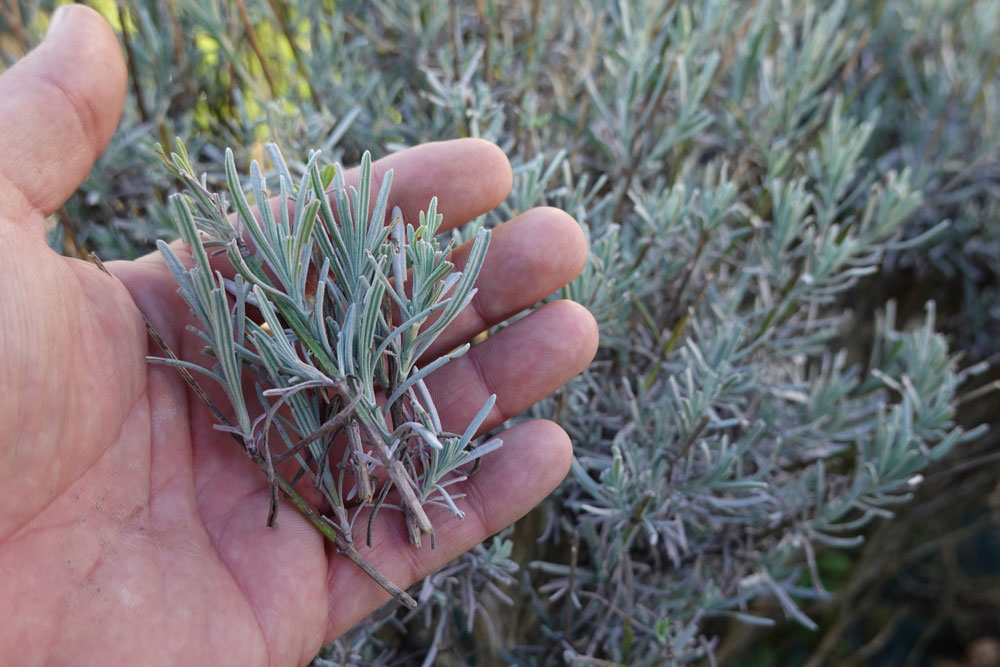
Semi-ripe stems are firm near the base but still flexible toward the tip. This combination makes them sturdy enough to resist wilting while still being young enough to produce roots.
August is also a convenient time to root strawberry runners and divide certain perennials after flowering.
The exact timing will depend on your climate. Gardeners in very hot regions may need to wait for a cooler stretch of weather before dividing established plants, while gardeners in colder areas should allow new divisions enough time to settle in before the ground freezes.
1. Coleus
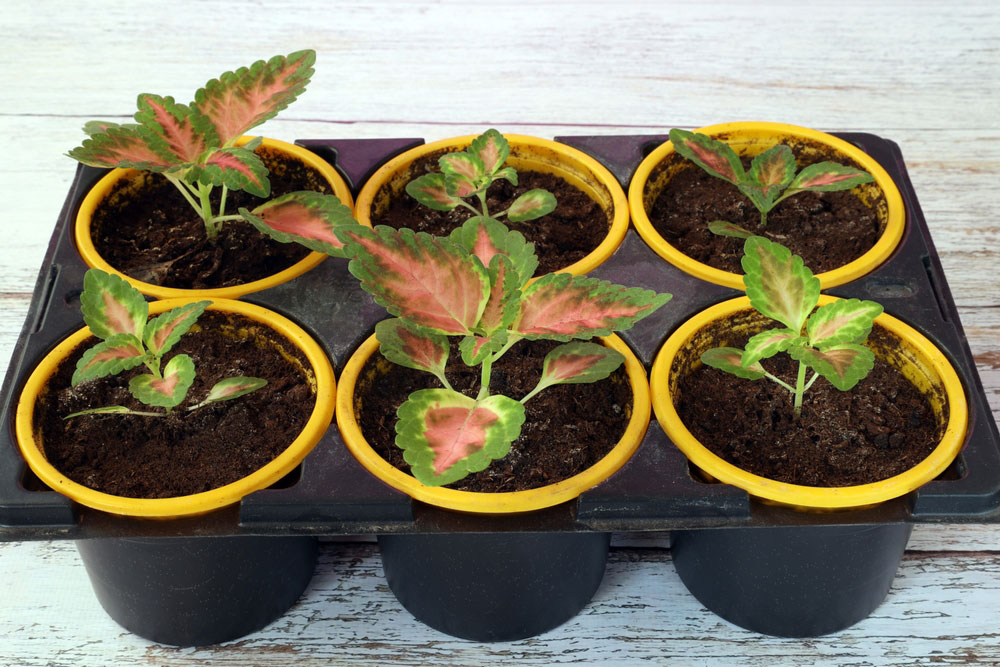
Propagation method: Stem cuttings
Coleus is about as forgiving as propagation gets.
Snip a healthy stem about 3 to 5 inches long, remove the lower leaves, and place it in water or moist potting mix. Keep the cutting in bright, indirect light while roots develop.
Coleus often produces a useful root system within two or three weeks, although it may happen sooner under warm, favorable conditions.
Taking cuttings in August is also a simple way to preserve your favorite varieties before cold weather arrives. Small rooted cuttings are much easier to overwinter indoors than full-size plants.
2. Geraniums
Propagation method: Stem cuttings
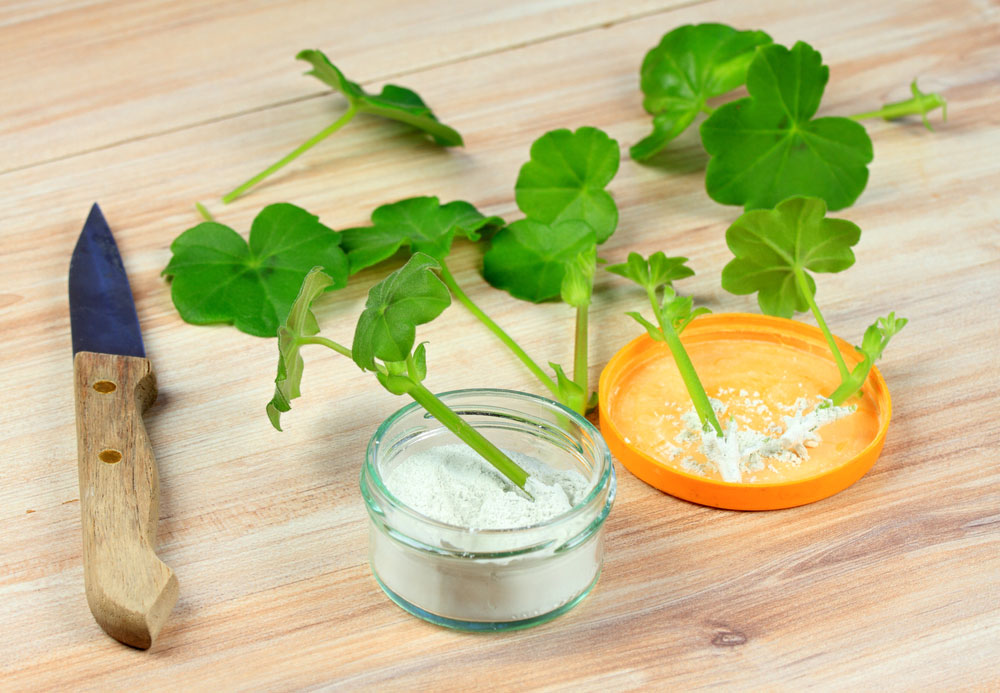
The familiar container plants commonly called geraniums are usually pelargoniums, and they root readily from cuttings.
Choose a healthy, nonflowering stem and cut a section approximately 3 to 4 inches long. Remove the lower leaves and insert the cutting into a moist, well-draining potting mix.
Some gardeners allow the cut end to dry briefly before planting, but the most important step is avoiding soggy soil. Too much moisture can cause the stem to rot before roots develop.
August cuttings can be grown indoors through winter and planted outside again after the danger of frost has passed.
3. Begonias
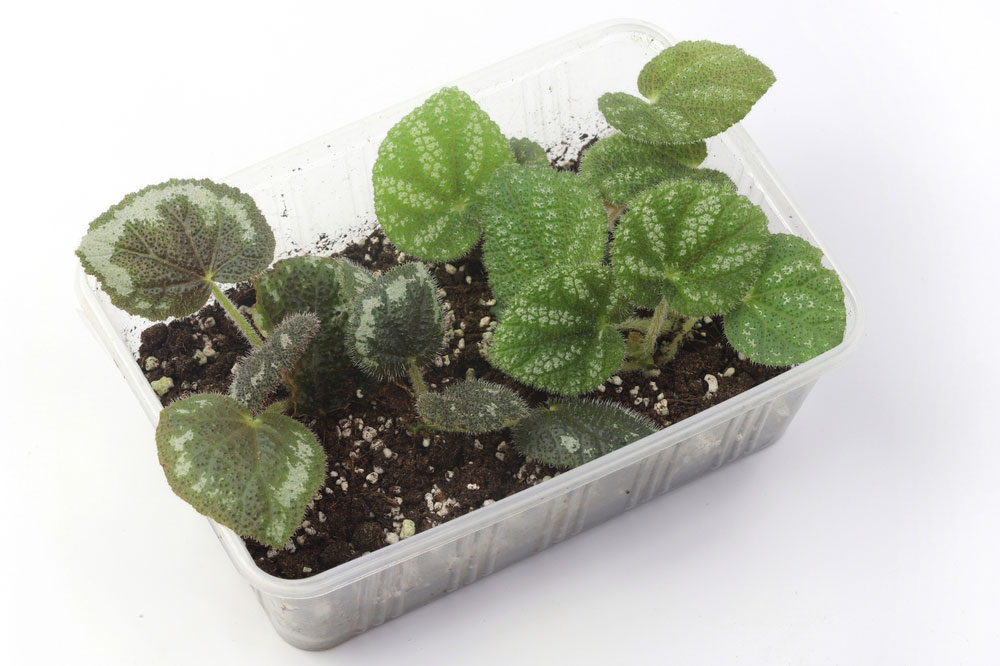
Propagation method: Stem or leaf cuttings
Begonias are the overachievers of the propagation world.
Many fibrous and cane begonias root easily from stem cuttings. Snip a healthy stem beneath a node, remove the lower leaves, and place it in moist potting mix.
Rex begonias can also be propagated from leaves. A healthy leaf can be cut into sections or lightly scored along the main veins before being placed against moist soil. With time, tiny plantlets may begin appearing around the cut areas.
The best method depends on the type of begonia you are growing, so identify the variety before choosing between stem and leaf propagation.
4. Fuchsia
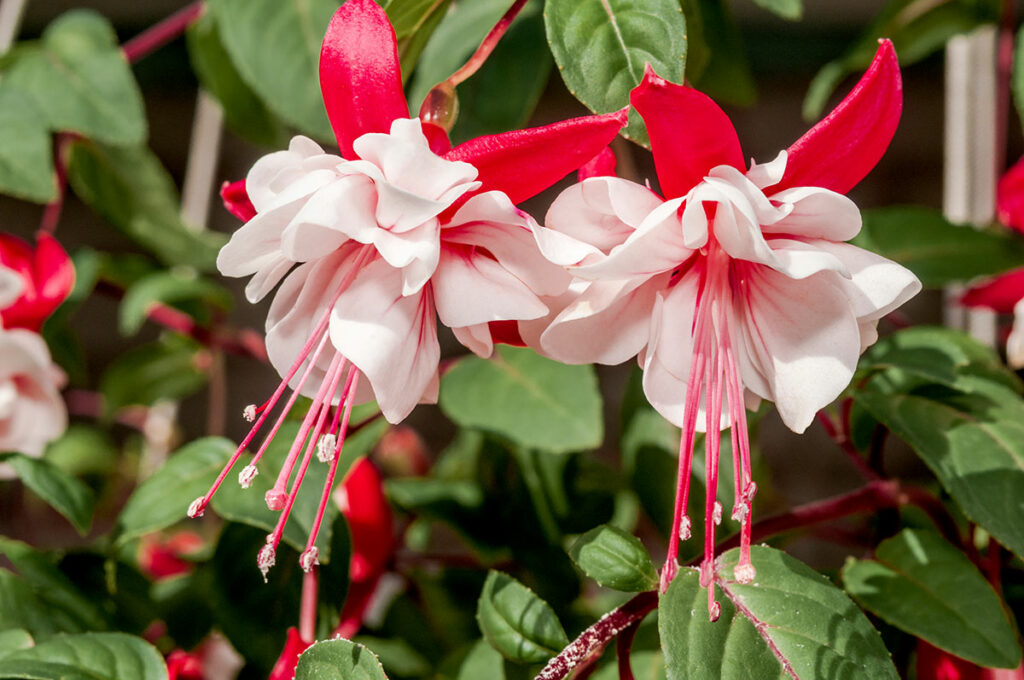
Propagation method: Soft tip cuttings
Fuchsias produce plenty of soft, actively growing tips during summer.
Take a cutting a few inches long with at least two sets of leaves. Remove the lower leaves and insert the stem into a light, moist potting mix.
Place the cutting in bright, indirect light and keep the mix consistently moist without soaking it. A clear plastic cover can help maintain humidity, but it should not touch the leaves.
Fuchsias can grow quickly once rooted, making August propagation an efficient way to multiply favorite varieties or save tender plants before winter.
5. Salvia
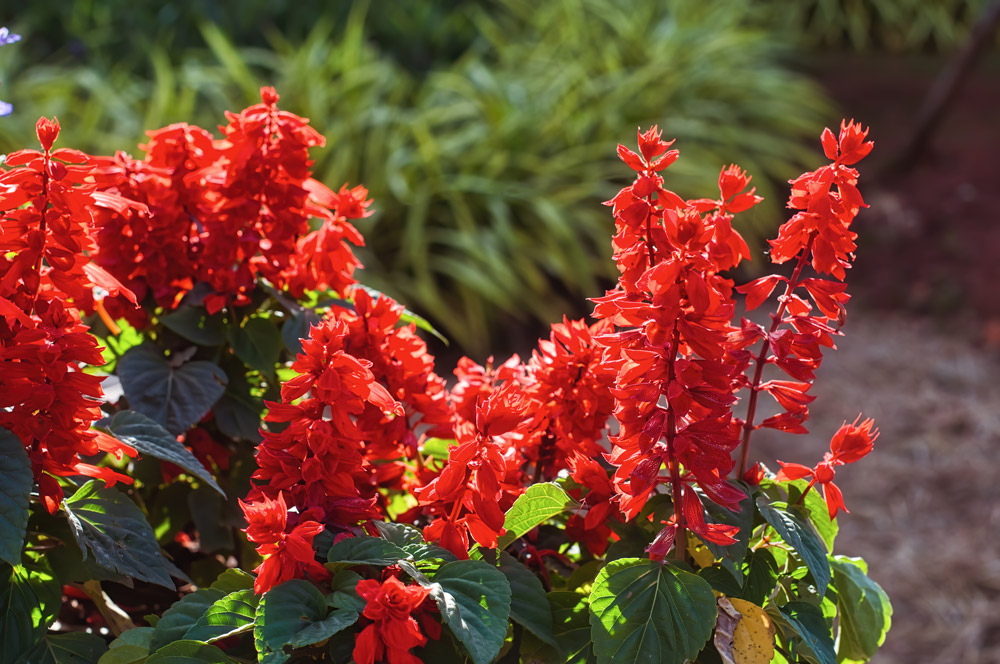
Propagation method: Semi-ripe cuttings
Salvia is a good example of a plant that often develops useful semi-ripe growth in late summer.
Choose a healthy, nonflowering stem with a base that has started to firm but a tip that remains flexible. Remove the lower leaves and place the cutting in a well-draining propagation mix.
Keep it lightly moist and sheltered from intense afternoon sun while roots form.
Tender salvias are especially worth propagating because rooted cuttings take up far less indoor space than mature plants.
6. Rosemary
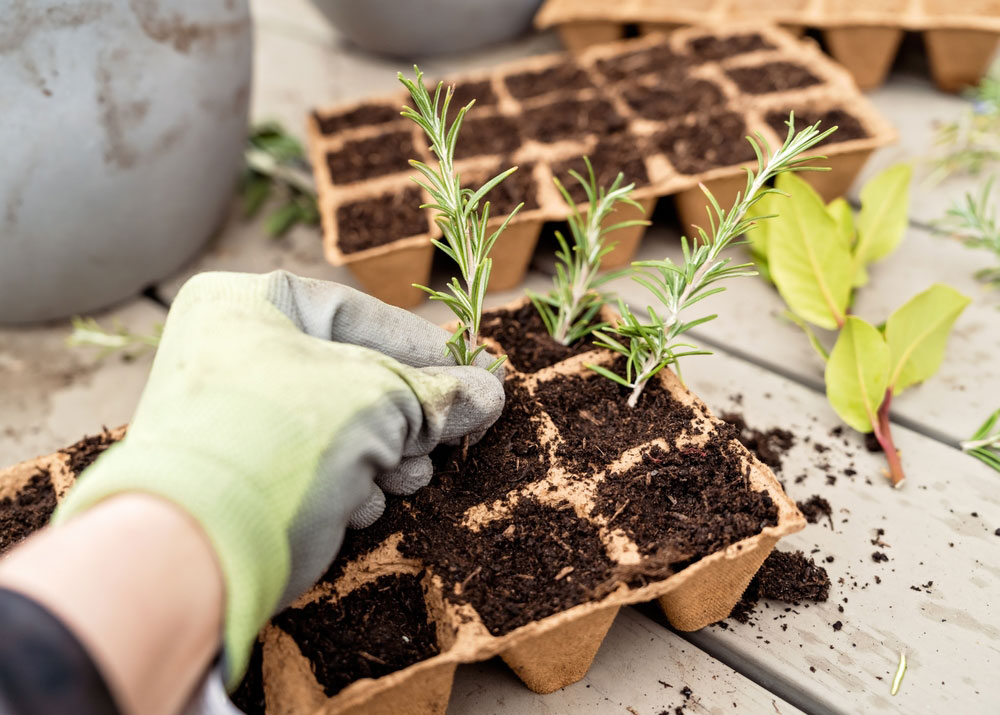
Propagation method: Semi-ripe cuttings
Rosemary can be more particular than coleus or geraniums, but good drainage makes a major difference.
Take a cutting from healthy, nonflowering growth that has begun to firm. Strip the leaves from the lower portion of the stem and insert it into a gritty, well-draining mix.
Avoid rooting rosemary in constantly wet soil. Waterlogged conditions can quickly turn the stem soft and mushy.
Keep the mix lightly moist, provide good air circulation, and place the cutting somewhere bright but out of harsh direct sun.
Rosemary wants conditions that feel more like a slightly rugged Mediterranean hillside than a swamp.
Related Article: Turn ONE Rosemary Plant into Dozens! – A simple Propagation Method
7. Lavender
Propagation method: Semi-ripe cuttings
Lavender follows many of the same rules as rosemary.
Choose a healthy, nonflowering stem with a slightly firm base and flexible tip. Remove the lower leaves and insert the cutting into a loose, fast-draining mix.
Keep the mix lightly and evenly moist, but never soggy. Unrooted cuttings should not be allowed to dry out completely.
Lavender cuttings also benefit from good air circulation and protection from intense midday sun while they establish.
August propagation can help you replace aging, woody lavender plants or create extras for borders and containers.
8. Hydrangeas
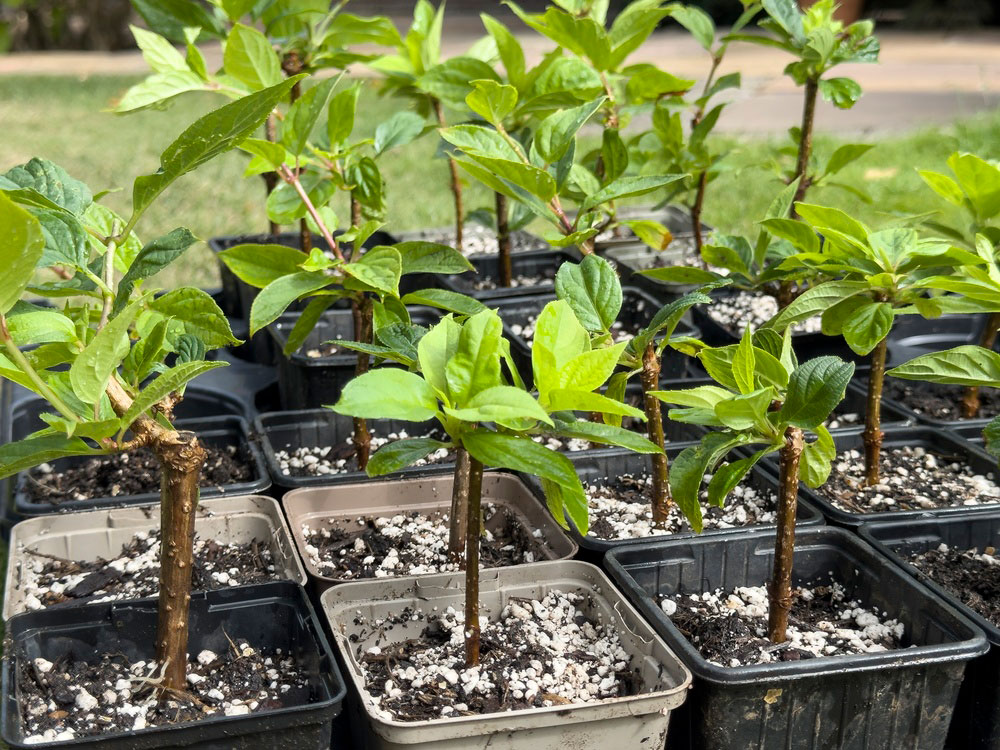
Propagation method: Nonflowering stem cuttings
Look for a healthy stem without a flower or developing flower bud.
Cut a section several inches long just below a leaf node. Remove the lower leaves and trim very large upper leaves in half if necessary to reduce moisture loss.
Insert the cutting into moist potting mix and place it in bright, indirect light.
Hydrangea cuttings appreciate humidity while they root. A clear plastic bag or propagation dome can help, but leave enough space around the leaves for air circulation.
Keep the soil moist without allowing it to become waterlogged.
9. Strawberries
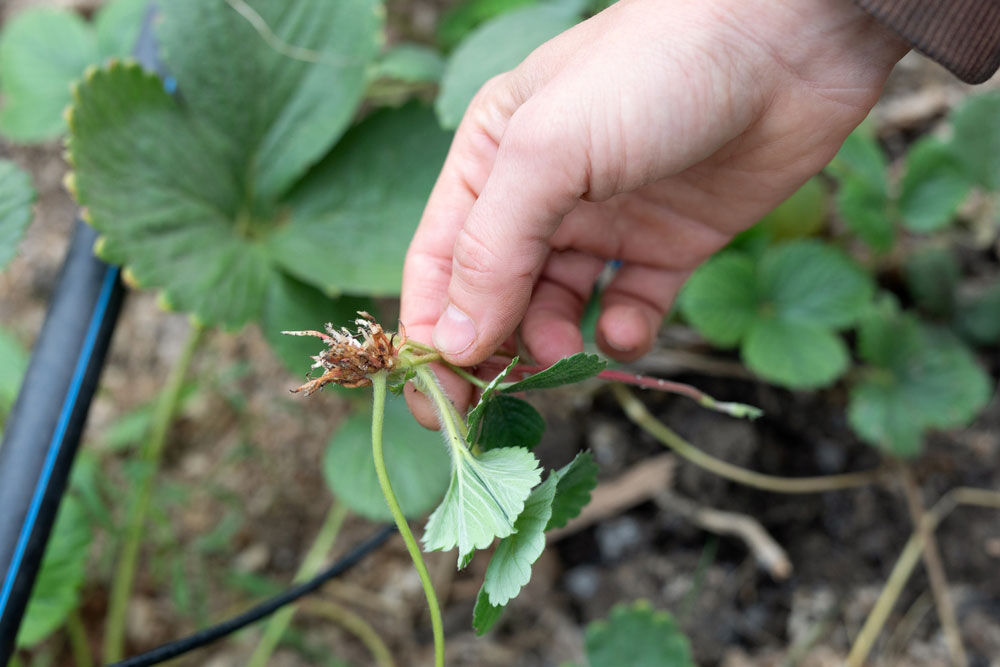
Propagation method: Rooted runners
Strawberries do much of the propagation work themselves.
Those long runners stretching away from the mother plant often produce small daughter plants. Where one of these baby plants touches the soil, it may begin developing its own roots.
Set a small pot of soil beside the mother plant and pin the baby plant gently against the surface. Leave it attached to the runner while the roots establish.
Once the new plant is firmly rooted, snip the connecting runner and move the young strawberry plant to its permanent location.
Choose strong, healthy runners and remove extras if the mother plant is producing more than you need.
10. Bearded Irises
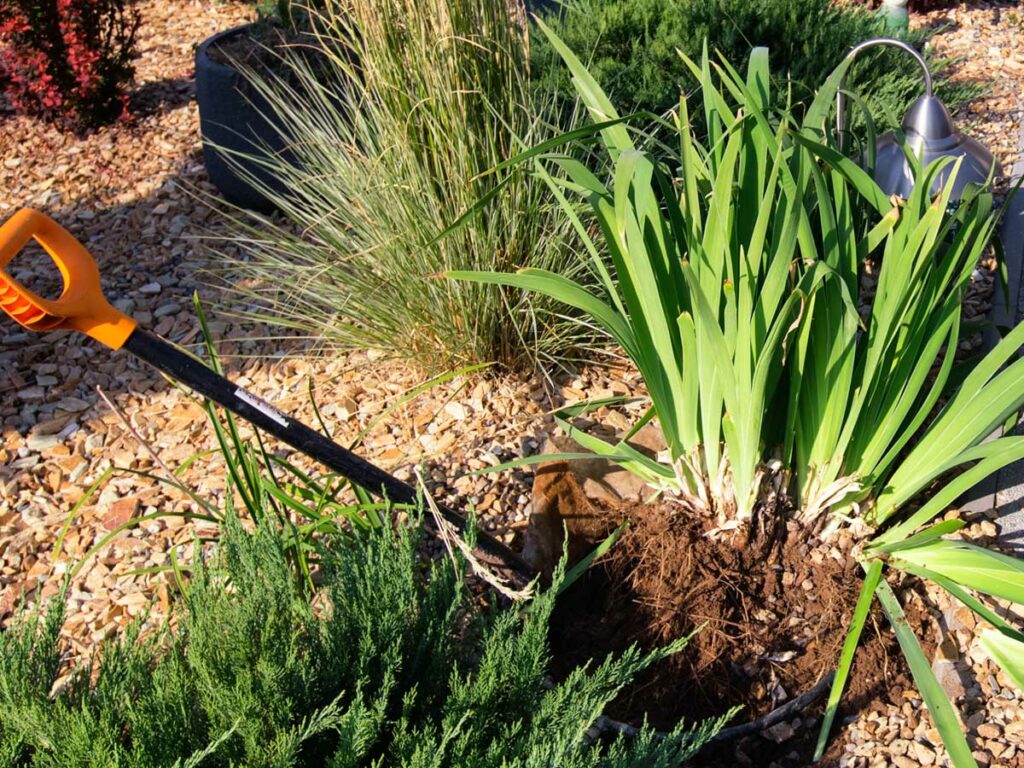
Propagation method: Rhizome division
July and August are excellent months for dividing bearded irises in many climates.
Dig up an established clump and separate the crowded rhizomes. Keep firm, healthy sections with roots and a fan of leaves attached. Discard any rhizomes that are soft, damaged, or showing signs of rot.
Trim the leaves back to make the divisions easier to handle, then replant the rhizomes shallowly.
The top portion of a bearded iris rhizome should remain visible or sit just barely beneath the soil surface. Planting it too deeply can reduce flowering and encourage rot.
Water after planting, but avoid keeping the area constantly wet.
11. Daylilies
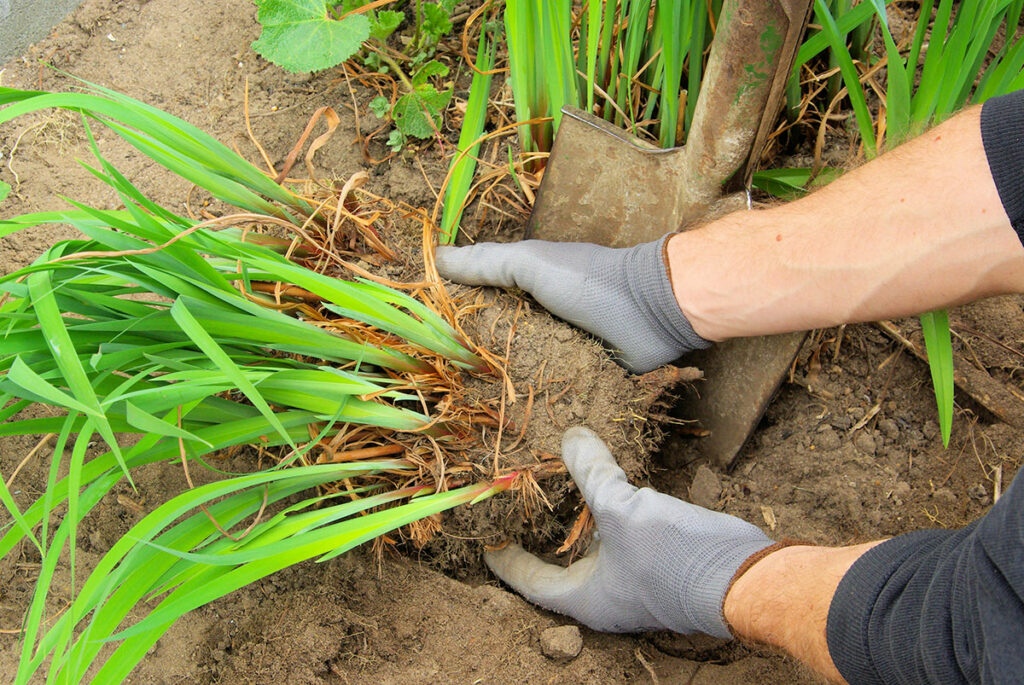
Propagation method: Clump division
Daylilies are among the toughest flowering perennials, which makes division relatively forgiving.
Dig around the plant and lift the entire clump. Gently pull the plant apart or use a clean garden knife or spade to separate it into sections.
Each new division should have healthy roots and several fans of foliage.
Replant the sections promptly at the same depth they were growing before. Water thoroughly and keep the soil consistently moist while the divisions recover.
In extremely hot regions, wait for a cooler or cloudy period rather than dividing during a stretch of intense heat.
12. Garden Phlox
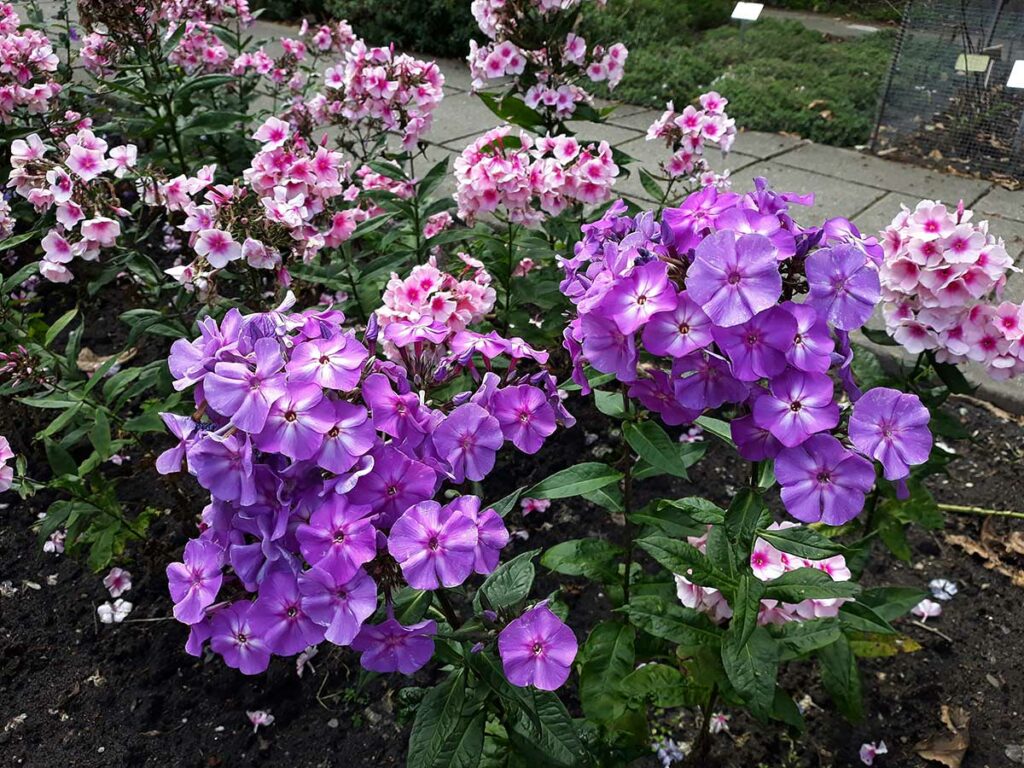
Propagation method: Clump division
Garden phlox can become crowded after several years, resulting in fewer flowers, weaker stems, and reduced airflow.
Late-summer division can rejuvenate the plant and give you several new sections to replant elsewhere.
Dig up the clump and separate it into healthy portions with roots and shoots attached. Replant immediately and water well.
Dividing congested phlox may also improve air circulation, which can help reduce conditions that encourage powdery mildew. However, division will not eliminate the disease on its own, so continue spacing plants properly and watering near the soil rather than over the leaves.
Quick August Propagation Guide
| Plant | Best method | Why propagate it now? |
|---|---|---|
| Coleus | Stem cuttings | Save favorite colors before frost |
| Geraniums | Stem cuttings | Create small plants for overwintering |
| Begonias | Stem or leaf cuttings | Warm conditions encourage rooting |
| Fuchsia | Soft tip cuttings | Healthy new growth is still available |
| Salvia | Semi-ripe cuttings | Stems are beginning to firm |
| Rosemary | Semi-ripe cuttings | Late-summer growth is suitable for rooting |
| Lavender | Semi-ripe cuttings | Current stems are firm but still flexible |
| Hydrangeas | Nonflowering stem cuttings | Healthy summer growth is available |
| Strawberries | Runners | Baby plants may already be forming roots |
| Bearded irises | Rhizome division | Ideal post-bloom dividing period |
| Daylilies | Clump division | Plants can recover before winter |
| Garden phlox | Clump division | Division can reduce overcrowding |
Hot- and Cold-Climate Timing
August does not feel the same in every garden.
In areas where the month is still extremely hot and dry, focus on taking cuttings in a shaded location and delay major divisions until temperatures moderate.
Water plants before lifting them, divide them during a cooler or cloudy period, and replant them promptly. Keep newly divided plants consistently moist while they recover.
Gardeners in colder climates should finish dividing perennials early enough to give them several weeks to establish roots before the ground freezes.
Cuttings, Runners, or Division: Which Method Should You Use?
If you are standing in the garden trying to decide which propagation method applies to which plant, here is the quick version.
Stem or Tip Cuttings
Stem and tip cuttings work well for plants that root readily from a snipped piece of healthy growth.
Coleus, geraniums, fuchsia, and some begonias fall into this category. These plants usually have soft, herbaceous stems that can form roots relatively quickly.
Semi-Ripe Cuttings
Semi-ripe cuttings come from stems that are firm near the base but still flexible near the tip.
This method works well for shrubbier plants and herbs such as salvia, rosemary, lavender, and hydrangeas.
Drainage, humidity, and careful watering become especially important with these plants.
Leaf Cuttings
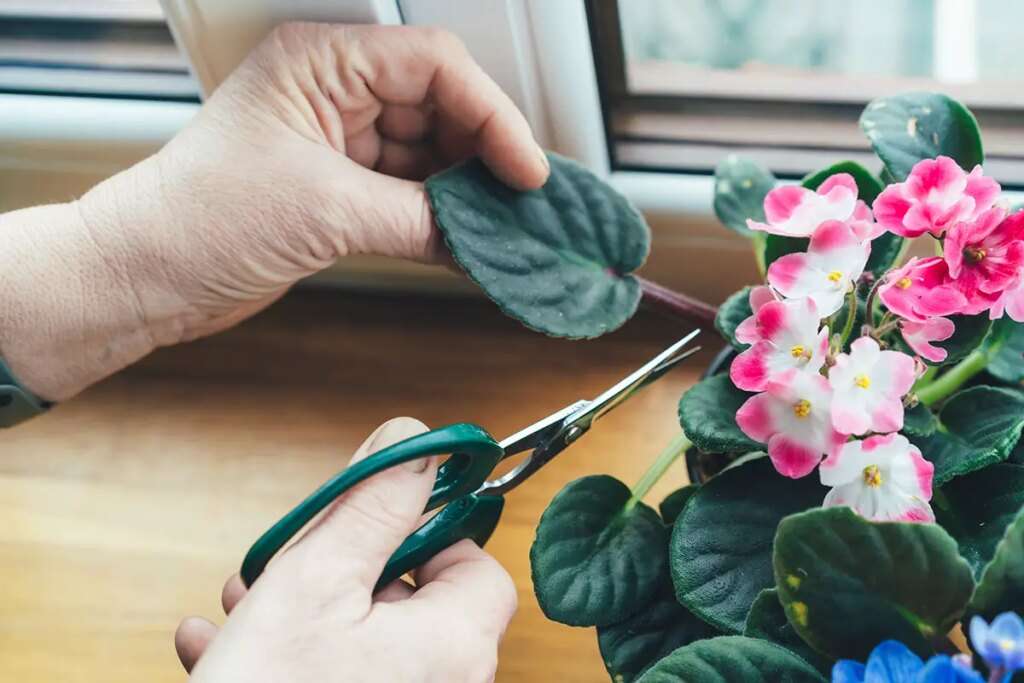
Leaf cuttings are a specialty method used for plants that can regenerate from leaf tissue.
Rex begonias are one of the best-known examples. It may seem like magic when tiny plants begin emerging, but it is simply one of the more impressive tricks plant biology has to offer.
Runners
Runners are stems that travel away from the mother plant and produce new baby plants.
Strawberries are the classic example. Your main job is to help the daughter plant root before separating it from the mother.
Division
Division works for established plants that grow in clumps or spread through rhizomes.
Bearded irises, daylilies, and garden phlox can be lifted and separated into several mature sections. Unlike taking a cutting, division gives you larger plants almost immediately.
Final Thoughts
You do not need a greenhouse or expensive propagation equipment to create more plants in August.
A few clean pots, fresh potting mix, sharp pruning shears, and a little patience will get you most of the way there.
Not every cutting will root, and not every division will look perfect immediately. That is part of the process.
Propagation is part science, part patience, and part seeing what happens. Even the failures usually teach you something useful for next August.