Bare soil is basically an invitation for weeds.
Ask me how I know.
I once had a little “temporary” bare patch near a garden path that I planned to deal with later. You know, later. That magical time when all garden chores are finished, the hose is perfectly coiled, and not a single mosquito is bothering you.
Well, later never came. But the weeds certainly did.
Within a few weeks, that bare patch had turned into a tiny weed convention. Crabgrass, random mystery seedlings, and something with a taproot that seemed personally committed to ruining my afternoon.
Note to self: nature does not like empty space.
That is where weed-blocking plants can be so helpful. No, they are not magic. They will not politely march into a bed full of established weeds and remove them for you. Wouldn’t that be nice? But the right plants can cover the soil, shade out tiny weed seedlings, reduce erosion, and make it much harder for weeds to move in.
Think of them as living mulch.
Here are some of the best plants to help crowd out weeds in garden beds, along walkways, under shrubs, on slopes, and even in empty vegetable beds.
How Plants Help Keep Weeds Down
Before we get into the list, let’s clear up one thing: plants do not “prevent weeds” in the way a locked door prevents someone from walking into your house.
Weeds are sneaky little opportunists. They travel by wind, birds, animals, mulch, compost, shoes, and probably sheer determination.
But dense, spreading plants can make your garden much less inviting for them.
They help by:
- Shading the soil so weed seeds have a harder time germinating
- Competing with weeds for water, nutrients, and light
- Covering bare ground before weeds can claim it
- Holding soil in place on slopes
- Reducing the need for constant mulch touch-ups
The key is choosing the right plant for the right spot. A sun-loving groundcover planted in damp shade will not crowd out weeds. It will sulk. Possibly dramatically.
So first, let’s match the plant to the problem area.
Quick Chart: Best Weed-Crowding Plants by Garden Spot
| Garden Area | Good Plant Choices |
|---|---|
| Hot, sunny beds | Creeping thyme, sedum, lamb’s ear, catmint |
| Dry sunny slopes | Creeping juniper, bearberry, fragrant sumac |
| Walkways and stepping stones | Creeping thyme, creeping mazus, sedum |
| Shade under trees | Wild ginger, Pennsylvania sedge, epimedium, sweet woodruff |
| Part-shade borders | Cranesbill geranium, foamflower, barren strawberry |
| Woodland-style gardens | Allegheny spurge, foamflower, wild ginger |
| Empty vegetable beds | Buckwheat, oats, crimson clover, winter rye |
| Pollinator-friendly edges | Creeping phlox, catmint, thyme, foamflower |
Now let’s get into the plants.
1. Creeping Thyme
Creeping thyme is one of those plants that makes you feel like you have your gardening life together.
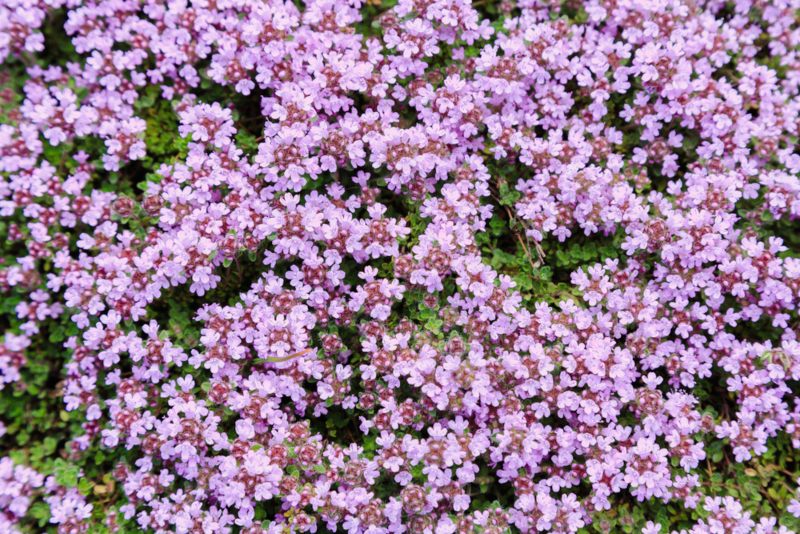
It stays low, spreads into a fragrant mat, and looks especially charming between stepping stones or along the edge of a sunny path. When it blooms, it can be covered in tiny pink, lavender, or purple flowers that bees absolutely love.
It is especially useful in dry, sunny spots where many thirstier plants would complain.
Why it helps with weeds: creeping thyme forms a tight, low carpet that shades the soil and leaves fewer open spaces for weed seedlings to pop up.
Best for: sunny walkways, dry edges, rock gardens, between stepping stones
Keep in mind: it does not love wet feet. If your soil stays soggy, thyme may thin out, and thin groundcover is basically a welcome mat for weeds.
2. Creeping Phlox
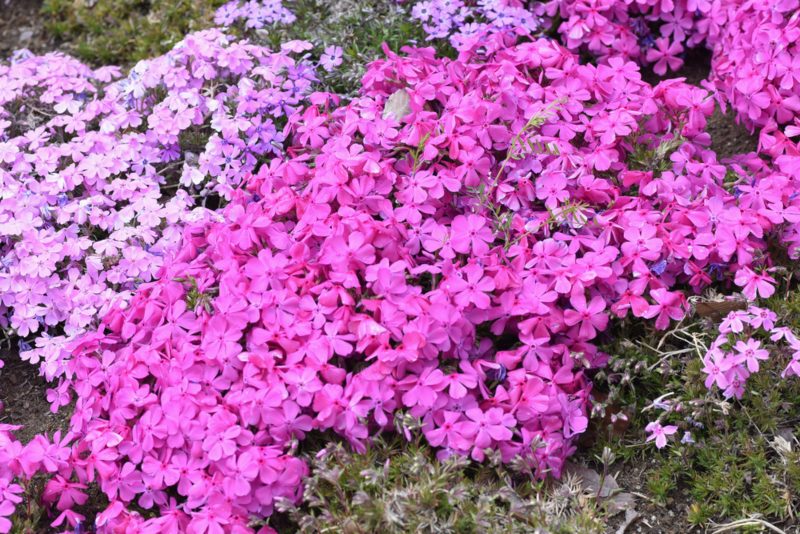
If creeping thyme is the practical garden friend, creeping phlox is the show-off.
And honestly, I mean that as a compliment.
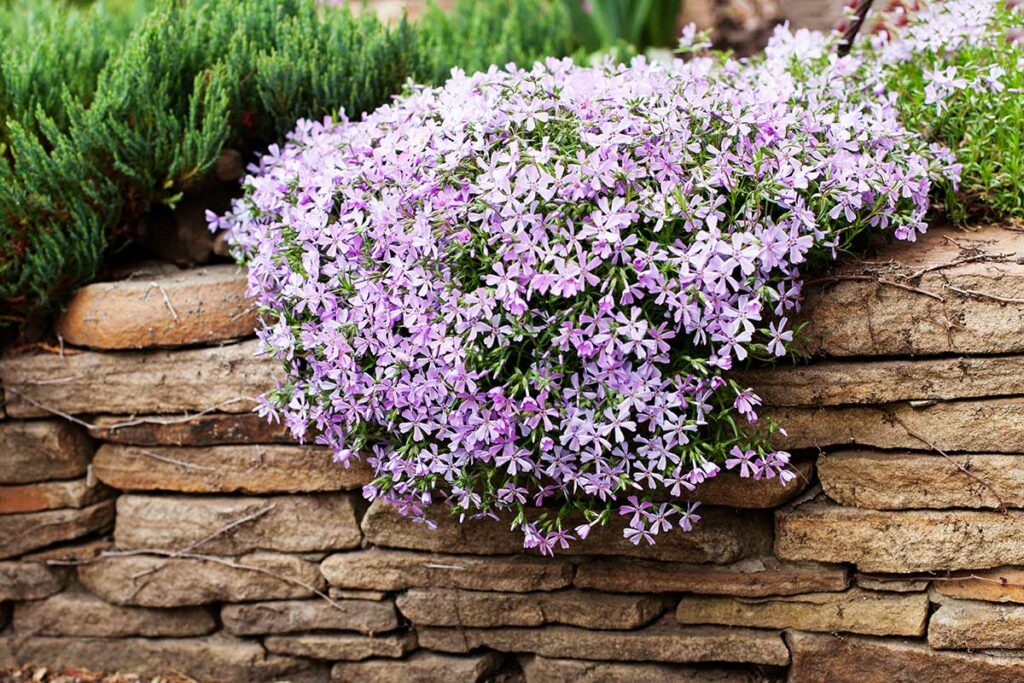
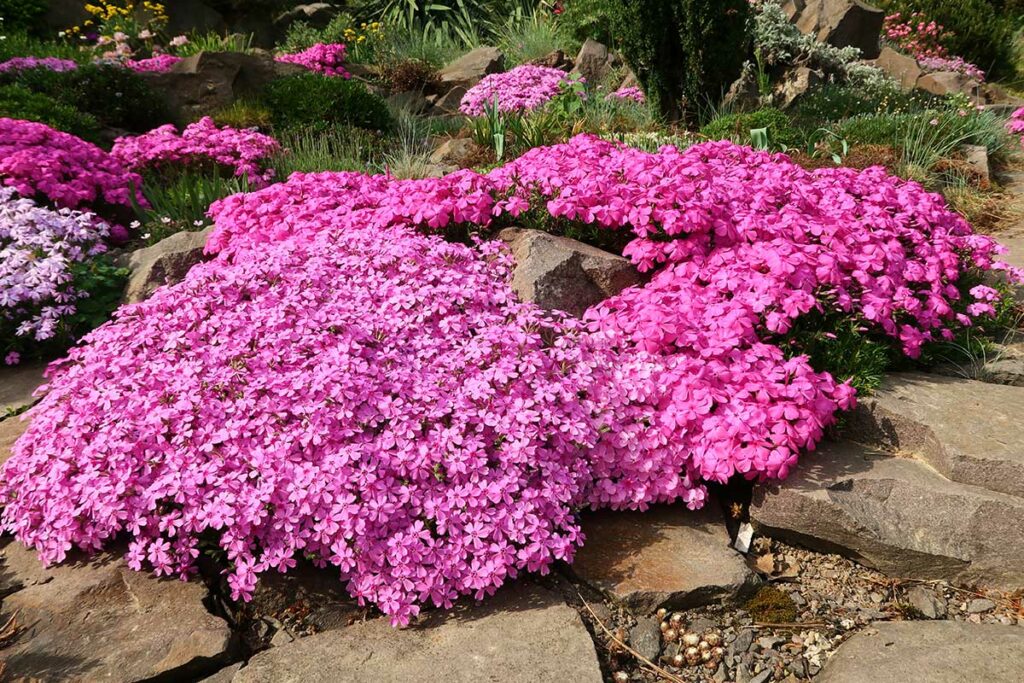
Creeping phlox creates a low mat of needle-like foliage, then bursts into spring color like it has been waiting all winter for its big moment. Pink, lavender, white, purple — the whole thing can look like someone rolled a floral carpet across your garden.
Why it helps with weeds: once established, its dense growth covers open soil and makes it harder for weed seeds to settle in and grow.
Best for: sunny slopes, front borders, rock gardens, cottage-style beds
Keep in mind: it looks amazing in spring, but it is not always the lushest-looking plant in late summer. Pair it with other plants nearby so the bed still looks full after the bloom show ends.
3. Sedum
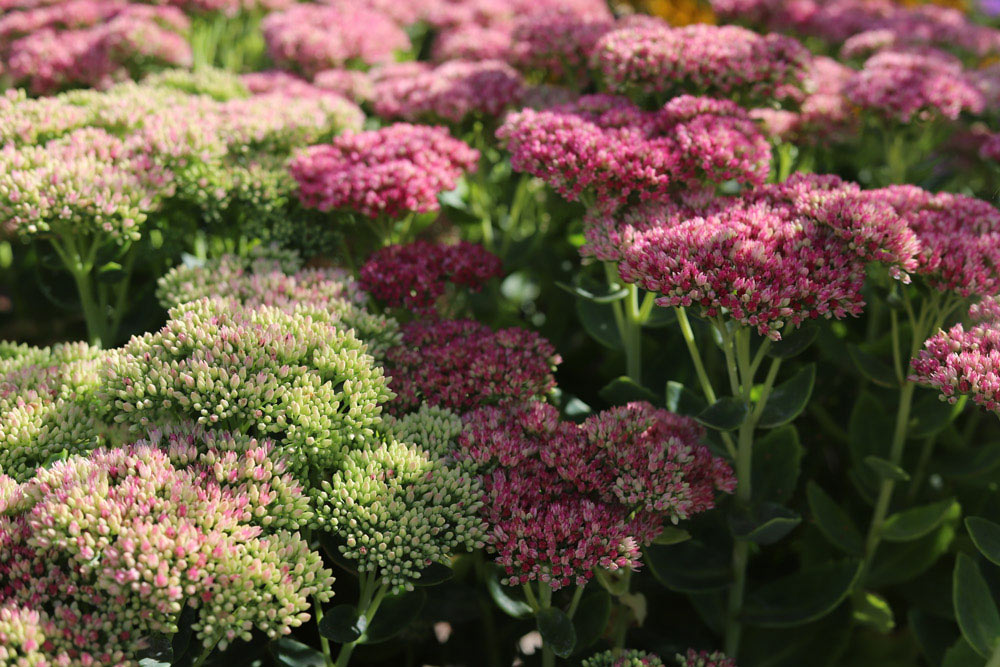
Sedum, also called stonecrop, is the plant I recommend when someone says, “I forget to water things sometimes.”
Not that I would know anything about that personally. Ahem.
Low-growing sedums are excellent for hot, dry, sunny areas. They have succulent leaves, spread into mats, and tolerate lean soil better than many fussier garden plants.
Why it helps with weeds: mat-forming sedums fill gaps quickly in sunny spots and help cover dry, exposed soil where weeds often sneak in.
Best for: rock gardens, hot borders, dry slopes, sunny edges
Keep in mind: sedum needs good drainage. If you tuck it into a wet, heavy clay area, it may rot or thin out.
4. Barren Strawberry
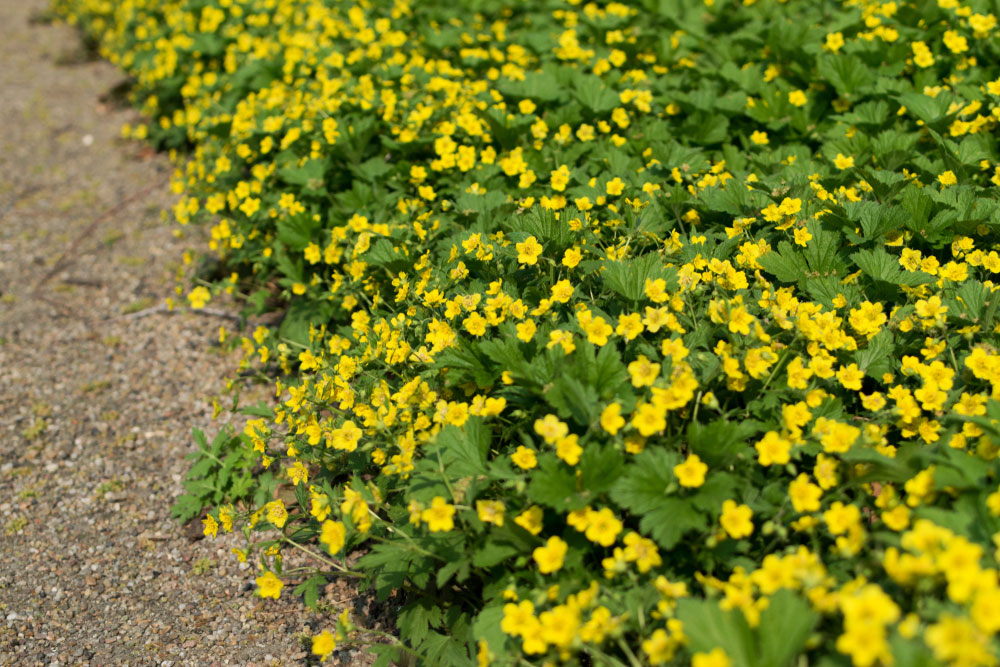
Barren strawberry looks a bit like a strawberry plant, but it is grown more for its tidy foliage and cheerful yellow flowers than for fruit.
It is a wonderful choice if you want a low groundcover that feels soft and natural without being quite as aggressive as some of the “plant it and regret it forever” groundcovers.
Why it helps with weeds: it spreads into a low mat that covers soil between shrubs, perennials, and pathway edges.
Best for: sun to part shade, border fronts, natural-looking garden beds
Keep in mind: it will take some time to fill in. Mulch between young plants while they get established.
5. Bearberry
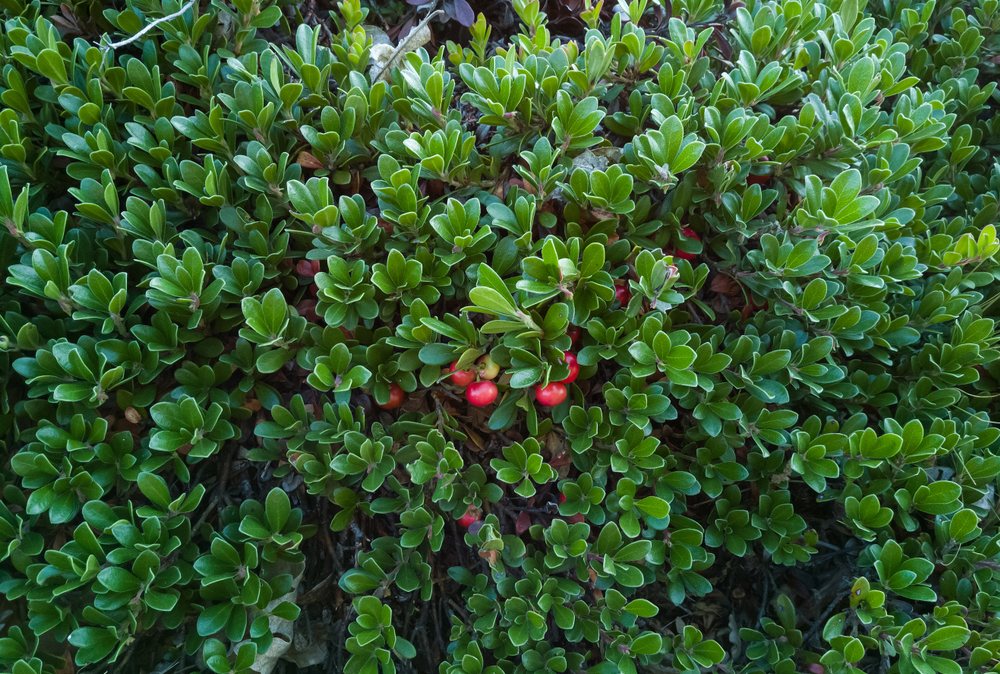
Bearberry is a tough, low evergreen shrub that works beautifully in dry, sandy, acidic soil.
It has small leathery leaves, spring flowers, and red berries that can add interest later in the season. This is not the plant for a rich, constantly watered flower bed. It is more of a “give me a difficult dry slope and let me handle it” kind of plant.
We respect that.
Why it helps with weeds: bearberry creates a low, woody, evergreen cover that protects exposed soil and helps reduce erosion.
Best for: dry slopes, sandy soil, acidic soil, sunny areas
Keep in mind: it can be slow to establish. Do not expect instant weed control the first season.
6. Creeping Juniper
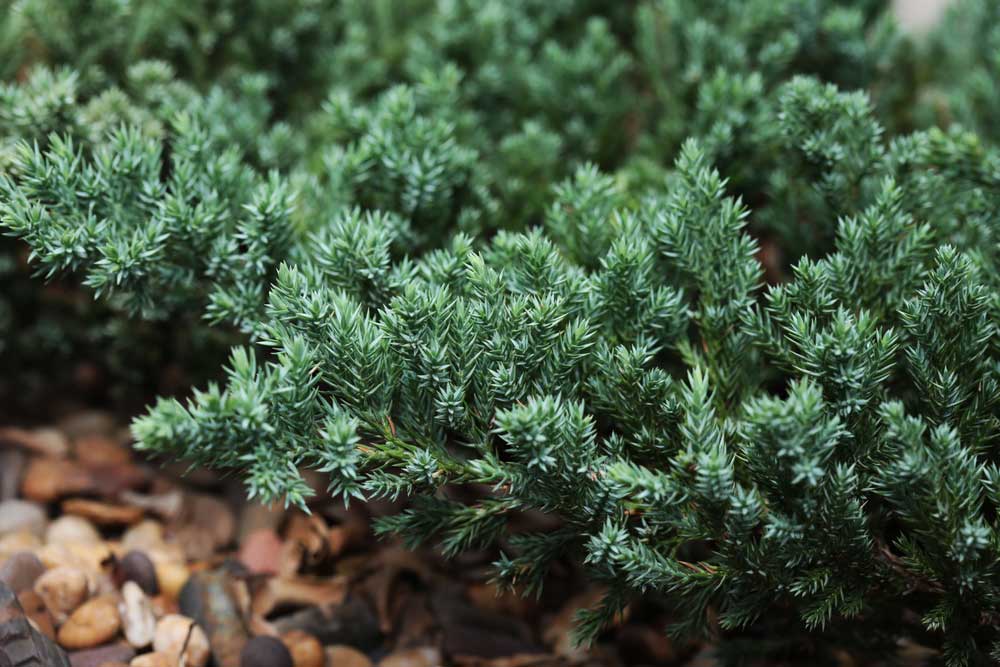
Creeping juniper is one of the best choices for sunny slopes where mowing is annoying, mulch keeps sliding downhill, and weeds seem to appear every time you blink.
It spreads with trailing evergreen branches and can handle dry, sandy, or rocky soil once established.
Why it helps with weeds: its dense evergreen branches shade the ground year-round and help hold soil in place.
Best for: slopes, dry banks, large sunny areas, low-maintenance evergreen coverage
Keep in mind: give it room. Some varieties spread several feet wide, and they are not exactly fun to weed through if you plant them too close to delicate perennials.
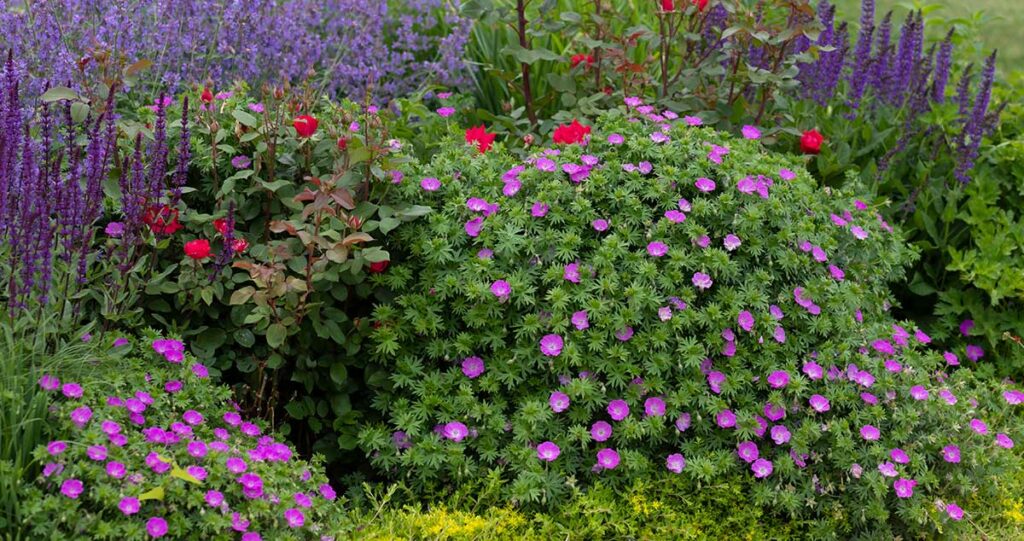
7. Cranesbill Geranium
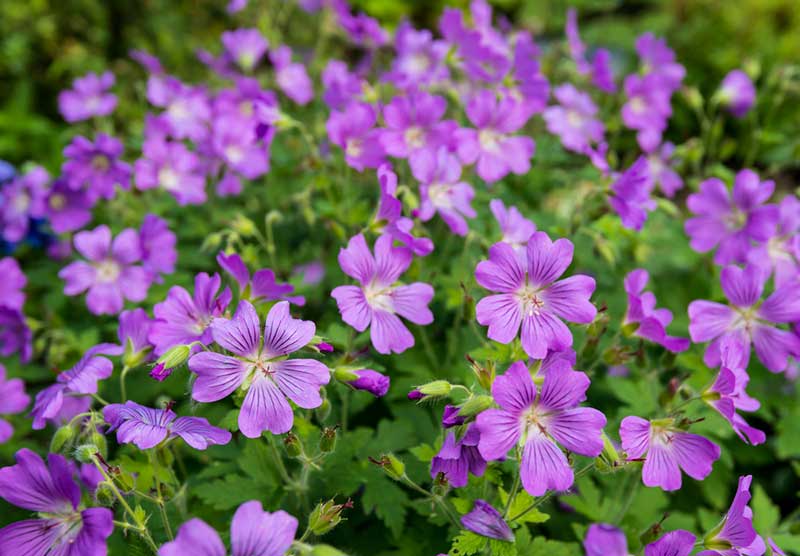
Cranesbill geraniums are not the same as the annual geraniums you see in patio pots. These are hardy perennial geraniums, and some varieties are excellent at forming leafy mounds that help cover bare soil.
They are pretty, reliable, and much easier to live with than many aggressive groundcovers.
Why it helps with weeds: the foliage spreads wide enough to shade soil around the plant, especially when planted in groups.
Best for: sunny to partly shaded borders, under shrubs, cottage gardens
Keep in mind: not all cranesbill geraniums spread the same way. Some are tidy clumpers, while others are better at filling space. Check the plant tag before buying.
8. Catmint
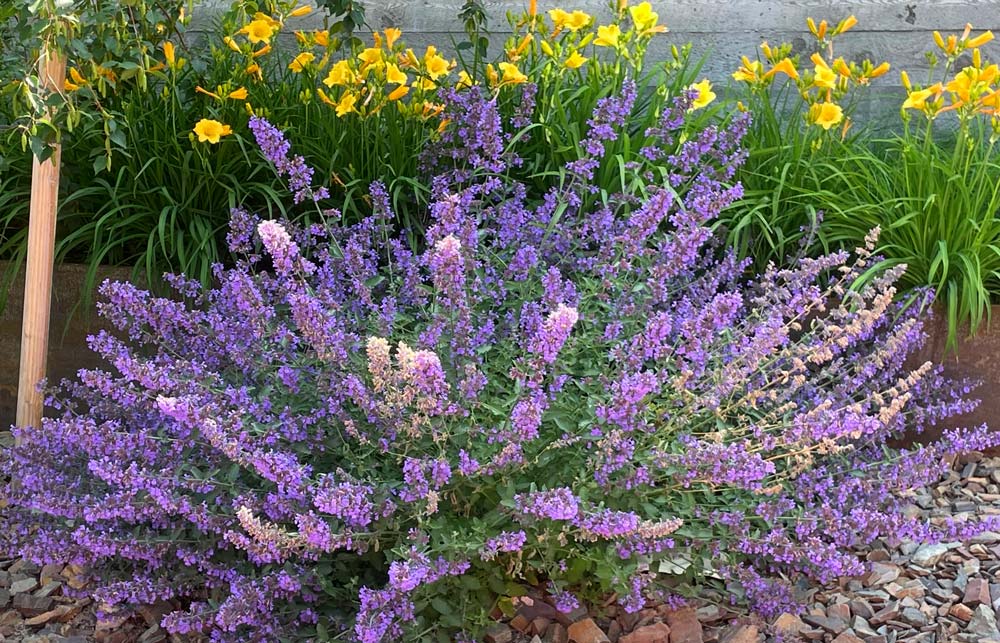
Catmint is not a flat, creeping groundcover, but it absolutely earns a spot here.
A healthy catmint plant forms a soft, billowy mound that can shade the soil around it beautifully. It is also drought tolerant once established and produces lavender-blue flowers that bees seem to find immediately.
I do not know how bees send group texts, but apparently they do.
Why it helps with weeds: when planted in masses or along borders, catmint creates dense mounds that leave fewer gaps for weeds.
Best for: sunny borders, pollinator gardens, dry areas, driveway edges
Keep in mind: trim it back after the first big bloom to keep it tidy and encourage fresh growth.
9. Lamb’s Ear

Lamb’s ear is one of those plants people either love or suddenly have too much of.
Its soft, silvery leaves spread into a low patch that can help cover open soil in sunny beds. It also handles heat and dry conditions better than many plants.
Why it helps with weeds: the spreading rosettes create a thick layer of foliage that shades the soil.
Best for: sunny borders, cottage gardens, dry areas, sensory gardens
Keep in mind: lamb’s ear does not love humidity or soggy soil. In damp climates, the leaves can get messy. Give it air circulation and avoid overwatering.
10. Sweet Woodruff
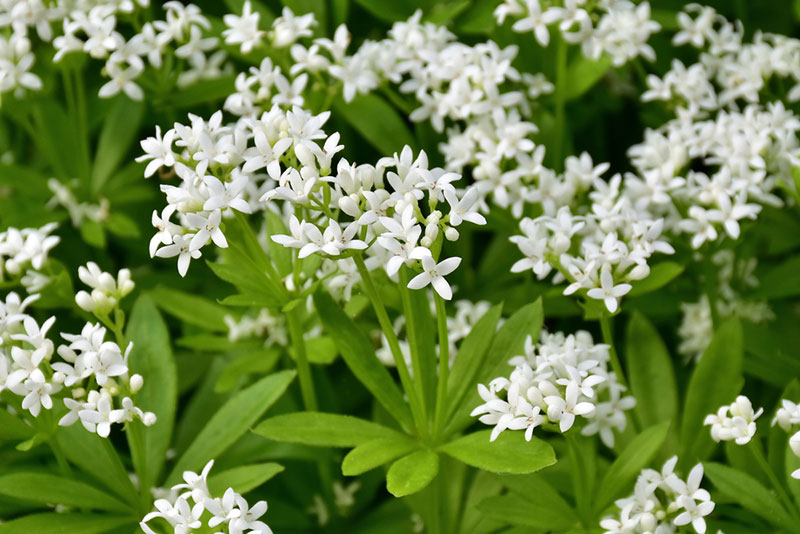
Sweet woodruff is a lovely little shade groundcover with delicate green leaves and tiny white spring flowers.
It is especially useful under trees and shrubs, where grass struggles and bare soil quickly turns into weed territory. It also has a soft woodland look that feels much more intentional than “I gave up and let the weeds decide.”
Why it helps with weeds: in the right conditions, sweet woodruff spreads into a soft mat that covers shady soil.
Best for: shade, under trees, woodland beds, moist soil
Keep in mind: this one can spread more than you expect, especially in rich, moist soil. I would not plant it next to tiny delicate perennials unless you are prepared to referee.
11. Wild Ginger
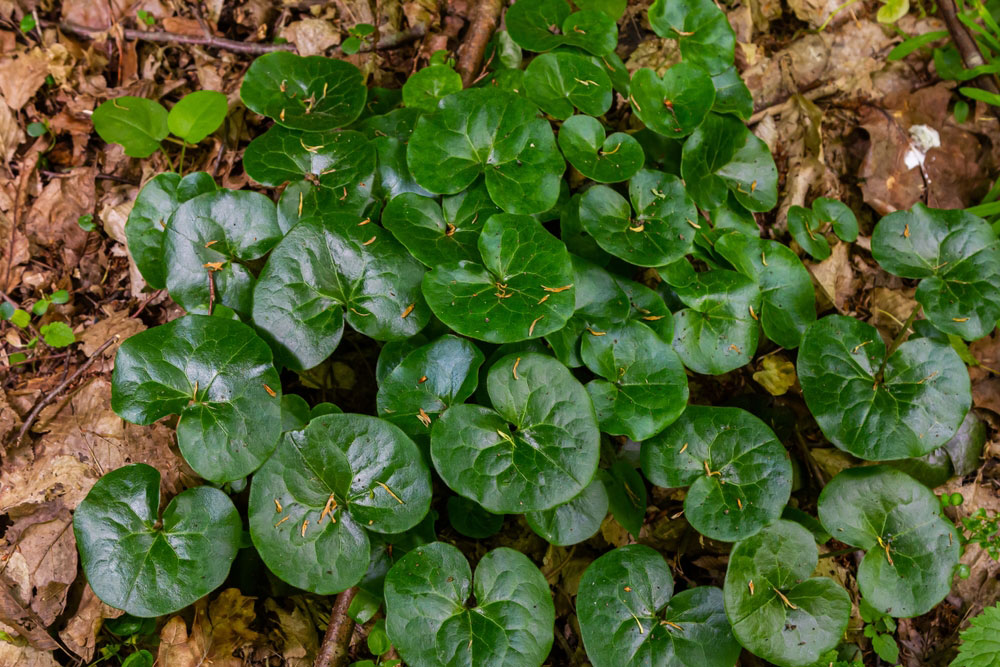
Wild ginger is a beautiful shade plant with heart-shaped leaves that slowly spread into a handsome woodland groundcover.
It is not flashy in the way creeping phlox is flashy. It is more subtle. Quietly elegant. Like the garden version of someone who owns nice linen napkins.
Why it helps with weeds: the broad leaves shade soil in woodland beds and help fill the bare spaces under trees and shrubs.
Best for: shade gardens, woodland areas, under trees
Keep in mind: wild ginger is not a fast instant-fix plant. It is better for gardeners who can be patient while it settles in.
12. Pennsylvania Sedge
If you have dry shade, you already know the struggle.
Grass does not want to grow. Many flowers do not want to grow. Weeds, naturally, are still willing to give it a shot.
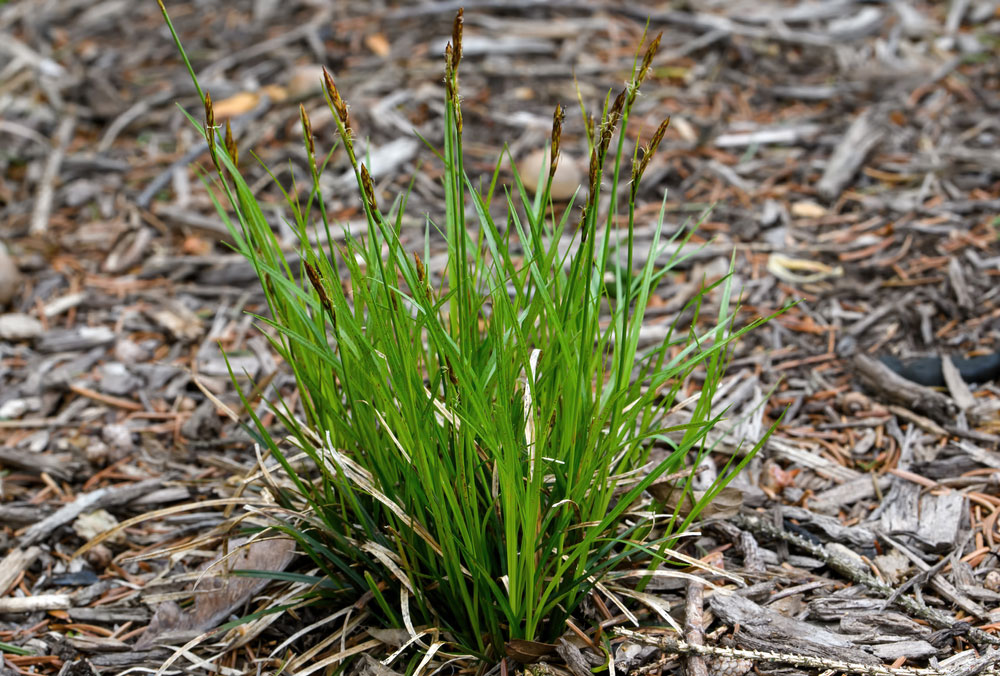
Pennsylvania sedge can be a great option for those tricky spots. It has fine, grass-like foliage and can create a soft, meadowy look under trees.
Why it helps with weeds: it forms spreading clumps that cover soil where traditional lawn grass often fails.
Best for: dry shade, under trees, naturalistic gardens, lawn alternatives
Keep in mind: it looks best when used in groups or masses. One lonely sedge plant is not going to defeat a weed army.
13. Foamflower
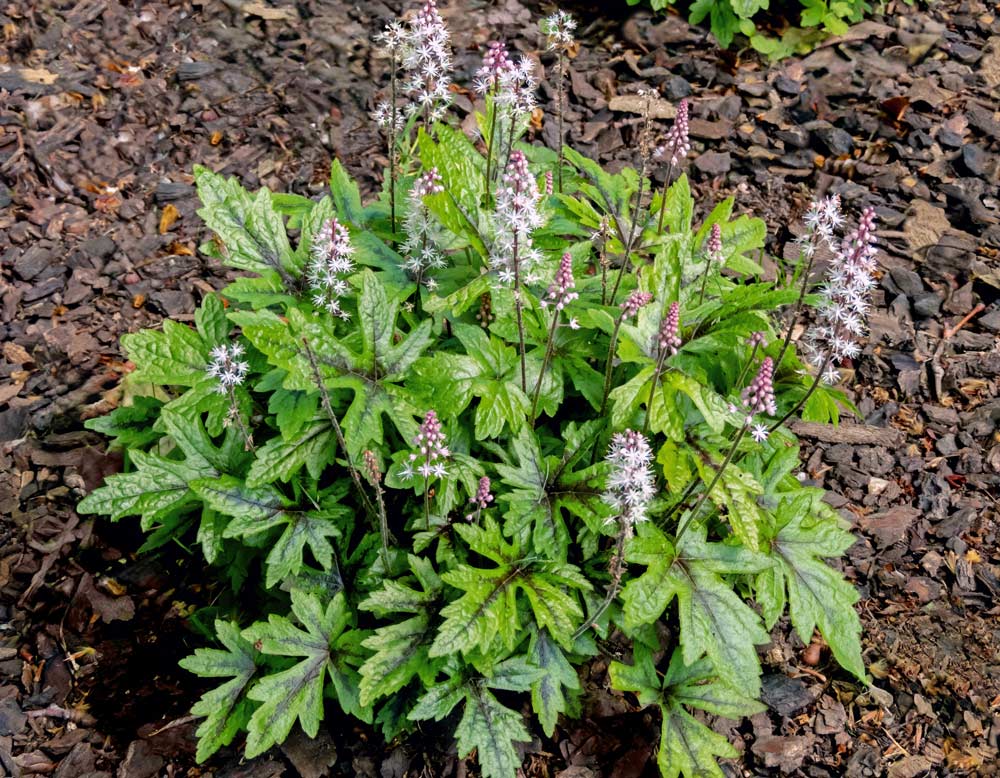
Foamflower is a sweet woodland perennial with pretty foliage and airy spring blooms that look like tiny foam-tipped wands.
It works well in part shade to shade and can slowly spread, depending on the variety. Some types clump more, while others send out runners.
Why it helps with weeds: its foliage helps cover soil in shady beds, especially when planted in drifts.
Best for: woodland gardens, shade borders, under shrubs, part-shade beds
Keep in mind: it appreciates moisture and organic matter. If your shade is bone-dry, pair it with mulch and water it while it establishes.
14. Allegheny Spurge
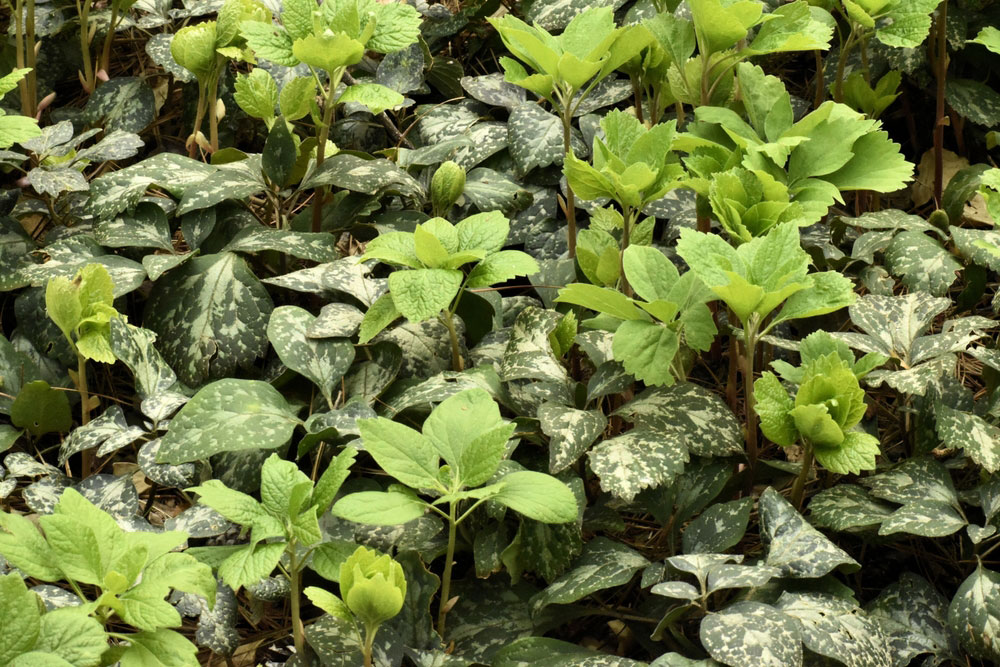
Allegheny spurge is a native alternative to Japanese pachysandra, and it deserves more attention.
It has attractive foliage, spreads slowly by rhizomes, and works well in shade gardens. It is not usually as aggressive as some of the old-fashioned groundcovers people planted decades ago and are still trying to remove. You know the ones.
Why it helps with weeds: it creates a low, leafy colony that helps shade soil in shady beds.
Best for: shade gardens, woodland borders, under shrubs
Keep in mind: it is slower than Japanese pachysandra, so do not expect it to fill an entire bed overnight. That slower growth is part of why it is usually easier to manage.
15. Epimedium
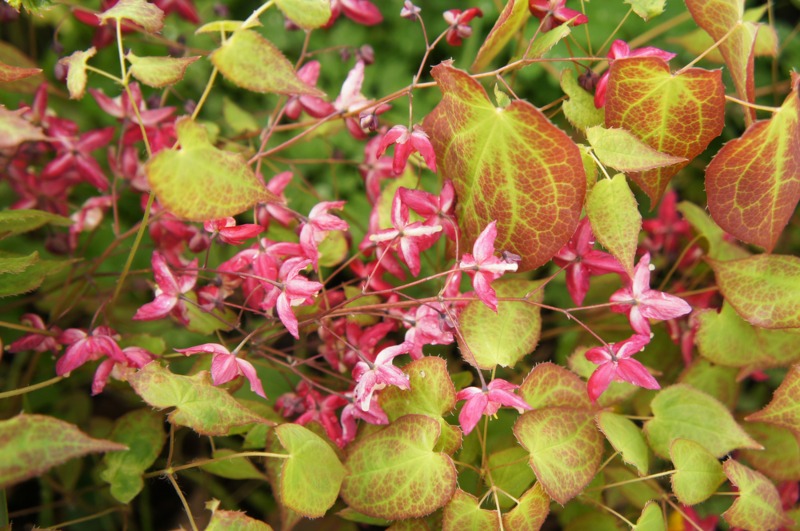
Epimedium, also called barrenwort, is one of my favorite choices for dry shade.
And dry shade is basically the garden equivalent of “good luck with that.”
This plant has delicate-looking leaves, tiny spring flowers, and surprising toughness once established. It can handle tree-root competition better than many shade perennials.
Why it helps with weeds: epimedium creates a tidy ground layer that shades the soil and fills difficult dry-shade spaces.
Best for: dry shade, under trees, woodland beds, around shrubs
Keep in mind: it spreads slowly to moderately, depending on the variety. Plant several if you want faster coverage.
16. Mondo Grass
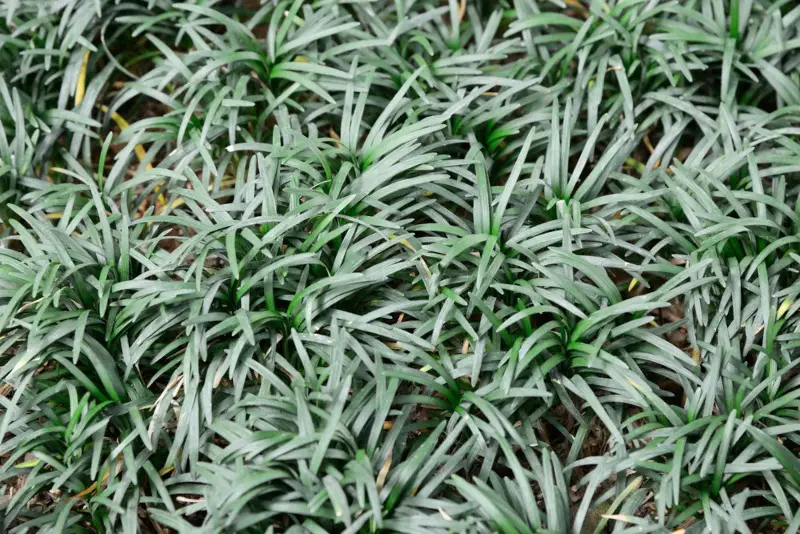
Mondo grass is a tidy, grass-like groundcover often used in warmer climates and formal garden edges.
It creates a neat, low carpet and can work beautifully along pathways or in part shade. It has that polished “someone planned this” look, which I appreciate because my garden does not always naturally give that impression.
Why it helps with weeds: once it fills in, mondo grass forms a dense mat that leaves little bare soil exposed.
Best for: part shade, warm climates, edging, pathways, under shrubs
Keep in mind: it is not a true grass, and it can be slow to spread. Also, make sure you are buying mondo grass and not a more aggressive lookalike that may behave differently in your region.
17. Buckwheat
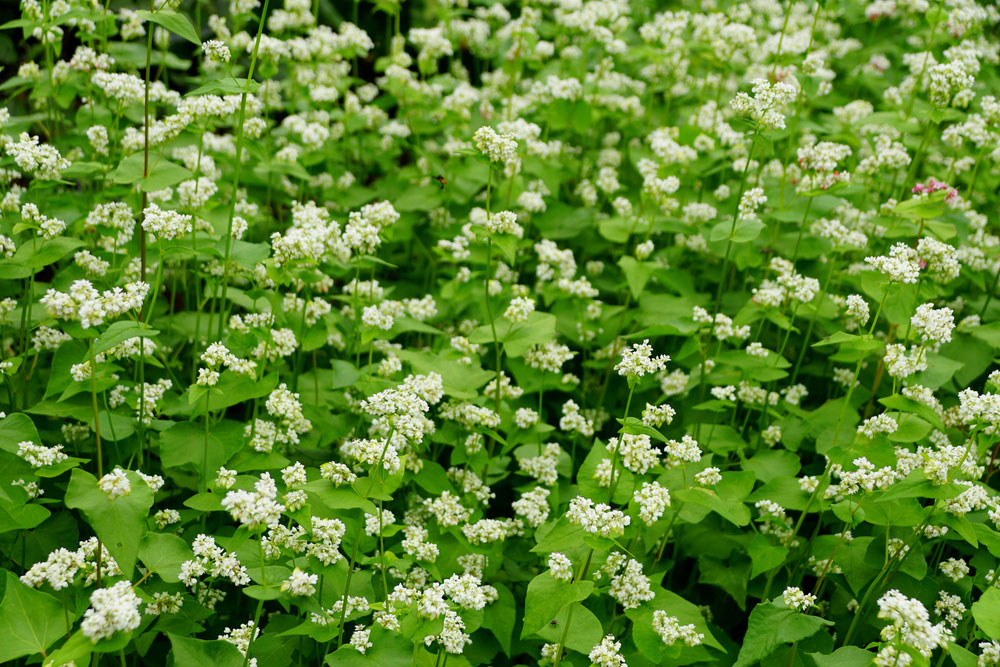
Buckwheat is different from the other plants on this list because it is not a permanent ornamental groundcover.
It is a cover crop, which means you plant it to cover empty soil temporarily. This is especially helpful in vegetable beds that would otherwise sit bare between crops.
Buckwheat grows quickly, shades the soil, and can help reduce weeds before they get a foothold. Then you cut it down before it goes to seed and let it break down or work it into your soil.
Why it helps with weeds: it grows fast and covers empty vegetable beds before weeds can take over.
Best for: empty raised beds, vegetable gardens between plantings, short-term summer cover
Keep in mind: do not let it go to seed unless you want buckwheat volunteering everywhere. Ask me how I feel about plants that “volunteer” without permission.
Groundcovers That Can Become Weeds Themselves
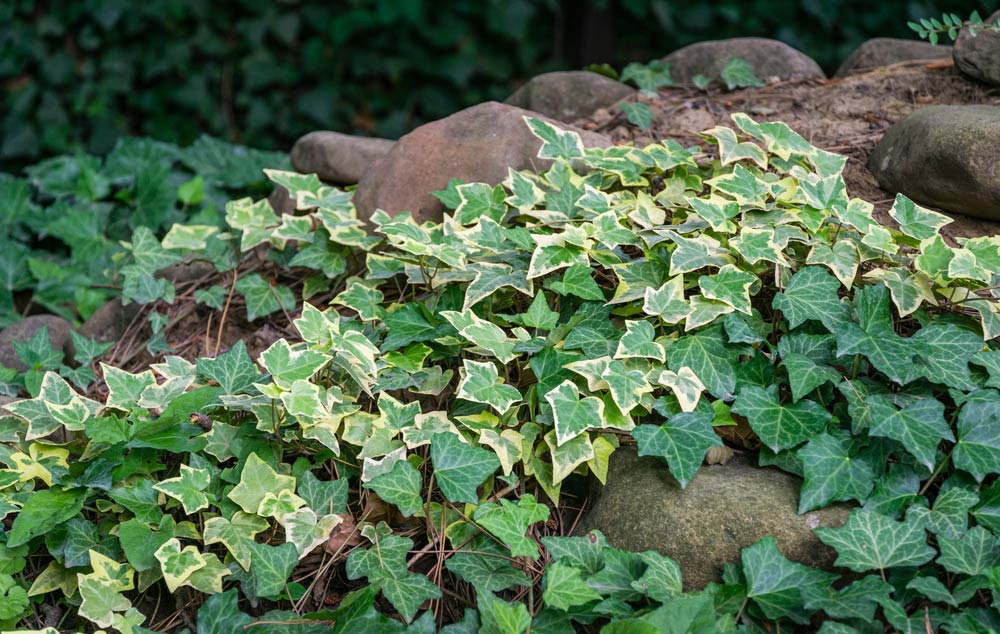
Now for the little warning label.
Some plants are excellent at covering the ground because they are, how do I put this nicely, enthusiastic.
A little enthusiasm is great. Too much enthusiasm is how you end up spending your Saturday yanking vines out of places you do not remember planting them.
Be careful with these groundcovers, especially if they are known to be invasive or aggressive in your area:
- English ivy
- Periwinkle, also called vinca
- Bishop’s weed or goutweed
- Creeping Jenny
- Chameleon plant
- Wintercreeper euonymus
- Japanese pachysandra
- Bugleweed
- Lily-of-the-valley
- Creeping lilyturf
Does this mean every gardener everywhere must panic if one of these plants is already in the yard? Not necessarily. But before planting them, check with your local Extension office or invasive plant list.
A plant that behaves itself in one region may become a garden thug in another.
And if a groundcover is described as “fast-spreading,” “vigorous,” or “fills in quickly,” read between the lines. Sometimes that means “helpful.” Sometimes it means “you will be negotiating with this plant for the rest of your life.”
How to Plant Weed-Crowding Plants the Right Way
Here is the part that matters most: weed-blocking plants work best when you give them a clean start.
They are not a shortcut for skipping bed prep. I wish they were. I would personally throw a parade.
1. Remove existing weeds first
Pull, dig, smother, or otherwise remove the weeds before planting. This is especially important for perennial weeds with deep roots or runners.
If you plant groundcovers directly into a weedy mess, the weeds will simply grow up through them. Then you have weeds tangled with groundcover, which is a special little nightmare.
2. Improve the soil if needed
You do not need to turn every bed into a luxury spa, but do loosen compacted soil and add compost if the plants you chose prefer richer conditions.
Match the plant to the soil whenever possible. Creeping thyme wants dry and well-drained. Foamflower wants more moisture and organic matter. Do not ask them to switch personalities.
3. Space plants closer for faster coverage
If you want quicker weed suppression, plant closer together than you would for a slow, budget-friendly fill-in.
This costs more upfront, but it can save time later because the bed fills in faster.
4. Mulch between young plants
Until your groundcovers fill in, weeds will still find the open spaces.
Add a light layer of mulch between plants to block weed seeds and hold moisture. Just do not bury the crowns of the plants. Plants enjoy mulch. They do not enjoy being tucked in like they are going into hibernation.
5. Water until established
Even drought-tolerant plants need water while they are getting started.
Once established, plants like creeping thyme, sedum, catmint, lamb’s ear, and creeping juniper can handle drier conditions. But during the first season, keep an eye on them.
6. Weed early and often at first
The first season is the most important.
Pull weeds while they are small. Do not wait until they are flowering, seeding, or looking like they have signed a long-term lease.
Once the groundcover fills in, you should have fewer weeds to deal with.
FAQ About Weed-Blocking Plants
Will these plants stop weeds completely?
No. And anyone who promises a completely weed-free garden may also have a bridge to sell you.
These plants help reduce weeds by covering soil and competing with seedlings, but some weeds will still appear. Wind, birds, mulch, and soil disturbance can all bring in new seeds.
The goal is fewer weeds, not zero weeds.
Can I plant groundcovers over existing weeds?
I would not recommend it.
You may get away with it if the weeds are tiny annual seedlings, but established weeds should be removed first. Perennial weeds with deep roots or runners can grow right through your new groundcover.
Clear the area first, then plant. Your future self will thank you.
What is the best weed-crowding plant for full sun?
For hot, sunny spots, try creeping thyme, sedum, creeping phlox, lamb’s ear, catmint, or creeping juniper.
For slopes, creeping juniper and bearberry are especially useful. For walkways, creeping thyme and sedum are hard to beat.
What is the best weed-crowding plant for shade?
For shade, try wild ginger, Pennsylvania sedge, sweet woodruff, foamflower, Allegheny spurge, or epimedium.
If the shade is also dry, epimedium and Pennsylvania sedge are especially helpful choices.
What should I use in an empty vegetable bed?
For vegetable beds that are sitting empty, consider a cover crop like buckwheat, oats, crimson clover, or winter rye.
Buckwheat is especially useful for quick summer coverage, but cut it before it sets seed. Winter rye is better for fall planting, but it needs to be managed properly in spring before you plant vegetables.
Do I still need mulch?
At first, yes.
Groundcovers take time to fill in. Mulch helps suppress weeds while the plants are still young. Once the plants spread and cover the soil, you may need much less mulch than before.
Are groundcovers low-maintenance?
Some are, once established. But “low-maintenance” does not mean “no maintenance.”
You may still need to trim edges, remove stray seedlings, divide plants, or pull the occasional weed. But compared to staring down a big bare patch of soil every week, a healthy groundcover can make life much easier.
Final Thoughts
Bare soil does not stay bare for long.
If you leave it open, weeds will usually be the first plants to accept the invitation. But if you fill that space with the right groundcover, perennial, or cover crop, you can make your garden beds look fuller and reduce the amount of weeding you have to do later.
The trick is choosing the right plant for the right spot.
Creeping thyme will not love damp shade. Wild ginger will not appreciate blazing sun. Buckwheat is not a permanent flower-bed groundcover. And English ivy may look innocent in a nursery pot, but let’s just say it has a reputation.
Start with a clean bed, plant generously, mulch while the plants establish, and keep up with small weeds the first season.
Your garden will look fuller, your soil will be better protected, and you may spend a little less time crouched in the weeds wondering where it all went wrong.
Good enough for me.