I’ll be honest: I believed several of these garden “rules” for years. They sounded helpful, they were passed down by other gardeners, and some even seemed like common sense.
But a few of them can actually make things worse. Before you add coffee grounds, bury another banana peel, or water that wilted plant again, here are 10 garden myths worth rethinking.
1. Putting Rocks in the Bottom of Pots Improves Drainage
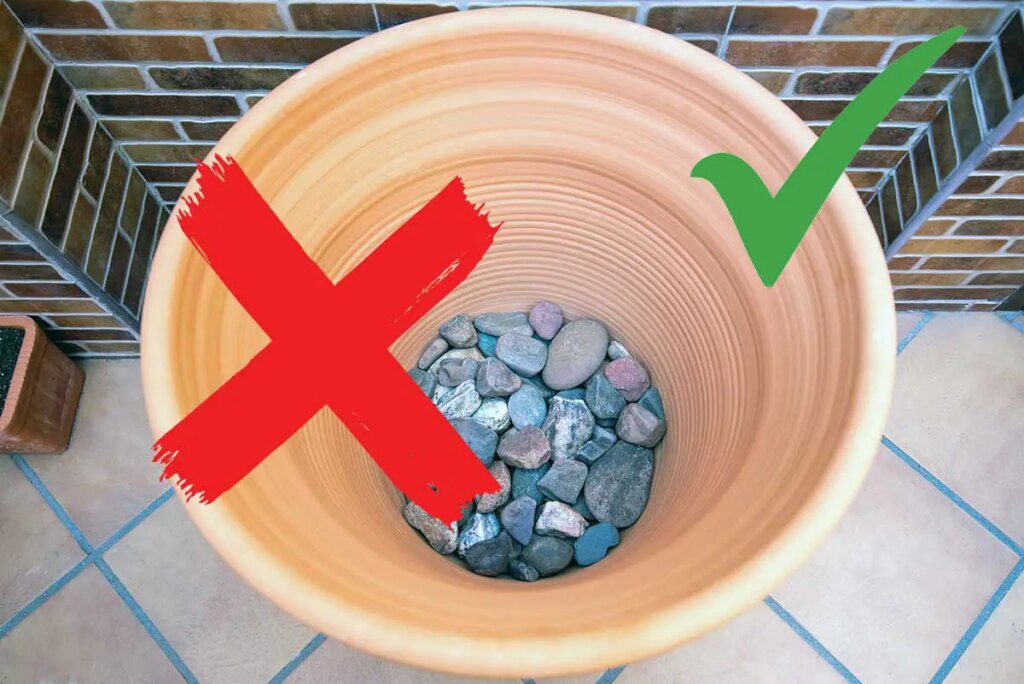
This one has been passed down through generations of well-meaning gardeners, and it sounds so logical that questioning it almost feels rude. Rocks at the bottom, water drains faster. Simple, right?
Not really.
What actually happens is something called a perched water table. When water moves through soil and hits a layer of different material, like rocks or gravel, it can stop draining the way you expect and collect above that layer instead.
So instead of helping your plant’s roots breathe, you may be creating a soggy little zone right where the roots don’t want it.
What actually works: use a good-quality potting mix and a pot with proper drainage holes. That’s it. Note to self: stop making things more complicated than they need to be.
2. Watering a Little Bit Every Day Is Best
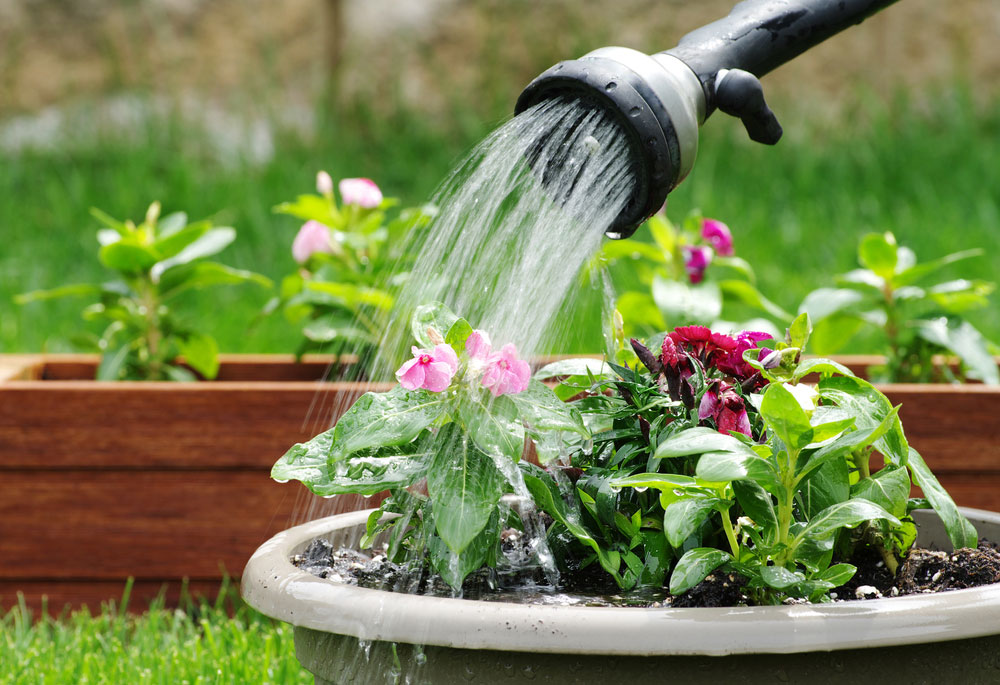
Oh, this one feels so virtuous. A little water every morning, consistent and loving. Surely the plants appreciate the dedication?
Here’s what I learned the hard way: light daily watering can train roots to stay shallow. They don’t need to reach deeper into the soil when moisture is always available right at the surface.
Shallow roots can make plants more vulnerable to heat, drought, and stress. Not exactly the garden goal.
Most plants do better with deeper, less frequent watering. Let the soil dry out a bit between sessions, then water thoroughly. Your plants will put down stronger roots, and honestly, your schedule will thank you too.
3. Coffee Grounds Are Good for Every Plant
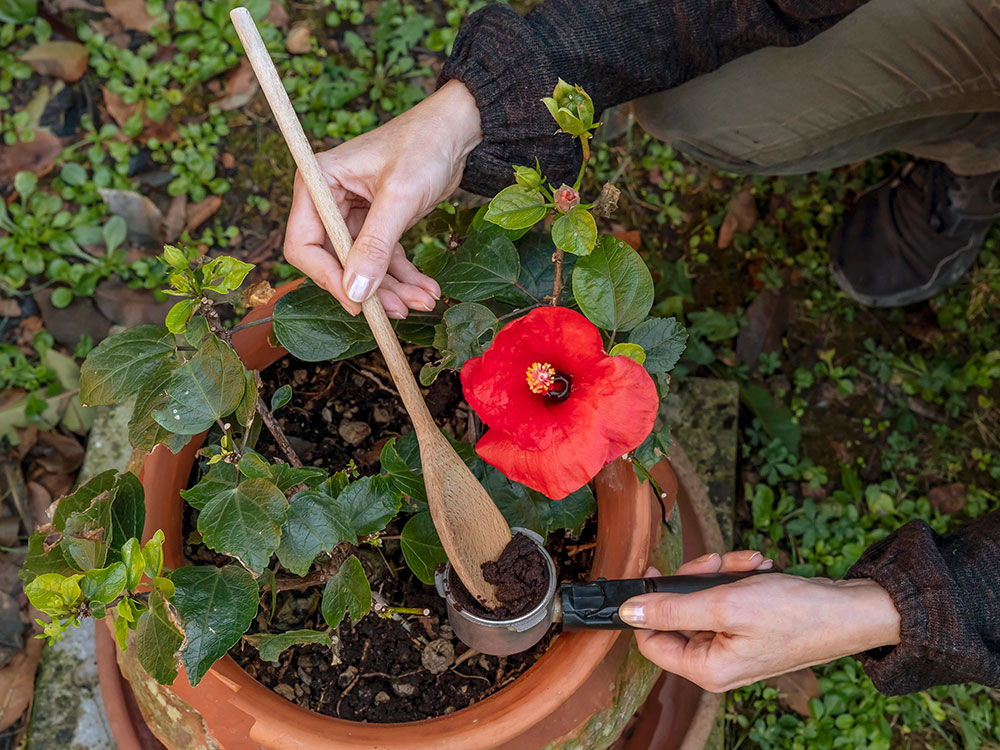
I have a soft spot for this myth because I understand the appeal. You’re recycling kitchen scraps, feeding the garden, and basically feeling like a sustainability hero before 9 a.m. Beautiful.
Here’s the thing though: coffee grounds are not the universal garden amendment the internet makes them out to be.
Used in small amounts, they can be fine for compost or worked lightly into the soil for certain plants. But too much can compact your soil, affect moisture balance, and stress out plants that prefer drier or less nutrient-rich conditions.
Plants like blueberries and azaleas may tolerate small amounts better than drought-loving herbs, but coffee grounds still shouldn’t be treated like a magic acid booster. Your lavender or rosemary? Probably not thrilled.
The lesson: a smidge here and there, for the right plants, is usually fine. A generous weekly dump around everything in the garden? That’s when things can start going sideways.
Read More: 10 Plants that DO NOT like Coffee Grounds!
4. Eggshells Instantly Fix Calcium Problems
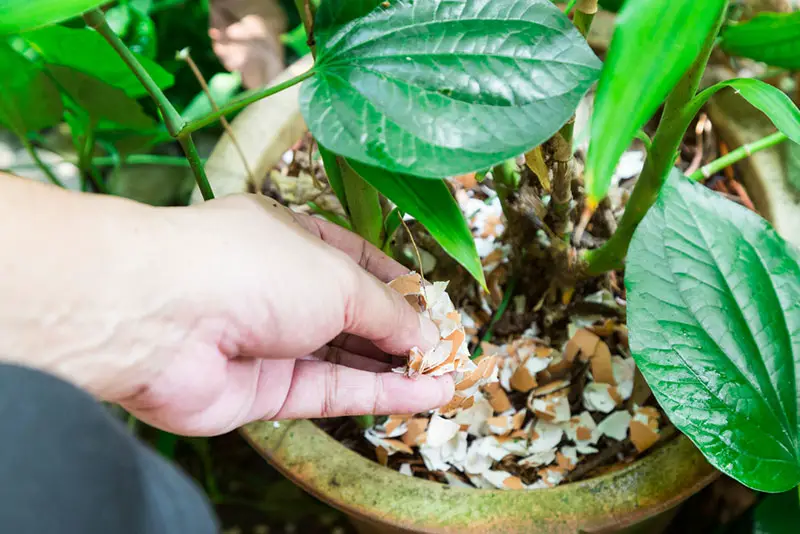
If you’ve ever watched a tomato develop blossom end rot and immediately reached for your collection of dried eggshells, I am right there with you.
It makes complete sense at first. Blossom end rot is connected to calcium. Eggshells contain calcium. Problem solved, obviously.
Except eggshells break down extremely slowly in soil. We’re talking months to years, not the timeline your tomatoes are working with. By the time that calcium becomes available, the season may be long over.
And here’s another important part: blossom end rot is often less about a lack of calcium in the soil and more about inconsistent watering that prevents the plant from moving calcium properly.
So before adding more calcium, focus on steady soil moisture. Water consistently, mulch around your plants, and avoid letting tomatoes swing from bone dry to soaking wet.
Eggshells are still fine for long-term soil building, especially if crushed well or added to compost. Just don’t count on them as a quick fix when your tomato plants are already struggling.
5. More Fertilizer Means More Flowers
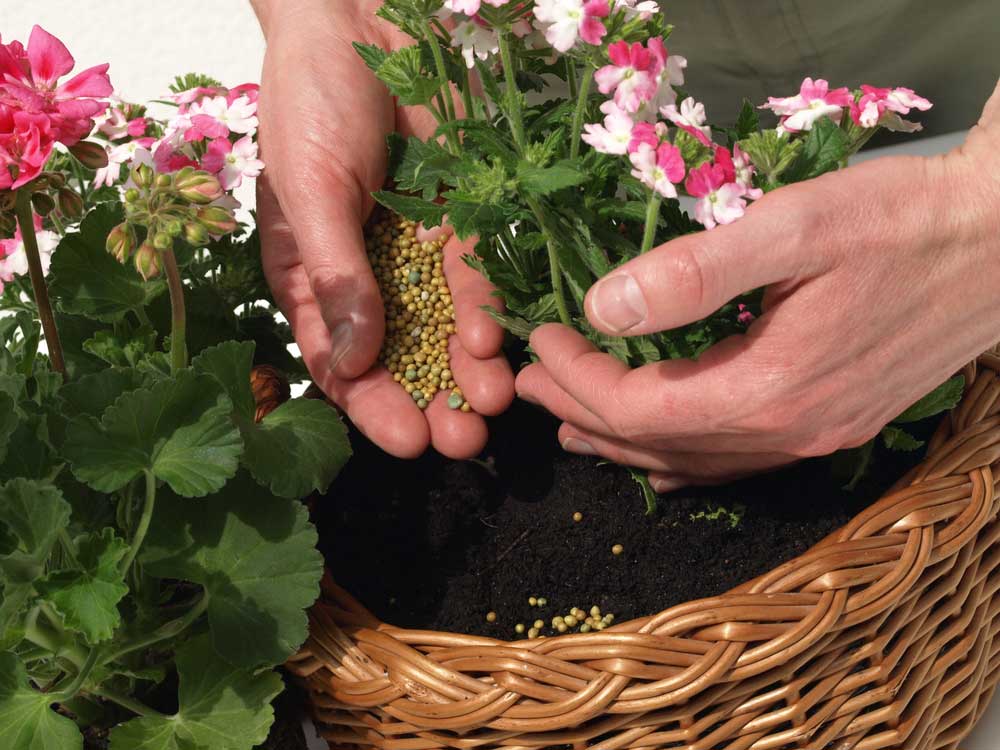
More is more, right? Your plants are hungry, you want blooms, so you give them extra. Seems straightforward.
Unfortunately, plants don’t always reward our enthusiasm.
With too much fertilizer, especially high-nitrogen fertilizer, many plants put their energy into lush green growth instead of flowers. You get a big, beautiful plant that just… sits there. Looking full and healthy and producing almost nothing.
And if you really go overboard, you can burn the roots, weaken the stems, or stress the plant even more.
Read the label. Fertilize at the recommended rate. Your plants are not secretly hoping you’ll double the dose.
6. All Bugs in the Garden Are Bad
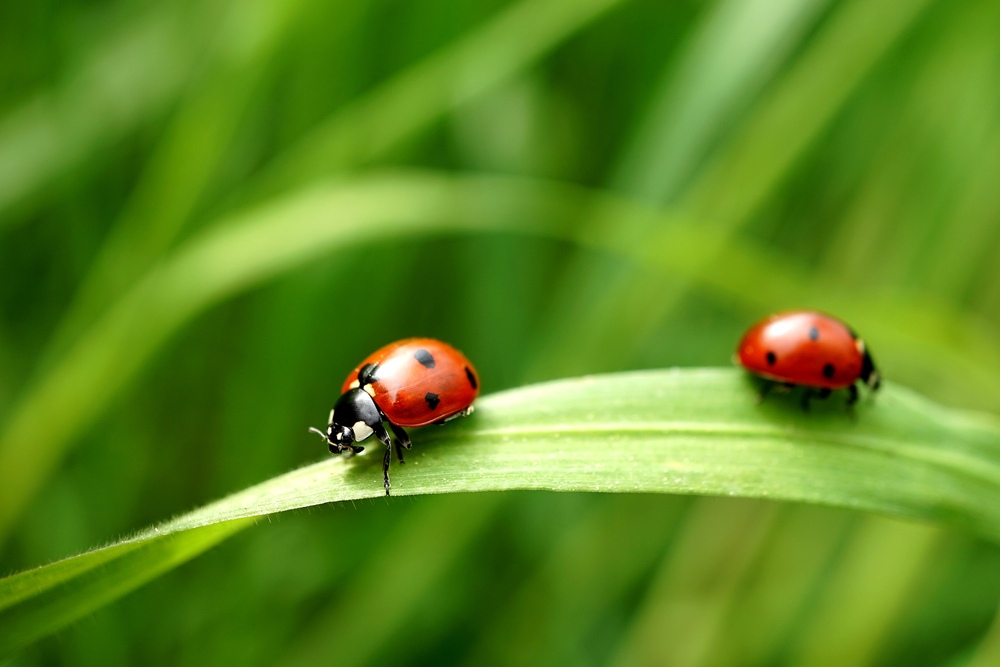
I get it. You see something crawling on your plants and the first instinct is to reach for the spray. I’ve been there.
But this is one myth worth reconsidering because the consequences of spraying everything can be bigger than most gardeners realize.
Ladybugs, lacewings, predatory wasps, bees, butterflies, and ground beetles are all working for you. Some pollinate your flowers. Some eat the actual pest insects. Some help keep your garden ecosystem in balance.
When you spray indiscriminately, you can take out the helpful insects right along with the harmful ones.
Before reaching for anything, take a closer look. What exactly is doing the damage? Because there’s a good chance something else in your garden is already working on the problem.
7. You Should Deadhead Every Flower
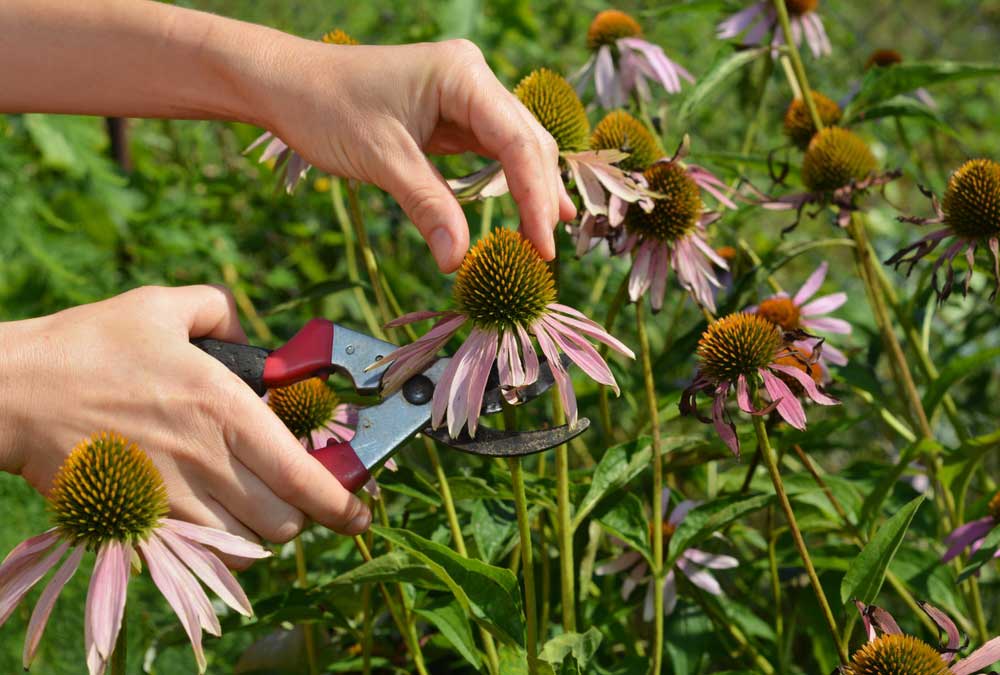
Deadheading spent blooms is genuinely useful for many plants. It redirects energy, keeps things tidy, and can encourage more flowers. I’m not here to argue with that.
But “deadhead everything, always” is where this advice runs into trouble.
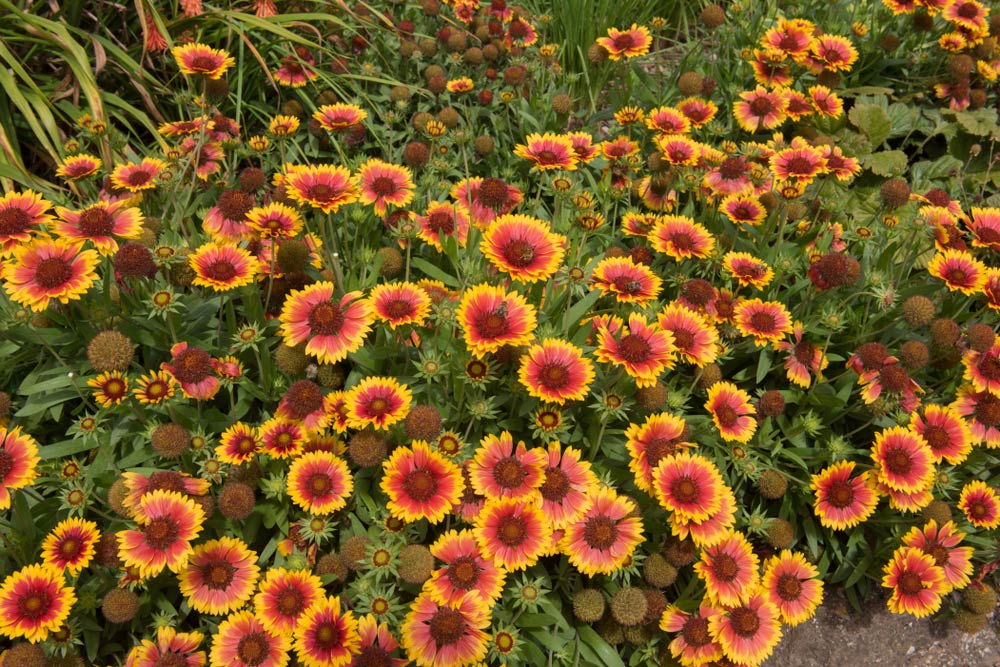
Leave some seed heads on plants like coneflowers, black-eyed Susans, and rudbeckia, and you can help feed the birds. Let certain self-sowers go to seed, and you may get free plants next season.
Some flowers also look beautiful in their dried state through fall and winter, adding structure to the garden when everything else has gone quiet.
More power to you if deadheading is part of your garden routine. Just know that skipping it sometimes isn’t a failure. In some cases, it’s actually a feature.
8. Banana Peels Are a Miracle Fertilizer
Social media loves a banana peel moment. Bury one, toss one, blend one into a spray. The hacks are endless, and they all promise spectacular results.
And to be fair, banana peels do contain potassium and some other nutrients, so the idea is not completely without basis.
The reality is a bit more complicated.
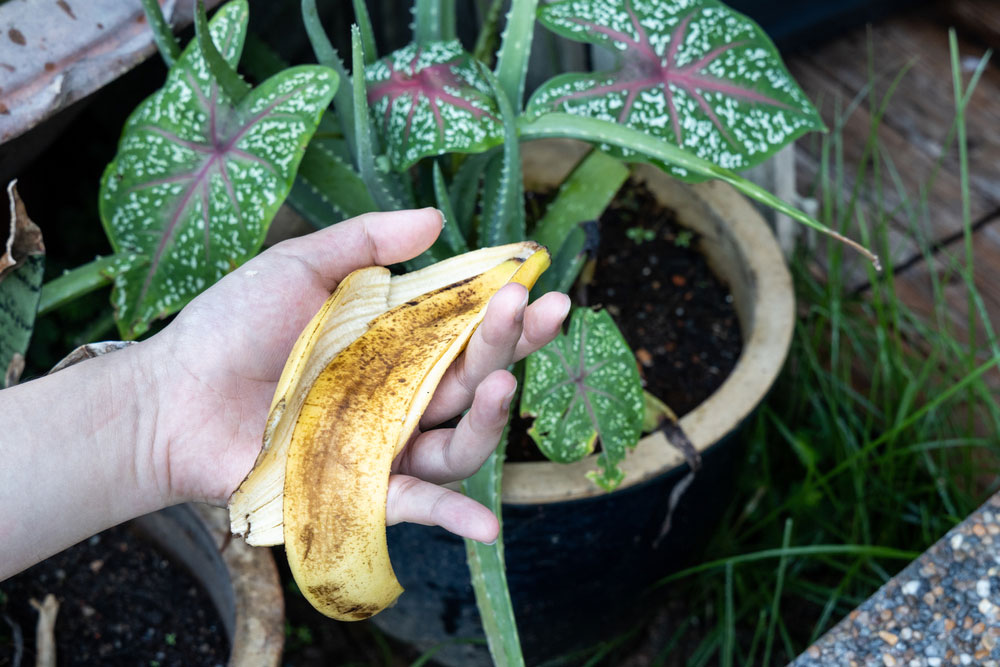
Whole peels tossed around the garden decompose slowly, and in the meantime, they can attract pests. The nutrients also aren’t in a form plants can immediately absorb.
If you want to use banana peels in the garden, compost them first. Let them break down properly, and they can contribute something useful.
As a direct plant treatment though, they’re mostly just interesting garbage.
9. Pruning Always Makes Plants Grow Better
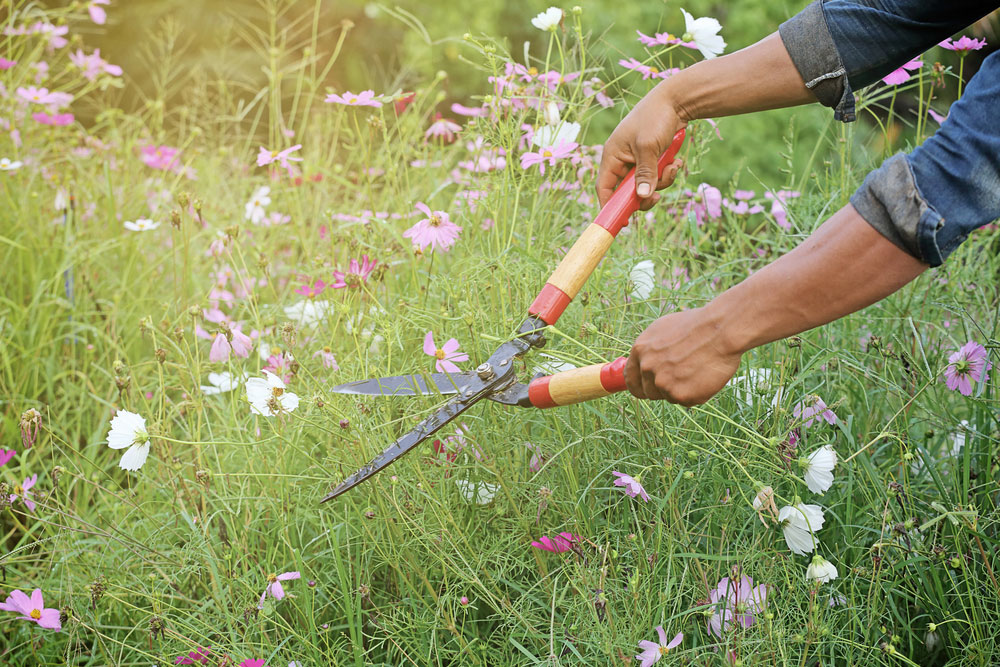
Pruning is one of those skills that looks simple from the outside and turns out to be genuinely nuanced once you dig in.
The basic idea, cutting back to encourage growth, is often true. But “always” is doing a lot of heavy lifting in this myth.
Prune at the wrong time, and you may remove next season’s flower buds before they ever get a chance to bloom. Prune too aggressively, and you can send the plant into shock. Prune a naturally graceful shrub into a tight little ball, and you may lose the whole reason you planted it in the first place.
The timing and method matter enormously, and they vary by plant.
Spring bloomers like lilacs, for example, often set their buds the previous season. Pruning them in late fall can mean cutting off next year’s flowers without realizing it.
Do a little research on your specific plant before picking up the shears. Your future self will appreciate it.
10. A Wilted Plant Always Needs Water
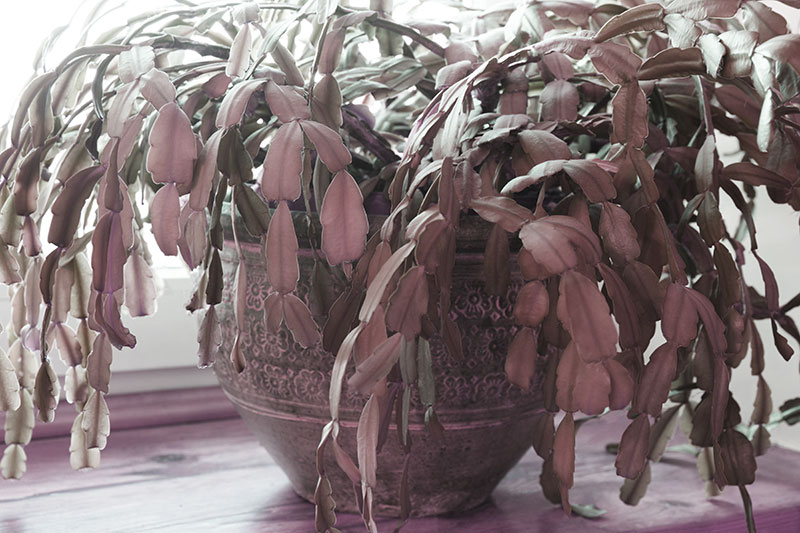
A wilting plant is distressing to look at. Every instinct says: water it, now, fast.
And sometimes that is exactly right.
But wilting is just a symptom, not a diagnosis. Root rot, transplant shock, heat stress, and overwatering can all cause a plant to droop just as dramatically as drought.
If you water a plant that is already suffering from too much moisture, you can make things much worse.
Before reaching for the watering can, check the soil. Stick your finger a couple of inches down. Is it bone dry? Water. Is it still damp or wet? Give it time.
If the plant perks up on its own as the day cools, heat stress may have been the culprit, and no extra watering was needed at all.
The soil check takes about three seconds and can save you a lot of heartbreak.
Final Thoughts
Gardening advice gets passed around for generations, and honestly, some of it sounds perfectly reasonable until you test it in real life.
The good news is that most of these myths come from gardeners trying to help. But when in doubt, check the soil, know your plant, and don’t assume that more water, more fertilizer, or more garden “hacks” will always lead to better results.
Sometimes the best thing you can do for your plants is a little less.