October may feel late in the season, but there are still plenty of flowers you can sow now.
The important part is knowing which flowers make sense for your USDA zone.
In warmer parts of the country, October can be an active planting month for cool-season flowers. In colder zones, some seeds are better treated as dormant sowings, meaning they sit through winter and germinate when conditions improve in spring.
Here are 15 flowers worth sowing in October, plus the zones where they make the most sense.
1. Bachelor’s Buttons
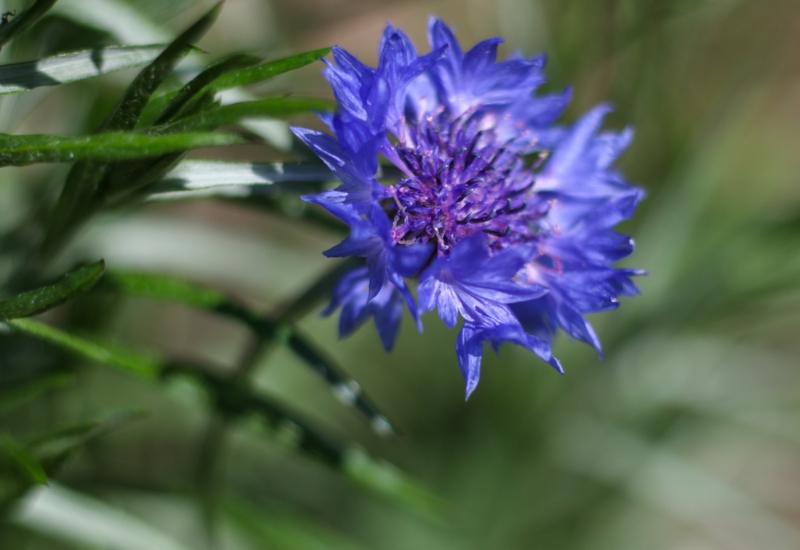
Best for October sowing: Zones 3–10
Bachelor’s buttons, also called cornflowers, are one of the easiest flowers to sow in fall.
In Zones 7–10, they can germinate in cool weather and establish before spring. In colder Zones 3–6, they work well as a dormant sowing.
Scatter the seeds over prepared soil and lightly cover them.
Why October works: These flowers tolerate cool conditions well, and fall-sown plants often bloom earlier in spring.
2. Larkspur
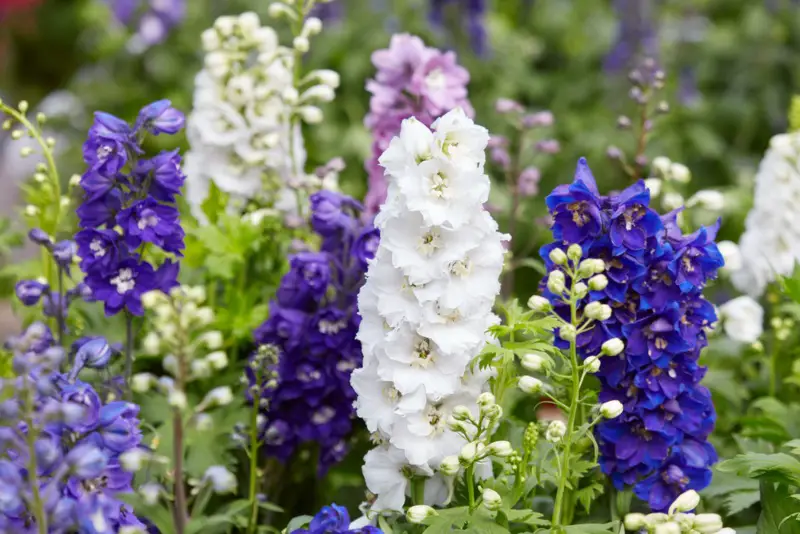
Best for October sowing: Zones 5–10
Larkspur is especially well suited to fall sowing because the seeds benefit from cold temperatures.
In Zones 7–10, sow directly in October. In Zones 5–6, wait until the weather is cold enough that the seeds are unlikely to sprout immediately.
Larkspur prefers to grow where it’s planted, so direct sowing is usually best.
Why October works: Natural winter chilling can improve germination and give plants a strong start.
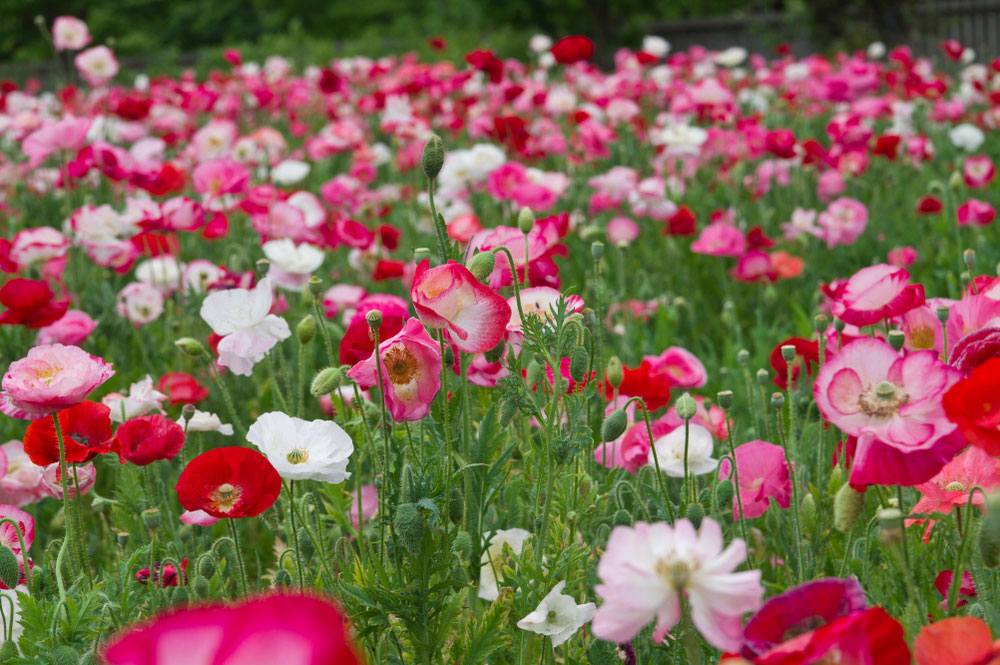
3. Shirley Poppies
Best for October sowing: Zones 3–10
Poppies are classic candidates for fall sowing.
Scatter the tiny seeds over bare soil and press them gently into place rather than burying them deeply.
In warmer areas, seedlings may appear during fall or winter. In colder areas, the seeds can remain dormant until spring.
Why October works: Fall sowing mimics the natural way poppies reseed themselves.
4. California Poppies

Best for October sowing: Zones 6–10
California poppies are especially good for sunny areas with well-drained soil.
In Zones 8–10, October is an excellent time to sow them. In Zones 6–7, they can also be fall-sown, although germination may wait until spring.
Avoid overly rich soil, since California poppies often perform better in leaner conditions.
Why October works: Cooler weather helps establish plants before warmer temperatures arrive.
5. Sweet Peas
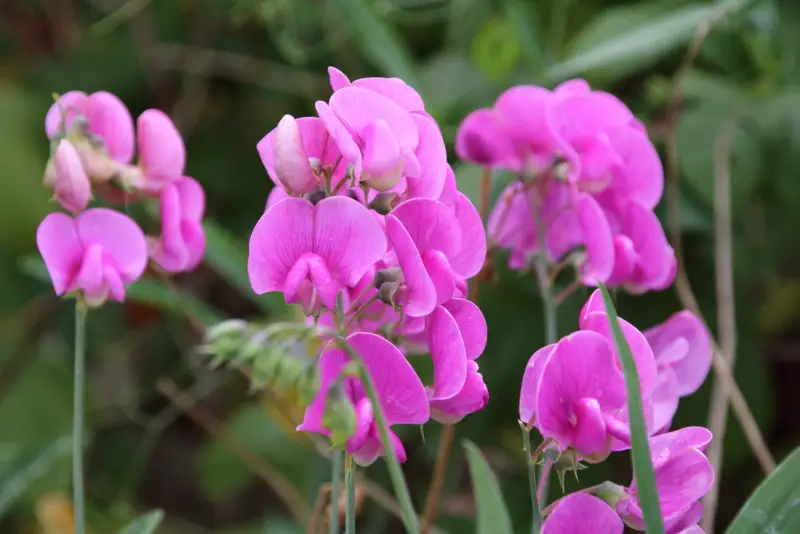
Best for October sowing: Zones 7–10
Sweet peas love cool weather and dislike summer heat, which makes October planting especially useful in mild-winter areas.
Plant them near a trellis, fence, or other support.
In colder Zones 3–6, spring sowing is usually a better option than planting in October.
Why October works: Fall planting gives the roots more time to develop before spring flowering begins.
6. Calendula
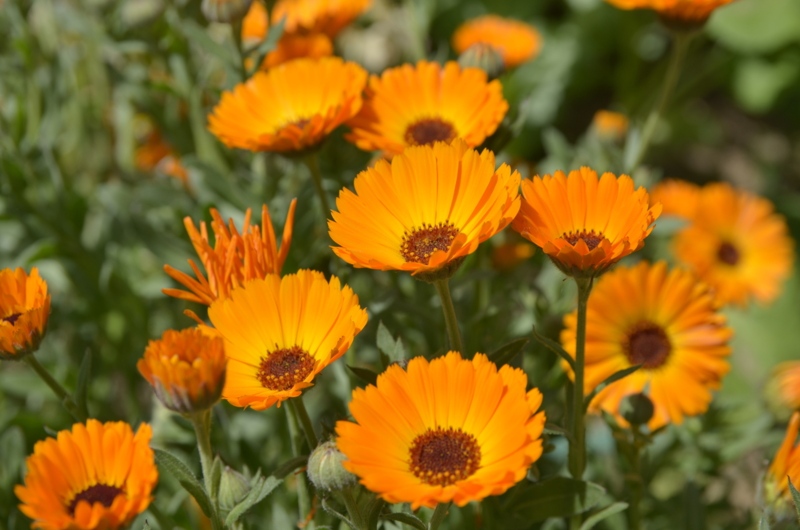
Best for October sowing: Zones 7–11
Calendula is one of the easiest cool-season flowers to grow from seed.
Its bright yellow and orange blooms can add color during fall, winter, and early spring in warm climates.
Direct sow in a sunny spot with well-draining soil.
Why October works: Calendula grows best during cool weather and can struggle once summer heat arrives.
7. Sweet Alyssum
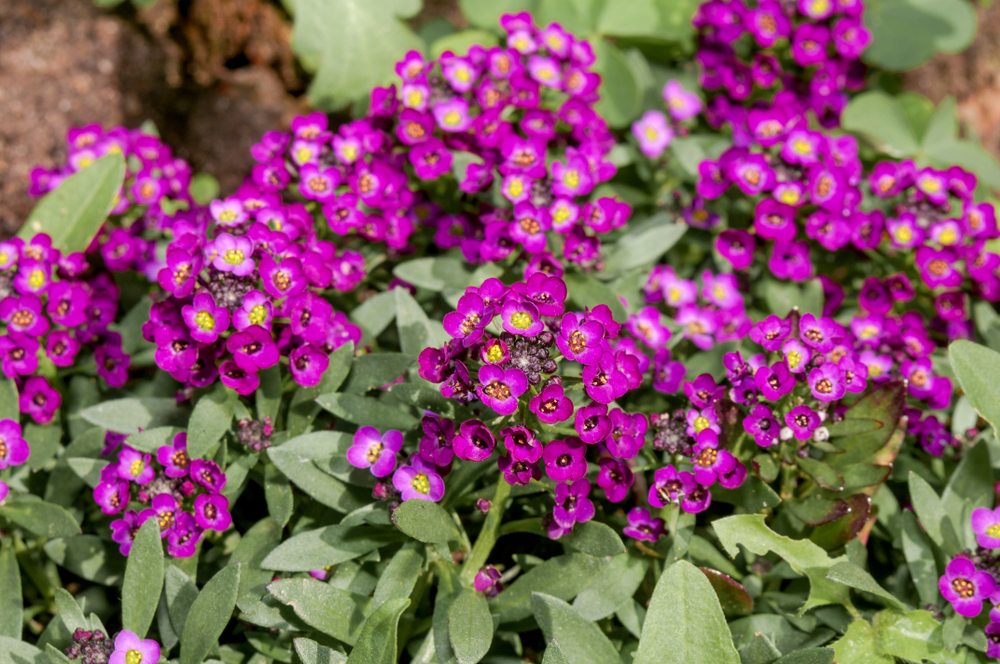
Best for October sowing: Zones 7–11
Sweet alyssum is a great option for garden edges, pathways, and containers.
The seeds are tiny, so scatter them over the soil surface and press them gently into place.
In mild climates, sweet alyssum can bloom for much of the cool season.
Why October works: Alyssum thrives in cooler weather and often looks better in fall and spring than in midsummer.
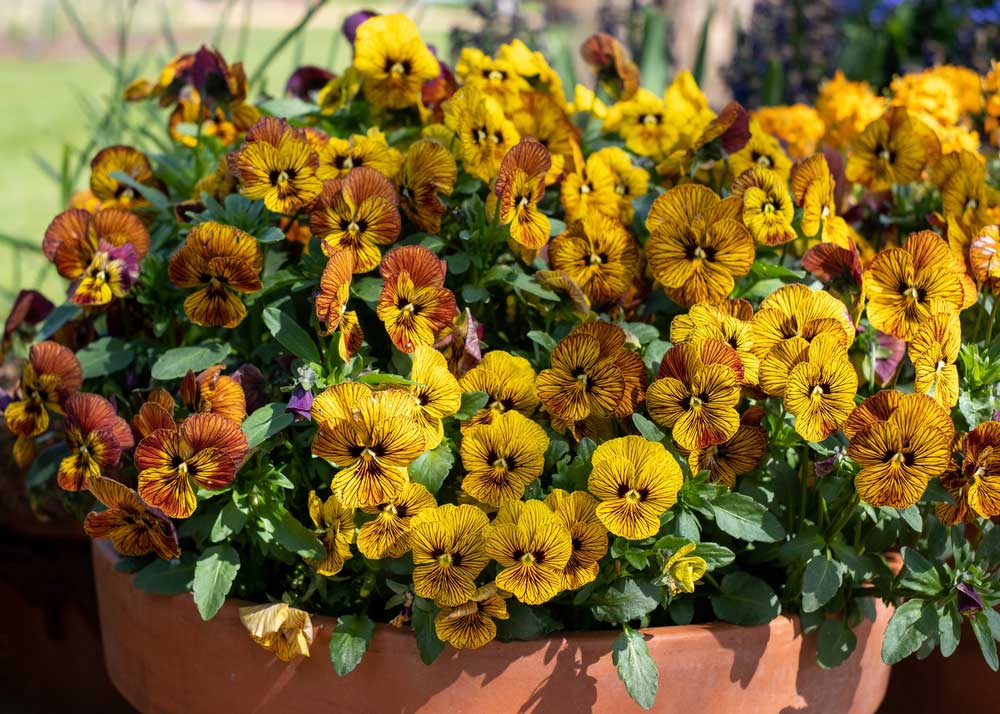
8. Johnny-Jump-Ups
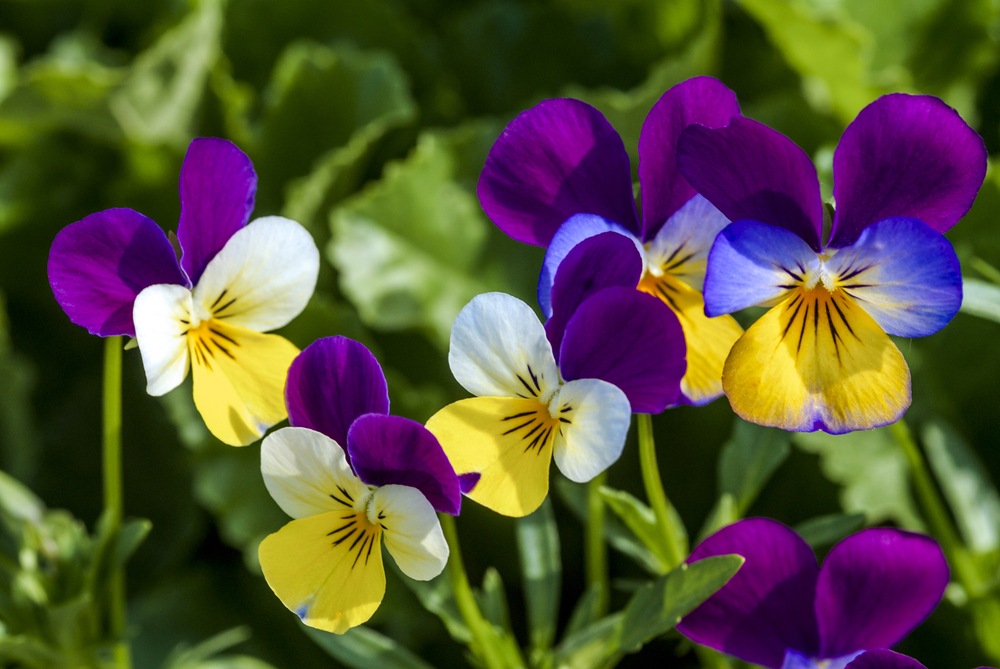
Best for October sowing: Zones 6–11
Johnny-jump-ups are small violas that handle cool weather very well.
Their cheerful purple, yellow, and cream flowers work beautifully in borders and containers.
In Zones 7–11, October sowing is very reliable. Zone 6 gardeners may have success depending on how quickly cold weather arrives.
Why October works: These flowers establish well during cool weather and can bloom through surprisingly chilly conditions.
9. Pansies
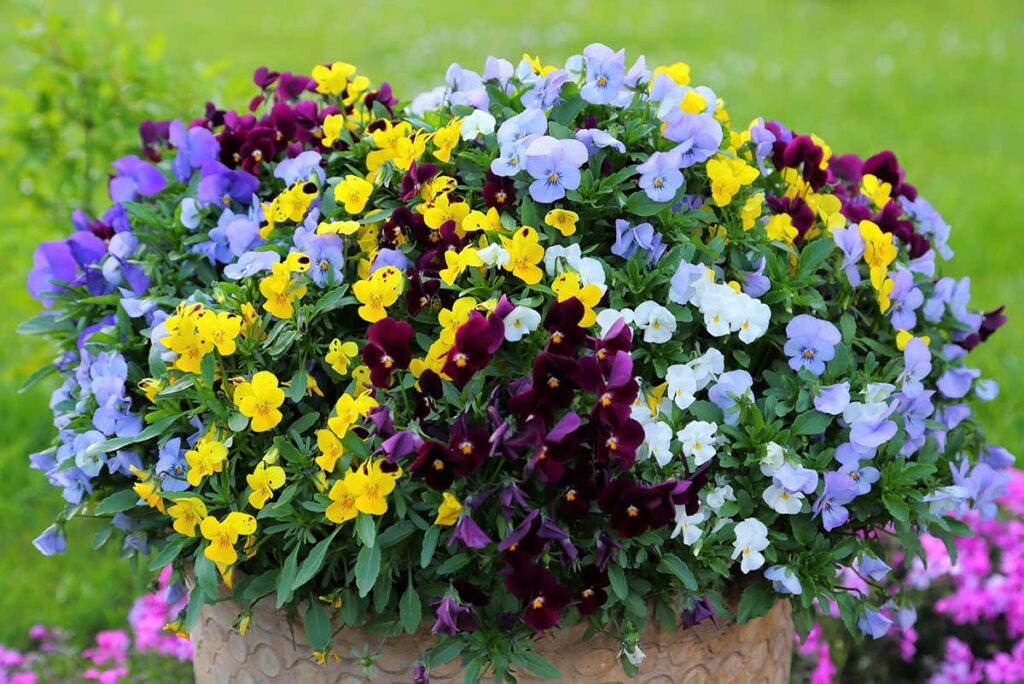
Best for October sowing: Zones 6–11
Pansies are often treated as annuals even though they’re technically short-lived perennials or biennials in some climates.
They are a classic cool-season flower and perform especially well in mild winters.
Growing them from seed takes patience, so gardeners in colder regions may prefer starting them indoors rather than direct sowing outside.
Why October works: Pansies prefer cool temperatures and can provide color long after summer annuals are finished.
10. Snapdragons
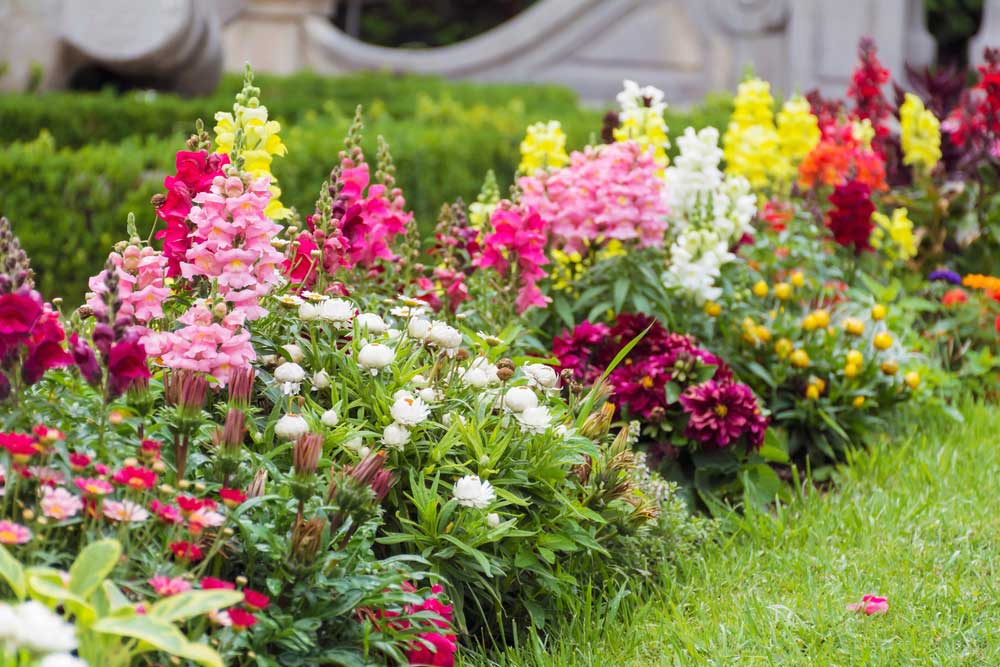
Best for October sowing: Zones 7–11
Snapdragons grow best when temperatures are cool.
In Zones 8–11, plants can grow through winter and bloom heavily in late winter or spring. In Zone 7, they may need some protection during cold snaps.
The seeds are very small, so barely cover them.
Why October works: Starting them before winter gives the plants time to mature before spring.
11. Baby’s Breath
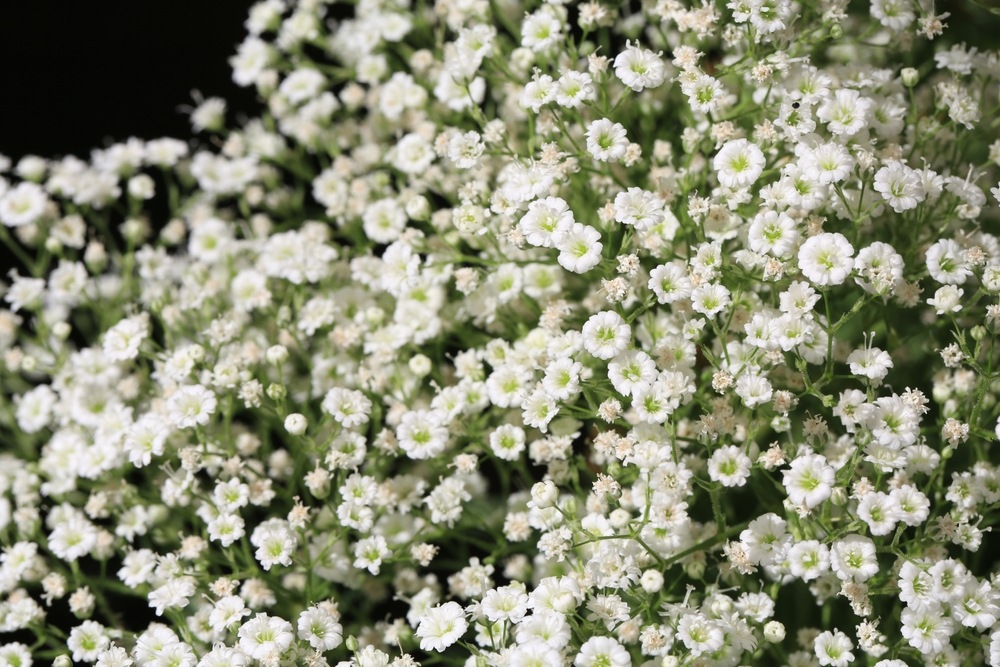
Best for October sowing: Zones 6–10
Baby’s breath produces clouds of tiny flowers that look beautiful mixed among larger blooms.
It prefers full sun and well-draining soil.
In warm areas, sow directly in fall. In colder areas, October sowing can work as dormant seeding.
Why October works: Fall-sown plants can flower earlier and blend naturally into spring beds.
12. Phlox
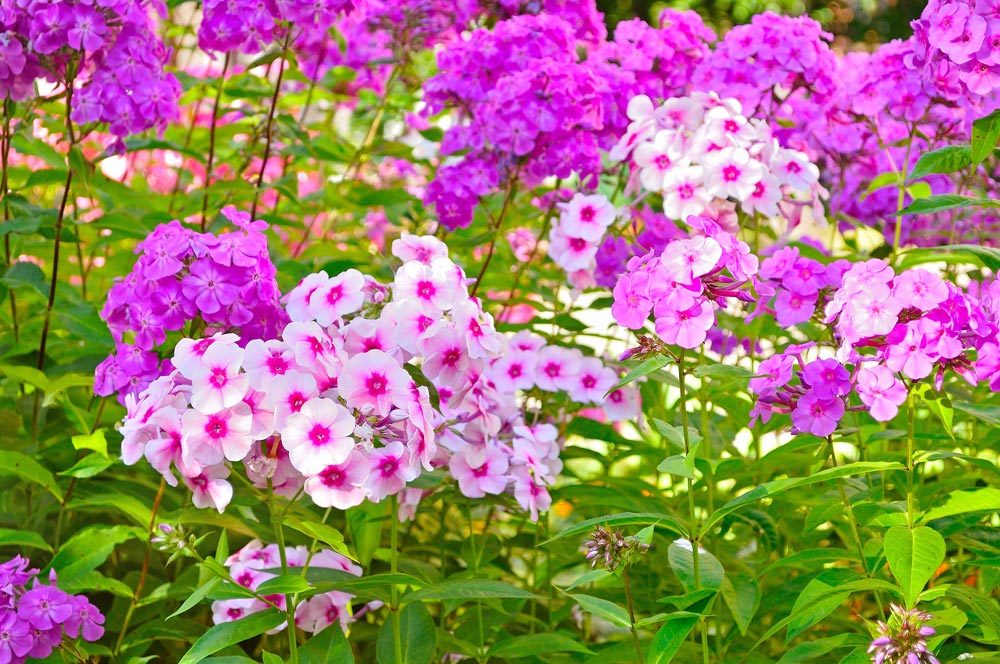
Best for October sowing: Zones 7–10
Phlox is a colorful choice for southern and mild-winter gardens.
It performs best when temperatures are comfortable rather than extremely hot.
Sow directly into prepared soil in a sunny location.
Why October works: Cooler fall conditions allow plants to establish before warmer weather arrives.
13. Candytuft
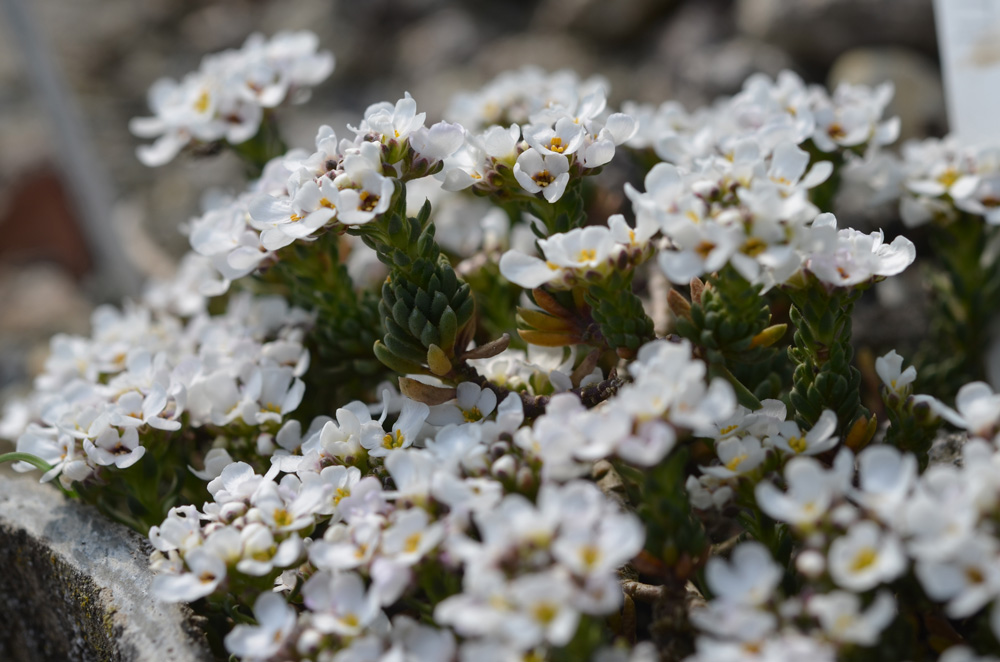
Best for October sowing: Zones 6–10
Candytuft produces clusters of small white, pink, purple, or lavender flowers.
It’s a nice choice for borders and cottage-style gardens.
In warmer regions, seedlings may emerge in fall. In cooler areas, seeds may wait until spring.
Why October works: Candytuft prefers cool growing conditions and can bloom earlier after fall sowing.
14. Plains Coreopsis
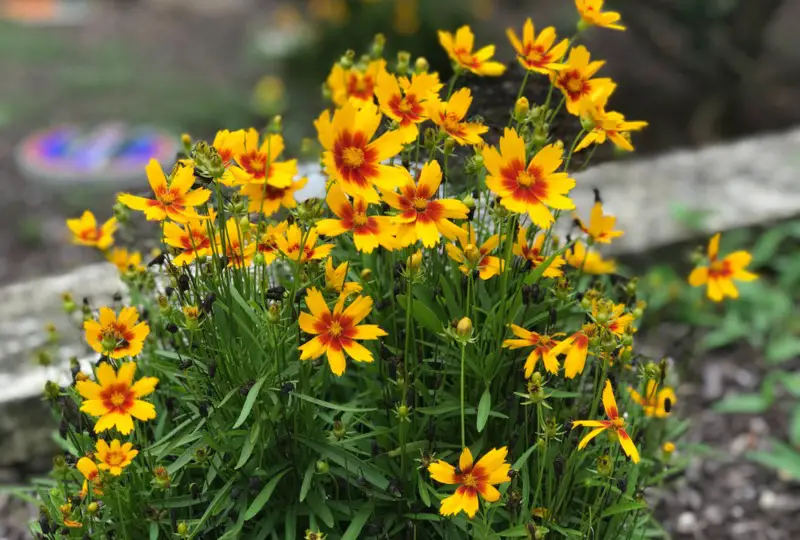
Best for October sowing: Zones 4–10
Plains coreopsis is an easy wildflower with yellow blooms, often marked with deep red or brown centers.
It’s especially useful for naturalized areas and pollinator gardens.
In colder zones, sow it late enough that the seeds remain dormant through winter.
Why October works: Fall planting follows the same natural cycle the plant uses when it reseeds itself.
15. Gaillardia
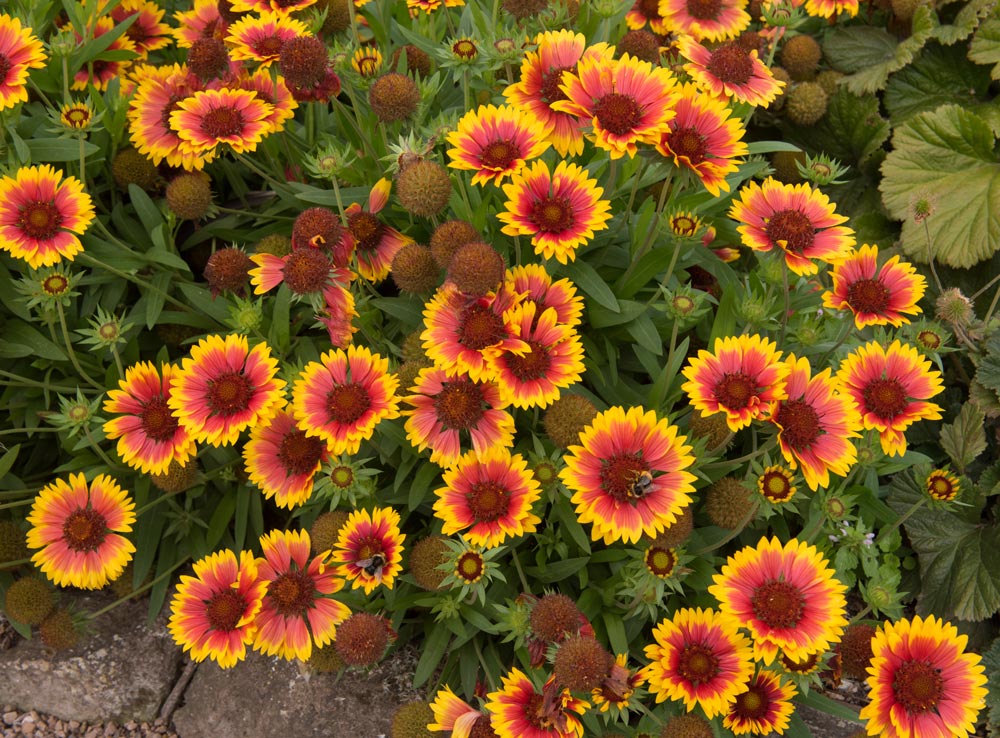
Best for October sowing: Zones 5–10
Gaillardia produces bold red, orange, and yellow flowers and handles heat and dry soil very well once established.
In mild climates, seeds can begin growing during the cool season. Farther north, fall sowing works more like dormant seeding.
Give plants plenty of sun.
Why October works: Natural winter exposure can help seeds germinate at the right time in spring.
What October Sowing Looks Like by USDA Zone
The biggest mistake is assuming October planting means the same thing everywhere.
Zones 3–5
October is mostly a dormant sowing month.
You want the seeds to sit quietly through winter rather than sprout before a hard freeze.
Good choices include:
- Bachelor’s buttons
- Shirley poppies
- Plains coreopsis
- Larkspur
- Gaillardia
Zones 6–7
These are transition zones.
Some flowers may germinate before winter, while others will remain dormant until spring.
Good choices include:
- Bachelor’s buttons
- Poppies
- Larkspur
- California poppies
- Johnny-jump-ups
- Baby’s breath
- Candytuft
- Coreopsis
Zones 8–11
October is a true cool-season sowing month.
Many flowers can actively germinate, grow, and sometimes even bloom through winter.
Good choices include:
- Sweet peas
- Calendula
- Sweet alyssum
- Snapdragons
- Pansies
- Johnny-jump-ups
- Larkspur
- Bachelor’s buttons
- Phlox
15 Flowers to Sow in October: Quick Reference
| Flower | Best USDA Zones | October Strategy | Why It Works |
|---|---|---|---|
| Bachelor’s Buttons | 3–10 | Direct or dormant sow | Often blooms earlier in spring |
| Larkspur | 5–10 | Direct or dormant sow | Benefits from cold exposure |
| Shirley Poppies | 3–10 | Direct or dormant sow | Mimics natural reseeding |
| California Poppies | 6–10 | Direct sow | Likes cool weather and lean soil |
| Sweet Peas | 7–10 | Direct sow | Needs a long cool season |
| Calendula | 7–11 | Direct sow | Thrives in cool weather |
| Sweet Alyssum | 7–11 | Surface sow | Great cool-season groundcover |
| Johnny-Jump-Ups | 6–11 | Direct sow | Very cold tolerant |
| Pansies | 6–11 | Direct sow or start seeds | Excellent winter color |
| Snapdragons | 7–11 | Surface sow/start seeds | Grows best before summer heat |
| Baby’s Breath | 6–10 | Direct or dormant sow | Flowers earlier after fall sowing |
| Phlox | 7–10 | Direct sow | Establishes well in cool weather |
| Candytuft | 6–10 | Direct or dormant sow | Good for early spring blooms |
| Plains Coreopsis | 4–10 | Dormant sow north | Natural fall reseeder |
| Gaillardia | 5–10 | Direct or dormant sow | Works well in sunny, dry areas |