I planted a weeping willow about 15 feet from my house years ago because it looked so graceful. My plumber still hasn’t forgiven me.
Planting a tree feels simple at first. You pick something beautiful, water it, and imagine the shade and blooms it will bring.
But what’s happening underground is just as important as what you see above it.
Some plants grow strong, wide root systems that can travel far in search of water.
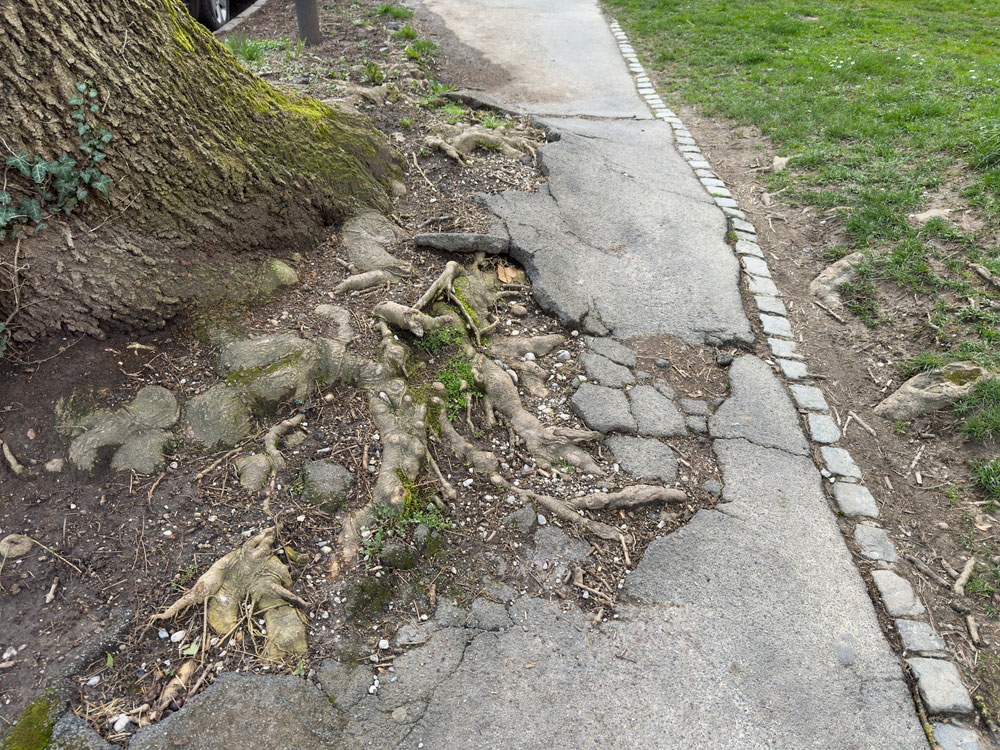
Over time, those roots can lift driveways, crack patios, and even find their way into pipes or foundations. And the frustrating part? The plant usually looks perfectly healthy while the damage is quietly happening below the surface.
Before you head to the nursery this season, here are some plants and trees gardeners across the U.S. often regret planting too close to their homes.
1. Silver Maple (Acer saccharinum)
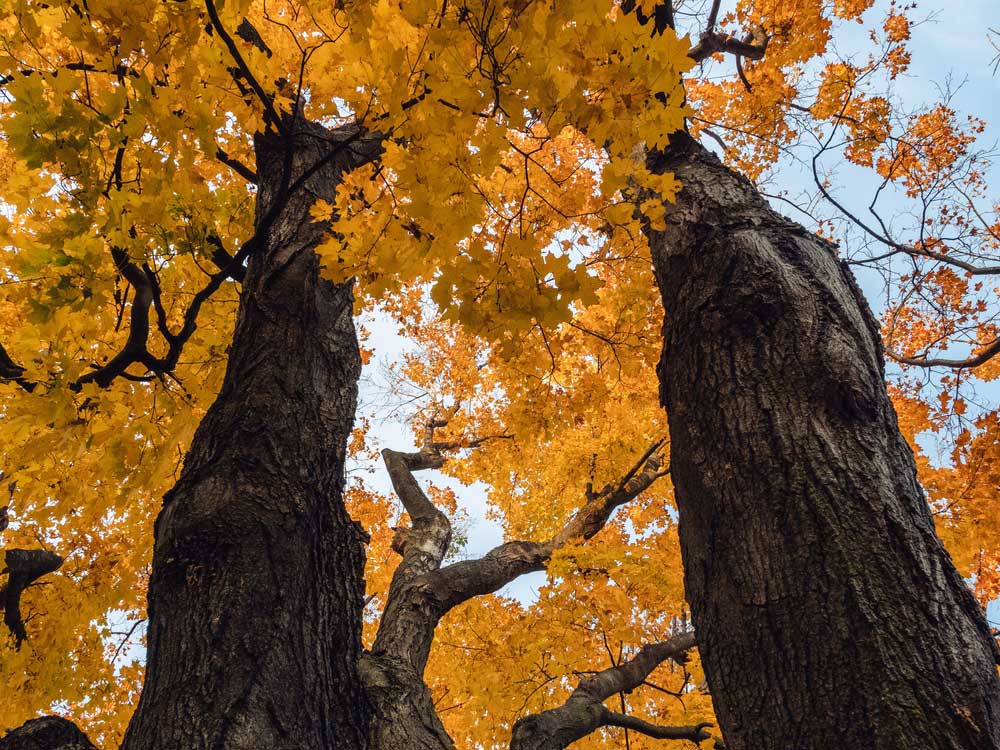
Silver maples are fast-growing and give beautiful shade, which is why they’ve been planted everywhere for decades. The downside is their shallow, aggressive root system.
These roots often spread far beyond the canopy and stay close to the surface. That makes them known for lifting sidewalks, cracking driveways, and creeping toward foundations and pipes. Many arborists recommend planting silver maples at least 50 feet from structures if possible.
A good rule of thumb: fast-growing shade trees often come with fast-spreading roots.
2. Weeping Willow (Salix babylonica)
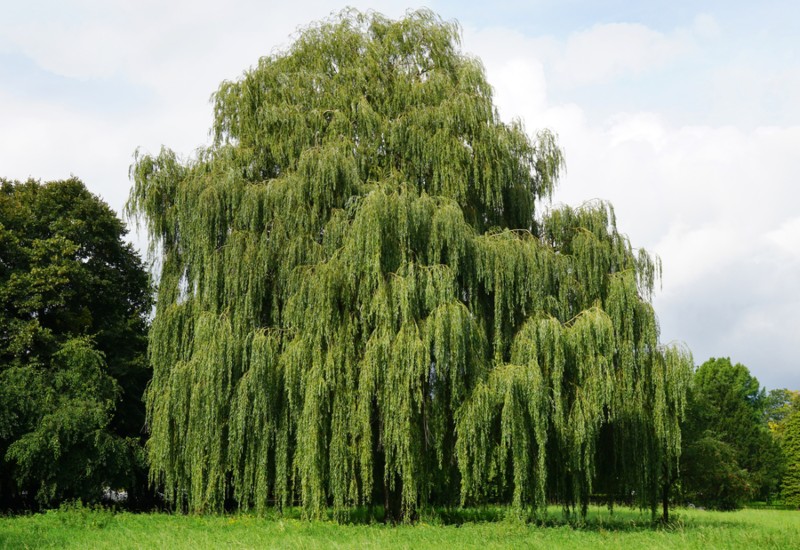
Weeping willows are elegant and timeless — but they’re also one of the most notorious trees for plumbing problems.
Willows naturally seek water, and their roots can travel surprisingly far, sometimes 50 to 100 feet depending on soil conditions. If there’s a tiny crack in a sewer or water line, willow roots may find it.
They’re best planted far from septic systems, water lines, and foundations. Beautiful tree, but definitely one that needs space.
3. American Elm (Ulmus americana)
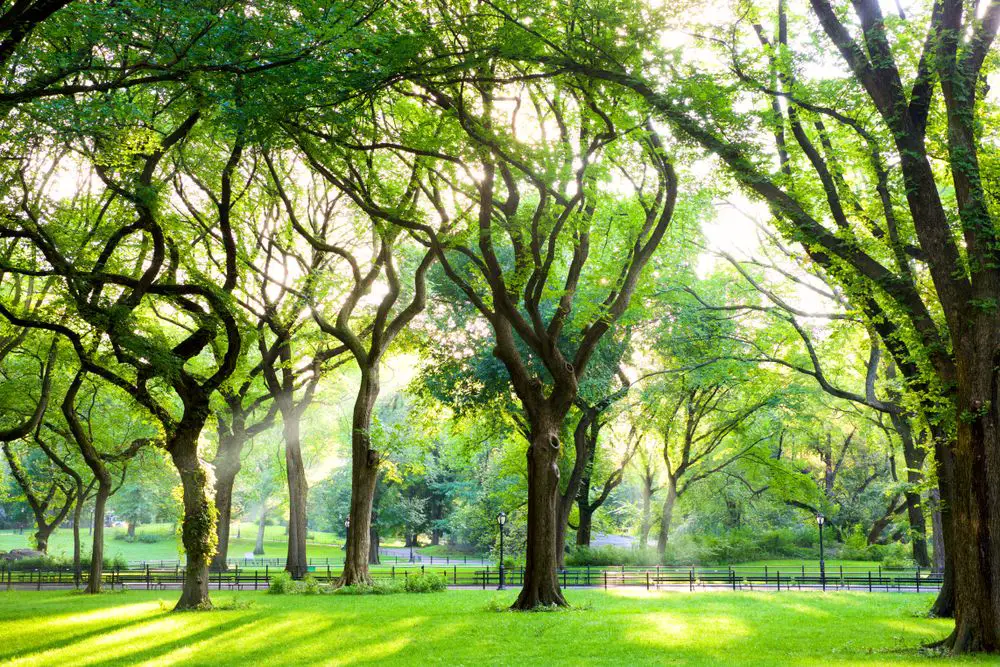
American elms were once the signature trees of small-town streets across the country. They’re tall, graceful, and make incredible shade trees.
But like many large shade trees, they develop wide, shallow root systems that can lift sidewalks and push into underground utilities over time. Disease-resistant varieties are making a comeback, but they still need plenty of distance from structures — ideally 40–50 feet or more.
If you have the space, they’re stunning. Just don’t plant them too close to your home.
4. Bamboo (Running Types Especially)
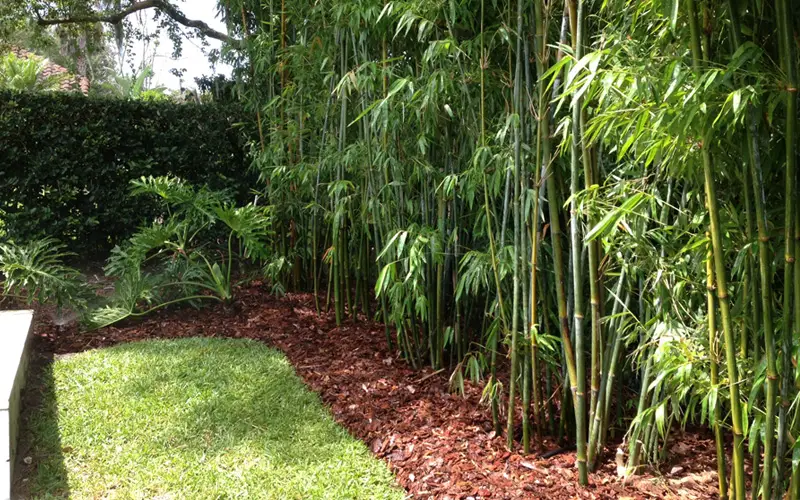
Bamboo is popular for privacy screens and tropical-style gardens, but not all bamboo behaves the same.
Running bamboo (especially Phyllostachys varieties) spreads through underground rhizomes that can travel aggressively under fences, patios, and driveways. It can quickly take over areas if not contained.
Clumping bamboo varieties are much better behaved, but they still benefit from thoughtful placement. If you’re planting running bamboo, a deep root barrier is essential — or consider growing it in containers.
5. Hybrid Poplar (Populus × canadensis)
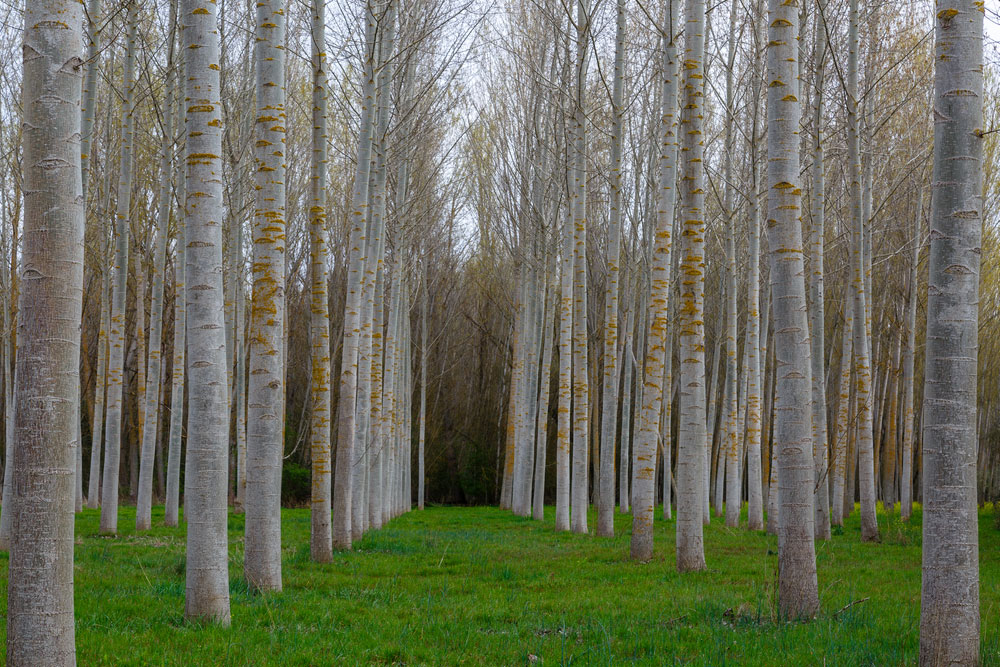
Hybrid poplars are often marketed as the perfect fast privacy tree. And it’s true — they grow incredibly quickly, sometimes several feet per year.
But that rapid growth comes with an equally ambitious root system. These trees are known for invading septic systems, water lines, and drainage areas if planted too close to infrastructure.
They’re best suited for large properties where they can grow far from anything underground.
6. Eastern Cottonwood (Populus deltoides)
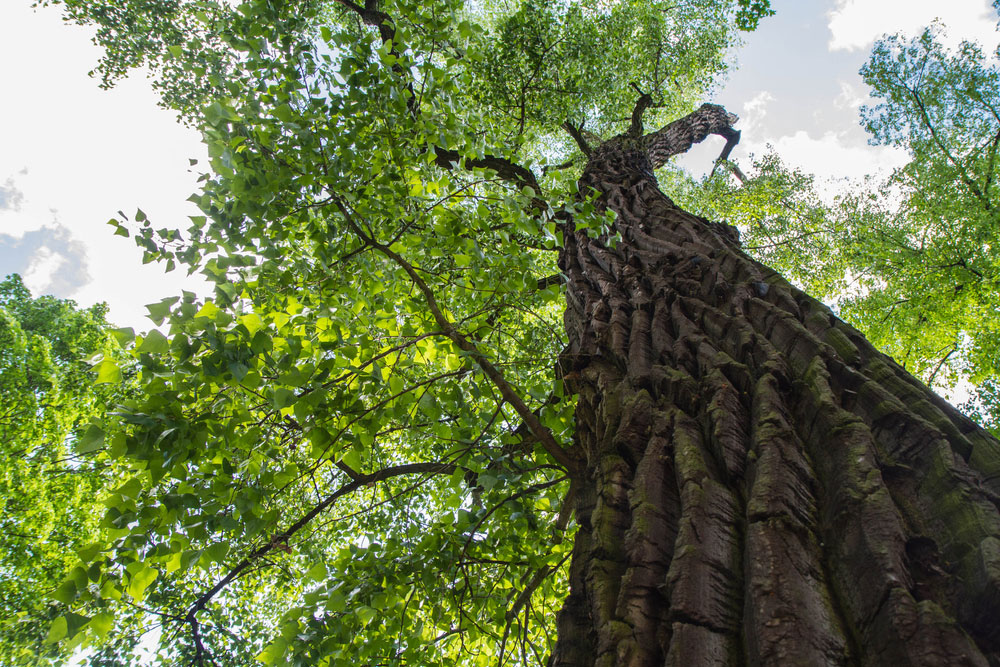
Eastern cottonwood is a native North American tree that grows quickly and supports wildlife. But like its poplar cousins, it has a wide, shallow root system that searches aggressively for moisture.
Roots can spread dozens of feet from the trunk and may interfere with pipes, foundations, and irrigation lines. Cottonwoods are best planted in open areas — not near homes or paved surfaces.
If you already have one nearby, an arborist can help assess potential risks.
7. Fig Tree (Ficus carica)
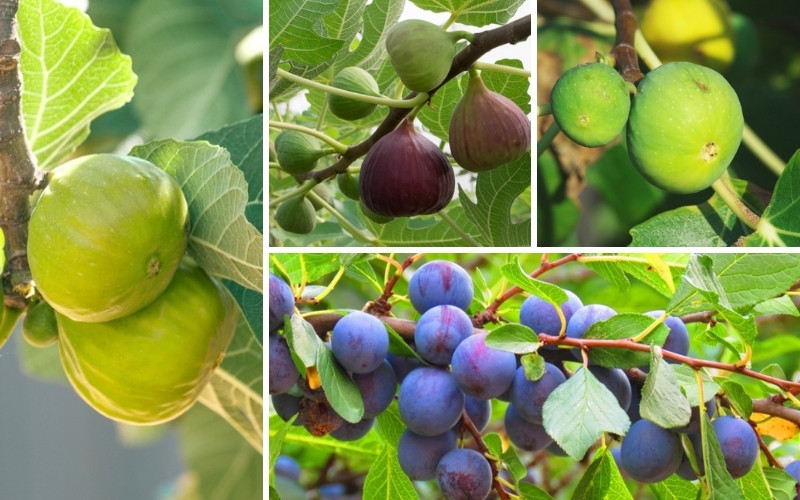
Fig trees are wonderful in warm climates and can be very productive. But their roots are surprisingly strong for a relatively small tree.
In the right conditions, fig roots can lift patio pavers, crack driveways, and disturb nearby hardscapes. They can also cause plumbing issues if planted extremely close to pipes, though hardscape damage is more common.
If you love figs, consider planting them 20–25 feet from structures or growing them in large containers.
8. English Ivy (Hedera helix)
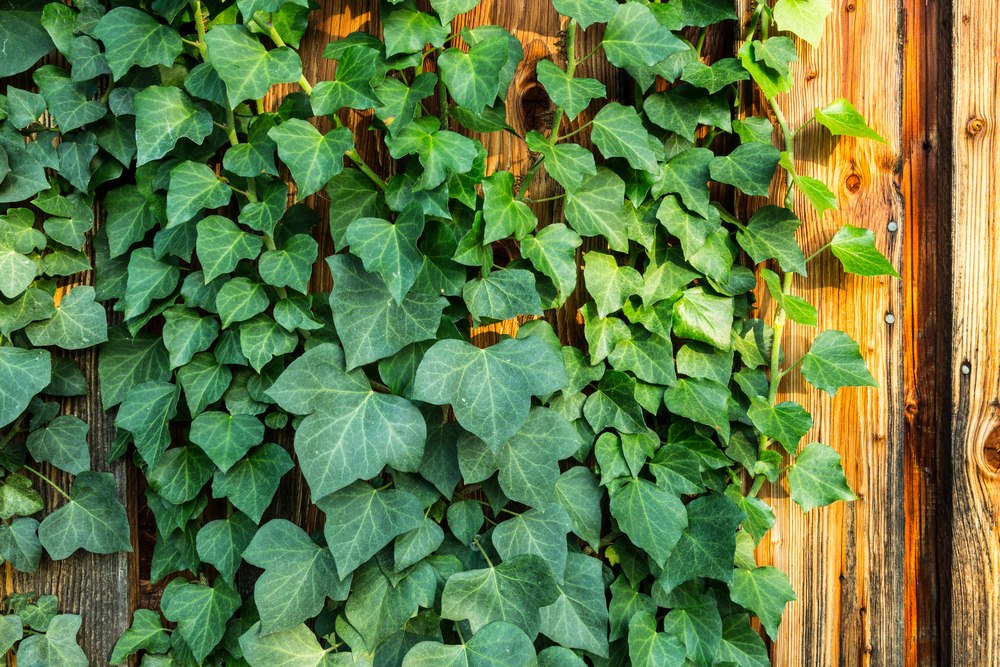
English ivy is often planted for that charming, cottage-style look. But it can cause more problems than many gardeners expect.
While ivy roots don’t usually break solid foundations, they can worsen existing cracks and trap moisture against walls over time. The bigger issue is how aggressively it climbs — damaging mortar, siding, and even trees.
It’s also invasive in many parts of the U.S., spreading quickly and crowding out native plants. Many gardeners eventually regret planting it.
9. Box Elder (Acer negundo)
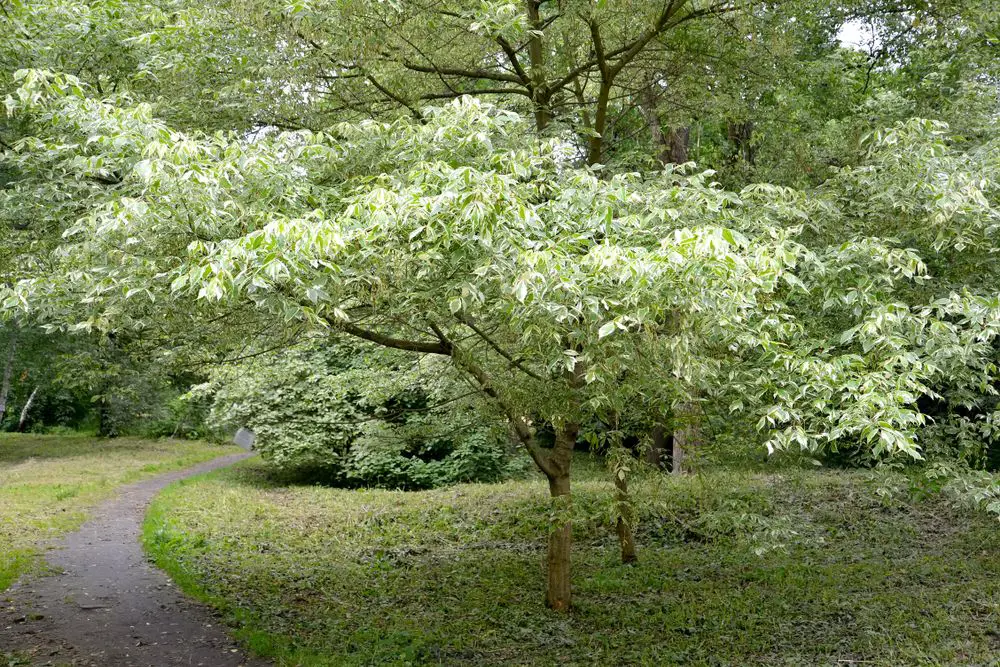
Box elder is sometimes called a “weed tree” because it pops up almost anywhere, often without being planted intentionally.
Like other maples, it develops shallow, spreading roots that can interfere with sidewalks and underground pipes. Because it grows quickly and self-seeds easily, it’s often found too close to homes before homeowners realize it.
Removing young seedlings early is much easier than dealing with a mature tree later.
10. Black Locust (Robinia pseudoacacia)
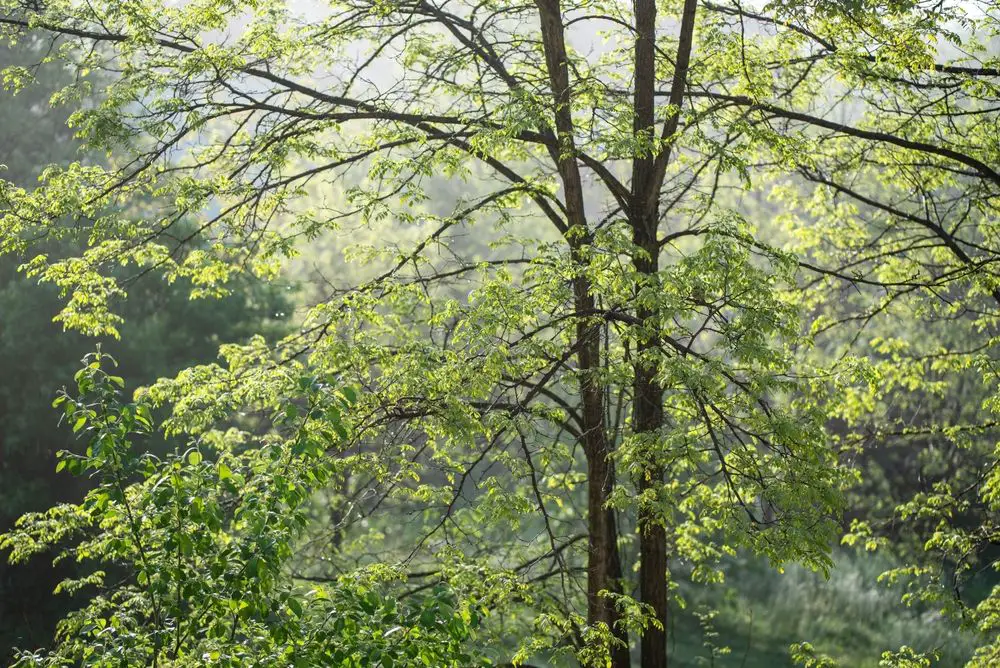
Black locust has fragrant flowers and incredibly durable wood, but it spreads aggressively through root suckers.
Once established, it can send up new shoots far from the original trunk, creating dense patches over time. While not always a foundation threat, its spreading root system can become difficult to control in residential spaces.
It’s considered invasive in many regions, so check local guidance before planting.
11. Norway Maple (Acer platanoides)
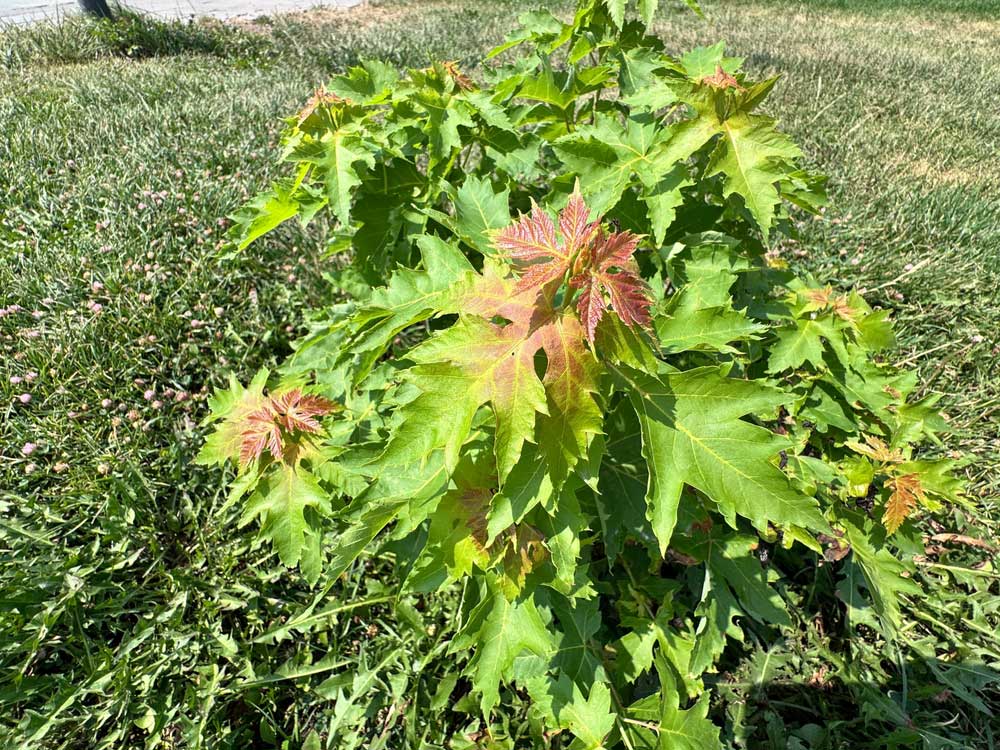
Norway maple was widely planted as a street tree for years, but many cities now discourage it.
It’s invasive in parts of the U.S. and develops thick surface roots that can buckle sidewalks and compete with nearby plants. These roots can also creep toward foundations if planted too close.
If you’re choosing a shade tree today, many gardeners prefer better-behaved alternatives like serviceberry, red maple, or dogwood.
12. Wisteria (Especially Asian Varieties)
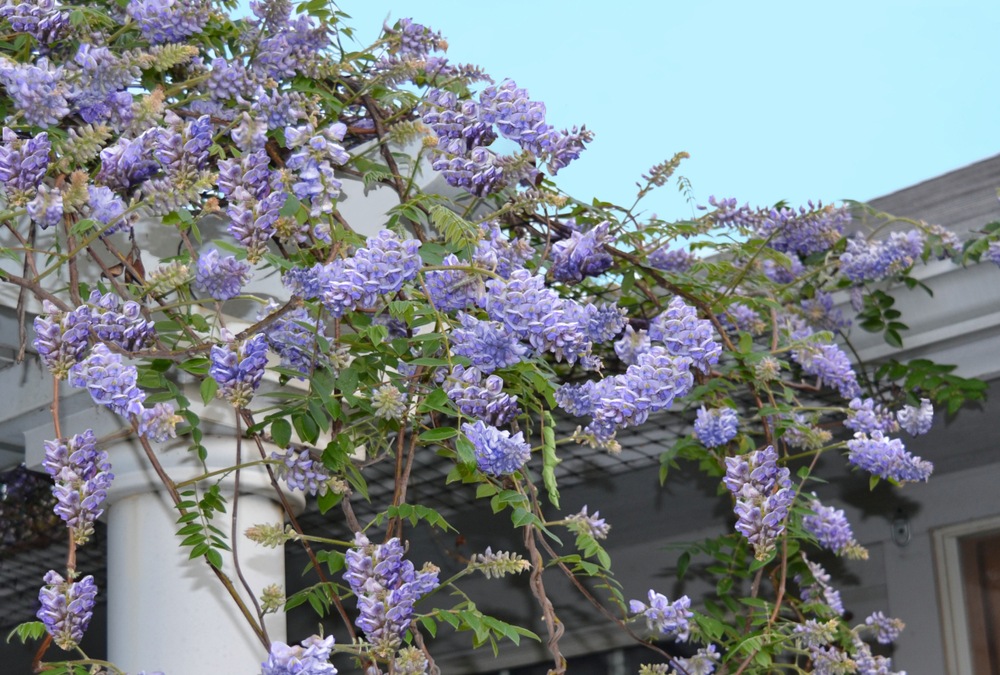
Wisteria is one of the most breathtaking flowering vines you can grow – but it’s also one of the most aggressive.
Its roots spread widely, and the heavy vines can damage gutters, siding, and supports if left unmanaged. Over time, neglected plants can even weaken structures simply from their weight and persistence.
If you love the look, consider American wisteria (Wisteria frutescens), which is far less aggressive and native to the U.S. Just be sure to give any wisteria a strong structure and regular pruning.
Quick Comparison: Trees & Plants With Aggressive Roots
Legend: 🔴 High Risk 🟡 Moderate Risk 🟢 Lower Risk (with proper spacing)
| Plant / Tree | Risk Level | Main Concern | Recommended Distance |
|---|---|---|---|
| Weeping Willow | 🔴 High | Aggressive water-seeking roots, plumbing damage | 50–100 ft |
| Silver Maple | 🔴 High | Shallow roots that lift pavement and invade pipes | 50+ ft |
| Running Bamboo | 🔴 High | Underground spreading rhizomes | Use barriers or plant far away |
| Hybrid Poplar | 🔴 High | Fast invasive roots, septic issues | 40–60 ft |
| Eastern Cottonwood | 🔴 High | Wide moisture-seeking root spread | 40–60 ft |
| Norway Maple | 🔴 High | Surface roots and invasive growth | 40–50 ft |
| American Elm | 🟡 Moderate | Wide shallow roots over time | 40–50 ft |
| Box Elder | 🟡 Moderate | Maple-style surface roots | 30–50 ft |
| Black Locust | 🟡 Moderate | Spreading root suckers | 30+ ft |
| Fig Tree | 🟡 Moderate | Hardscape lifting roots | 20–25 ft |
| Wisteria | 🟡 Moderate | Spreading roots + heavy vines | Keep away from structures |
| English Ivy | 🟢 Lower | Moisture retention and wall damage | Avoid planting near walls |
A Quick Note on Root Damage
Root behavior varies depending on soil, moisture, and maintenance. Not every tree will cause problems – but planting distance matters more than most gardeners realize.
When in doubt, give large trees more space than you think they need. Your future self (and your foundation) will thank you.
Safer Alternatives to Plant Near Your Home
If you want beauty without the root headaches, consider these more home-friendly options:
- Serviceberry
- Dogwood
- Japanese maple
- Crepe myrtle
- Dwarf magnolia
These tend to have less aggressive root systems and are better suited for planting closer to structures.